Can Su-57 fighter jets detect stealth bombers?

The Russian Su-57 fighter jet uses advanced radar and heat sensors to detect stealth bombers like the F-35 and B-2. Its mix of L-band radar, IRST, and smart systems boosts its edge. Curious how it spots ‘invisible’ jets? Know more below.
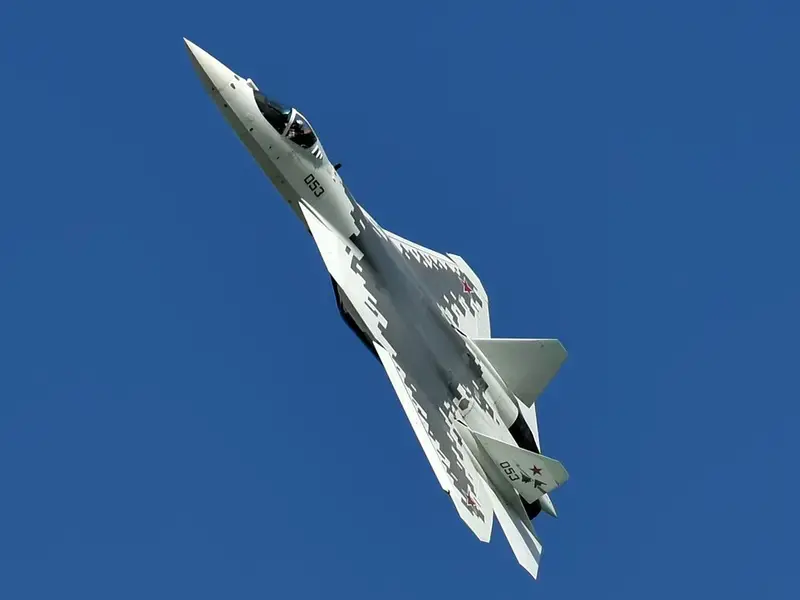
The Su-57’s Radar System
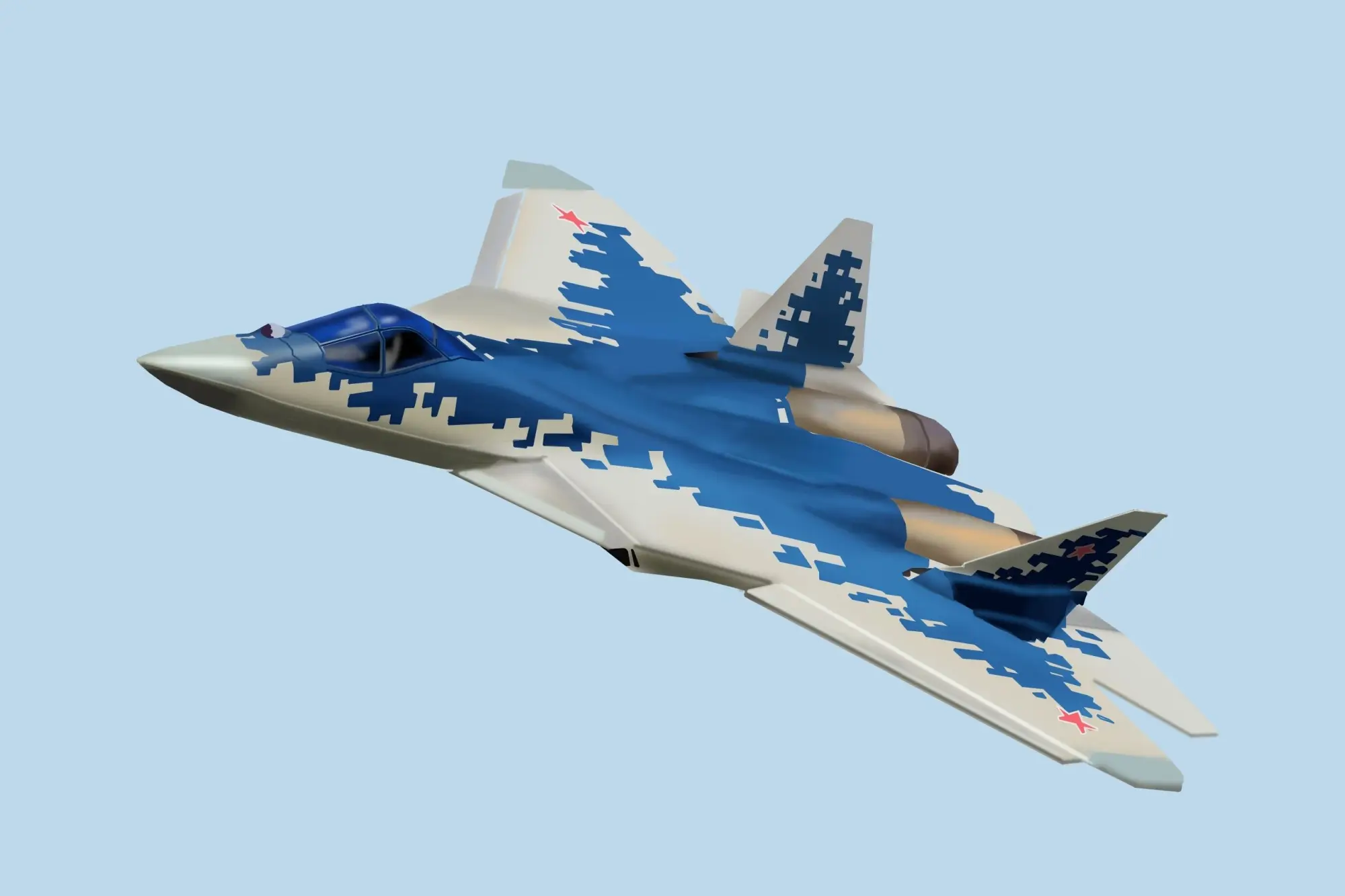
The Su-57 uses the N036 Byelka Active Electronically Scanned Array (AESA) radar. This system features over 2,322 modules (X-band and L-band). It can track up to 60 targets and engage 16 in the air at once, using powerful computer processing and different frequencies.
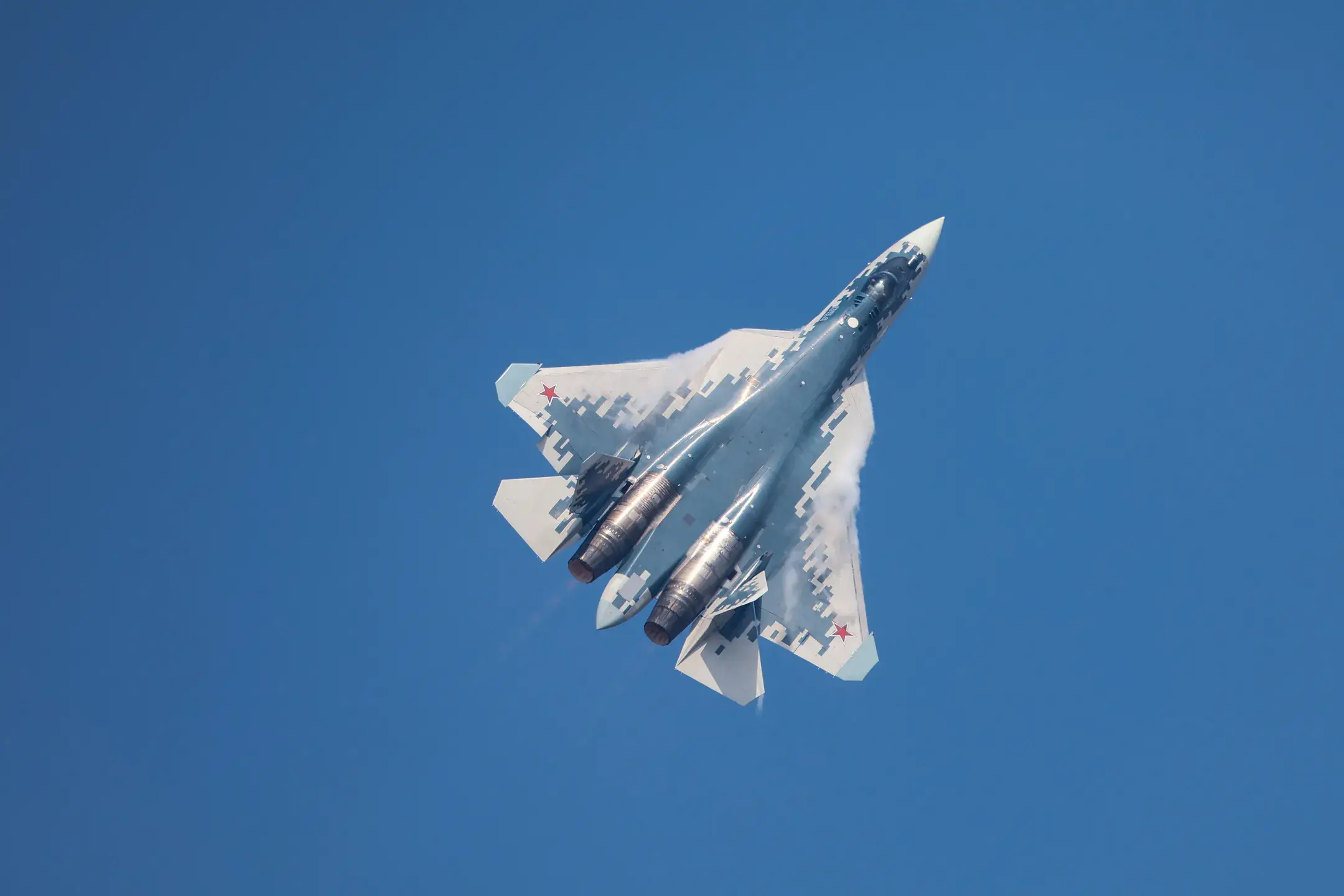
How AESA Radar Sees Stealth Bombers
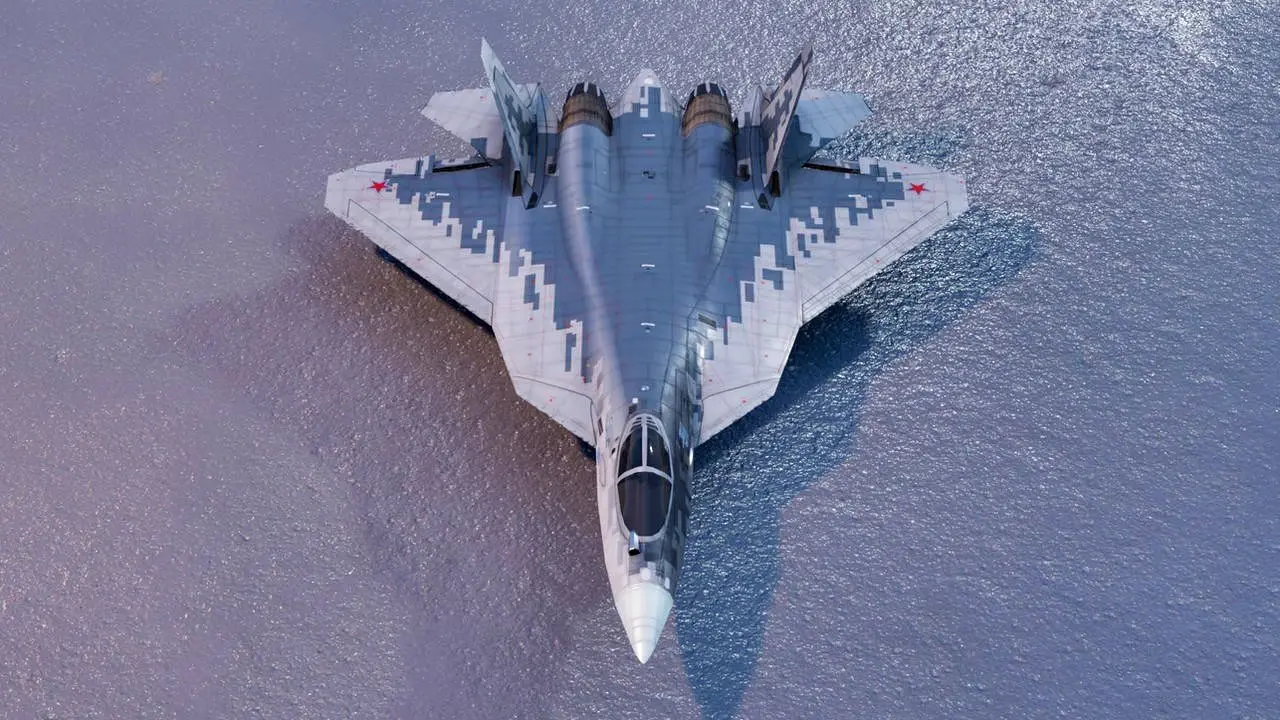
Stealth bombers are built to avoid radar detection, especially in the X-band. The Su-57’s main nose radar runs in the X-band while two wing radars operate in the L-band, which makes it possible to spot “invisible” shapes from afar. Reports suggest this can identify stealth targets like F-35s and B-2 bombers at up to 120-150 kilometres, depending on shape and angle.
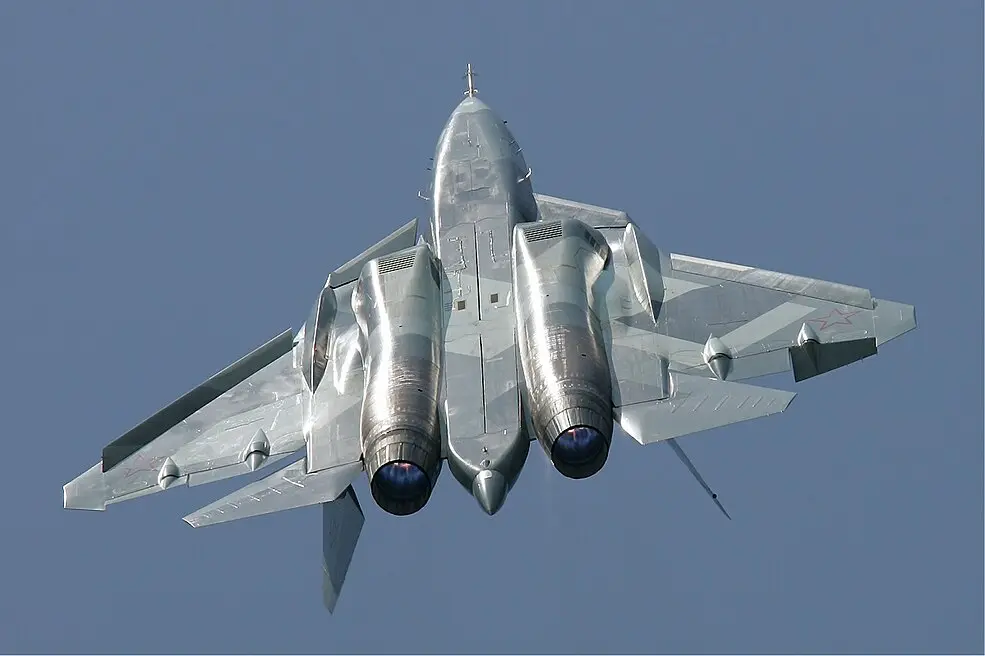
The L-band’s Counter-Stealth Trick
The L-band radars in the Su-57’s wings use longer wavelengths. Stealth bombers are designed to dodge shorter radar waves, but longer ones can reveal their location—even if only roughly. While L-band detection may not always guide missiles directly, it helps to alert pilots that something hidden is there.
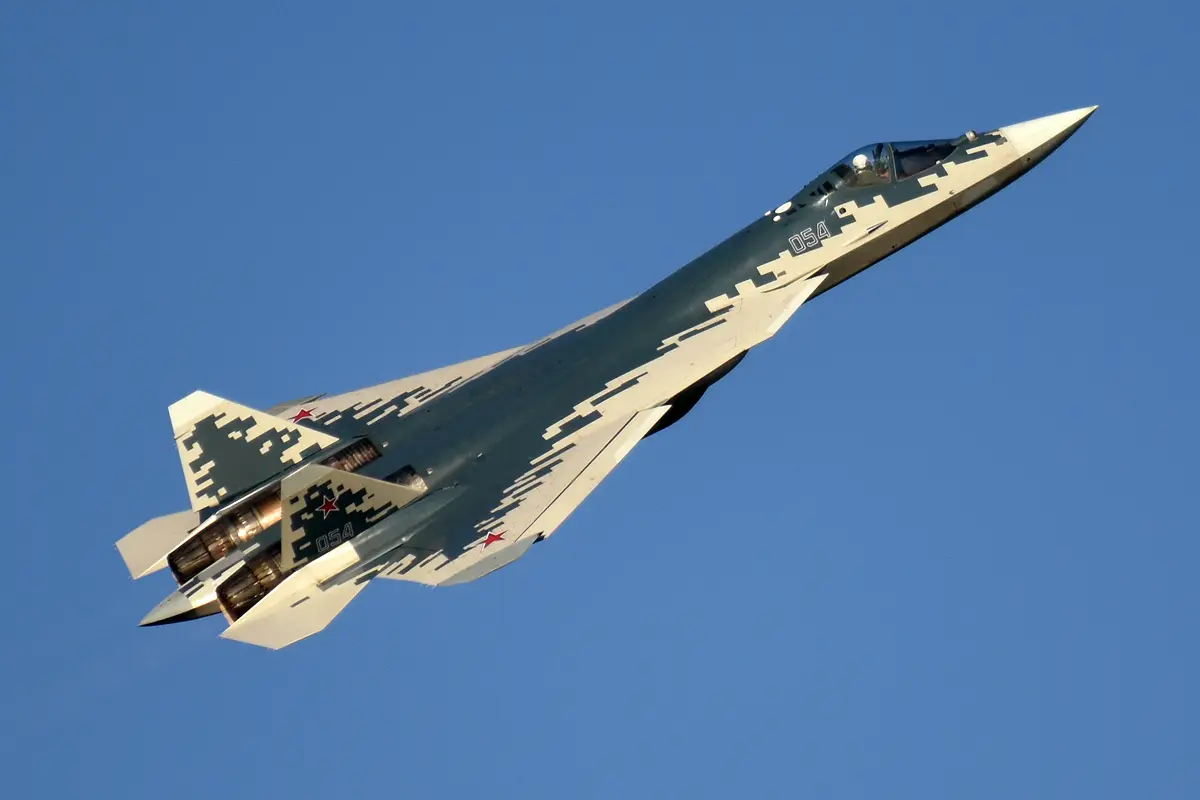
Infrared Search and Track (IRST)
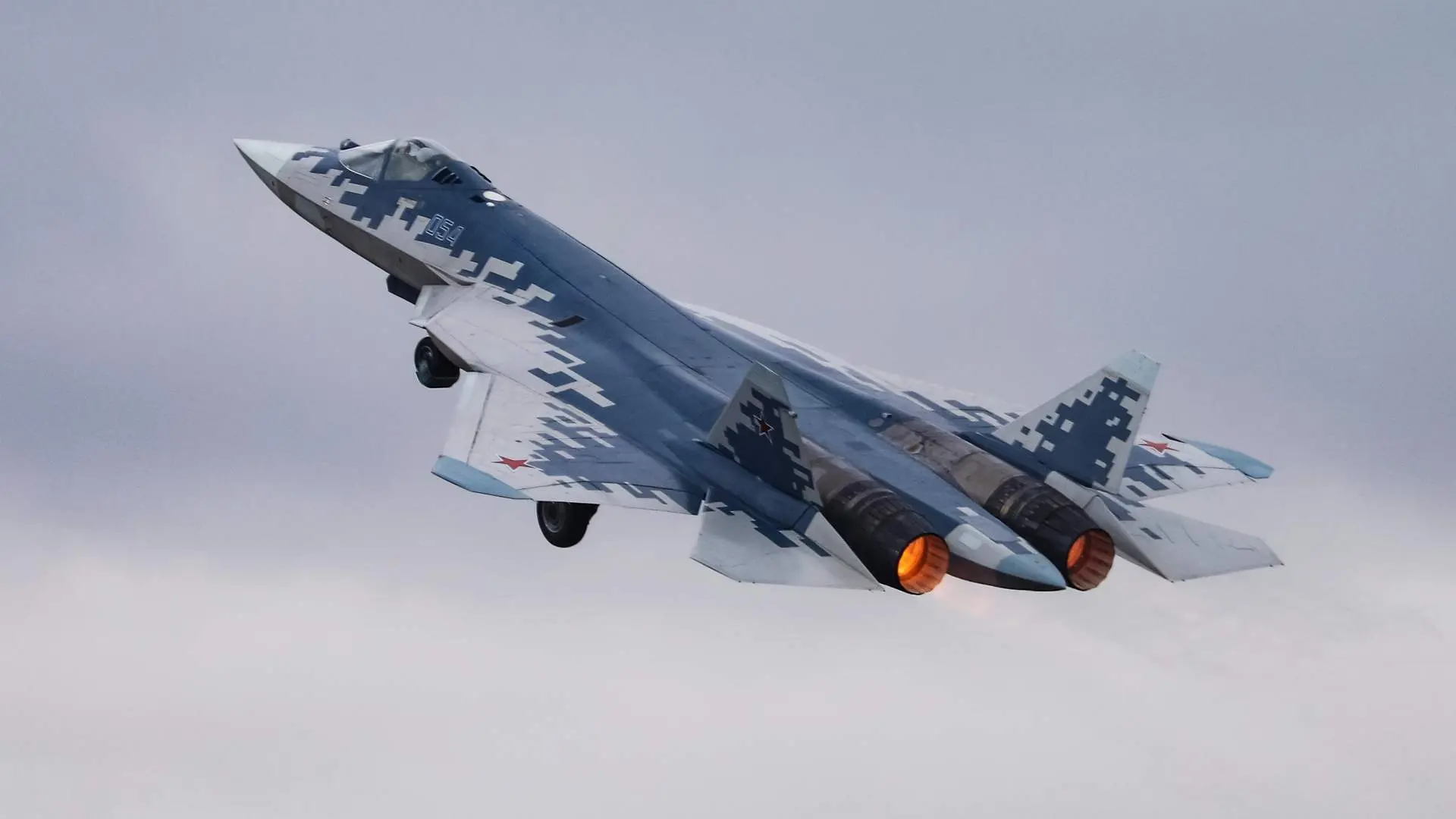
Infrared Search and Track (IRST) is another sensor built into the Su-57. It detects heat from enemy aircraft, especially engines and parts that glow hot in flight. Even if a bomber is almost invisible to radar, it still gives off warmth, which IRST can pick up at range without giving away the Su-57’s position.
Combining Sensors for Counter-Stealth
The Su-57 uses “sensor fusion,” blending radar and IRST results into one clear picture. Pilots can see radar blips and heat trails together, track up to 60 targets, and adjust tactics quickly. Its Himalayas electronic warfare system also jams enemy radars and protects the jet. Upgrades are ongoing for even better coordination.
Advantages in Detecting Stealth Bombers
The Su-57’s radar and IRST give several strengths:
It can track many targets even if some are hard to see.
It finds bombers before they get close by picking up L-band echoes or heat.
Sensor fusion and jamming make missions more secure.
Sources say Su-57 can detect stealth planes that escape older radars.
Limitations and Challenges
These systems are powerful but not perfect:
L-band finds rough location, but not fine details for aiming missiles.
Stealth bombers built for low infrared can avoid some IRST sensors in cool flight modes.
Front stealth is strongest Su-57 must get right angle for best results.
)
)
)
)
)