Can space technology help astronauts survive on mars?

Living on Mars long-term need food, water, etc. Farming on Mars, growing oxygen, and building safe habitats will be vital. Scientists plan greenhouses, tech, and safe habitats. Energy and health challenges are big, but with robotics, humans could build a permanent home on Mars.

The Martian environment
Mars has thin air, cold temperatures, and high radiation. Its day length is close to Earth’s, but the surface is barren and hostile. These tough conditions require advanced solutions for humans to live there safely .
Creating sustainable supplies
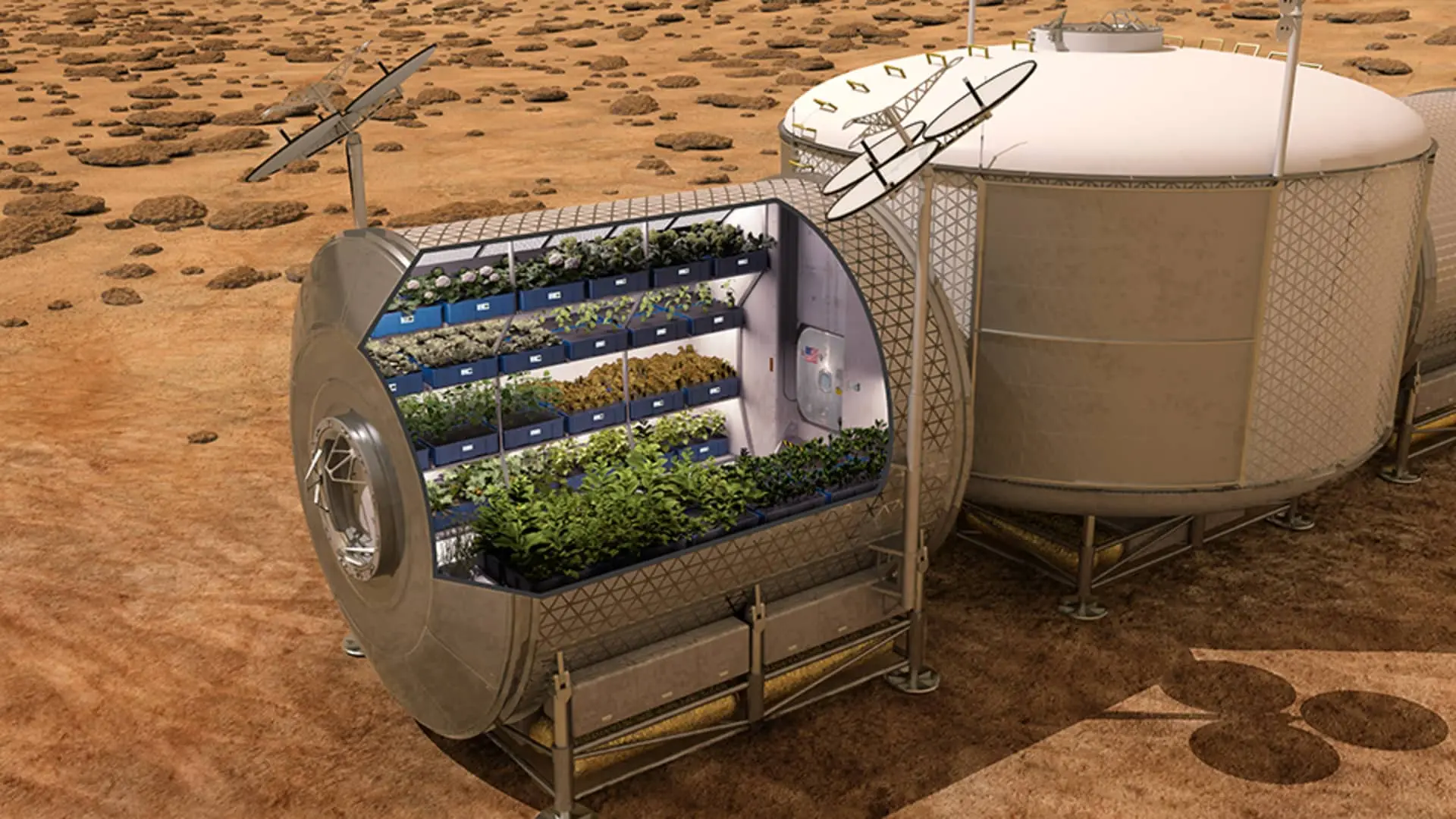
Growing food on Mars is critical. Scientists plan to build greenhouses with special soils and create water from ice or atmospheric moisture. NASA is researching plants that can survive Mars conditions, possibly with engineered microbes helping.
Oxygen and atmosphere management
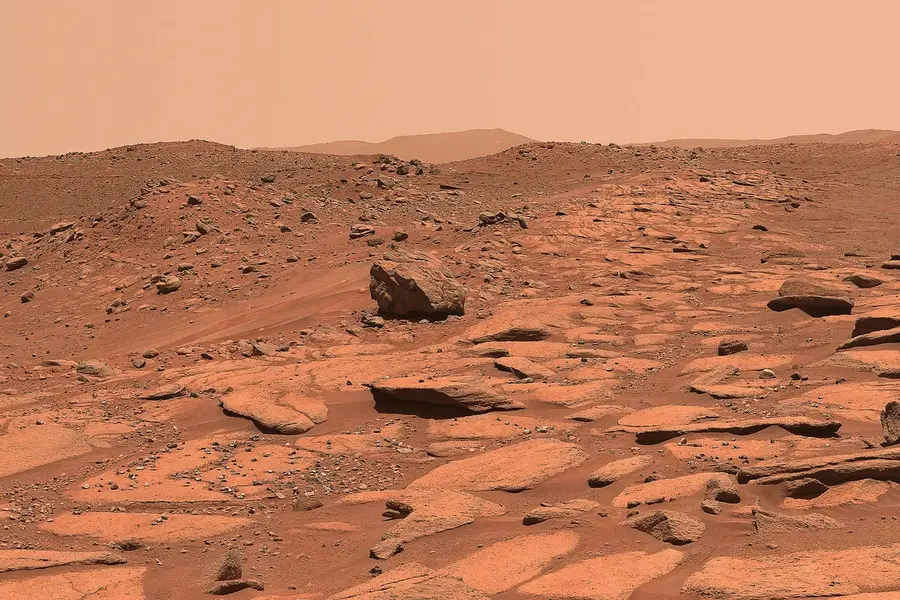
Mars’ atmosphere is mostly carbon dioxide. Technologies like solar-powered converters and microbial life can produce breathable oxygen. Maintaining air pressure inside habitats will be essential to human health.
Habitat design and protection
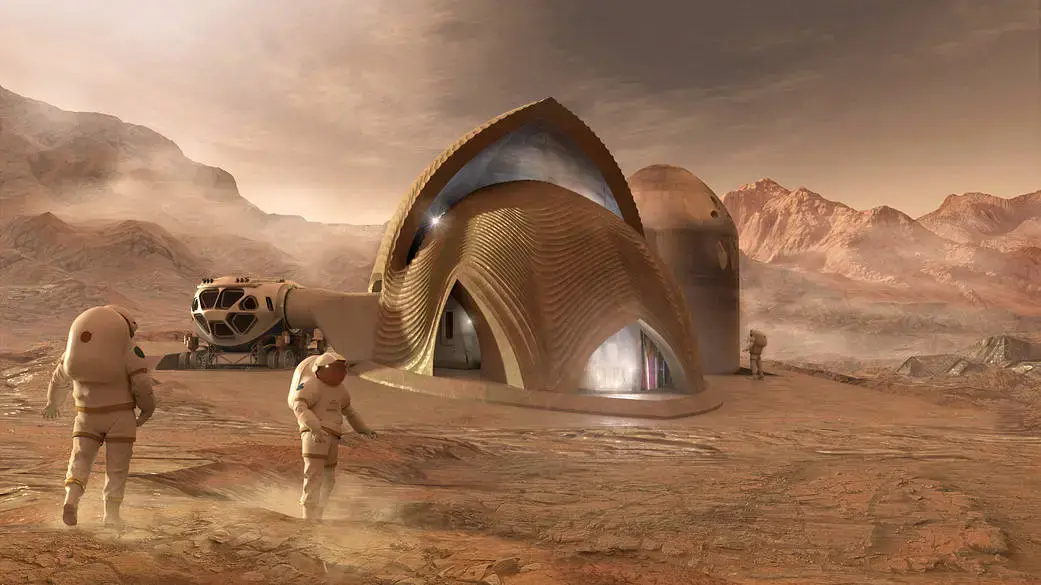
Habitats may use underground lava tubes or thick shielding to block radiation. Modules will be insulated and climate-controlled to stay warm despite freezing Martian nights.
Energy and power systems
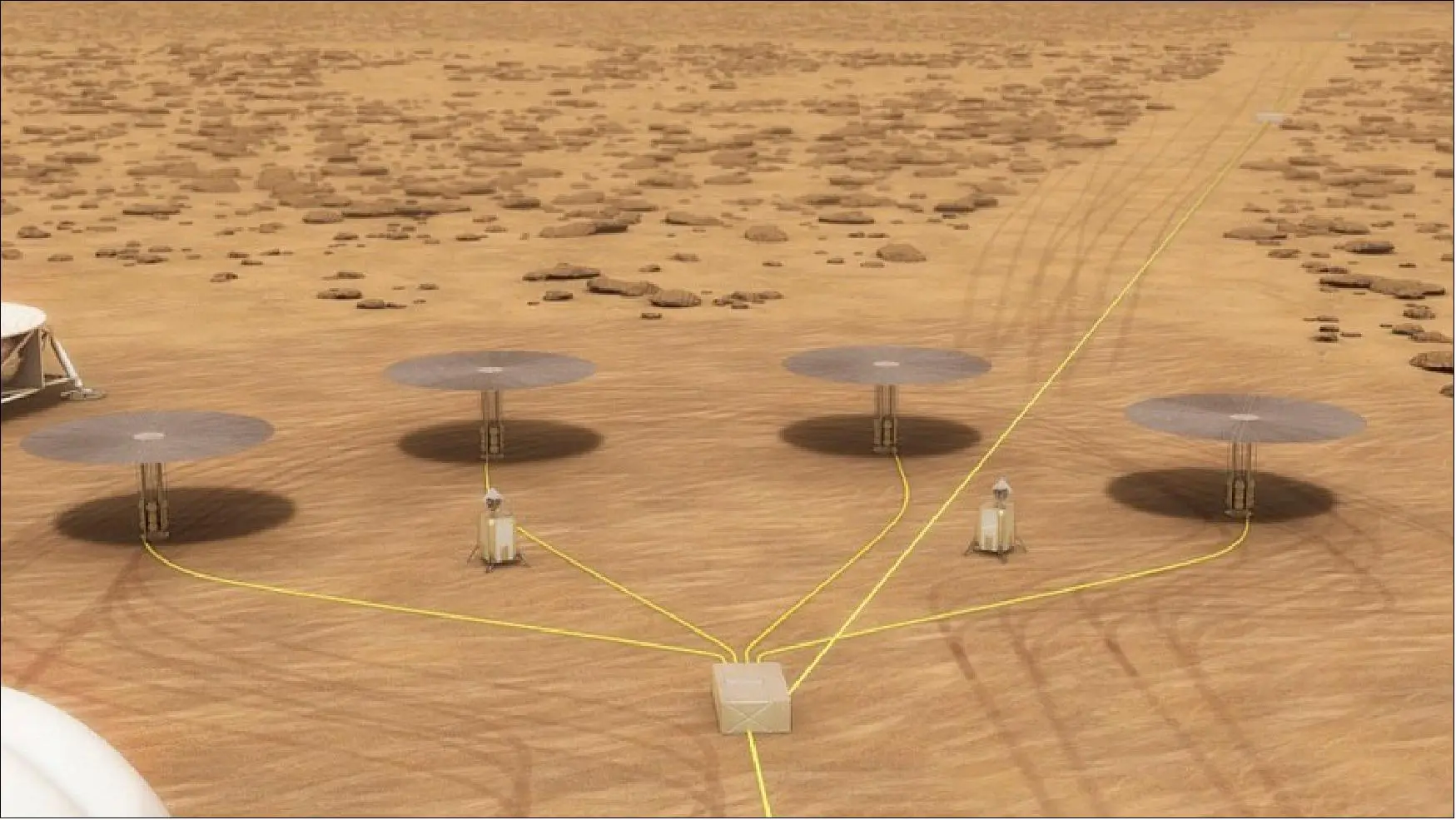
Solar panels, nuclear reactors, or fuel cells could provide reliable energy for life support, heating, and operations. Reducing energy needs is a major design focus to maximize self-sufficiency.

The human factor
Long missions affect astronauts physically and mentally. Research on long-duration spaceflight shows how to manage health, exercise, and psychological needs during years on Mars.
The road ahead
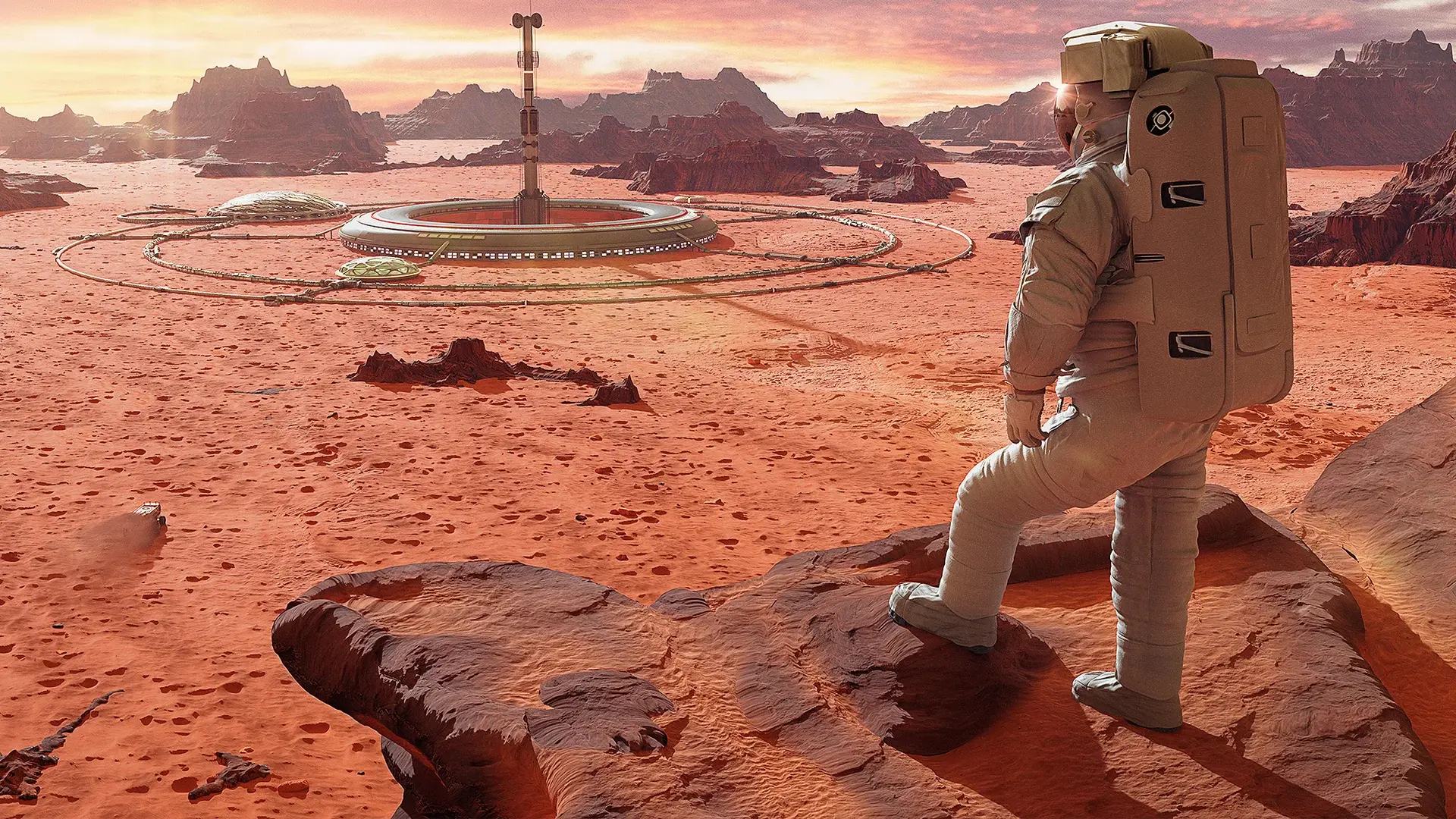
Building a permanent Mars base will combine robotics, bioengineering, and rigorous testing on Earth and space stations. Collaborative international effort and private companies like SpaceX are key to making Mars a home.
)
)
)
)
)