Can Saudi Arabia and Pakistan together beat India in a war? Here’s why not

Pakistan faces economic instability, political turmoil, and a fragile economy, limiting its ability to sustain a long war. Even with Saudi financial backing, Islamabad struggles to maintain extended military campaigns against India.
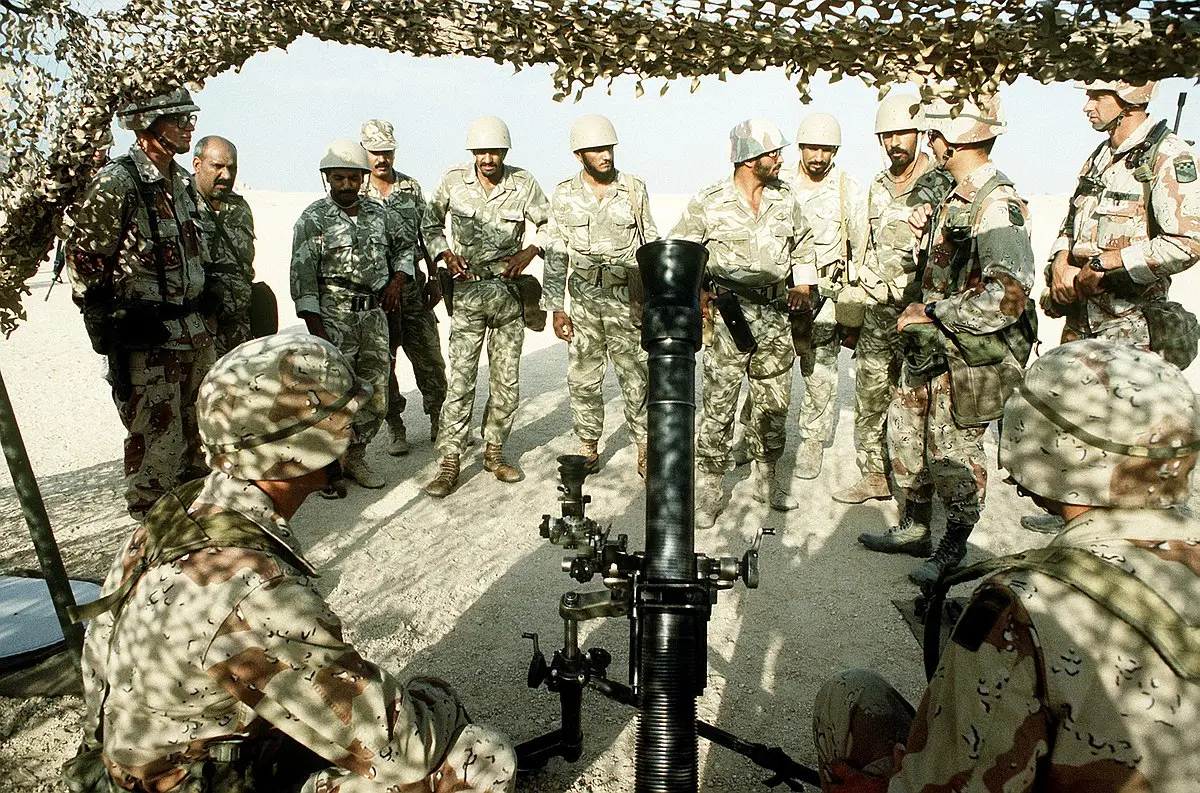
1. India’s Military Superiority
India fields a larger and more advanced army, navy, and air force than both Saudi Arabia and Pakistan combined. With nuclear capabilities and growing indigenous weapons production, New Delhi has a decisive edge in any prolonged conflict.
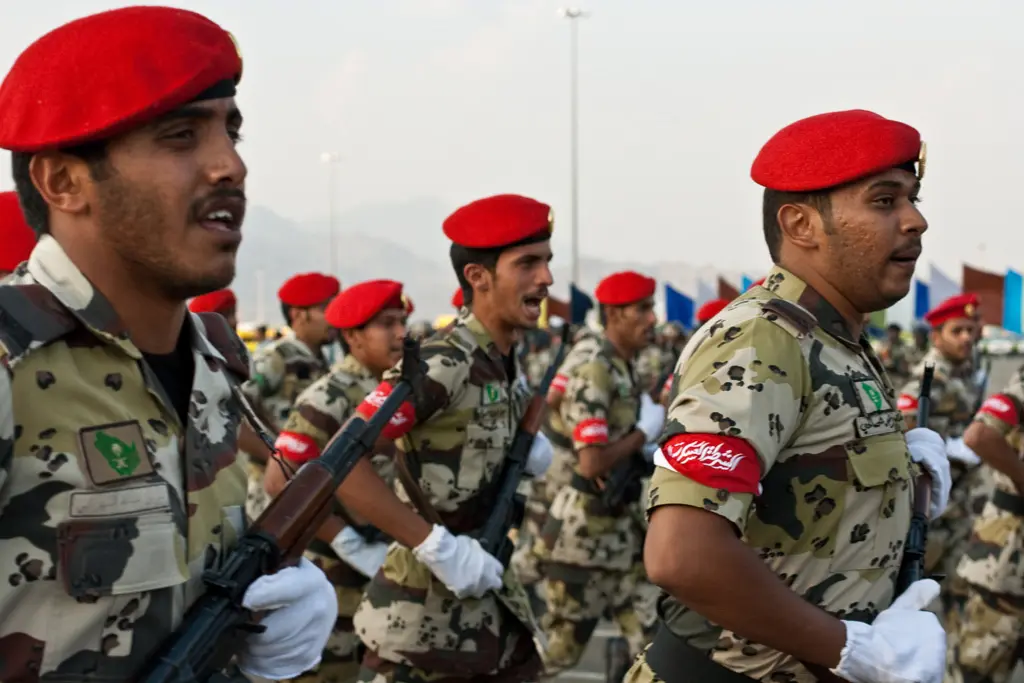
2. Pakistan’s Internal Weakness
Pakistan faces economic instability, political turmoil, and a fragile economy, limiting its ability to sustain a long war. Even with Saudi financial backing, Islamabad struggles to maintain extended military campaigns against India.
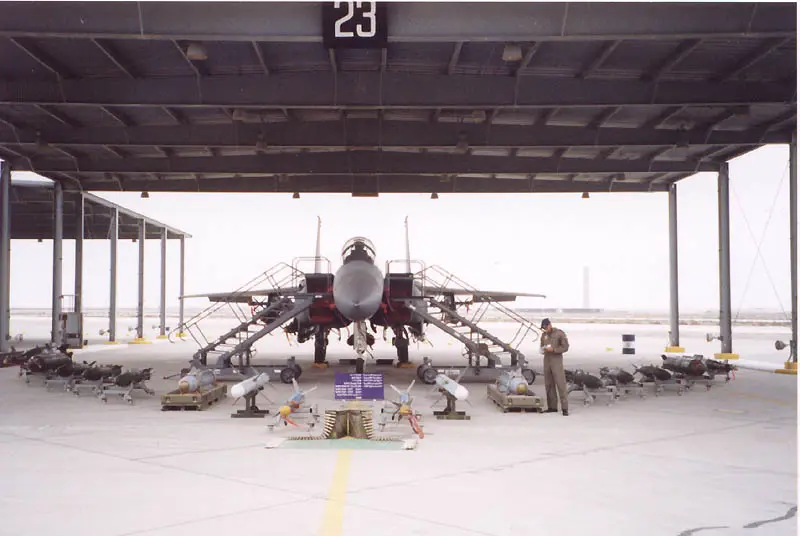
3. Saudi Arabia’s Limited Combat Record
Despite heavy spending on arms, Saudi Arabia’s military has little real battlefield experience against powerful adversaries. Its struggles in Yemen highlight major weaknesses in strategy, coordination, and combat readiness.
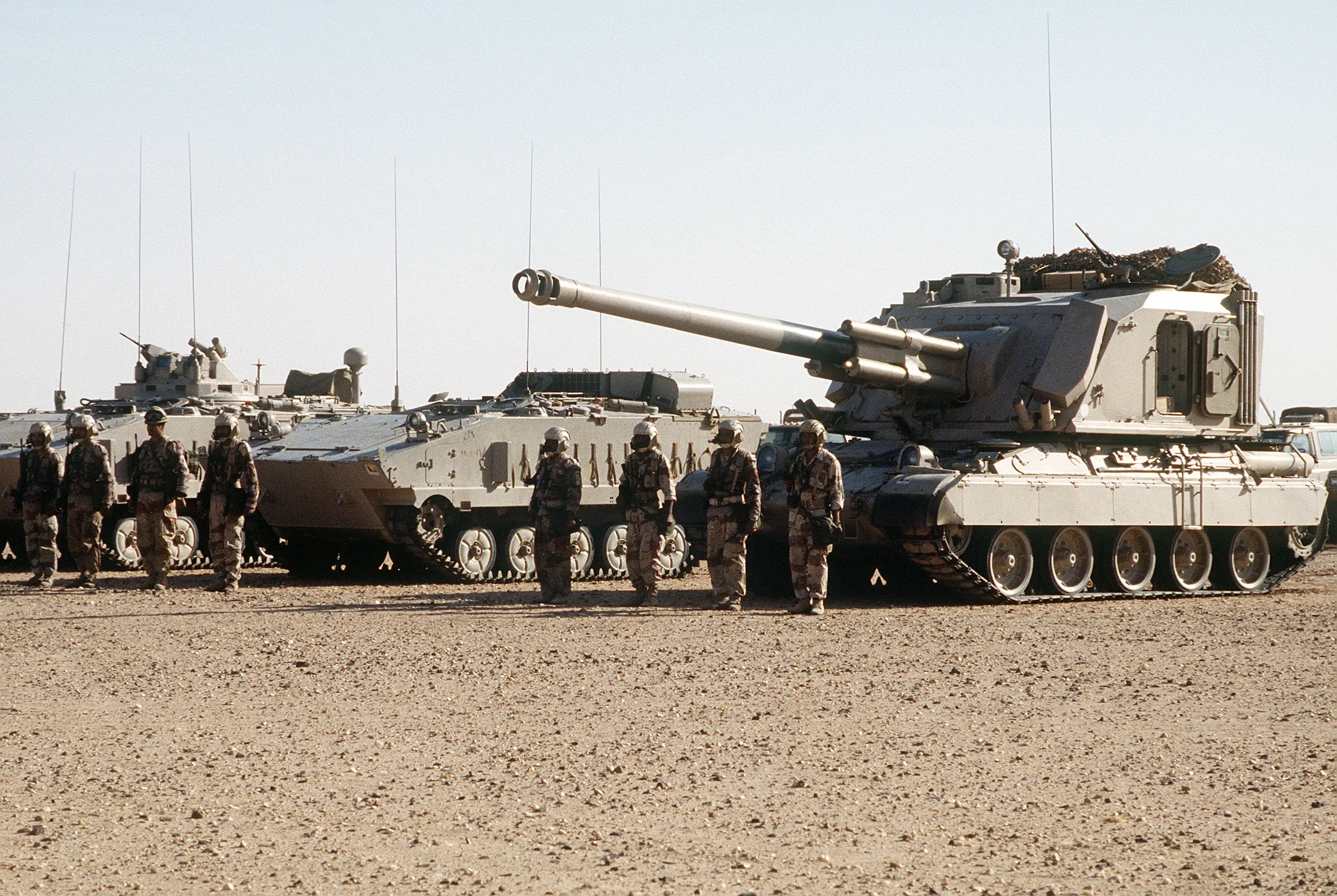
4. Geographic Disadvantage for Riyadh
Saudi Arabia is located far from the India–Pakistan border. Any deployment of troops, aircraft, or logistics would be slow and vulnerable. India’s navy could also threaten Saudi oil shipping lanes in the Arabian Sea, choking Riyadh’s war funding.
5. India’s Strategic Partnerships
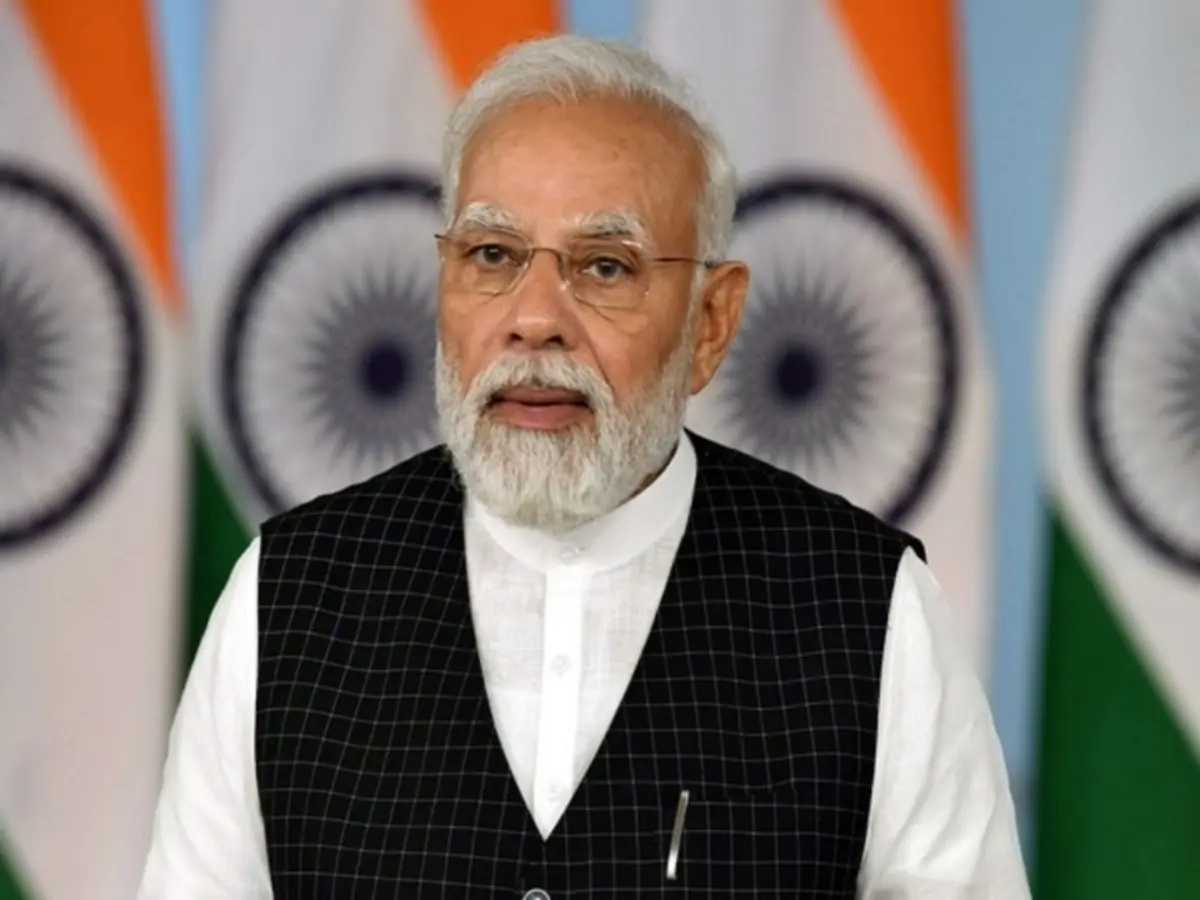
India enjoys strong ties with the US, Russia, France, and Israel, ensuring access to advanced weapons, intelligence, and diplomatic cover. These partnerships would counterbalance any Saudi–Pakistan alliance quickly.
6. Diaspora & Oil Leverage Factor
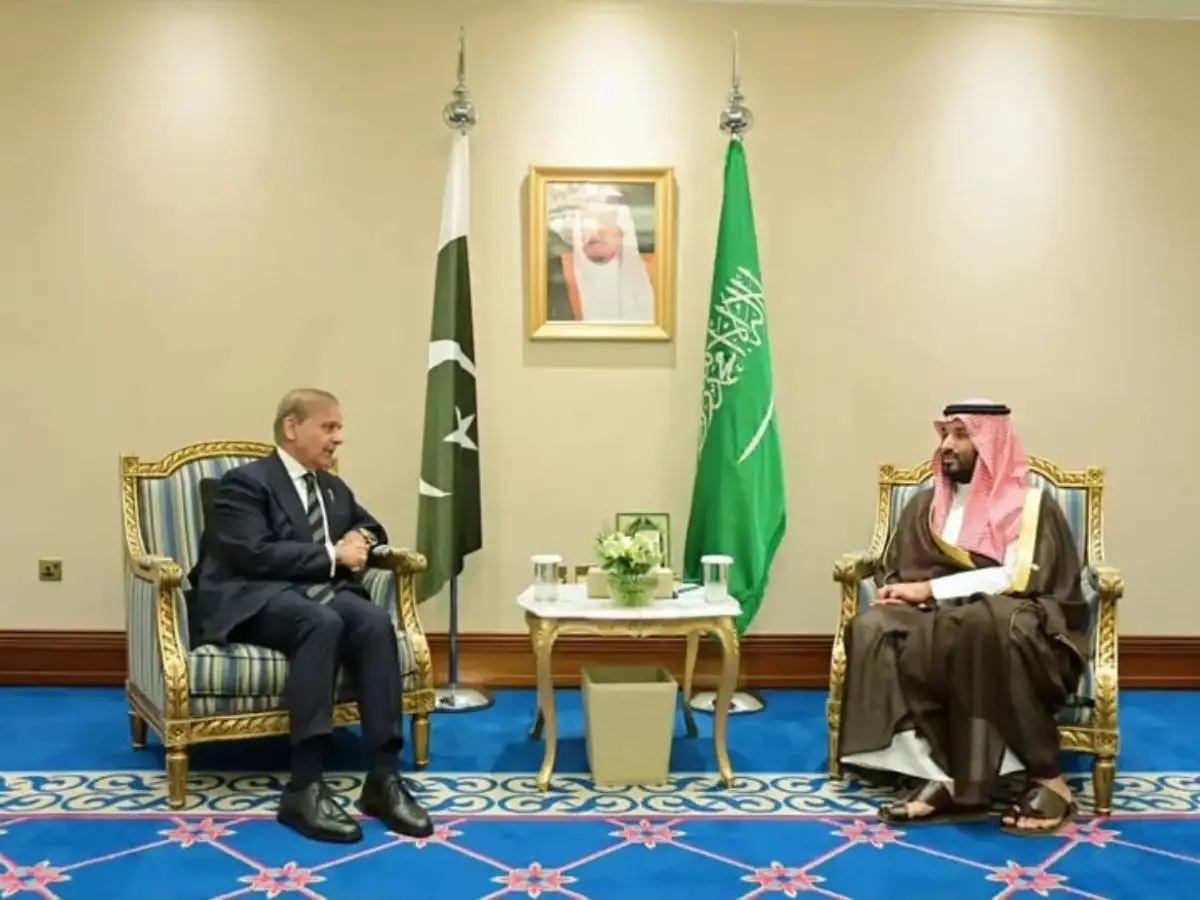
India’s massive diaspora in the Gulf and its status as one of Saudi Arabia’s largest oil buyers act as deterrents. Riyadh would hesitate to go “all in” against New Delhi, fearing economic retaliation and labor disruptions.
7. Risk of Nuclear Escalation
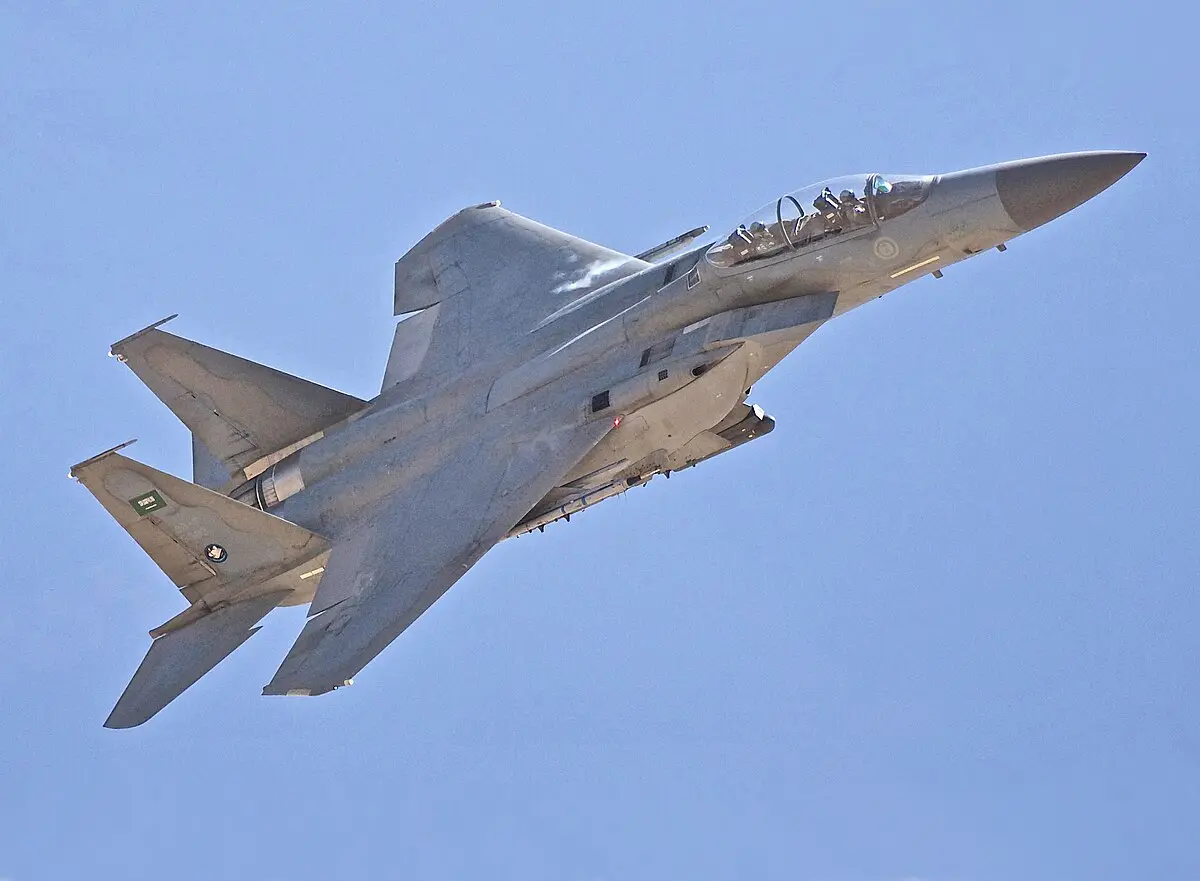
Both India and Pakistan are nuclear powers. Any Saudi involvement risks triggering nuclear escalation, a scenario Riyadh cannot afford, as its oil fields and cities are highly vulnerable to missile strikes.
)
)
)
)
)