Can Russia's S-400 Or China's missiles actually shoot down a B-52? Here is how the old bomber stays alive

The B-52 is not a stealth aircraft. Modern radar systems can track it from hundreds of miles away. Russia's S-400 and China's HQ-9 surface-to-air missile systems are specifically designed to engage large aircraft at long range. So how does a 70-year-old, non-stealthy bomber survive in a world with these weapons — and would it even try to fly into range of them?
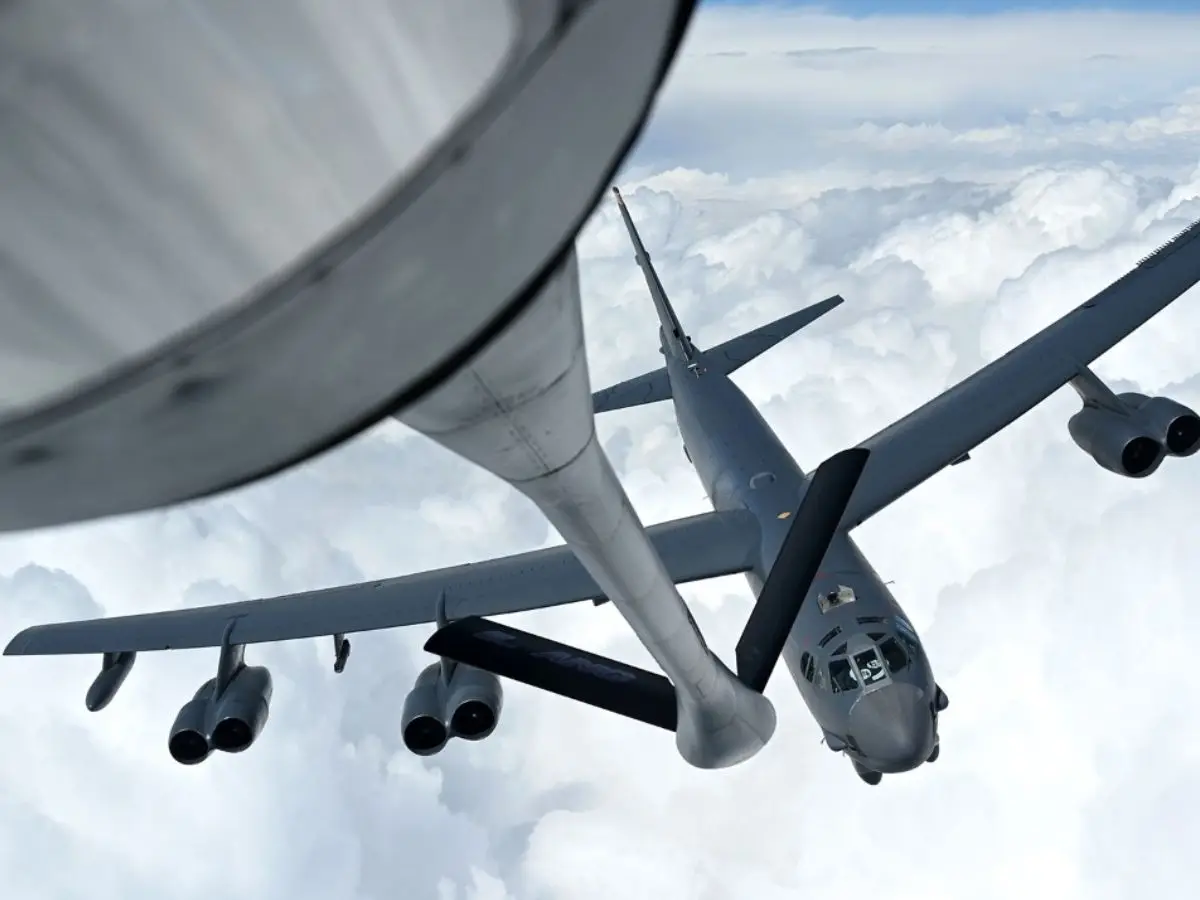
The B-52 Is Not Invisible And Never Was
Unlike the B-2 Spirit or the B-21 Raider, the B-52 has no meaningful stealth characteristics. Its enormous airframe — 185-foot wingspan, eight engines — creates a large radar signature that modern air defence systems can detect from well over 200 miles away. Any adversary with a functional air defence network will know a B-52 is coming long before it arrives. This is not a flaw that can be fixed. It is a fundamental characteristic of the aircraft's design.
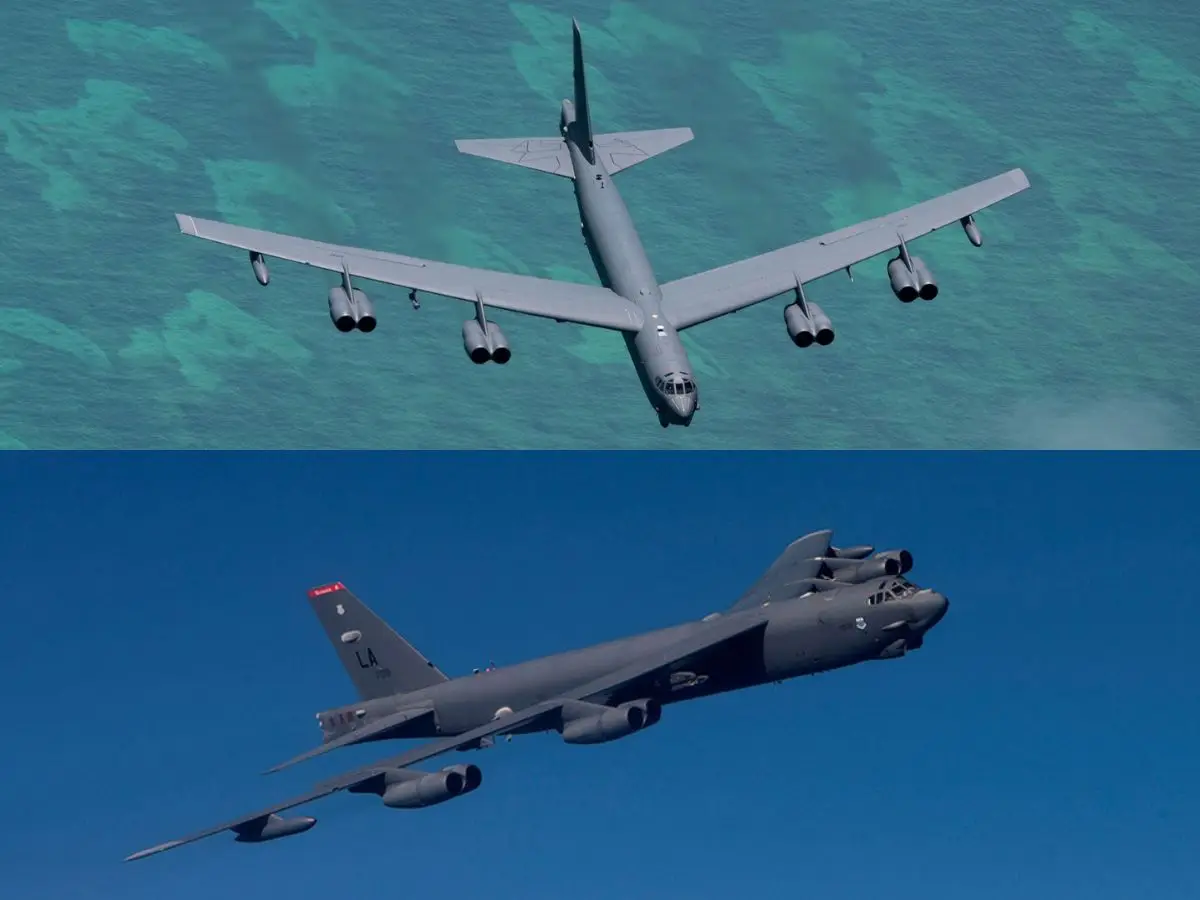
What The S-400 Can Actually Do
Russia's S-400 Triumf is a long-range surface-to-air missile system with a maximum engagement range of approximately 250 miles against large aircraft. It can track multiple targets simultaneously, engage them at altitudes up to 100,000 feet, and fire missiles that travel at over Mach 6. Against a B-52 flying a direct approach at cruise altitude, the S-400 would have a significant engagement window. China's HQ-9 system has comparable capabilities. Flying a B-52 directly into either system's defended zone would be suicidal.
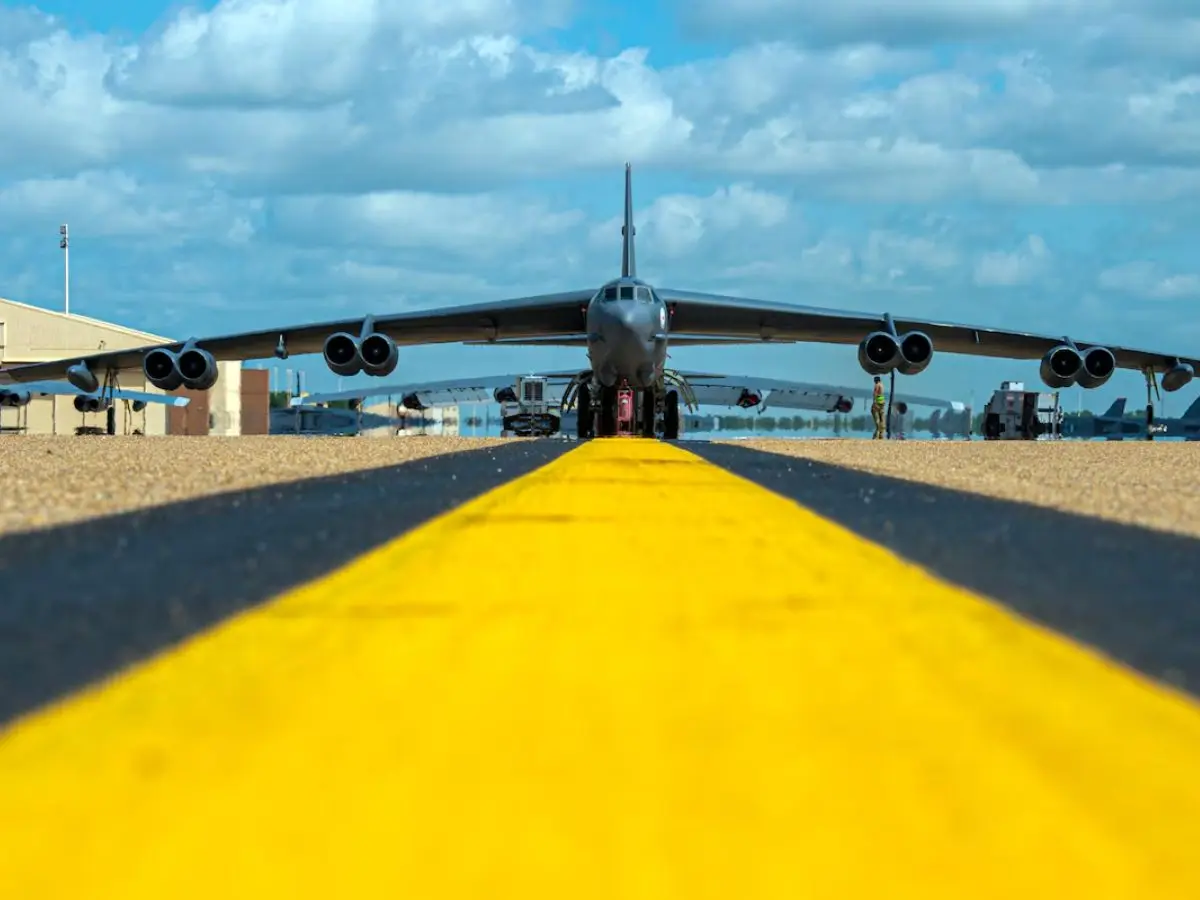
The Answer: Don't Fly Into The Defended Zone
The B-52's primary response to advanced air defences is to not enter them. The AGM-86 cruise missile has a range of over 1,500 miles. The JASSM-ER has a range of over 500 miles. The B-52 can launch these weapons from positions far outside the engagement envelope of any known surface-to-air missile system, turn around, and return to base. The aircraft never has to come within range of a threat it cannot evade. Standoff range, not stealth, is the B-52's survival strategy.
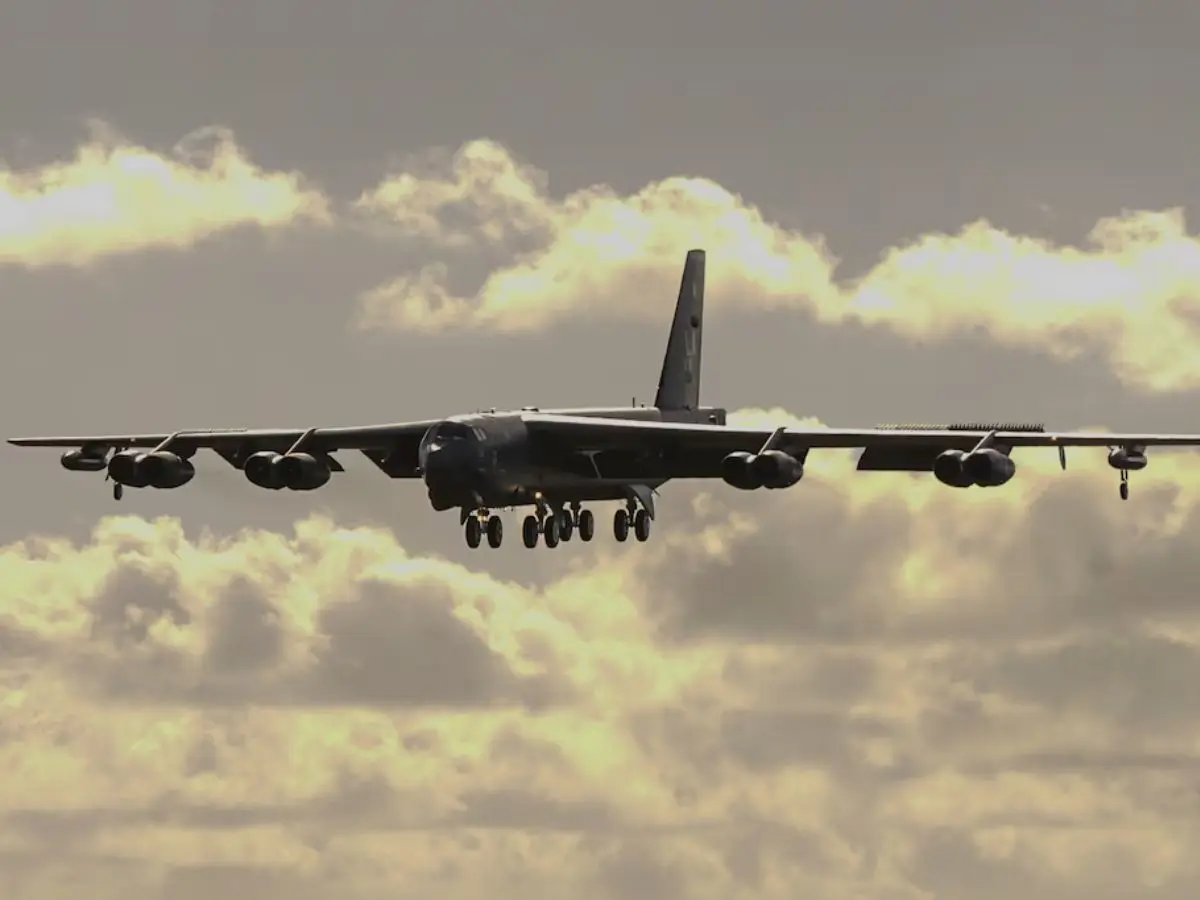
Electronic Warfare: Jamming The Eyes Of The Defence
The B-52 carries an active electronic warfare suite designed to jam enemy radar systems, disrupt communications, and degrade the ability of air defence networks to track and engage it. This does not make the B-52 invisible, but it degrades the quality and reliability of the targeting data available to missile systems. Combined with standoff launch distances, electronic jamming reduces the risk of engagement further — though it does not eliminate it in heavily contested environments.
Cruise Missiles That Can Evade Defences Themselves
The weapons the B-52 launches are not passive objects. Modern cruise missiles use terrain-following flight profiles — flying at very low altitudes to avoid radar detection — combined with evasive routing algorithms that avoid known air defence positions. A cruise missile flying at 50 feet above the ground, following terrain contours, is a far harder target for an S-400 than the B-52 that launched it from 500 miles away. The bomber stays safe. The weapon does the dangerous work.
Where The B-52 Would Actually Be Vulnerable
The B-52's vulnerability window is real but narrow. During takeoff and landing, it is within range of any adversary capable of striking the base. During the transit to and from its launch position, it must stay outside the expanding engagement ranges of modern systems. And if standoff weapons run out and direct attack becomes necessary — which would only occur in a scenario where stealth aircraft have already suppressed defences — the B-52 would require fighter escort and suppression support to survive.
The Strategic Calculation That Keeps It Relevant
The B-52's survivability is not measured by whether it can fly through an S-400 engagement zone. It is measured by whether it can deliver its weapons to their targets while staying outside that zone. The answer, with current cruise missile ranges, is yes — against almost any current air defence architecture. The moment a new system extends engagement range to 1,500 miles or beyond, the calculus changes. Until then, the old bomber's standoff reach keeps it relevant in any conflict where the US has not already destroyed the adversary's air defences.
)
)
)
)
)