Can Russia's S-500 defence system give India anti-satellite capability? Here’s a fact check

Even if the S-500 reaches around 200 km, most satellites orbit above 300–500 km. The system could theoretically threaten only very-low-orbiting satellites, and even then, only if they pass directly over the defended area. That limits any practical anti-satellite envelope.
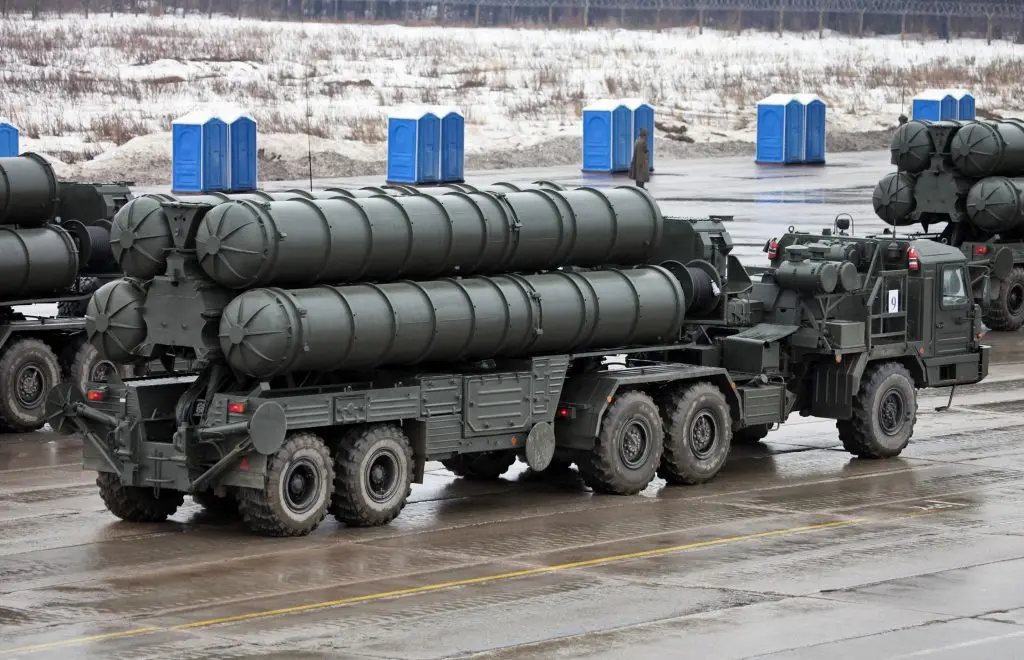
1. Russia claims the S-500 can engage targets in “near-space”
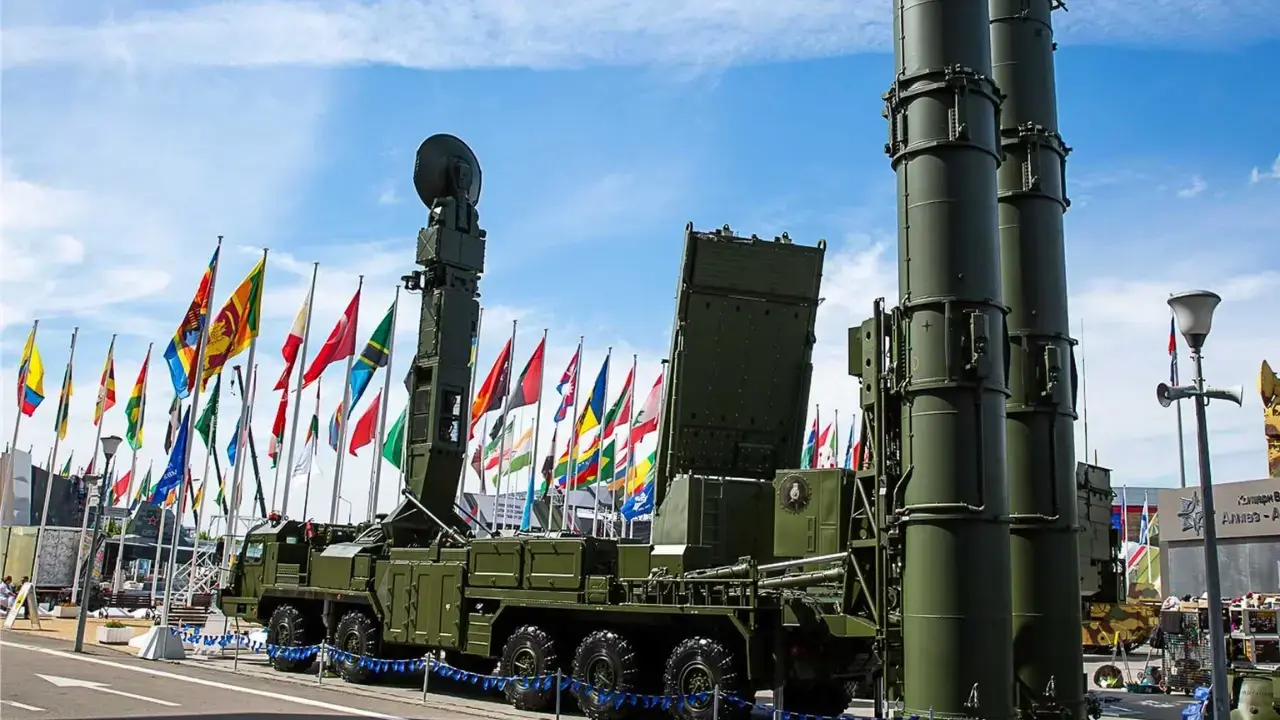
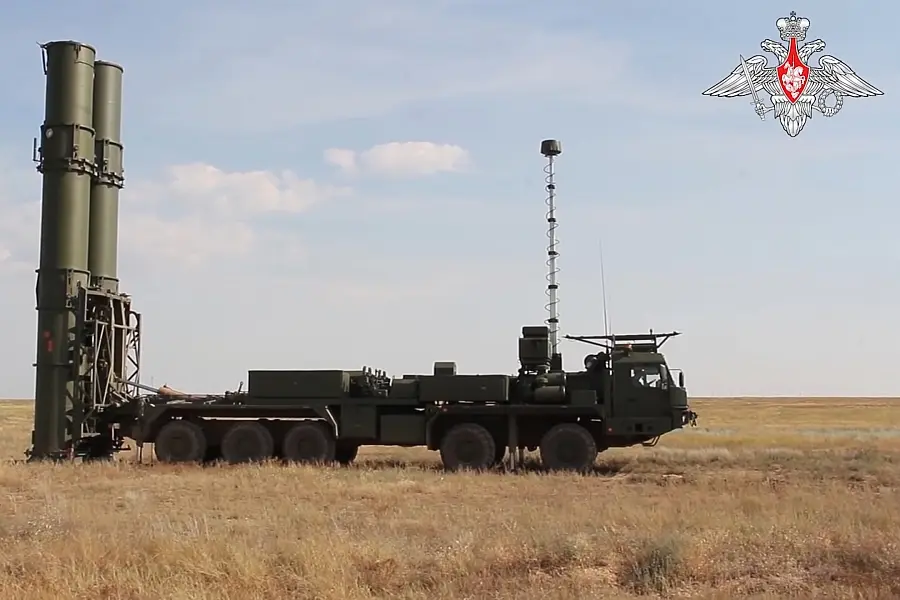
Russian officials describe the S-500 “Prometey” as capable of intercepting ballistic missiles, hypersonic weapons and even low-orbit objects. Its advertised intercept altitude, often quoted between 100–200 km, overlaps with the lower edge of Low Earth Orbit (LEO). This is where some satellites briefly pass.
2. Anti-satellite capability is more complex than high-altitude missile defence
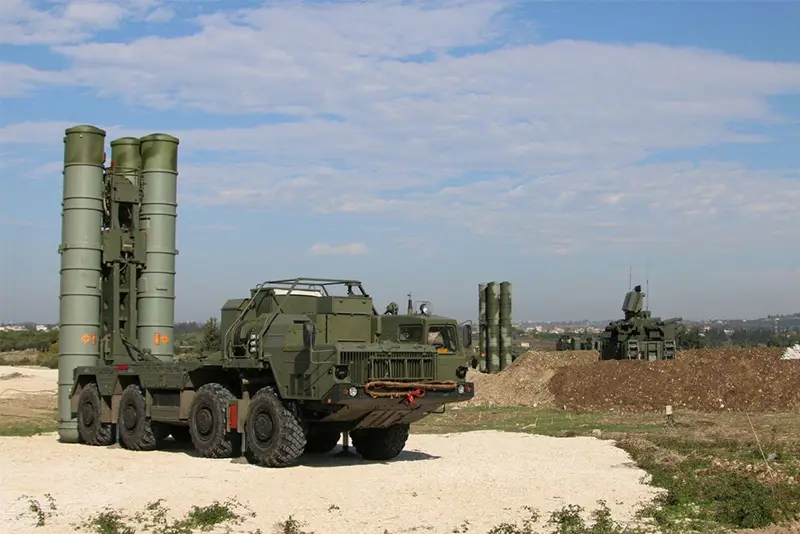
Intercepting a satellite requires the ability to track a fast-moving orbital object, calculate its trajectory precisely and time an interceptor to meet it. Although the S-500’s radar is more advanced than the S-400’s, ASAT interception demands a dedicated tracking, timing and guidance sequence, far more challenging than engaging a ballistic missile.
3. Only very-low LEO satellites fall within the S-500’s physical engagement zone
Even if the S-500 reaches around 200 km, most satellites orbit above 300–500 km. The system could theoretically threaten only very-low-orbiting satellites, and even then, only if they pass directly over the defended area. That limits any practical anti-satellite envelope.
4. Russia has suggested ASAT potential, but independent evidence is limited
Russian media and defence officials have hinted that the S-500 may have “anti-satellite functions.” However, there is no independently verified test showing the S-500 destroying a satellite. Western and academic analysts treat ASAT claims as unverified and caution against assuming operational capability.
5. A kinetic ASAT intercept would create dangerous space debris
Even if the S-500 could hit a satellite, doing so would generate debris that could threaten India’s own satellites and space assets. ASAT actions are considered highly escalatory, politically sensitive and risky for the global space environment. Technical capability does not automatically translate into operational use.
6. For India, S-500 import doesn’t equal instant ASAT capability
If India acquires the S-500, it will gain a higher-altitude missile-defence layer, useful against ballistic and hypersonic threats. But ASAT capability would require special software modes, tracking integration with India’s space command and political authorisation. Nothing about the system provides “automatic” ASAT power.
7. Verdict: S-500 offers limited ASAT-relevant potential — not a full anti-satellite weapon
Factually, the S-500’s high-altitude envelope and advanced radar give it some overlap with low-orbit space. But:
• it cannot reach most satellites
• there is no proven ASAT test
• operational use is highly complex
• India would not gain a full ASAT weapon simply by buying S-500
The system offers partial, conditional, and unverified ASAT-adjacent capability — not a guaranteed anti-satellite tool.
)
)
)
)
)