Can pilots eject out of a B-52 bomber?

The B-52 Stratofortress features explosive ejection seats for all five crew members. While upper deck pilots eject upwards, lower deck navigators are blasted downwards. This downward trajectory makes low-altitude ejections incredibly lethal.Untitled Summary
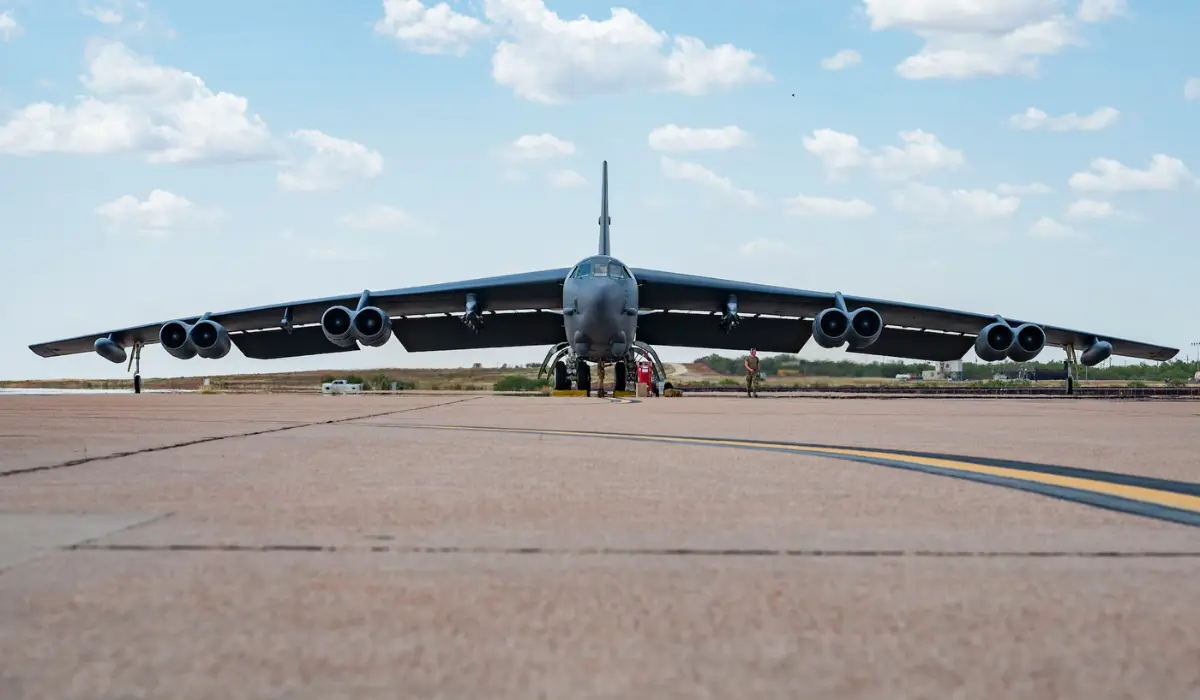
The Explosive Escape
The Boeing B-52 Stratofortress is equipped with explosive ejection seats for all five crew members during a catastrophic emergency. However, because the aircraft features a unique two-deck cabin layout, the escape sequence is dangerously unconventional.
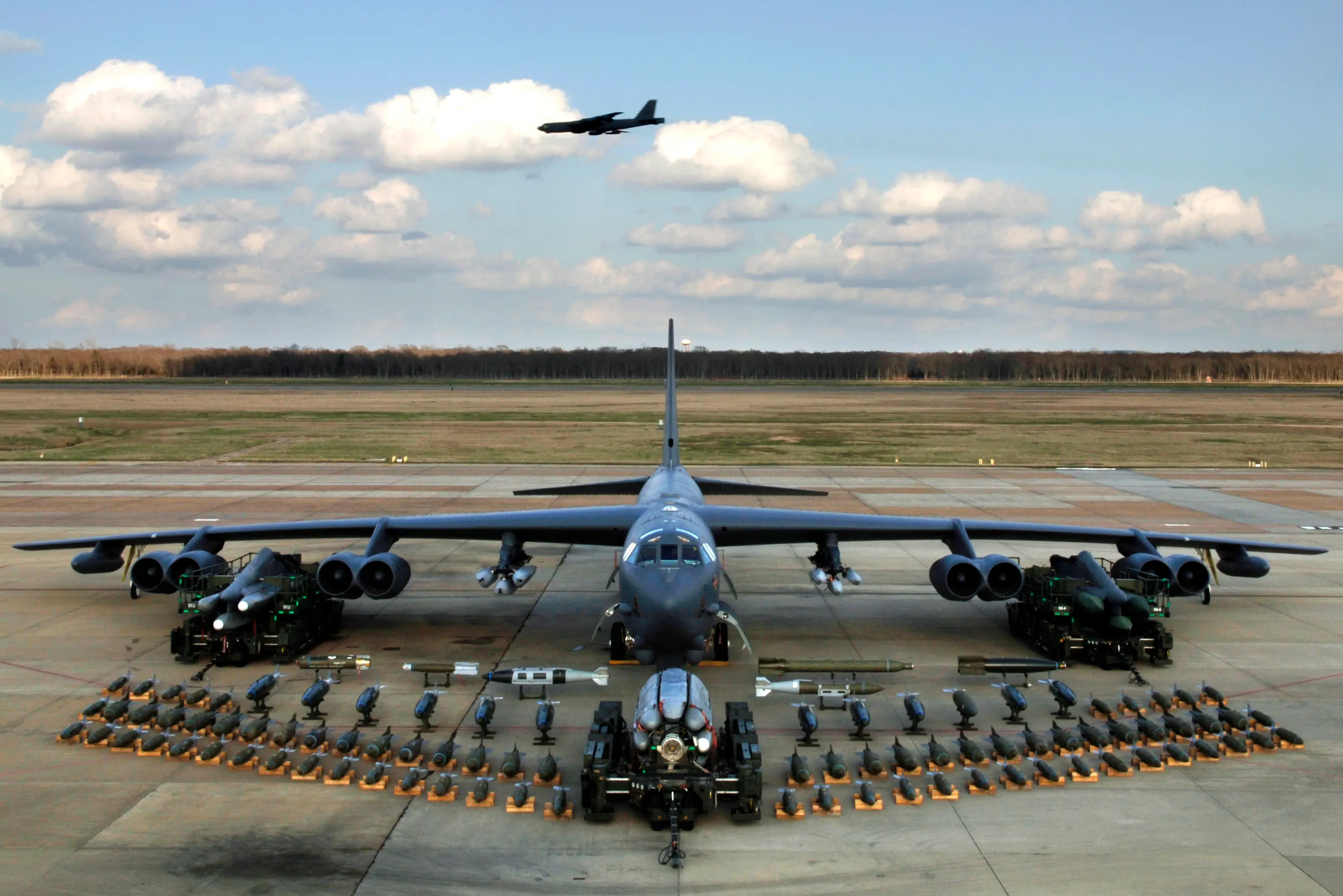
The Upward Ejection
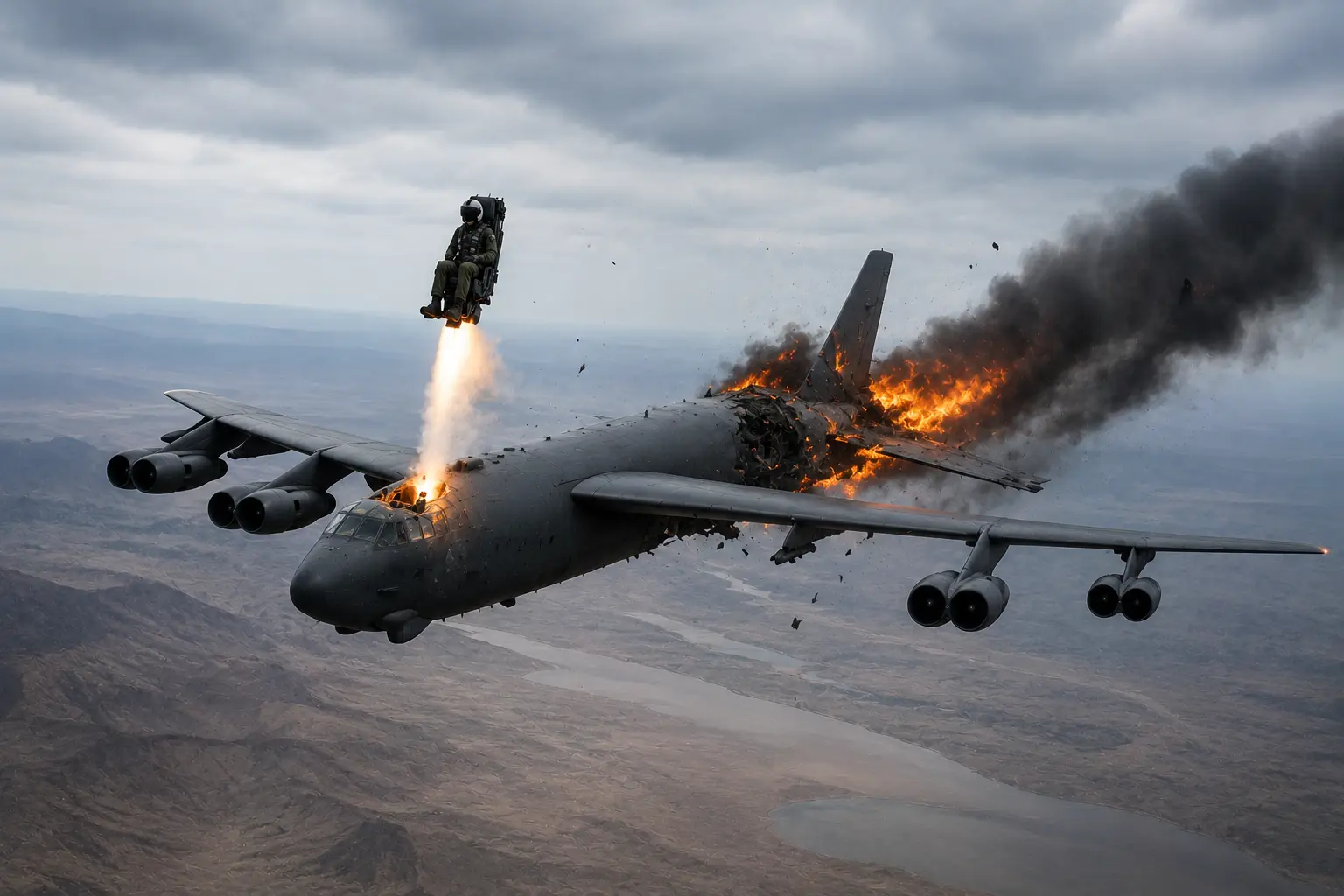
The aircraft commander, co-pilot, and electronic warfare officer are seated on the upper flight deck. When they pull the ejection handles, explosive bolts blow off the roof hatches, safely blasting these three crew members upward into the sky.
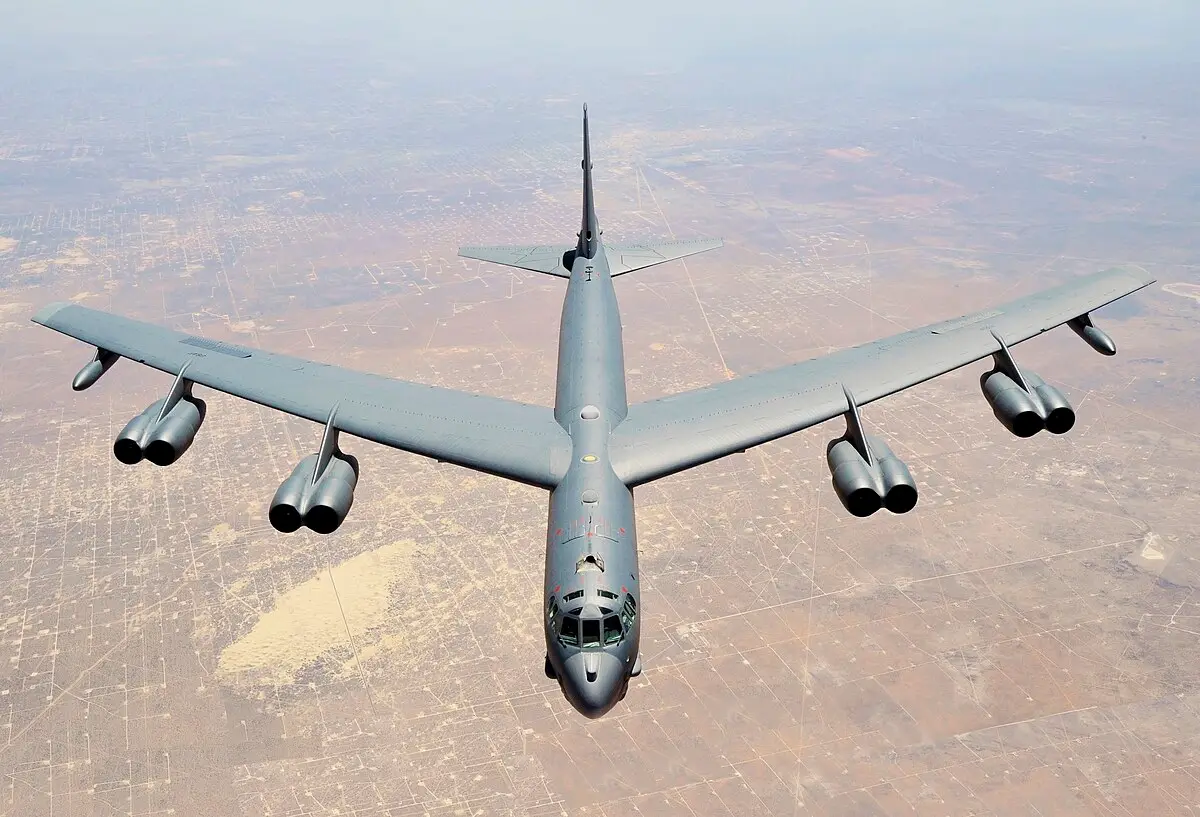
The Downward Danger
The navigator and radar navigator operate in a windowless compartment on the lower deck. Because they sit directly beneath the pilots, their ejection seats are engineered to fire completely downwards through explosive hatches in the aircraft's belly.
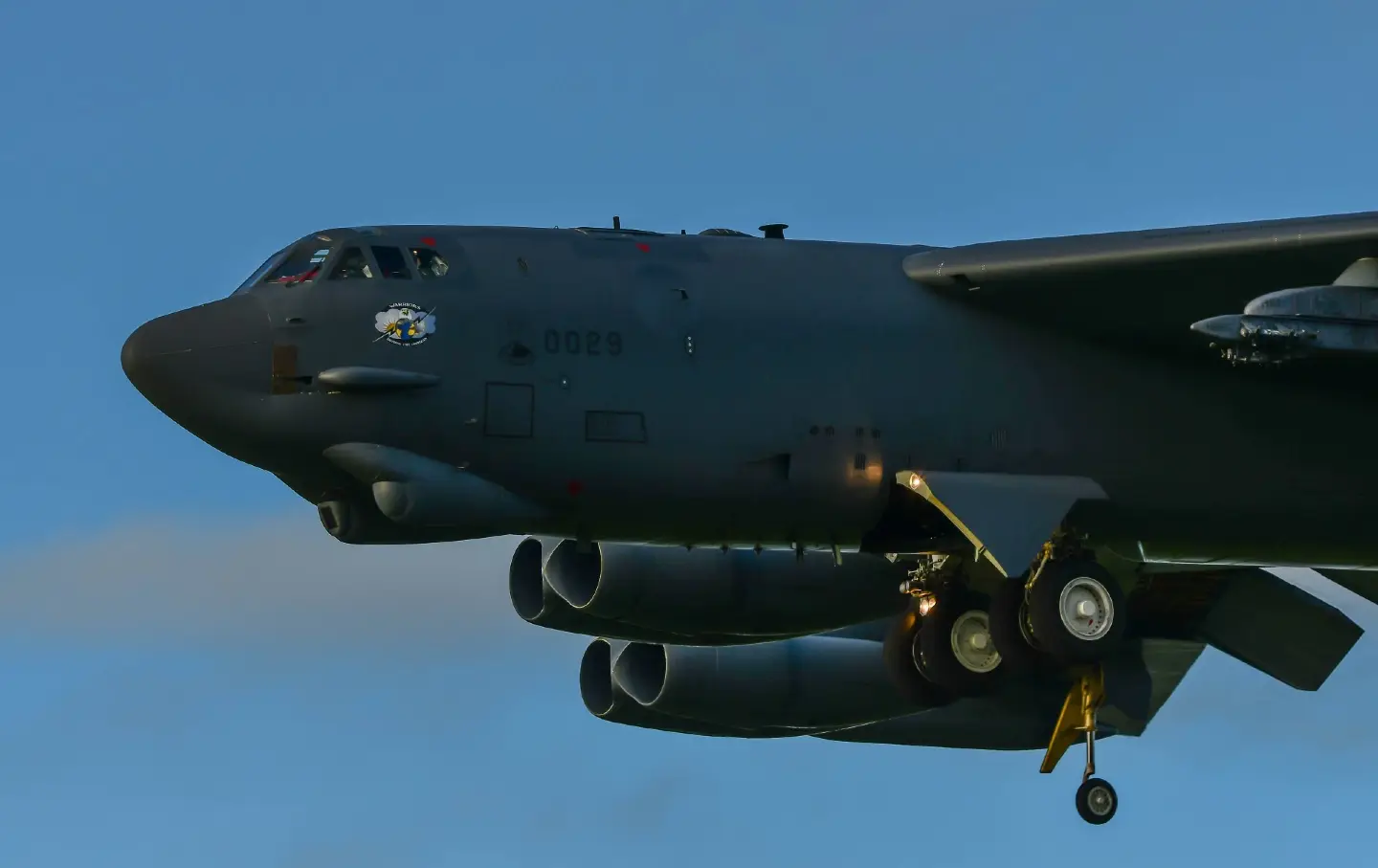
The Altitude Trap
Downward ejection is incredibly dangerous during takeoff or low-level flight operations. The lower deck crew requires a strict minimum altitude of at least 250 feet for gravity to allow their parachutes to safely deploy before striking the ground.
The Ejection Sequence
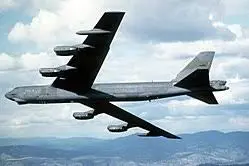
A full crew bailout must be carefully sequenced to prevent mid-air collisions between the ejecting seats. The navigator and radar navigator always fire first, followed by the electronic warfare officer, the co-pilot, and finally the aircraft commander.
The Lethal G-Forces
Ejecting from a USD 84 million bomber travelling at 650 miles per hour subjects the human body to brutal kinetic trauma. The crew endures crushing G-forces and freezing stratospheric temperatures, frequently resulting in severe spinal compression injuries.
250-foot safety threshold
If the bomber is severely damaged below the 250-foot safety threshold, the lower deck crew cannot safely eject. In these terrifying scenarios, they must remain strapped into the massive 390,000-pound aircraft while the pilots attempt a desperate crash landing.
)
)
)
)
)