Can nuclear engines replace fighter jet ‘JP-8’ fuel in future?

During the Cold War, the U.S. and USSR both attempted to build nuclear-powered aircraft. The US “Nuclear Powered Aircraft Project” even flew a modified bomber with a working onboard reactor but the reactor did not power the aircraft, it was only used for testing.
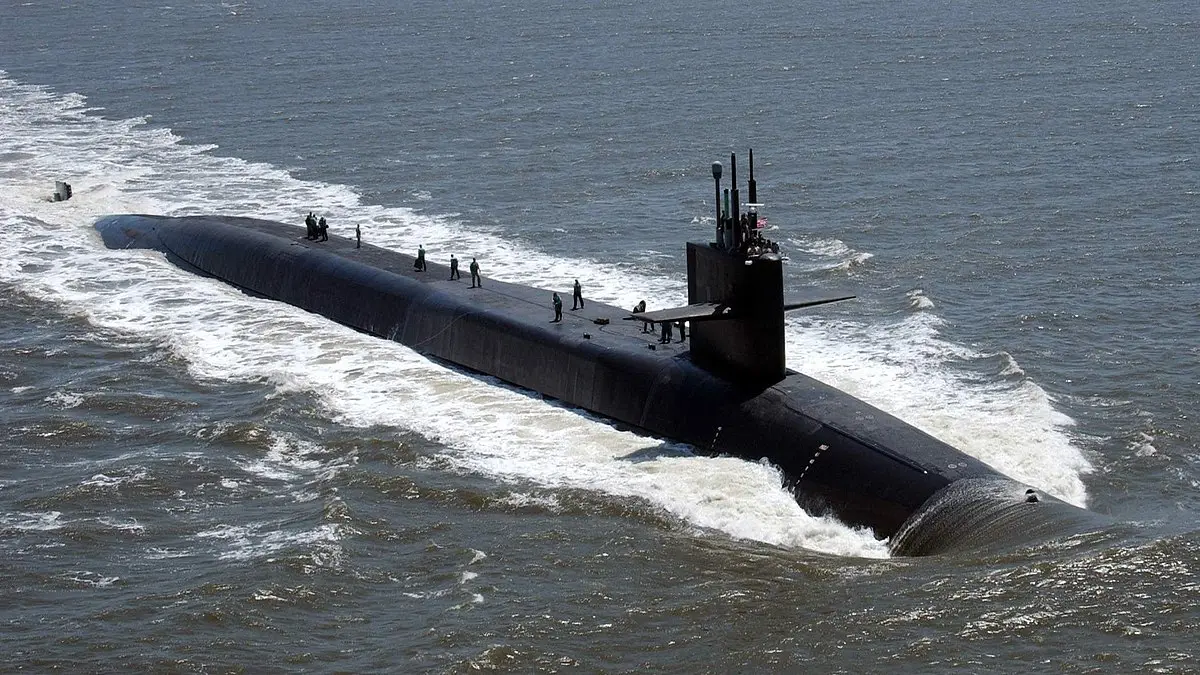
1. Nuclear Propulsion Works on Ships and Submarines — But Not Yet in Aircraft
Nuclear propulsion is already proven in submarines and aircraft carriers, where large reactors generate enormous power for years without refuelling. However, these vessels weigh tens of thousands of tonnes and have vast internal space to house heavy shielding. Fighter jets are the exact opposite: extremely light, compact machines that rely on weight-to-thrust flexibility. While nuclear engines theoretically offer limitless range, current technology makes them impractical for aircraft of any size, let alone agile fighter jets.
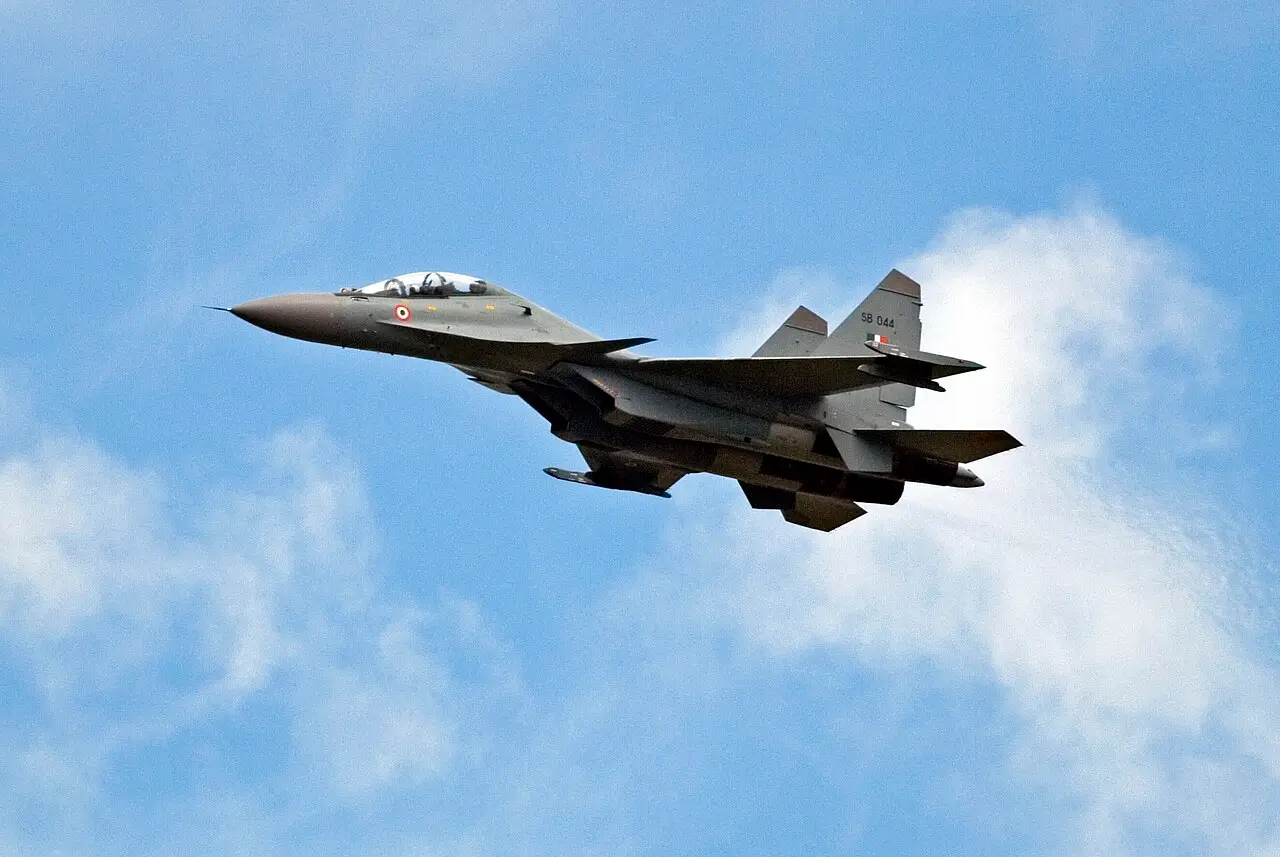
2. Past Attempts at Nuclear Aircraft Failed Because of Radiation Risks
During the Cold War, the U.S. and USSR both attempted to build nuclear-powered aircraft. The US “Nuclear Powered Aircraft Project” even flew a modified bomber with a working onboard reactor but the reactor did not power the aircraft; it was only used for testing. Engineers discovered the fatal problem: even with tons of shielding, radiation still leaked into the cockpit, and in an accident, the crash would spread radioactive fuel across the ground. That alone made nuclear propulsion a near-impossible risk for aviation.
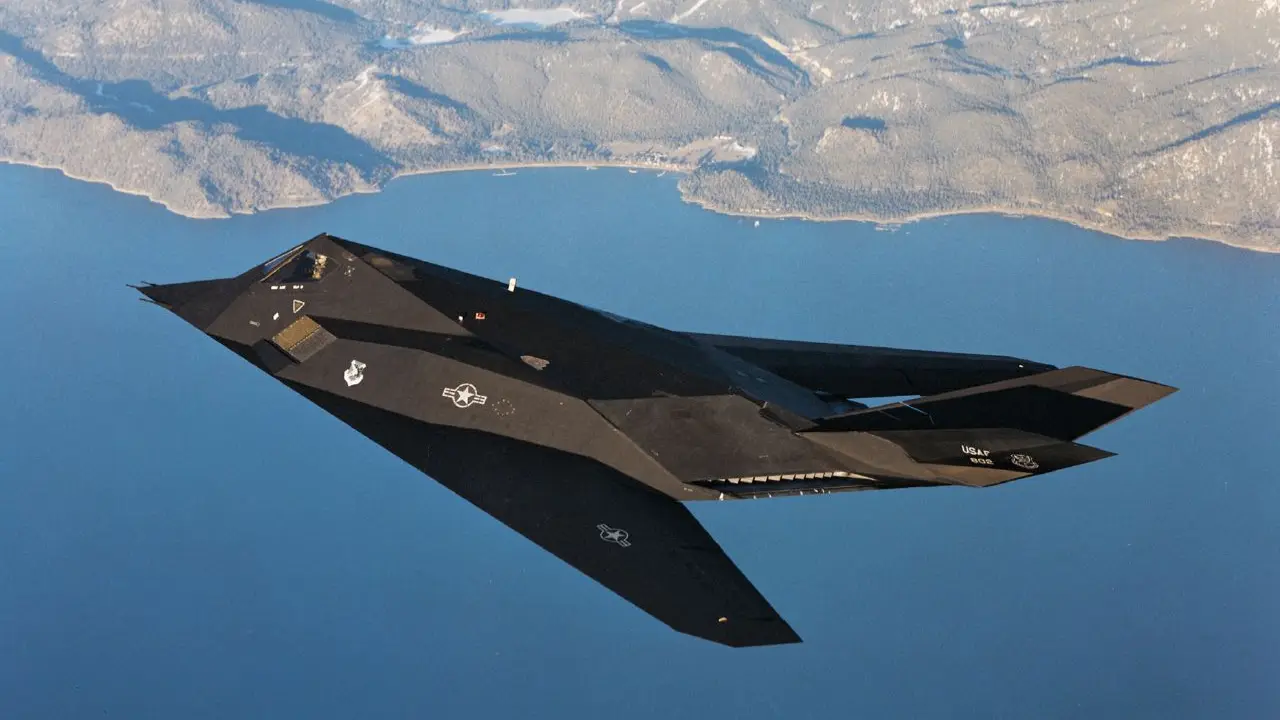
3. Fighter Jets Face Extreme G-Forces That Nuclear Reactors Cannot Handle
Fighter jets like F-16s, Sukhois or even future 6th-gen aircraft pull 7–9 G routinely. Any reactor, no matter how small, contains delicate fuel rods, control systems and coolant structures that cannot survive such violent manoeuvres. Nuclear reactors are built for stability, not violent, sudden directional changes. This fundamental mismatch makes it virtually impossible for a nuclear engine to replace JP-8 in high-performance combat jets.
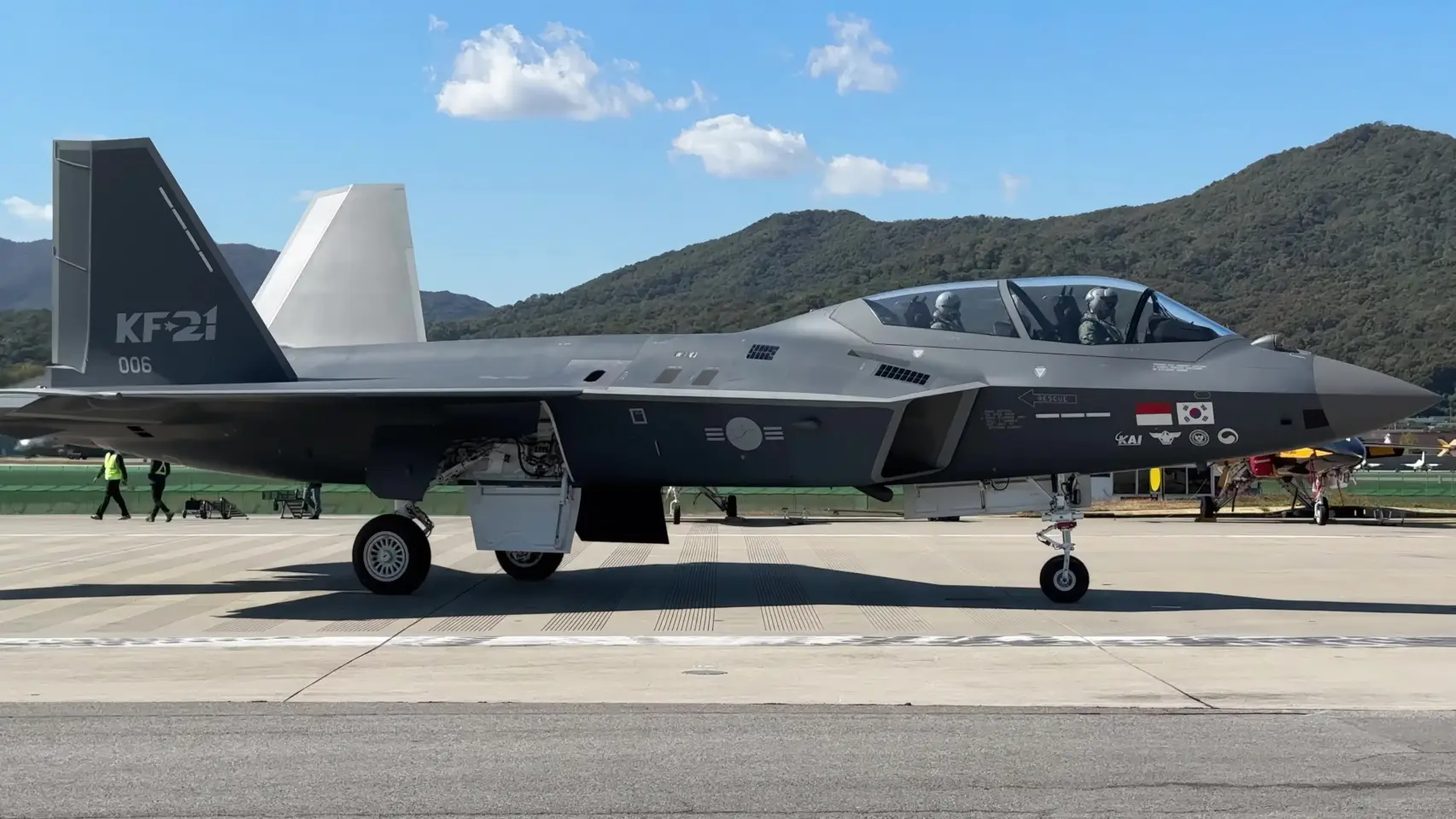
4. Nuclear Engines Are Far Too Heavy for Fighter Aircraft
Even the smallest experimental reactors weigh several tonnes and require metres of shielding to keep pilots alive. Fighter jet engines are designed to be compact and lightweight to maximise power. Replacing a jet turbine with a reactor would add thousands of kilograms of mass, making the aircraft unable to take off, manoeuvre or even remain structurally stable. Weight alone is the biggest deal-breaker for nuclear aircraft.
5. Nuclear Propulsion Makes Crash Risk Catastrophic
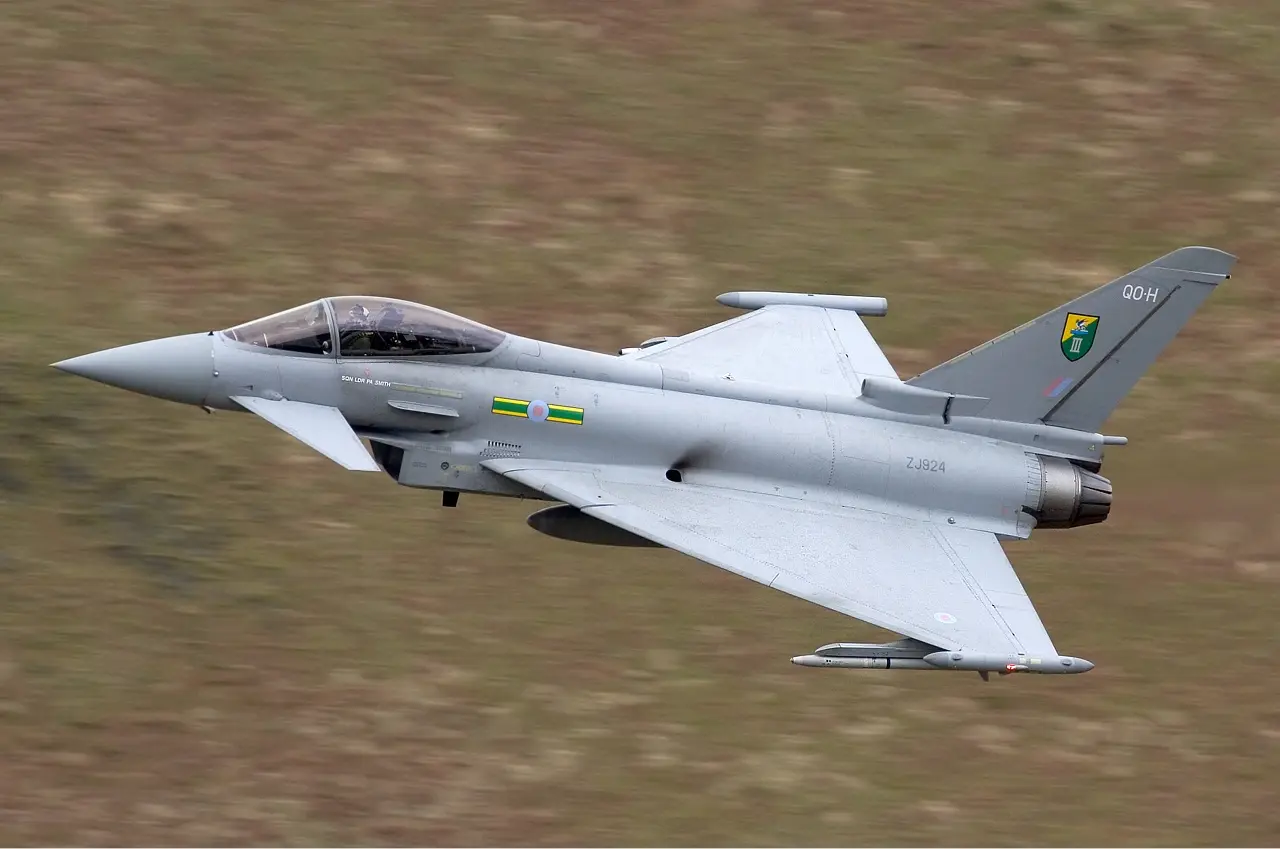
Modern fighters crash due to bird strikes, mechanical failures, pilot error or combat damage. A nuclear-powered fighter jet would turn every accident into a nuclear contamination event. No military in the world would accept this risk because a single crash inside friendly territory could render entire regions radioactive, collapse clean-up logistics, and create political emergencies. This safety risk eliminates nuclear propulsion as an option for manned tactical jets.
6. Mini-Nuclear Reactors Are Being Explored — But Not for Fighters
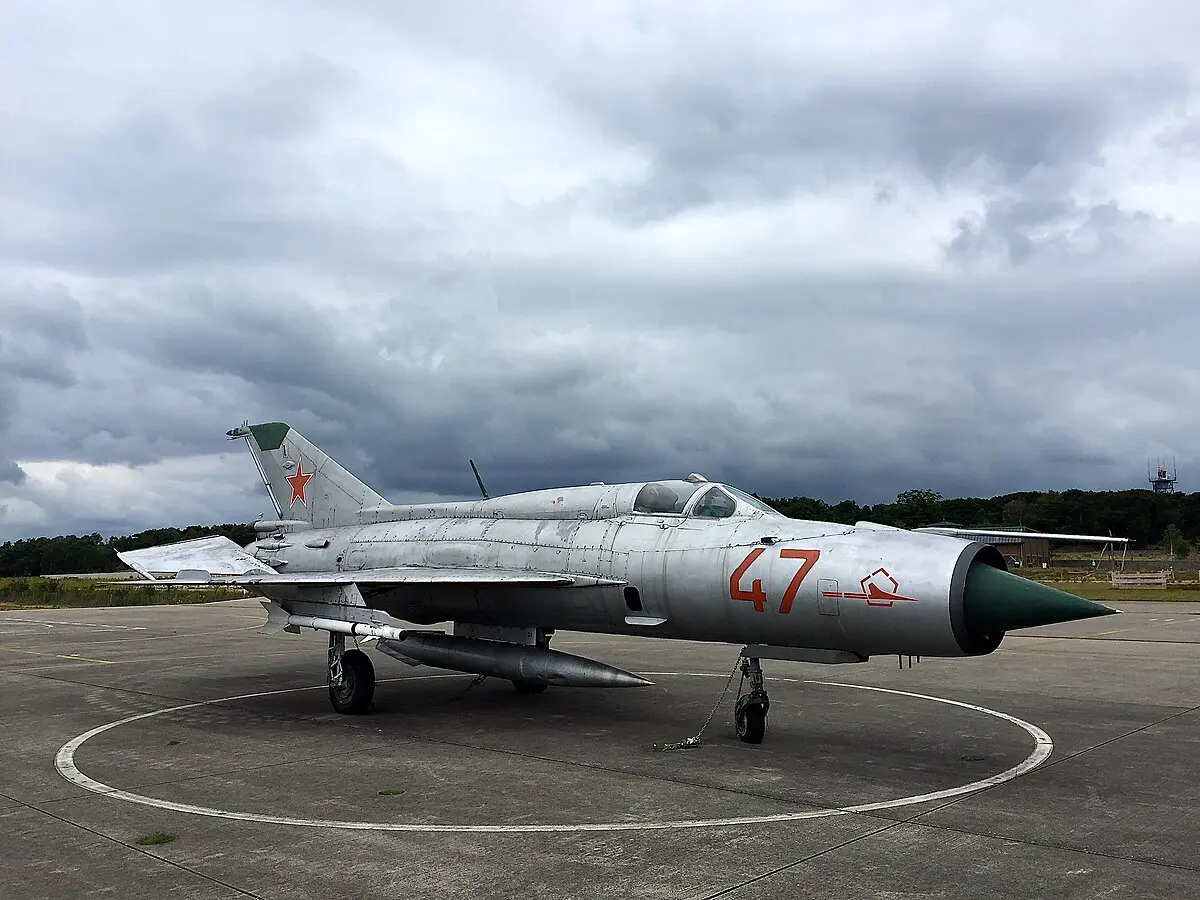
Defence research agencies are exploring “micro-reactors” the size of shipping containers for powering forward bases, drones or space missions. These are decades away from operational use and still far too heavy and unstable for aircraft. Experts believe nuclear propulsion may eventually appear in long-endurance drones or space vehicles but not in fighter jets that demand extreme manoeuvrability, rapid acceleration and high-G stresses.
7. Future Fighters Will Use Hybrid Electric, Alternative Fuels — Not Nuclear Reactors
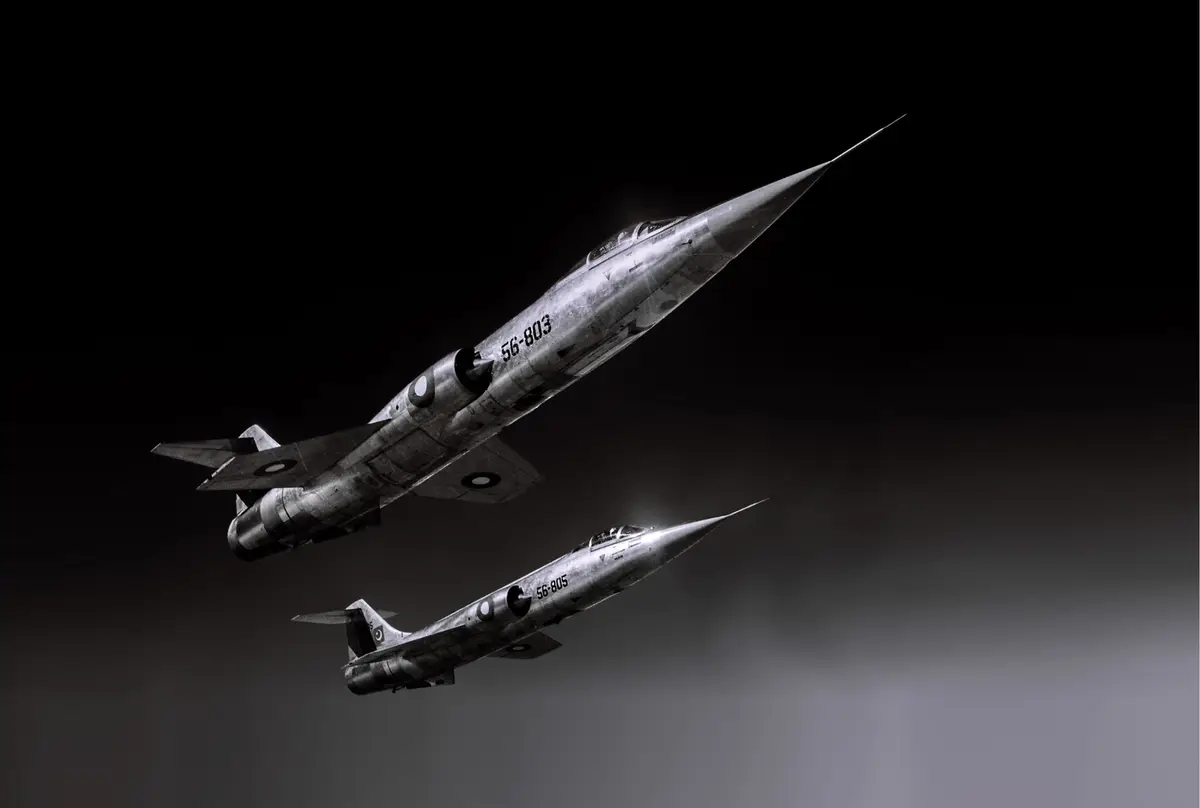
Aviation scientists predict that next-generation fighters may adopt more efficient engines, advanced fuels, electric-assist turbines or even hydrogen-based systems. These technologies reduce reliance on JP-8 while keeping aircraft safe and agile. Nuclear propulsion simply does not align with the structural, aerodynamic or safety requirements of fighter aircraft. So while JP-8 may eventually be replaced, the replacement will almost certainly not be nuclear.
Final Verdict
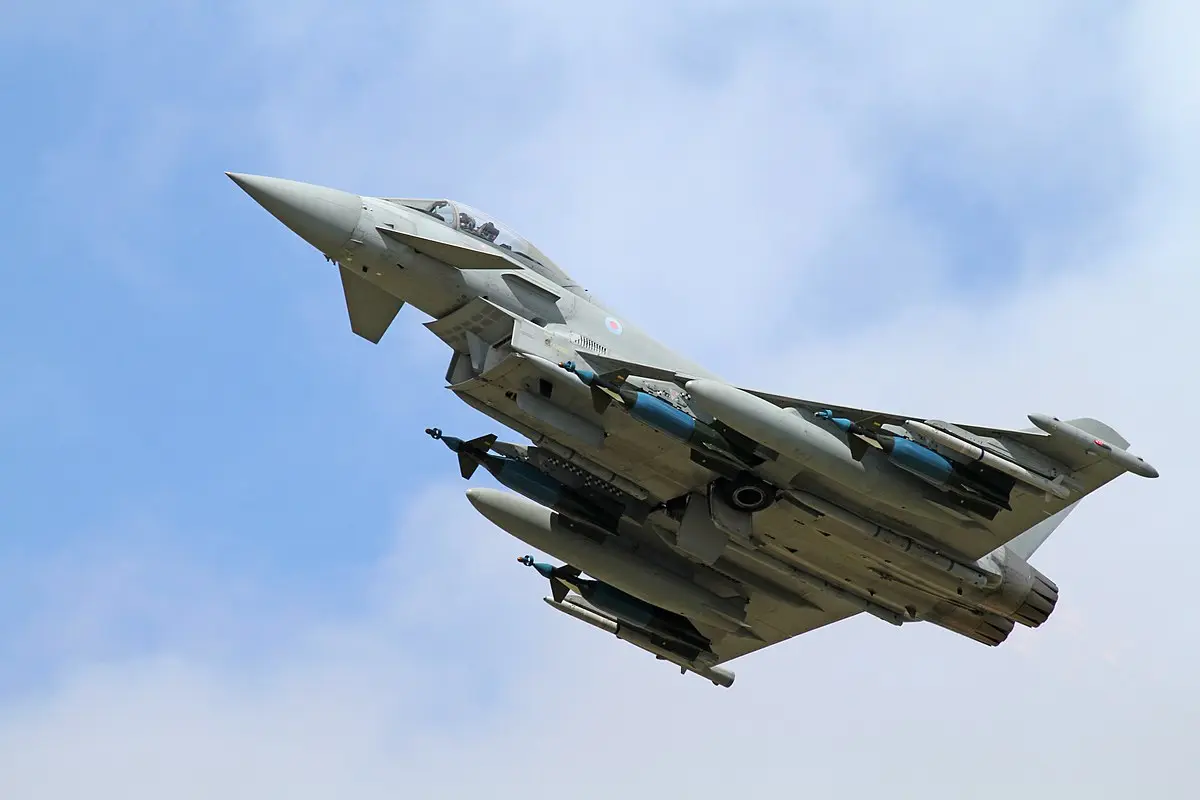
No, nuclear engines cannot replace JP-8 in fighter jets, now or in the foreseeable future. Weight, radiation, crash risk, manoeuvre limitations and safety concerns make nuclear propulsion fundamentally incompatible with fast, agile air combat platforms. The future of fighter aviation lies in cleaner fuels and advanced turbine technology — not airborne reactors.
)
)
)
)
)