Can it save Israel from an Iranian attack? Capabilities of David’s Sling system

Israel’s David’s Sling is a mid-tier air defence system capable of intercepting missiles up to 300 km away. Developed with the US, it uses hit-to-kill Stunner interceptors to stop cruise and ballistic missiles.

Mid-Tier Defence Shield
David’s Sling sits strategically between the Iron Dome and the Arrow systems in Israel’s multi-layered defence architecture. While Iron Dome targets short-range threats and Arrow focuses on atmospheric ballistic missiles, this system bridges the crucial gap. It is specifically engineered to neutralise threats that are too fast for Iron Dome but too slow for Arrow.

Range Of 300 Kilometres
The system provides a wide protective umbrella, capable of intercepting hostile targets at ranges between 40 km and 300 km. This extended operational range allows it to neutralise incoming threats well before they reach densely populated Israeli cities. Its coverage area is significantly larger than short-range systems, offering broader regional security.
The Stunner Interceptor
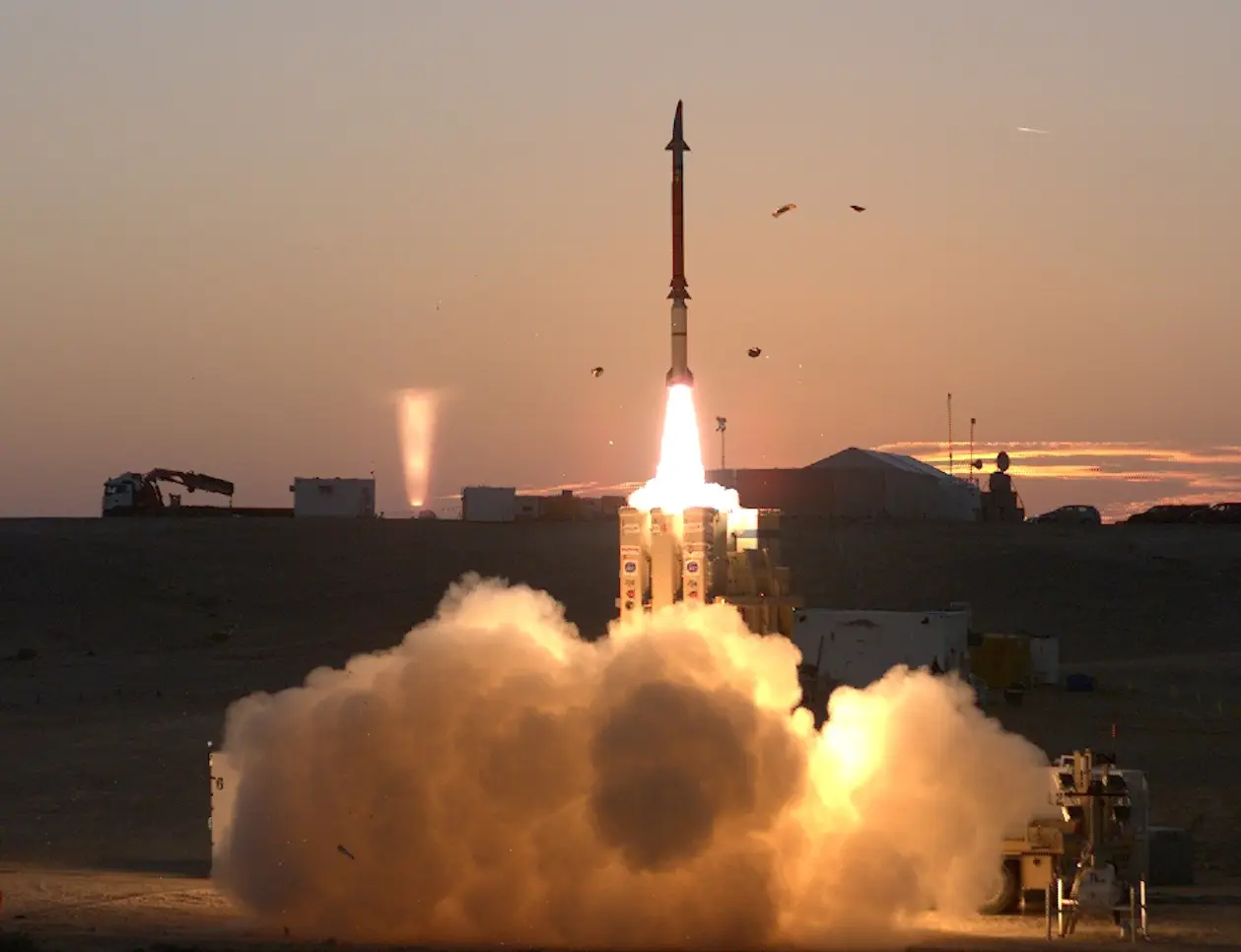
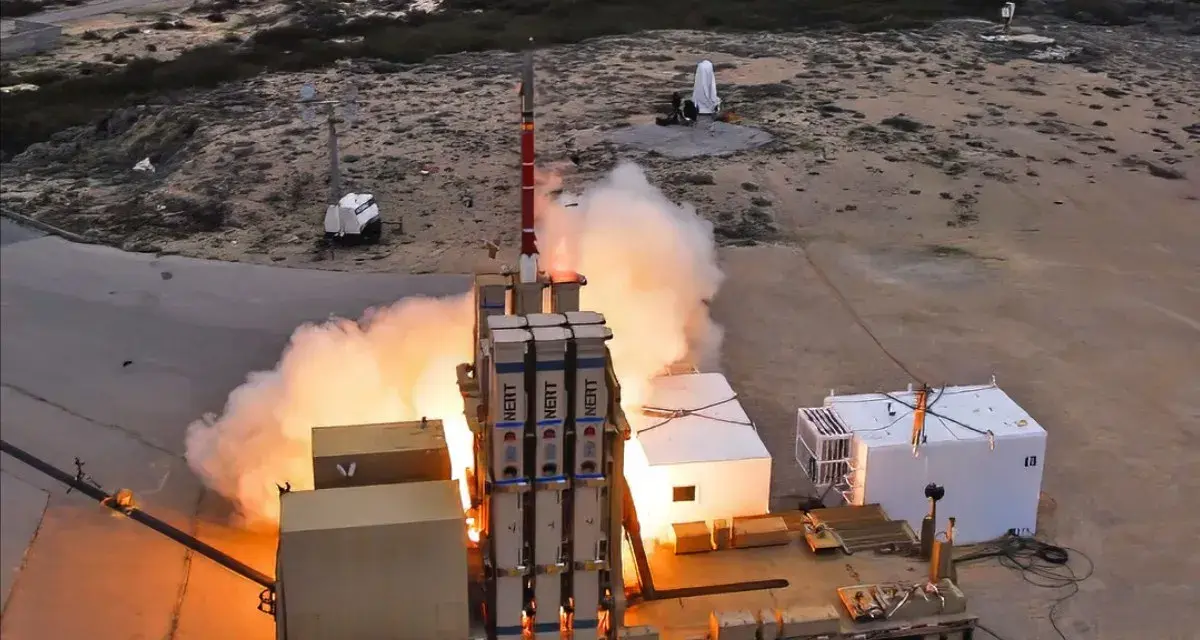
At the heart of the system is the Stunner missile, a two-stage interceptor designed for sheer speed and agility. Unlike traditional missiles that use explosives to destroy a target nearby, the Stunner uses "hit-to-kill" technology. It destroys the incoming threat through the massive kinetic force of a direct physical impact.
Cost Of $1 Million
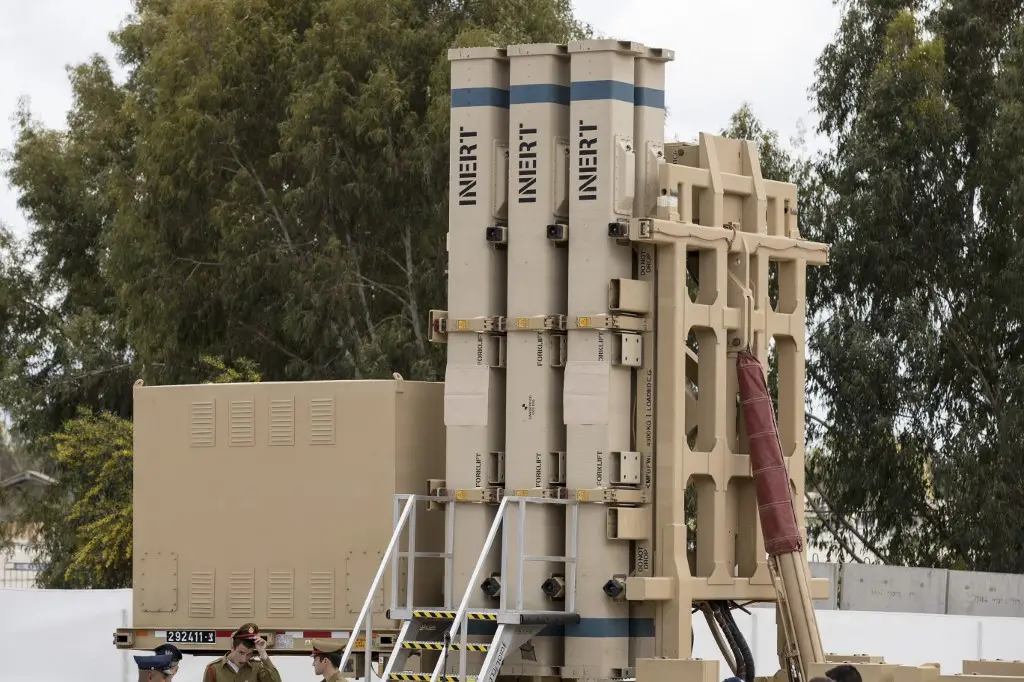
While air defence is expensive, David’s Sling is designed to be relatively cost-effective compared to its global competitors. Each Stunner interceptor costs approximately $1 million, which is significantly cheaper than the American Patriot PAC-3 missiles. This economic advantage is vital for sustaining a prolonged defence against mass missile barrages.
Raytheon And Rafael Joint Venture
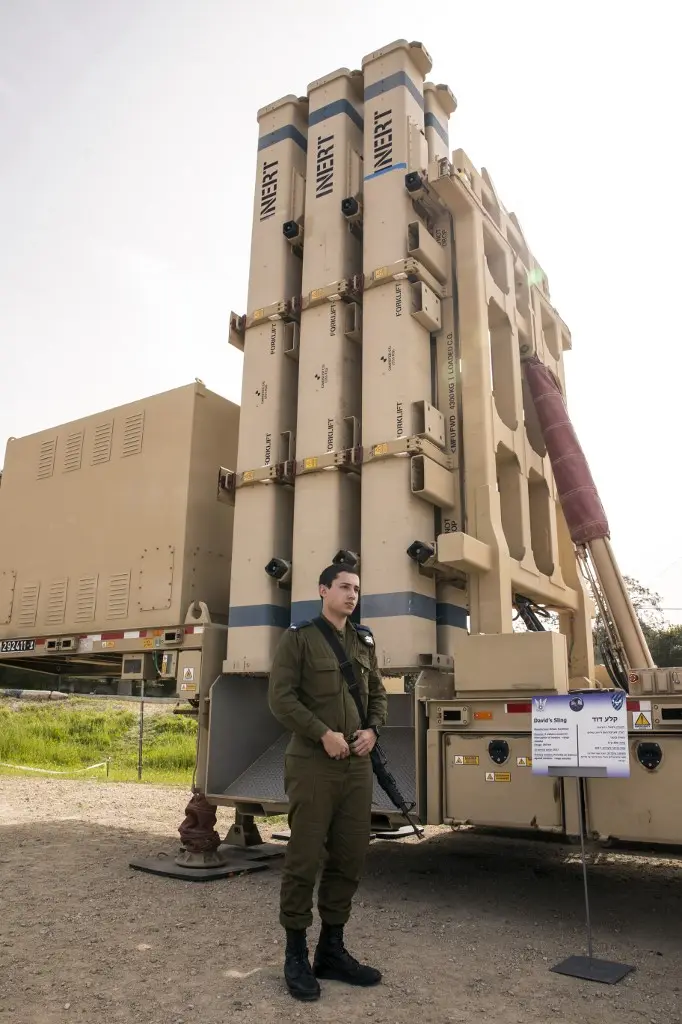
The system is a product of deep cooperation between Israel’s Rafael Advanced Defense Systems and the American defence giant Raytheon. This partnership combines Israeli innovation with US manufacturing capabilities and funding. The collaboration ensures that the system remains at the cutting edge of global military technology.
Advanced AESA Radar
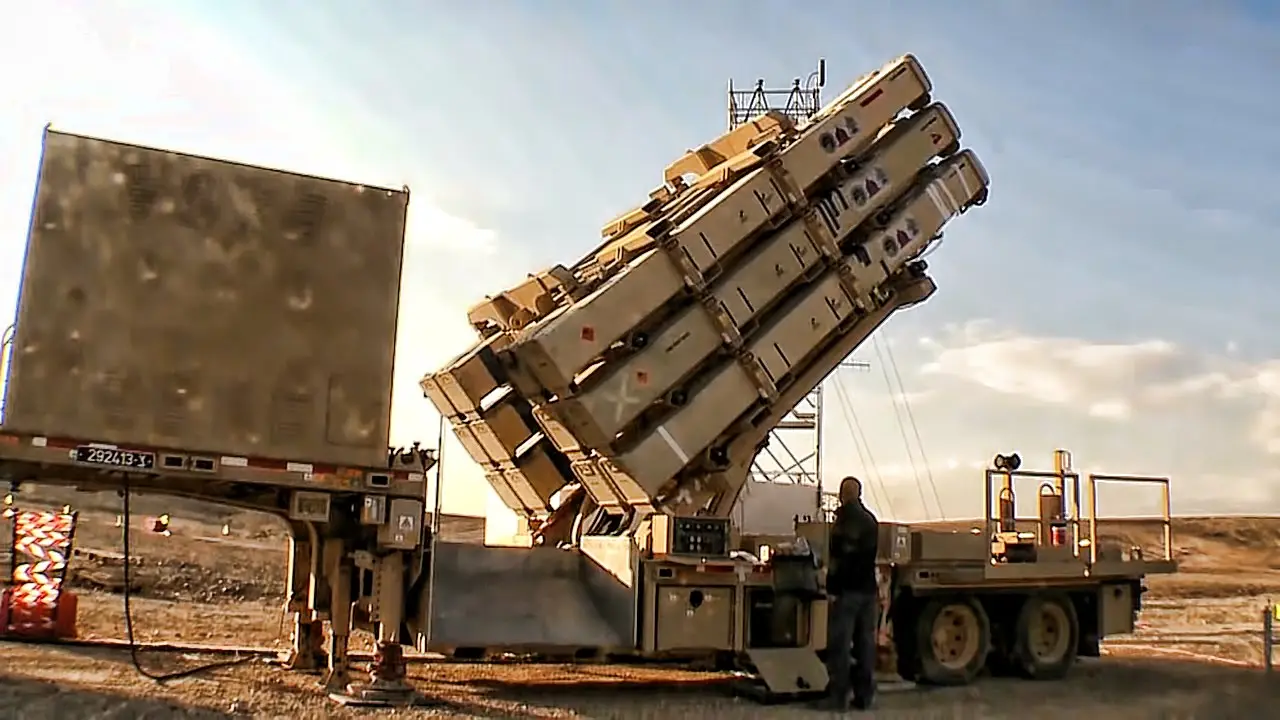
David’s Sling utilises the powerful ELM-2084 Multi-Mission Radar (MMR), which is an Active Electronically Scanned Array system. This sophisticated radar can detect and track hundreds of targets simultaneously with extreme precision. It calculates the trajectory of incoming threats instantly, allowing the system to prioritise which missiles to intercept.

Stopping Cruise Missiles
One of the system's primary roles is to counter the growing threat of advanced cruise missiles and heavy rockets. These low-flying, manoeuvrable weapons are often difficult for traditional ballistic missile shields to detect. David’s Sling uses dual-mode seekers in its nose cone to track these elusive targets effectively in all weather conditions.
Mach 7.5 Speed
The Stunner interceptor is incredibly fast, reaching speeds of up to Mach 7.5 to catch high-velocity targets. This hypersonic speed ensures that the interceptor can close the distance to the threat rapidly. The high velocity is essential for engaging tactical ballistic missiles during their terminal phase of flight

Operational Success In 2024
The system has proven its combat capabilities during recent conflicts, including the interception of rockets fired from Gaza and missiles from Iran. In April and October 2024, David’s Sling successfully neutralised multiple aerial threats directed at Israeli territory. These real-world engagements have validated its reliability under intense combat pressure.

Strategic Magic Wand
Originally known as "Magic Wand," the system gives Israeli commanders a flexible tool to manage complex aerial battles. By filtering out threats that will land in open areas, it conserves valuable interceptors for genuine dangers. This selective engagement capability is critical when facing saturation attacks from multiple fronts.
)
)
)
)
)