Can it go faster than 56 km/h? Why is the 2-nuclear-reactor-powered USS Abraham Lincoln so slow

The nuclear-powered USS Abraham Lincoln is limited to roughly 56 km/h due to massive water drag and hull physics, not a lack of power. Its reactors provide endurance, not racing speed.
The Behemoth of the Seas
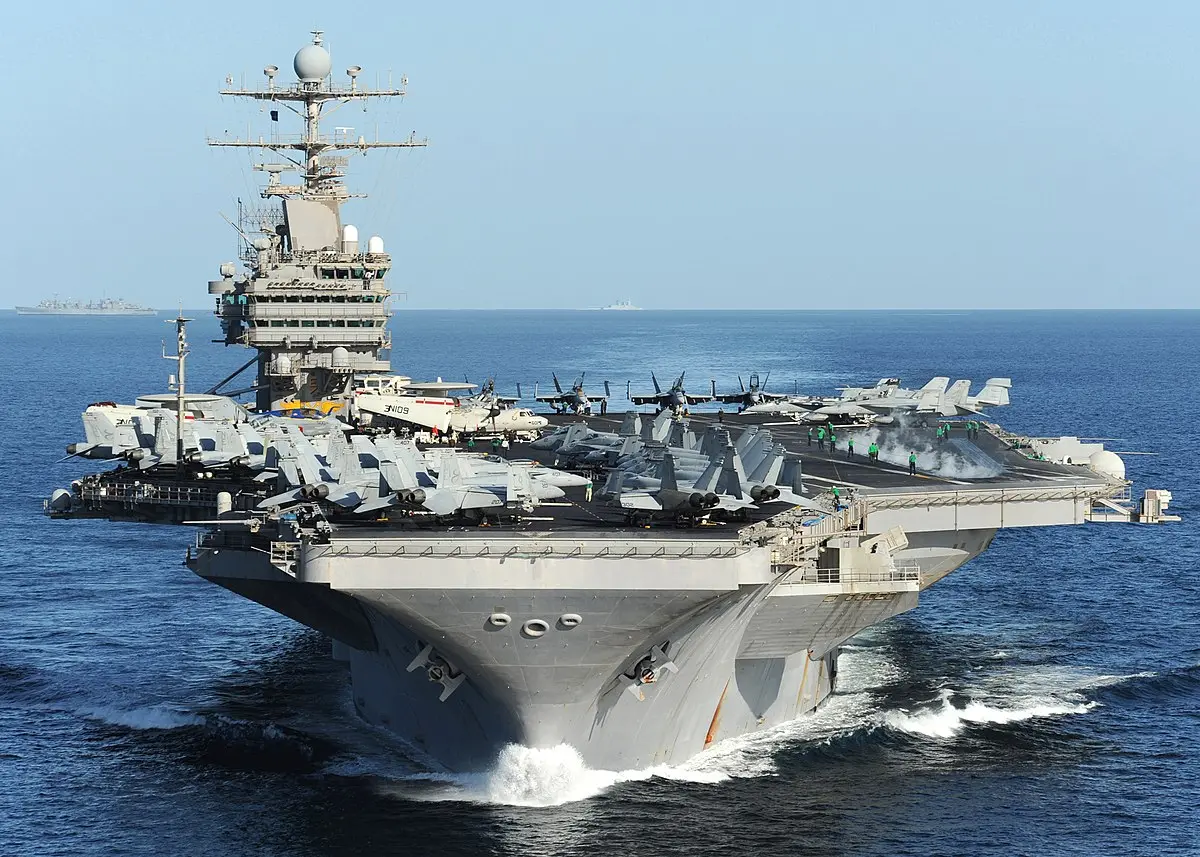
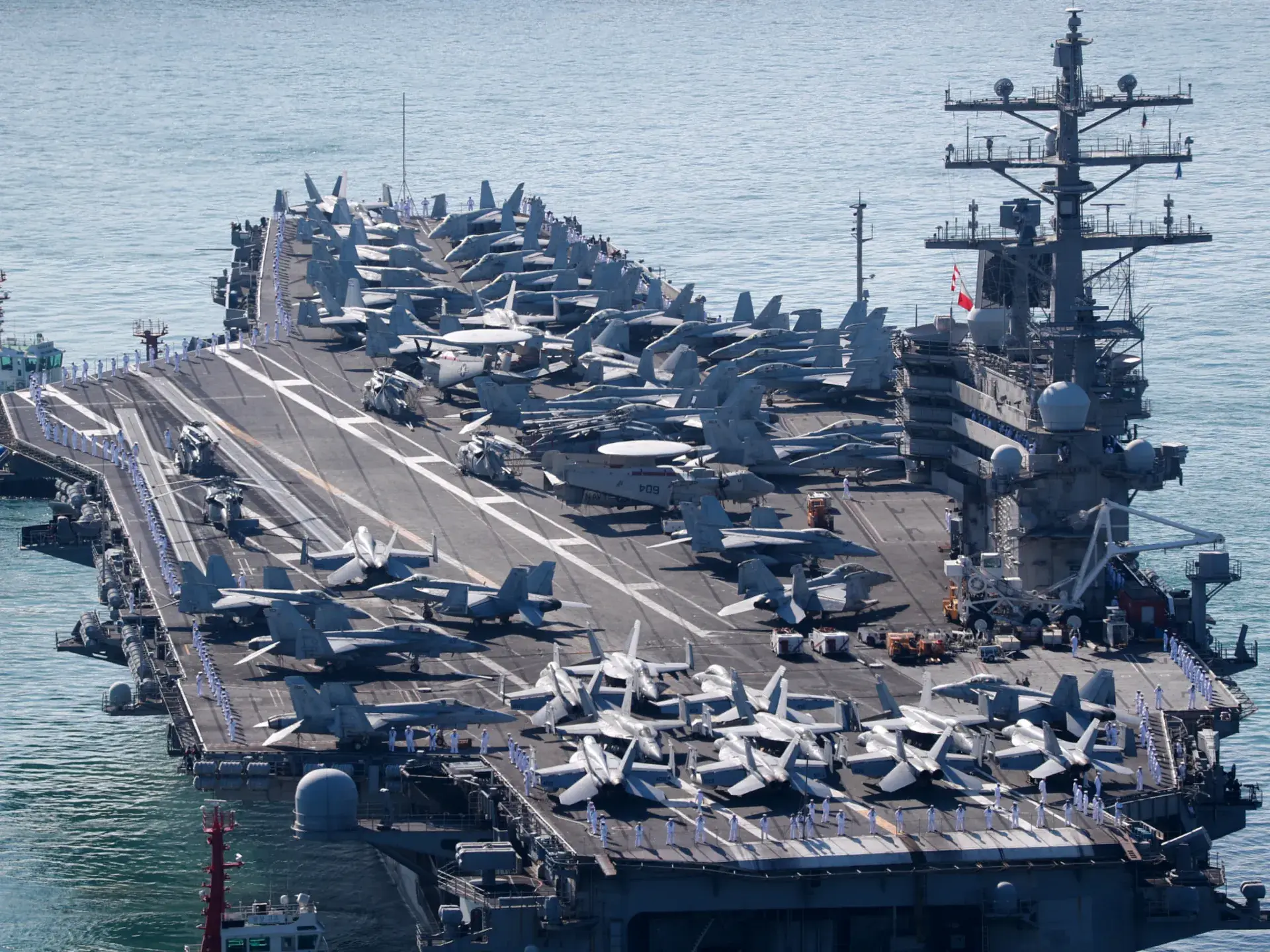
The USS Abraham Lincoln (CVN-72) is one of the world's largest warships, serving as a floating airbase for the US Navy. It displaces over 100,000 tonnes, making it a massive object to move through water. Despite its size, it is powered by advanced nuclear technology, yet it travels at speeds similar to a fast cruise ship rather than a speedboat.
The 56 km/h Speed Limit
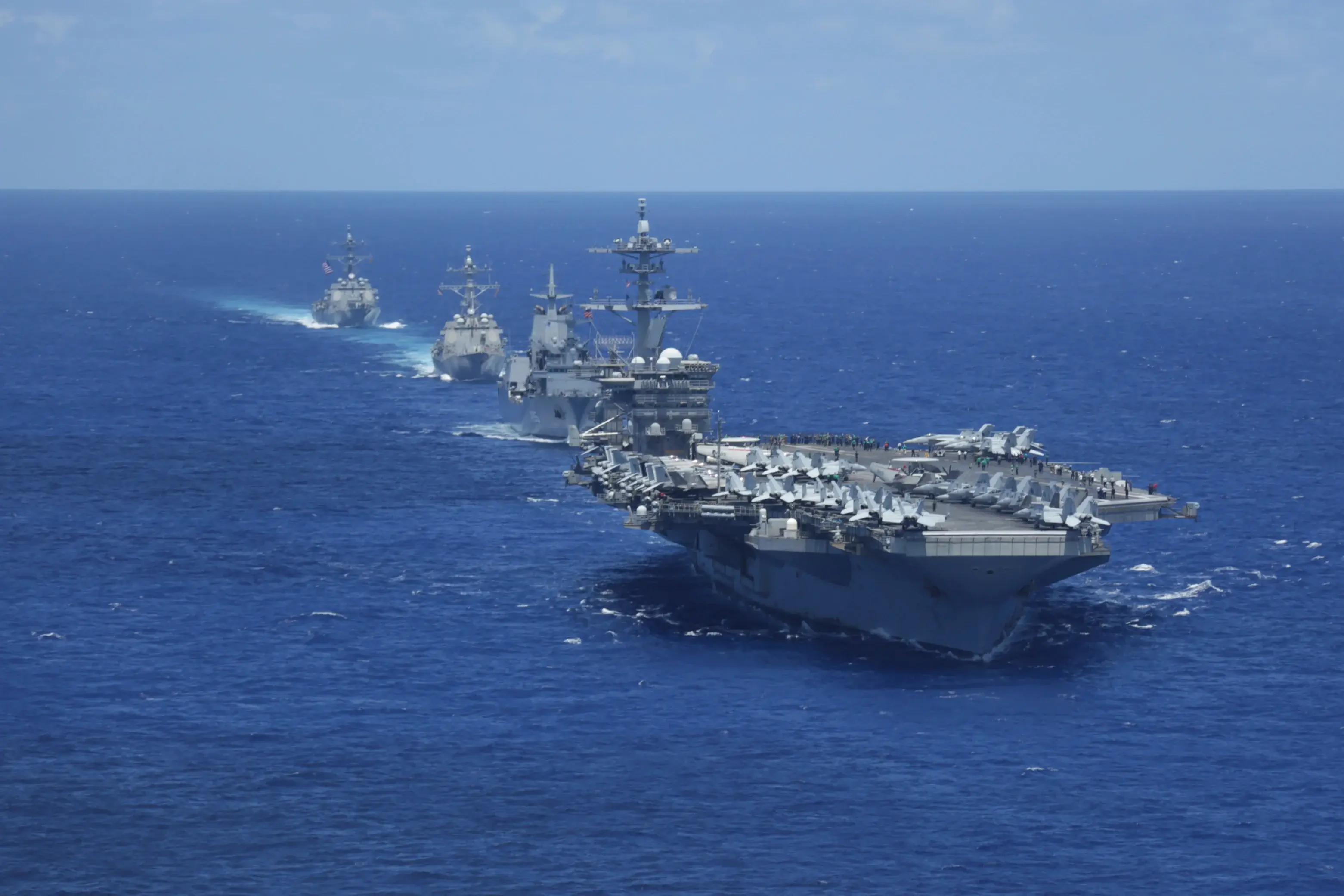
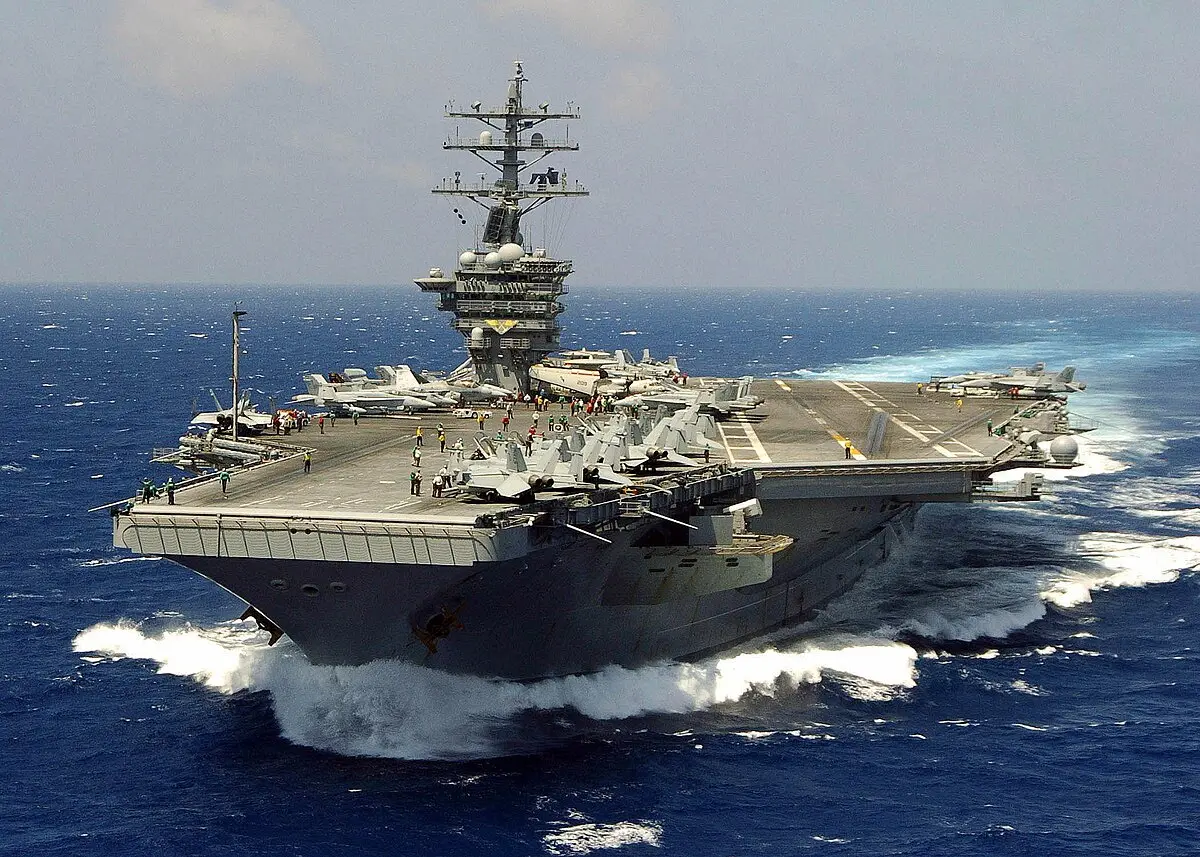
The official top speed of the USS Abraham Lincoln is publicly listed as "30+ knots", which translates to approximately 56 km/h. While this might seem slow for a nuclear-powered vessel, moving such immense weight at this pace is an engineering triumph. The "30+" designation suggests it can go slightly faster, but physics prevents it from reaching significantly higher speeds.
Two Nuclear Hearts
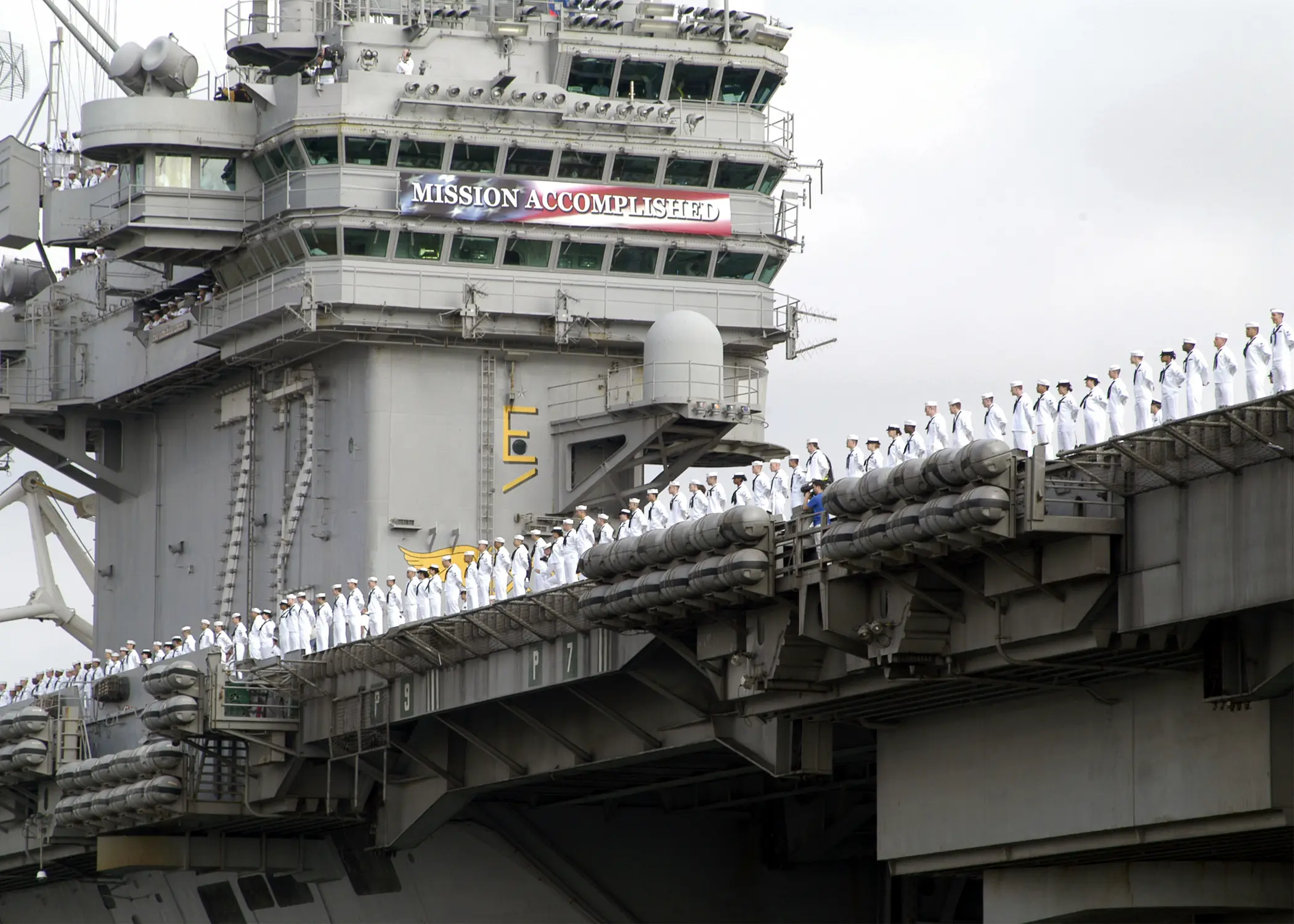
Deep inside the ship are two Westinghouse A4W nuclear reactors that act as the vessel's heart. These reactors generate intense heat to create steam, which spins four massive turbines. Together, they produce over 260,000 shaft horsepower, an amount of energy sufficient to power a small city, yet primarily channelled into propulsion.
Fighting Water Resistance
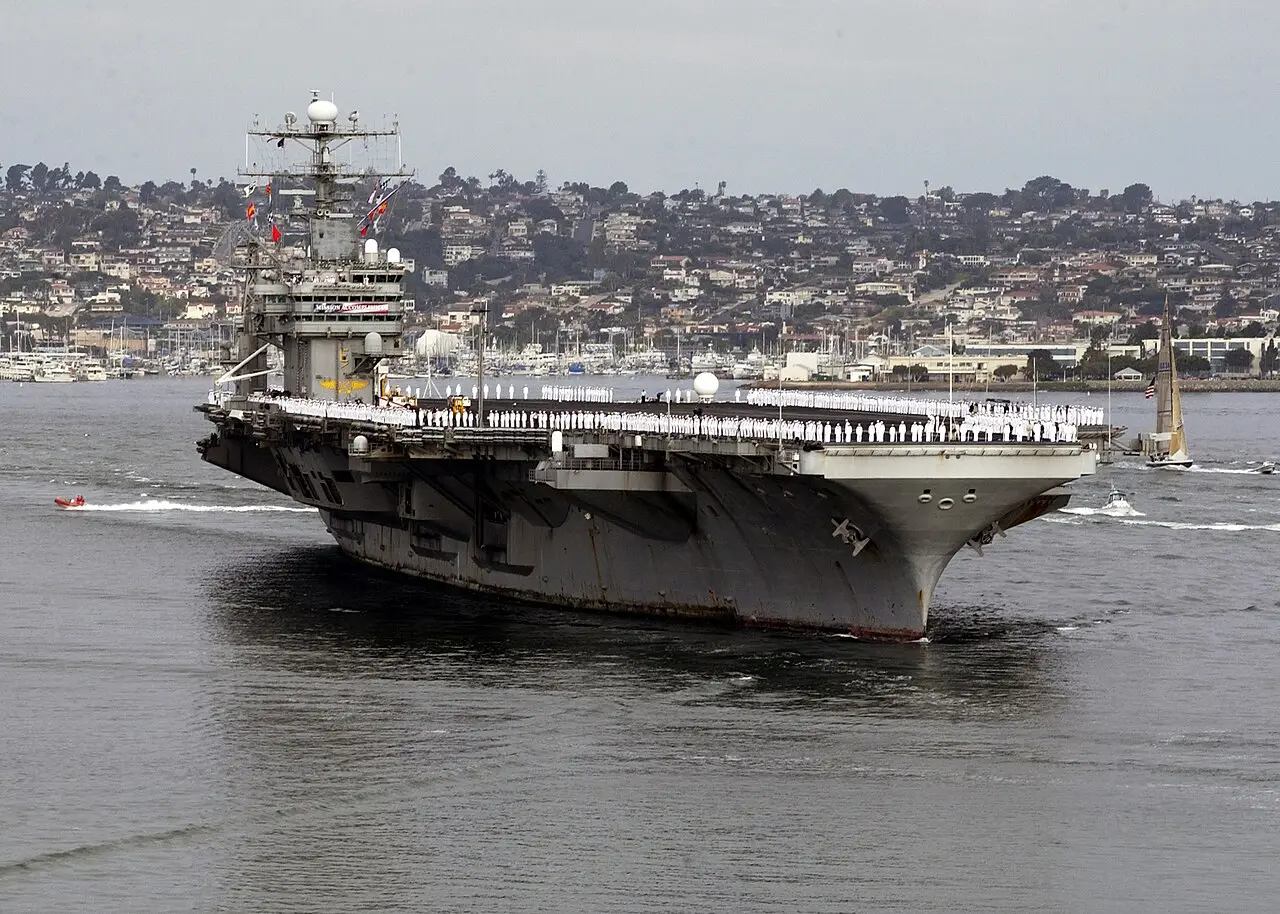
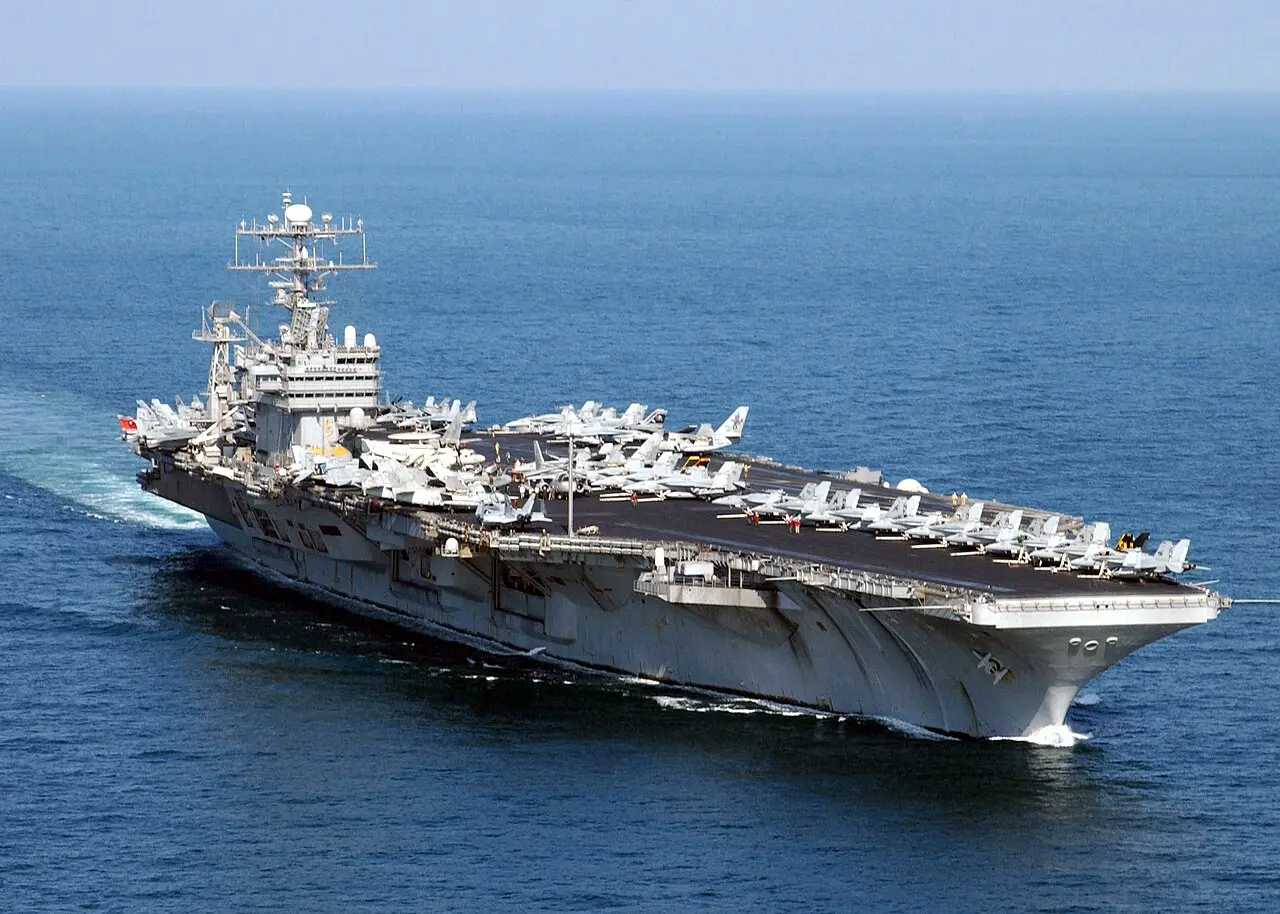
The main reason the ship cannot go much faster is hydrodynamic drag. Water is roughly 800 times denser than air, creating immense resistance against the hull. As the ship's speed increases, the energy required to push the hull through the water grows exponentially, meaning a small increase in speed requires a massive jump in power.
The Law of Diminishing Returns
A ship of this length actually has a high theoretical top speed, but reaching it is inefficient. Above 30 knots, the energy required to push the massive hull through water does not just increase, it skyrockets. To go significantly faster than its current top speed, the ship would require nearly double the horsepower for only a tiny gain in velocity. The reactors are designed for long-term endurance, not this inefficient sprinting.
Tactical Necessity
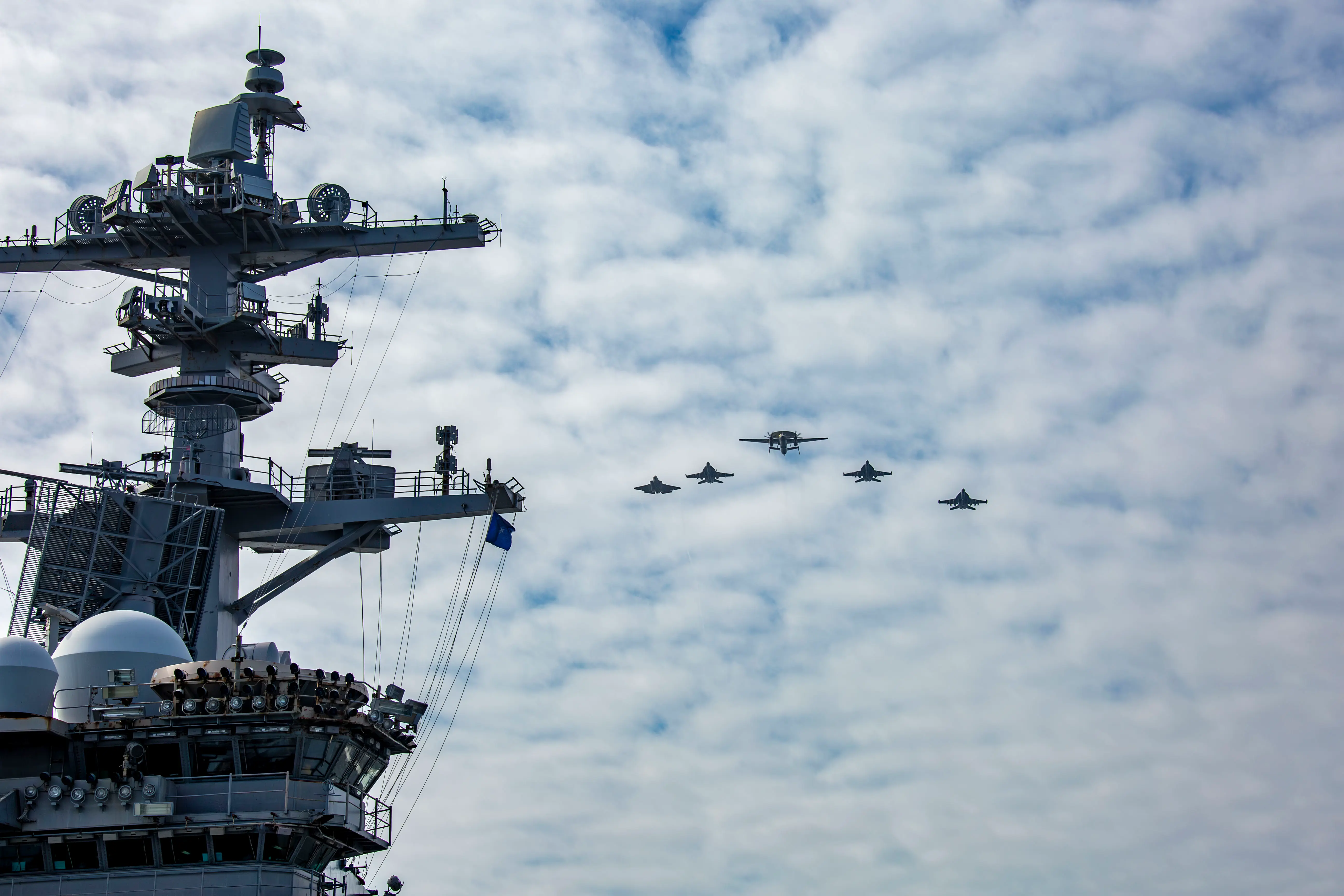
The carrier does not need to be a racing boat; it just needs to be fast enough to launch planes. By sailing at 30 knots into the wind, it creates sufficient "wind over deck". This additional lift allows heavy fighter jets to take off safely from the short runway, making 56 km/h the operational "sweet spot".
Stability Over Speed
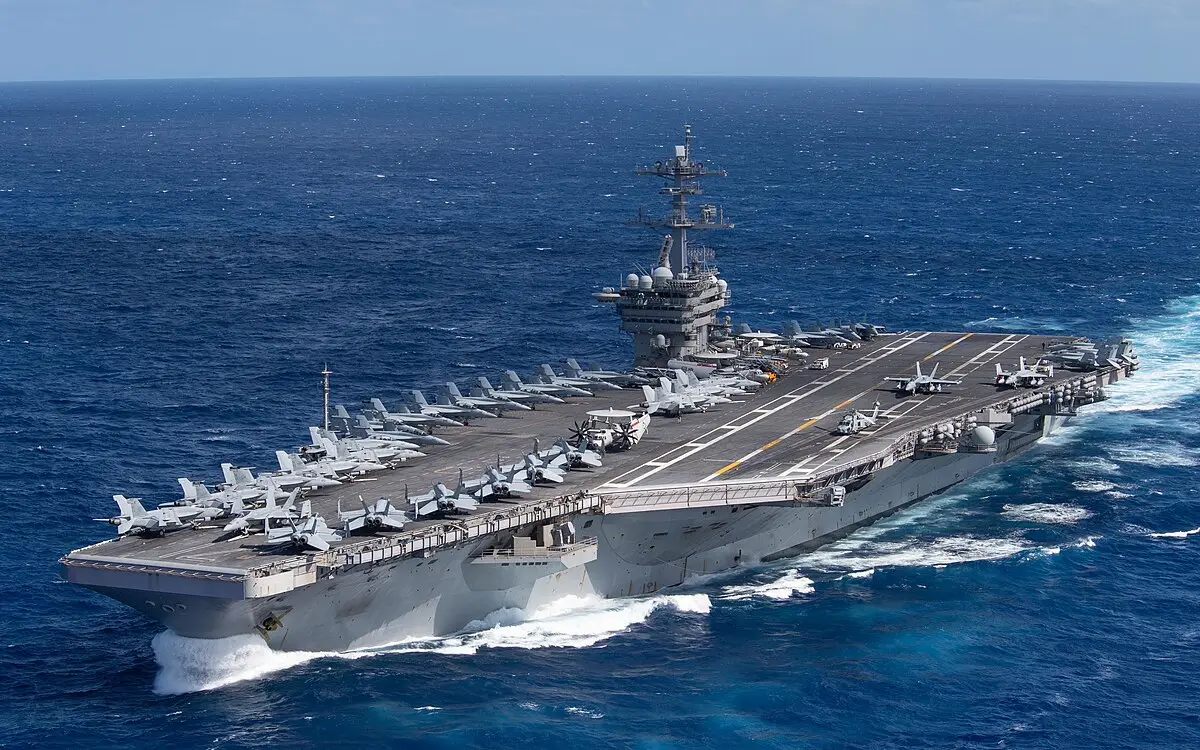
Designing a ship to go 80 km/h would require a narrow, unstable hull, which is unsuitable for a carrier. An aircraft carrier must be wide and stable to handle landing aircraft and rough seas. The wide beam creates more drag, naturally limiting the top speed in favour of safety, stability, and aircraft capacity.
Infinite Range, Not Speed
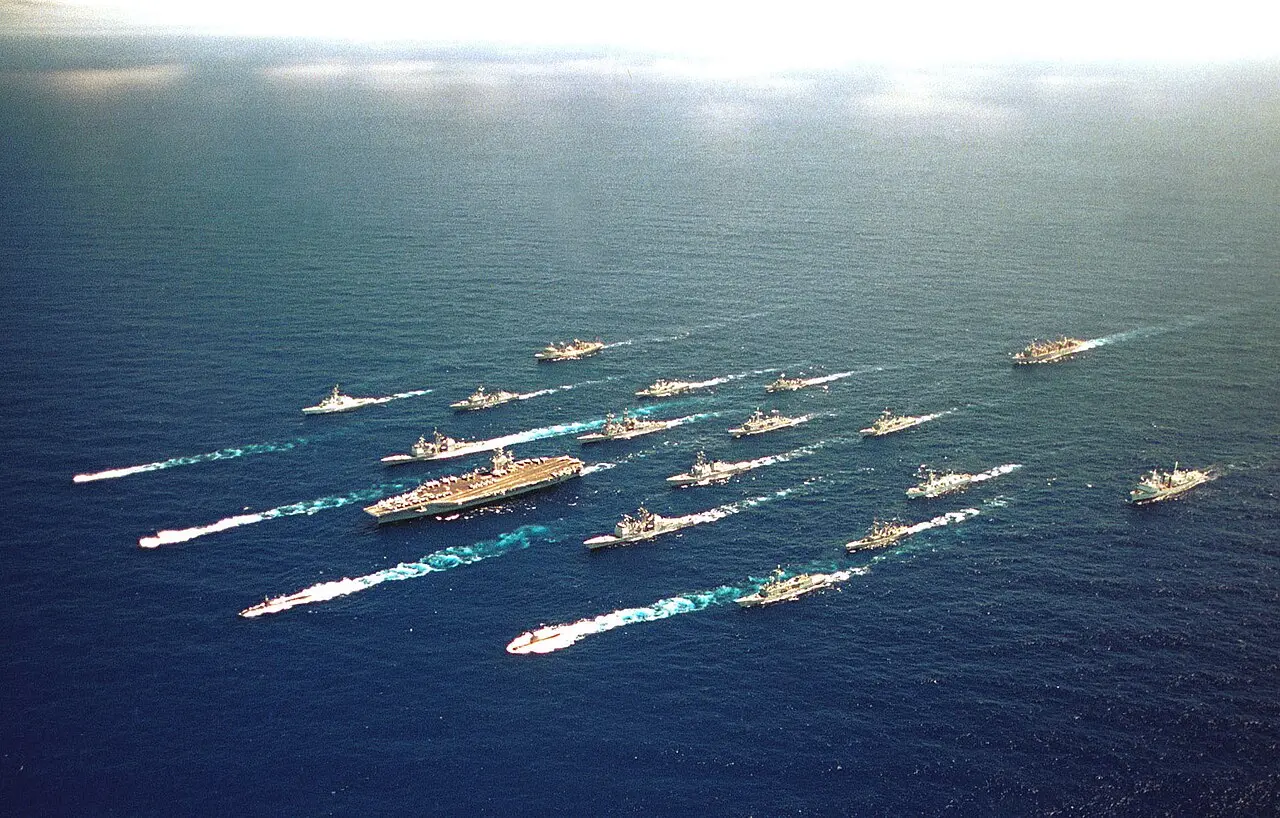
The true advantage of nuclear power is endurance, not raw racing speed. While a diesel ship runs out of fuel quickly at high speeds, the Abraham Lincoln can steam at 56 km/h continuously for weeks. It offers unlimited range for up to 25 years without refuelling, allowing it to project power anywhere globally.
Classified Capabilities
While 30+ knots is the public figure, the true maximum speed is a closely guarded secret. During sea trials, Nimitz-class carriers have reportedly achieved speeds slightly higher than the official numbers. However, the laws of physics regarding 100,000-tonne vessels mean it likely will not exceed 35 knots (64 km/h) without structural risks.
Engineering Marvel
Ultimately, the USS Abraham Lincoln is a masterpiece of compromise between size and power. It balances speed, armour, and air capacity perfectly for modern warfare. It moves 100,000 tonnes at 56 km/h, a feat of naval engineering that makes it the most dominant capital ship on the ocean today.
)
)
)
)
)