Can Iron Beam stop hypersonic missiles?

Iron Beam is designed for short-range threats within 10 km, as of now it is not for hypersonic missiles. Because hypersonic weapons travel 2 miles per second leaving almost no reaction time. As of now lasers are limited to line-of-sight engagement with horizon constraints.

Iron Beam Designed for Short-Range Threats
Iron Beam was engineered for short-range threats including rockets, mortars, and drones within 10-kilometre range, not hypersonic missiles exceeding Mach 5. The system requires approximately four seconds of laser contact to destroy targets by thermal penetration. Hypersonic missiles travelling at 2 miles per second or faster present engagement problems where beam residence time becomes critically insufficient.
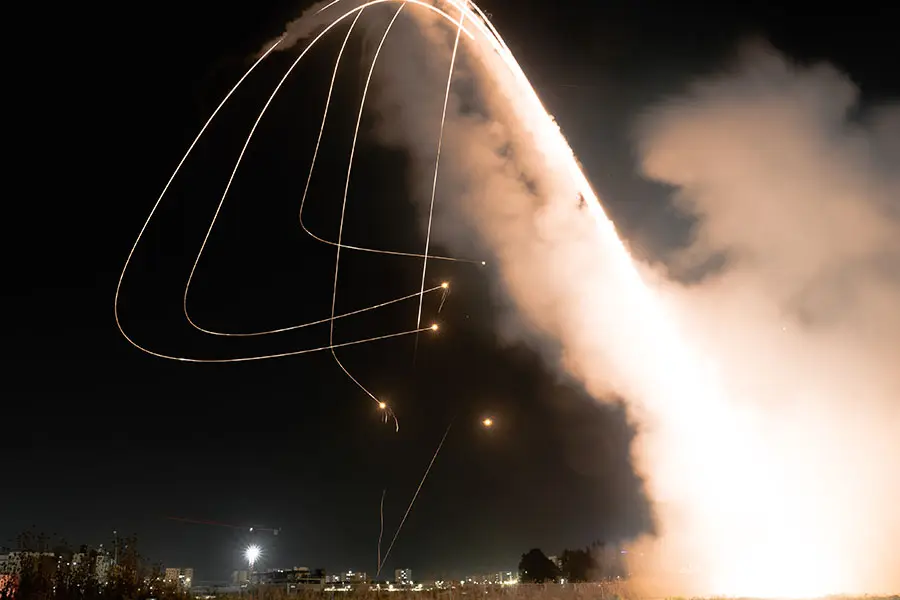
Hypersonic Speed
Hypersonic weapons like China's DF-ZF travel at Mach 5 or greater, exceeding 2 miles per second or approximately 6,000 metres per second, providing almost no reaction time for traditional defence systems. Iron Beam provides instantaneous engagement at light speed but requires targeting lock before missile arrival. Low hypersonic flight trajectories mean detection occurs late in missile flight path when engagement window closes rapidly.
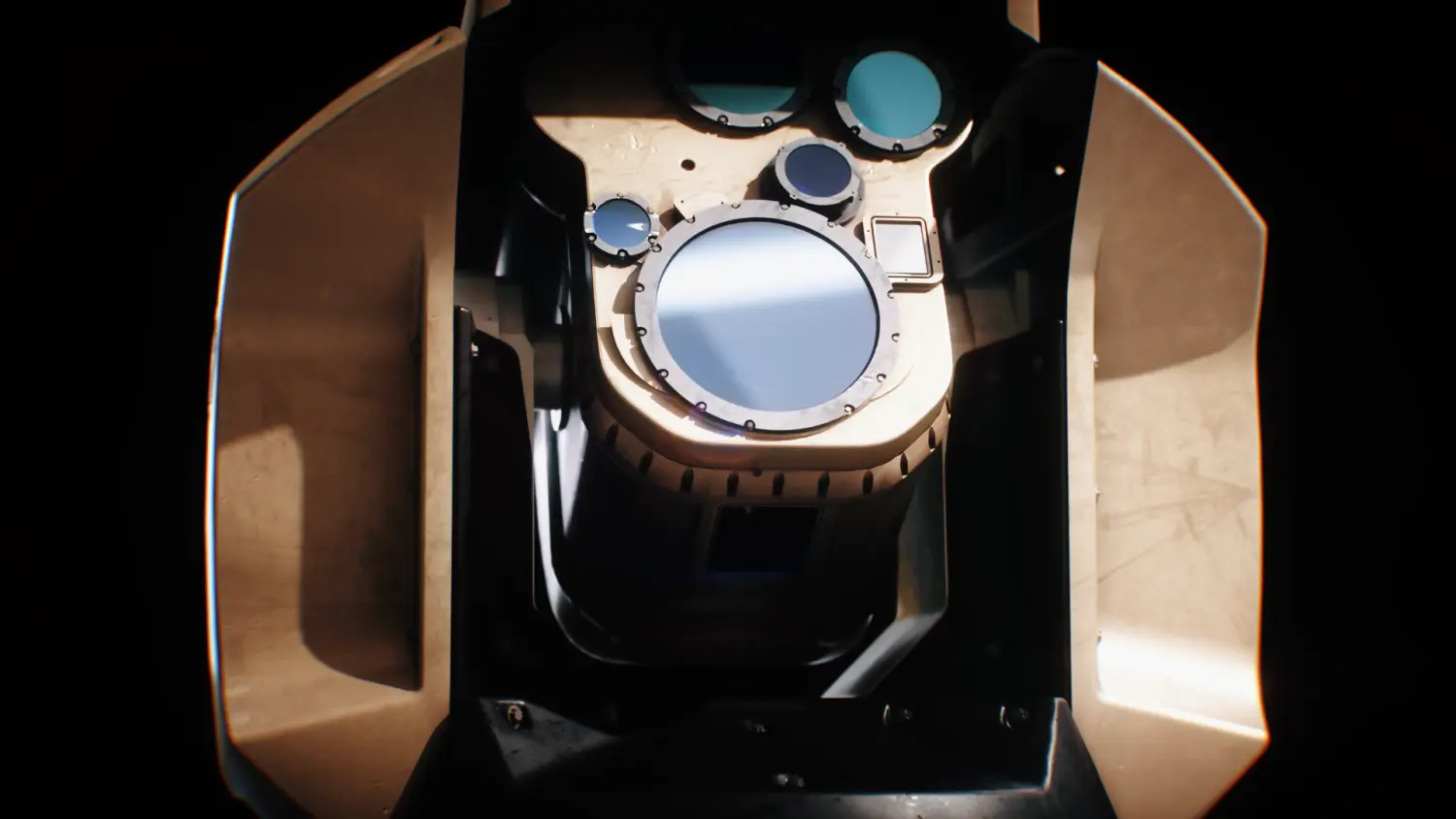
Line-of-Sight Limitation
Unlike traditional missiles that engage targets beyond the horizon using radar cueing, lasers operate only within direct line of sight. Hypersonic missiles approaching at low altitude remain invisible until reaching visual range of laser system. By that point, engagement window becomes so brief that target acquisition and beam alignment occur simultaneously, eliminating margin for error.

Thermal Blooming Challenge
Thermal blooming occurs when laser energy heats atmospheric molecules causing refraction and beam divergence reducing energy delivery to target. Hypersonic targets themselves generate extreme heat - surface temperatures exceeding 1,500 degrees Celsius - creating additional atmospheric distortion. This combination significantly reduces laser effectiveness against hypersonic threats compared to cooler slow-moving targets.

Ablation Coating Protection
Chinese scientists discovered that hypersonic missiles employ special ablation coatings providing thermal protection against intense laser heating. Paradoxically, they found that lower-power lasers sometimes cause more damage than higher-power variants by creating micro-fractures in coating materials. Hypersonic missile protection systems specifically designed for aerothermal environments also provide defence against directed-energy weapons.
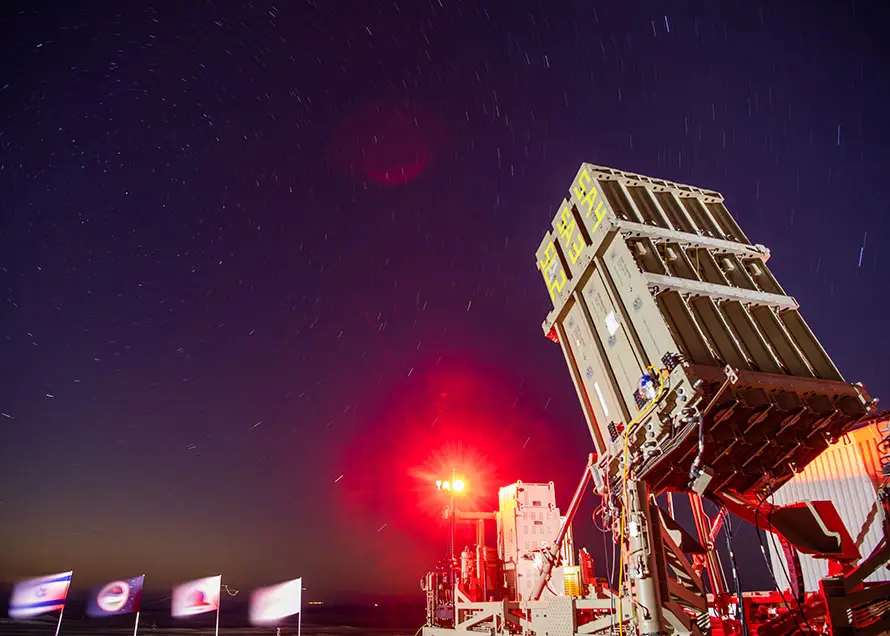
Target Tracking Difficulty
Iron Beam uses Fast Steering Mirrors and adaptive optics maintaining lock on moving targets but hypersonic weapons manoeuvre patterns complicate tracking. Position Sensing Devices and Fiber Optic Gyros stabilise aiming but cannot track targets moving at extreme velocities and performing evasive manoeuvres simultaneously. Current technology cannot maintain continuous beam residence on hypersonic targets.
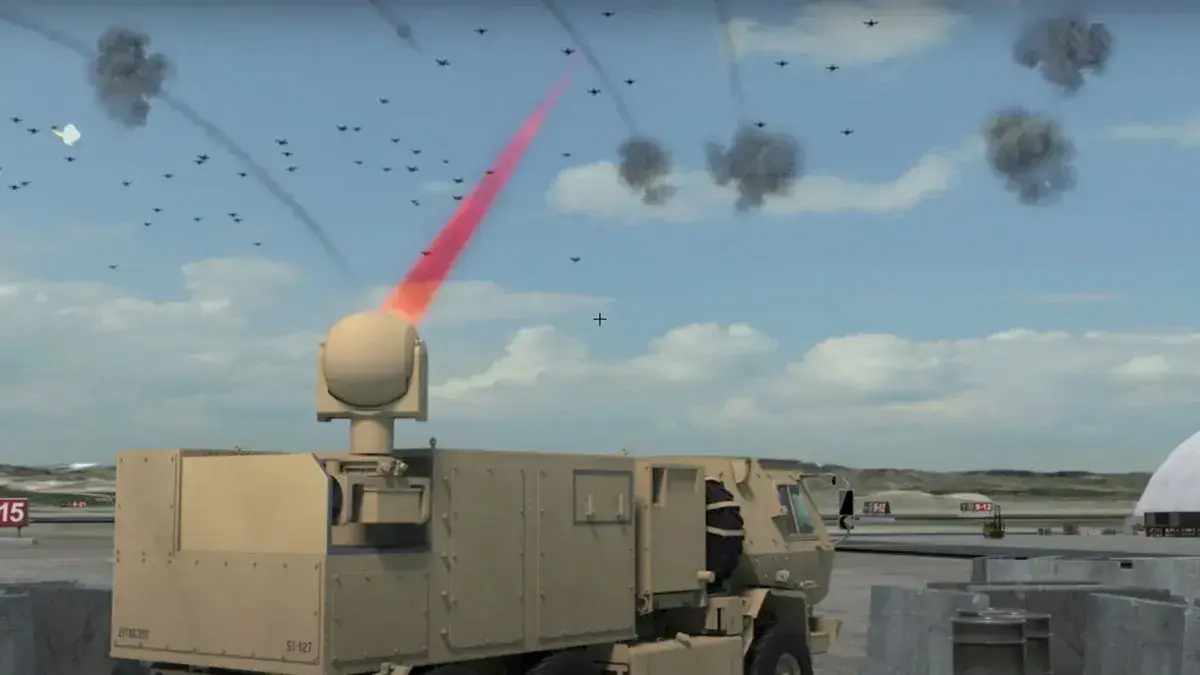
Next-Generation Solutions
Future directed-energy weapons targeting 100 to 300 kilowatt power output could overcome current limitations by concentrating overwhelming energy density on hypersonic targets. Higher power enables shorter engagement times reducing beam residence time requirement from four seconds to fractions of a second. These megawatt-class systems remain under development with deployment timelines extending beyond 2030.
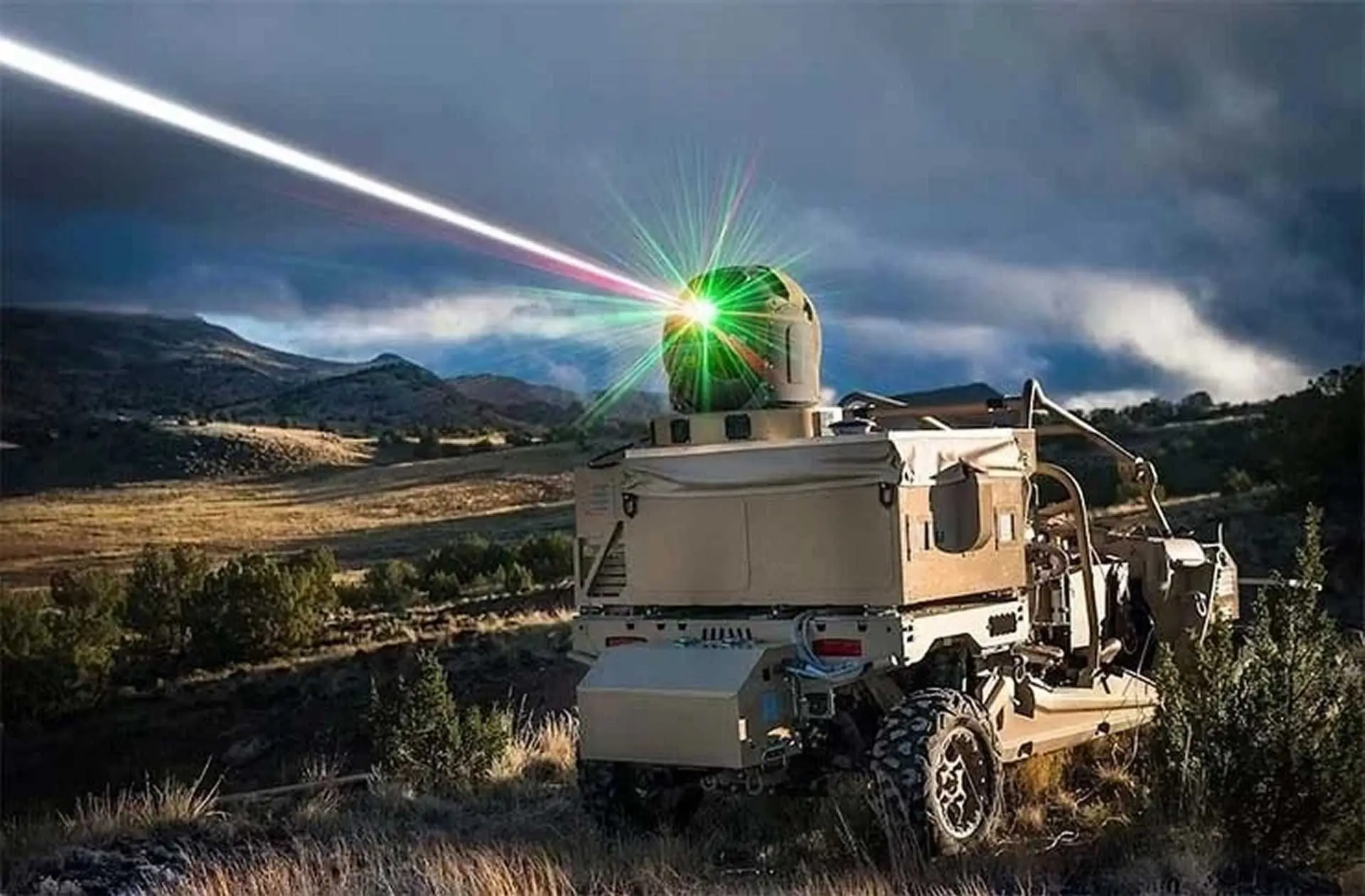
Laser Propulsion Systems
India is developing fifth-generation laser propulsion missile systems capable of engaging multiple targets at ultrahypersonic velocities exceeding hypersonic threat speeds. India's 30-kilowatt laser system already demonstrated neutralisation of aircraft and drone swarms. The Ministry of Defence specified vehicle-based laser systems for unmanned aircraft systems defence.
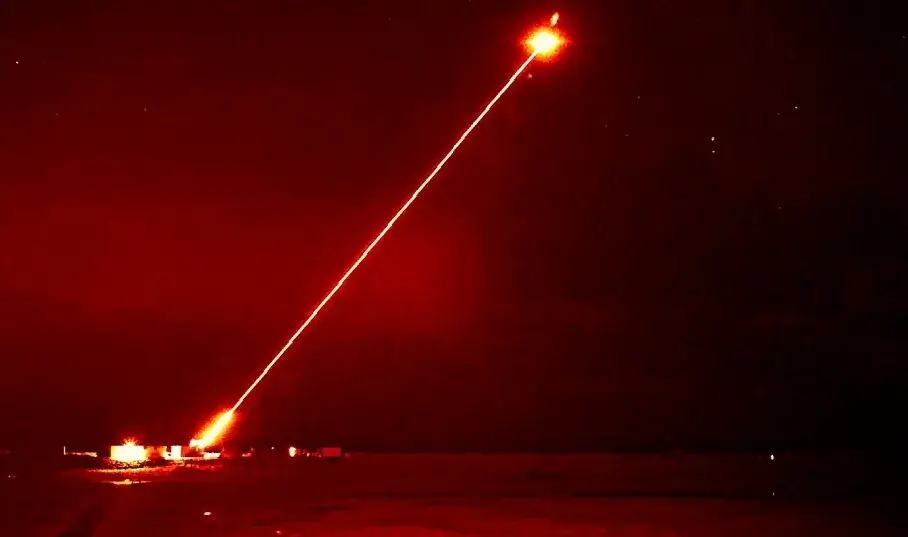
JADC2 Command and Control
Defeating hypersonic threats requires coordinated response across all military branches through Joint All-Domain Command and Control networks. Individual laser systems cannot succeed alone but must integrate with radar networks, satellite detection, and distributed interceptor assets. This integrated approach distributes engagement responsibility across multiple platforms.

Future Verdict - Complementary Rather Than Replacement
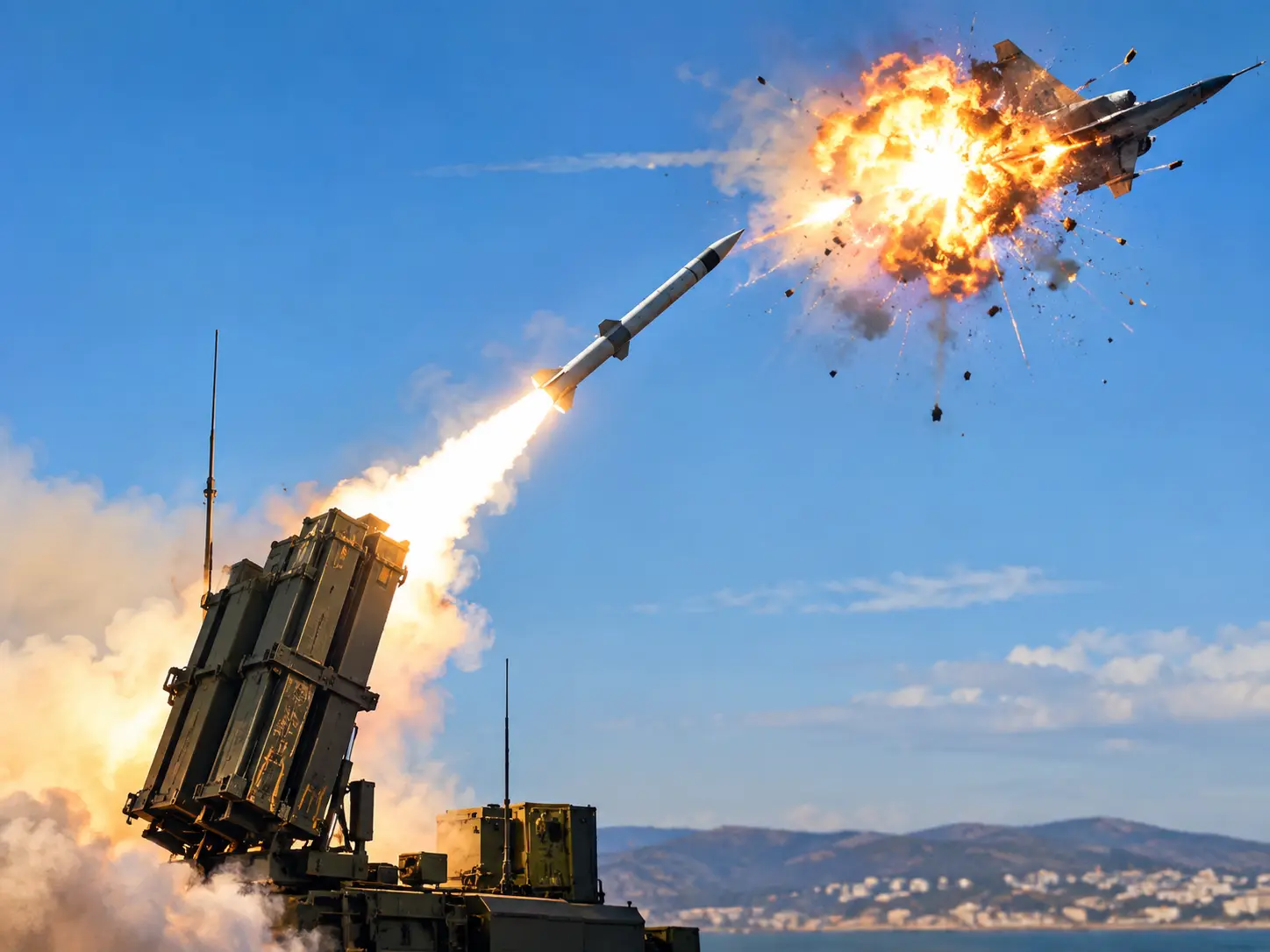
Experts believe Iron Beam cannot fully stop advanced hypersonic missiles in current configuration but next-generation 300-kilowatt systems could change equations fundamentally. Rather than replacing traditional air defence, lasers will likely operate alongside missiles in layered systems. The future lies in integrated multi-domain defence combining lasers, missiles, and electronic warfare.
)
)
)
)
)