Can Iran sink USS Abraham Lincoln with its hypersonic missiles?

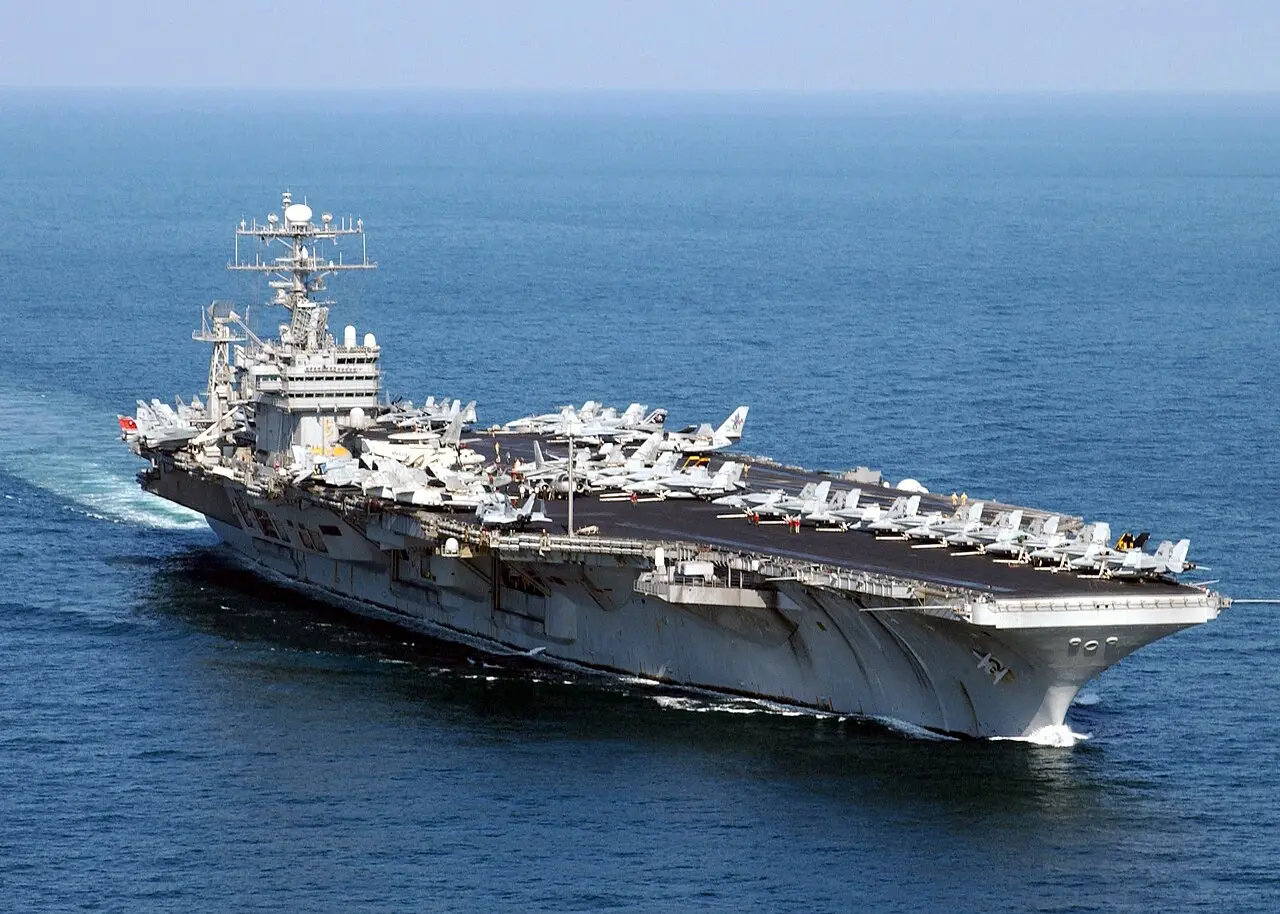
Before firing a shot, the Lincoln would use its AN/SLQ-32(V)7 SEWIP Block III electronic warfare system. This system is designed to project "non-kinetic" beams of energy to fry the delicate guidance electronics of the incoming missile.
1. The Hypersonic "Fattah-2" Threat
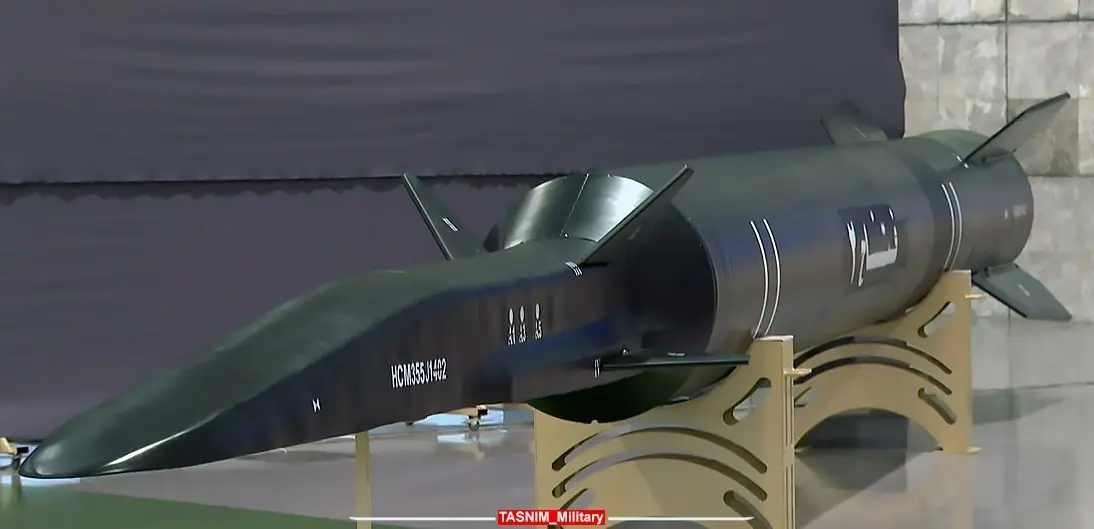
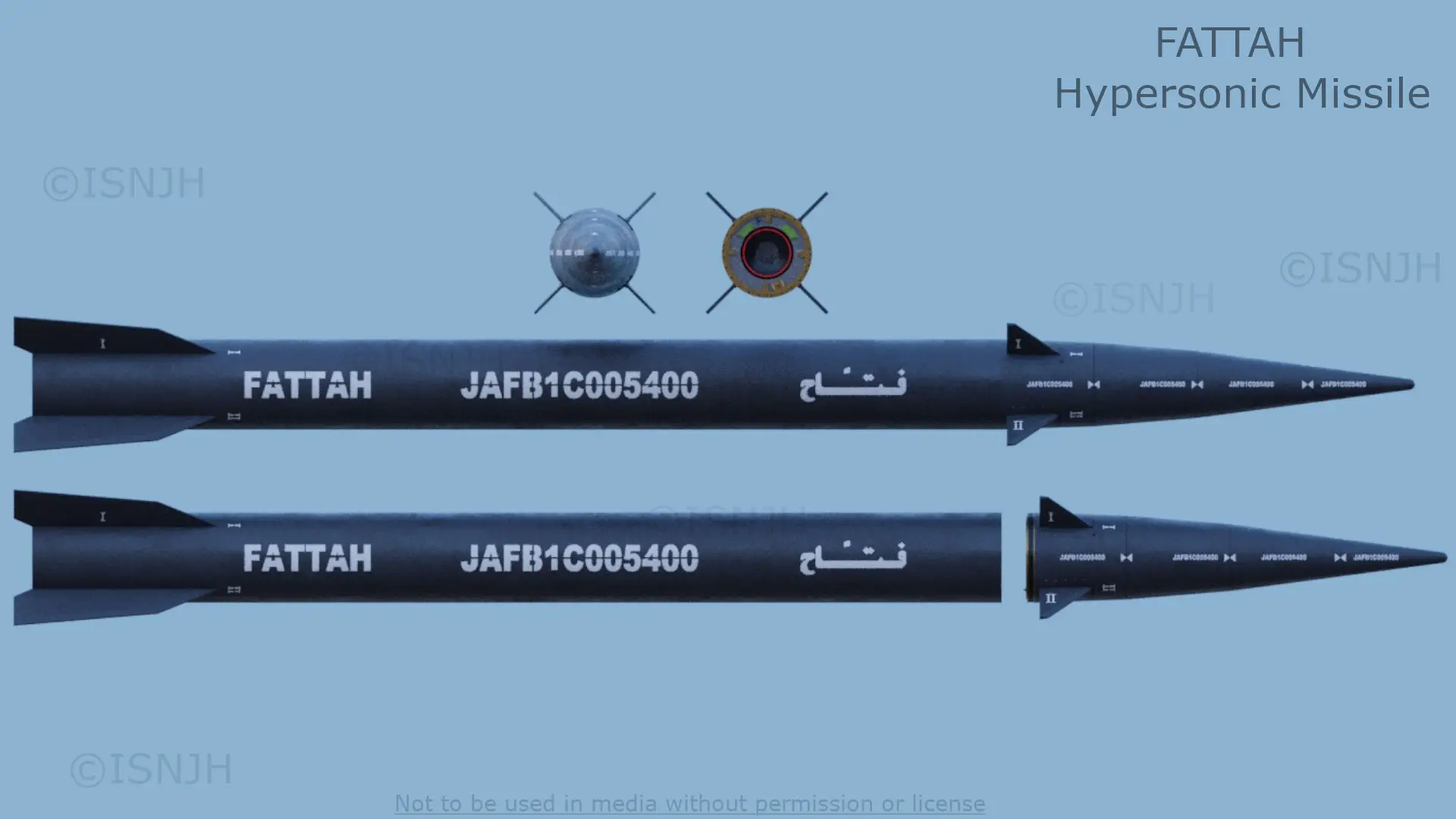
The core of Iran's threat is the Fattah-2 missile, which utilizes a Hypersonic Glide Vehicle (HGV). Unlike traditional ballistic missiles that fly in a predictable high arc, the Fattah-2 separates from its booster and glides along the upper atmosphere at speeds exceeding Mach 13. Its defining feature is its maneuverability; it can change course mid-flight, making it incredibly difficult for U.S. Navy interceptor algorithms to predict where it will be five seconds from now, rendering older defensive calculations obsolete.
2. The "Plasma Stealth" Physics
A major challenge for the Lincoln’s radar is the physics of hypersonic flight. Traveling at Mach 13 creates so much friction that the missile becomes encased in a sheath of superheated plasma. This plasma absorbs radio waves, potentially creating a "blind spot" for the ship's radar sensors during certain phases of flight. While not truly invisible, this effect delays detection, reducing the reaction time for the Lincoln’s defensive systems from minutes to mere seconds.
3. The SM-6 "Bullet Hitting a Bullet"
The U.S. Navy’s primary answer to this threat is the RIM-174 Standard Missile (SM-6) Dual II. This is currently the only missile in the American arsenal capable of intercepting a hypersonic glide vehicle in its terminal phase. The SM-6 uses advanced software to calculate the "energy bleed" of the incoming glider, predicting its path just before impact. However, the physics of this interception are akin to "hitting a bullet with a bullet," requiring a level of precision that has a high margin for error in real-world combat.
4. The "Kill Chain" Gap
For Iran to hit the Lincoln, it must first find it. This is the "Kill Chain" problem. Hypersonic missiles are incredibly fast, but the satellites and drones used to target them are often slow or vulnerable to jamming. If the Lincoln is moving at 30 knots in "Ghost Mode," the targeting data sent to the missile at launch will be obsolete by the time the weapon arrives 10 minutes later. Unlike a "smart" cruise missile, a hypersonic glider traveling at Mach 13 has a limited field of view to "search" for a moving ship if the initial coordinates are wrong.
5. "Mission Kill" vs. Sinking
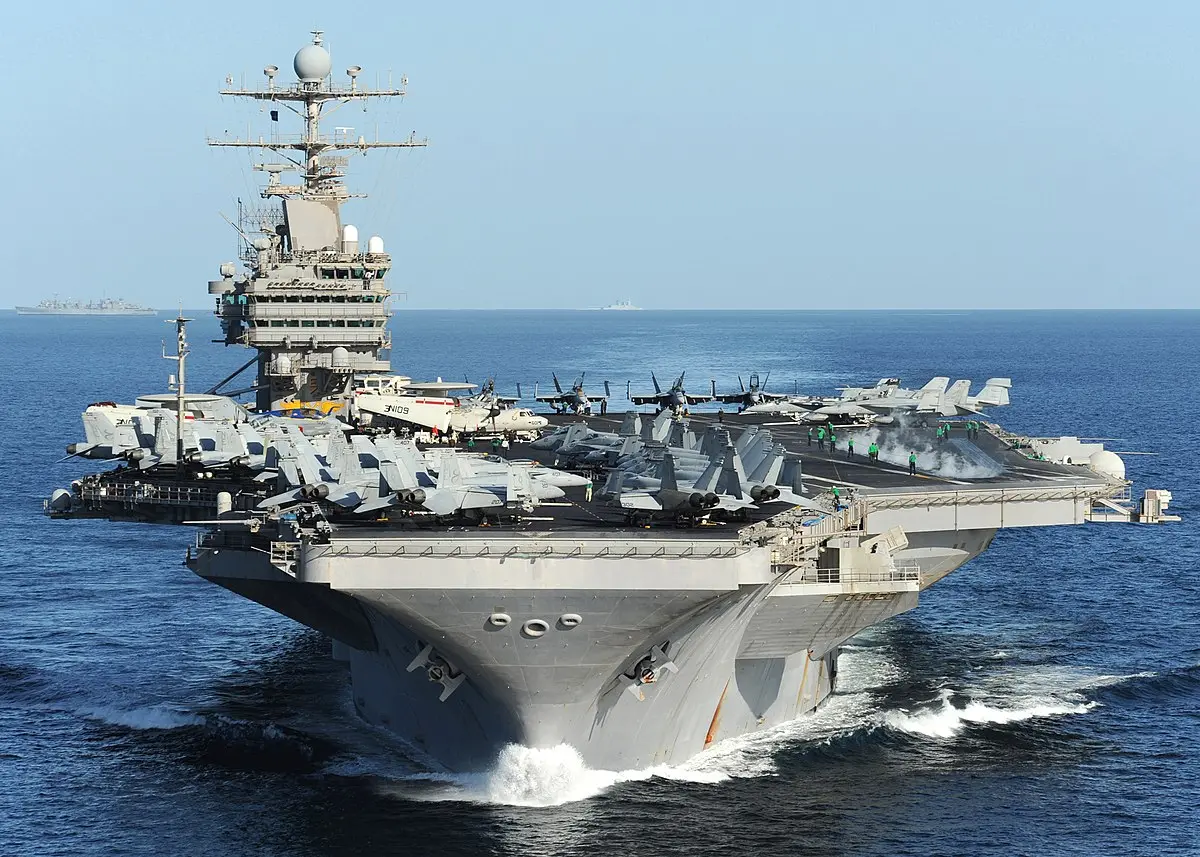
Factually, it is nearly impossible for a single non-nuclear hypersonic missile to sink a Nimitz-class carrier. The ship is a honeycomb of thousands of watertight compartments made of high-strength steel. However, Iran does not need to sink the ship to win; they only need a "Mission Kill." The kinetic energy of a 2,000-pound object hitting the flight deck at Mach 10 would punch a hole through the runway and potentially detonate aviation fuel below. This would not sink the vessel, but it would render the flight deck unusable, preventing the F-35s from launching and effectively removing the "Armada" from the fight.

6. The Electronic "Soft Kill"
Before firing a shot, the Lincoln would use its AN/SLQ-32(V)7 SEWIP Block III electronic warfare system. This system is designed to project "non-kinetic" beams of energy to fry the delicate guidance electronics of the incoming missile. Because the Fattah-2 relies on complex sensors to steer through the atmosphere, it is vulnerable to high-powered jamming that can confuse its internal gyroscope or blind its terminal seeker, causing the missile to crash into the ocean miles away from the target without ever being touched by an interceptor.
7. The "Swarm" Necessity
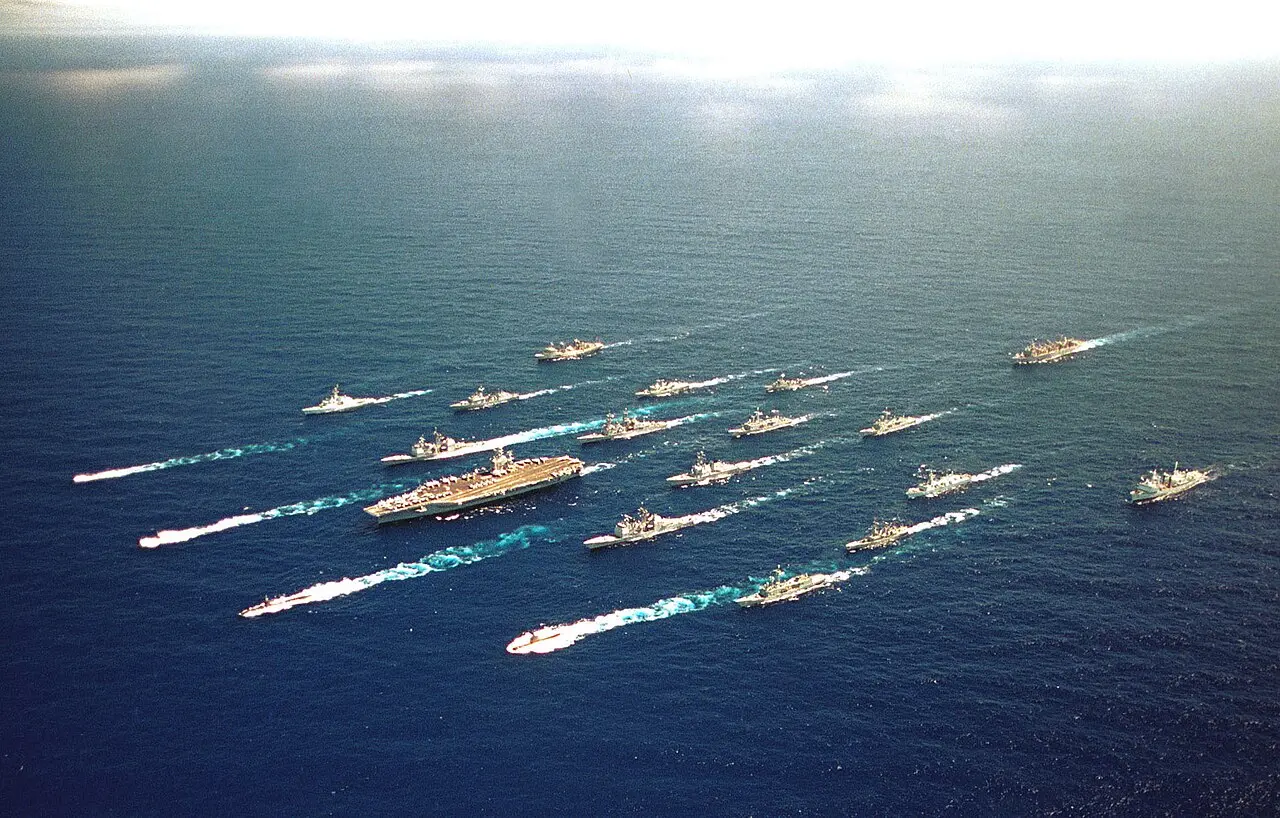
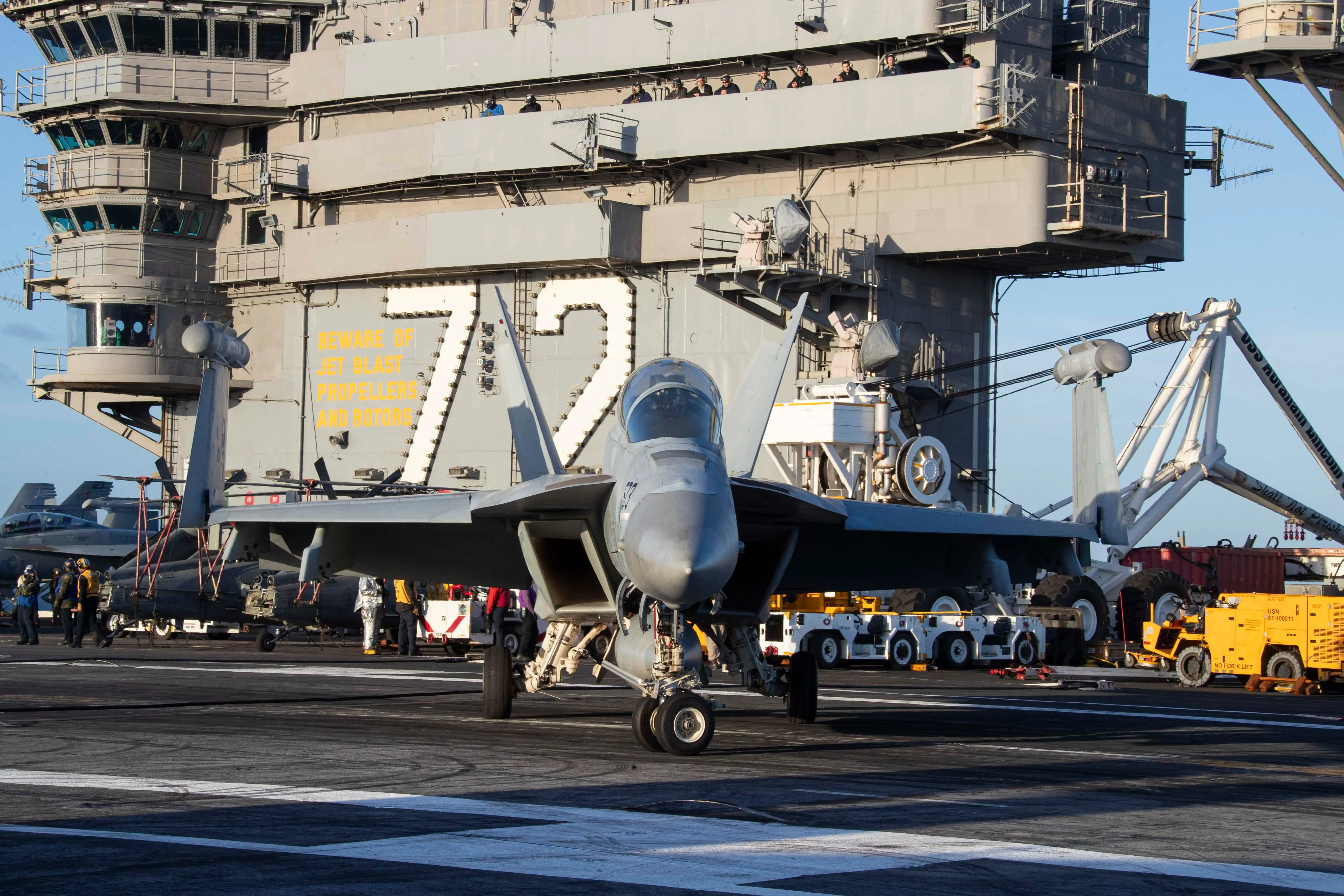
Military simulations suggest that a single hypersonic missile has a low probability of penetrating the Lincoln's Aegis shield. To succeed, Iran would need to launch a “Saturation Swarm” firing dozens of ballistic and hypersonic missiles simultaneously to overwhelm the ship's fire control computers. The danger is not the quality of the first missile, but the quantity of the volley; the Lincoln carries a finite number of defensive interceptors, and if Iran can fire more missiles than the ship has ammo, the mathematics of survival turn against the carrier.
)
)
)
)
)