Can Iran sink USS Abraham Lincoln accompanying destroyers with its ballistic missiles?

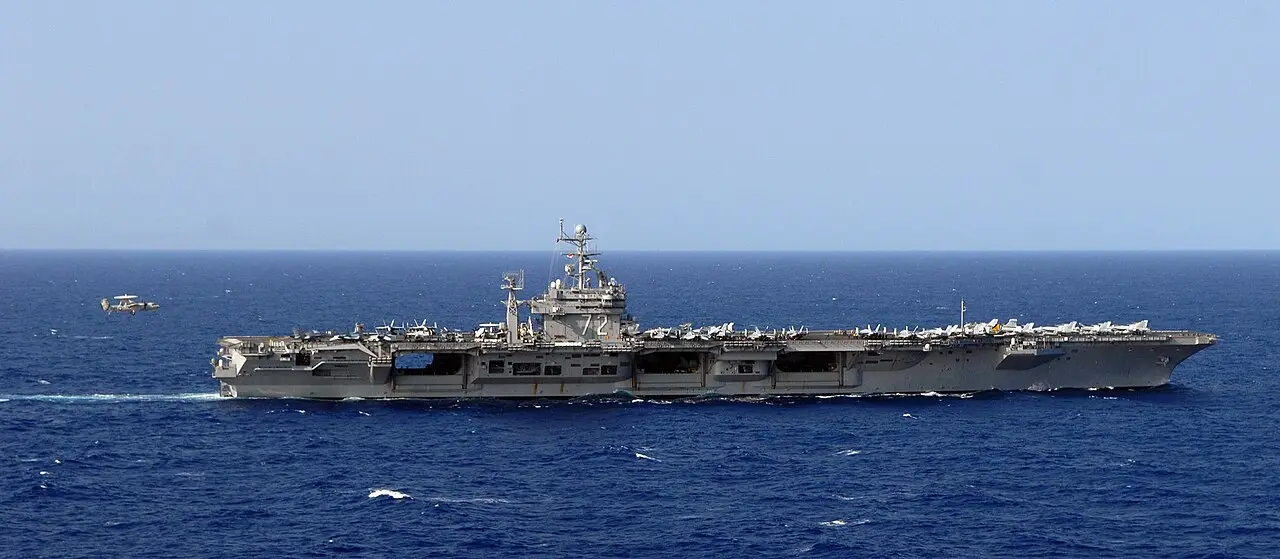
Sinking the USS Abraham Lincoln requires penetrating Aegis defences and electronic jamming. A 'mission kill' is more likely than total destruction due to the ship's massive structural resilience.

The "Moving" Target Challenge
Homing in on a city is simple, but hitting an aircraft carrier is mathematically complex. The USS Abraham Lincoln moves at speeds over 30 knots in unpredictable patterns, meaning an Iranian missile must possess an advanced seeker head to constantly adjust its path during the final, fiery plunge through the atmosphere.
The "Aegis" Defensive Shield
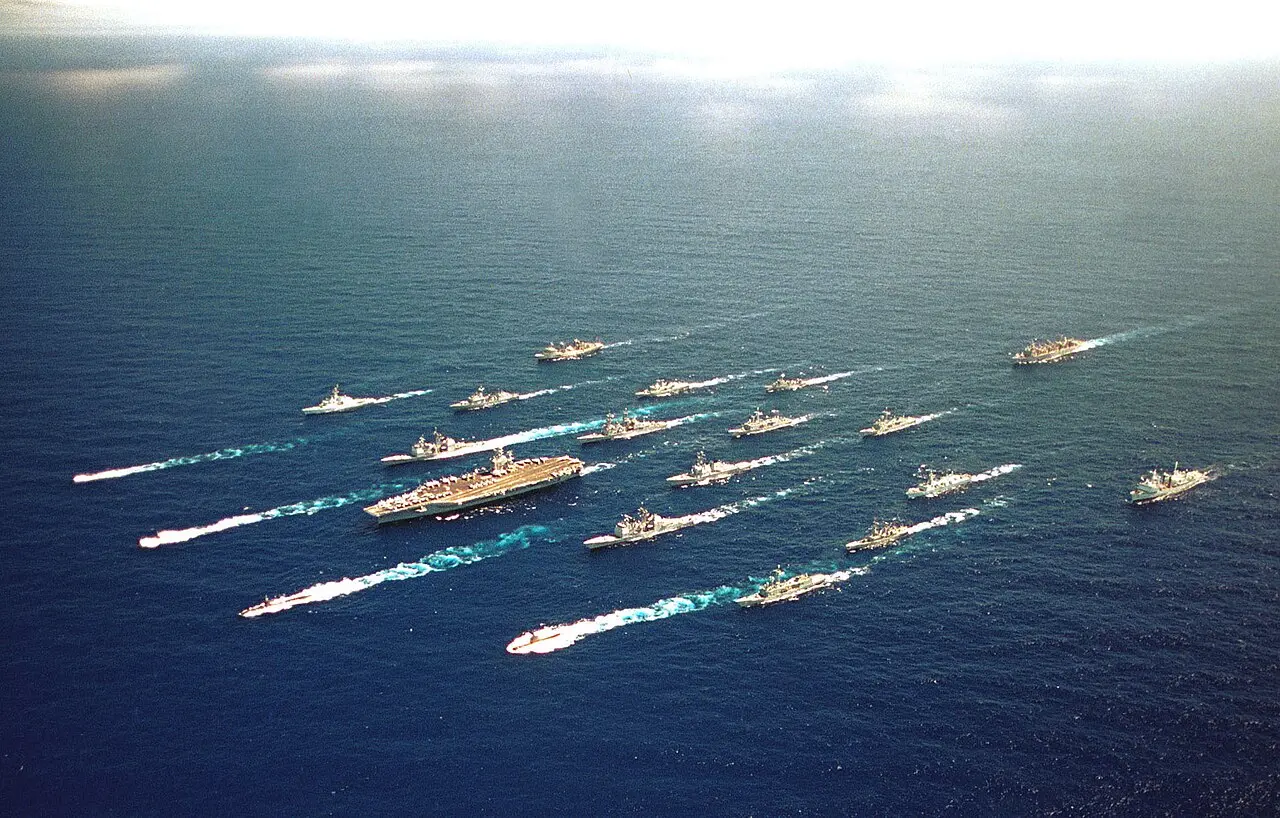
The carrier never fights alone; it sits behind a screen of destroyers equipped with the Aegis Combat System. This powerful radar network creates a protective bubble extending hundreds of kilometres, capable of tracking and assigning interceptors to destroy multiple incoming threats simultaneously before they reach the fleet.
The "Exo-Atmospheric" Impact
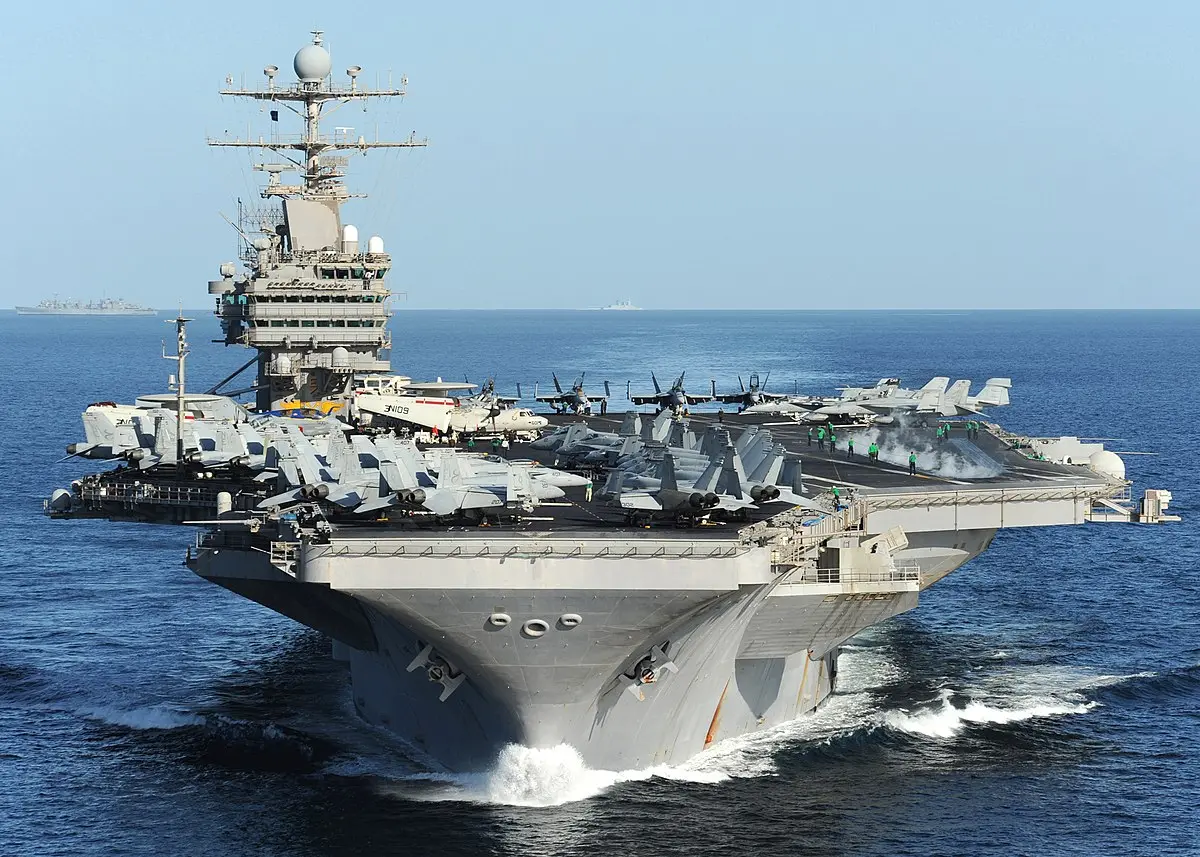
The first line of defence is the Standard Missile-3 (SM-3), designed to hit ballistic threats while they are still in space. These interceptors act as kinetic kill vehicles, smashing into the enemy warhead with the force of a high-speed collision outside the Earth's atmosphere, neutralising the danger far above the ocean.

The "Terminal" Phase Defence
If a missile slips past the outer shield, the Navy deploys the SM-6 interceptor. Unlike its predecessor, this weapon engages targets within the atmosphere, using advanced software to track and destroy high-speed threats diving towards the water in the final seconds before impact.

The "Electronic" Jamming Wall
Not every defence involves a physical projectile; the AN/SLQ-32 system wages war on the electromagnetic spectrum. By beaming high-power energy at the incoming missile, the ship can confuse the weapon's radar or blind its sensors, causing it to lose its lock and crash harmlessly into the sea.

The "Phalanx" Metal Storm
For any threat that penetrates the missile screen, the carrier relies on the Phalanx Close-In Weapons System. This radar-guided Gatling gun fires 20mm tungsten rounds at 4,500 rounds per minute, creating a dense wall of metal designed to shred the missile moments before it strikes the hull.

The "Saturation" Attack Risk
Iran's most viable tactic is not a single advanced weapon, but a 'swarm' attack firing dozens of missiles at once. The goal is to overwhelm the tracking computers and missile magazines of the escorting destroyers, hoping that the sheer volume of fire allows one or two warheads to leak through the defences.
The "Floating" Steel Fortress
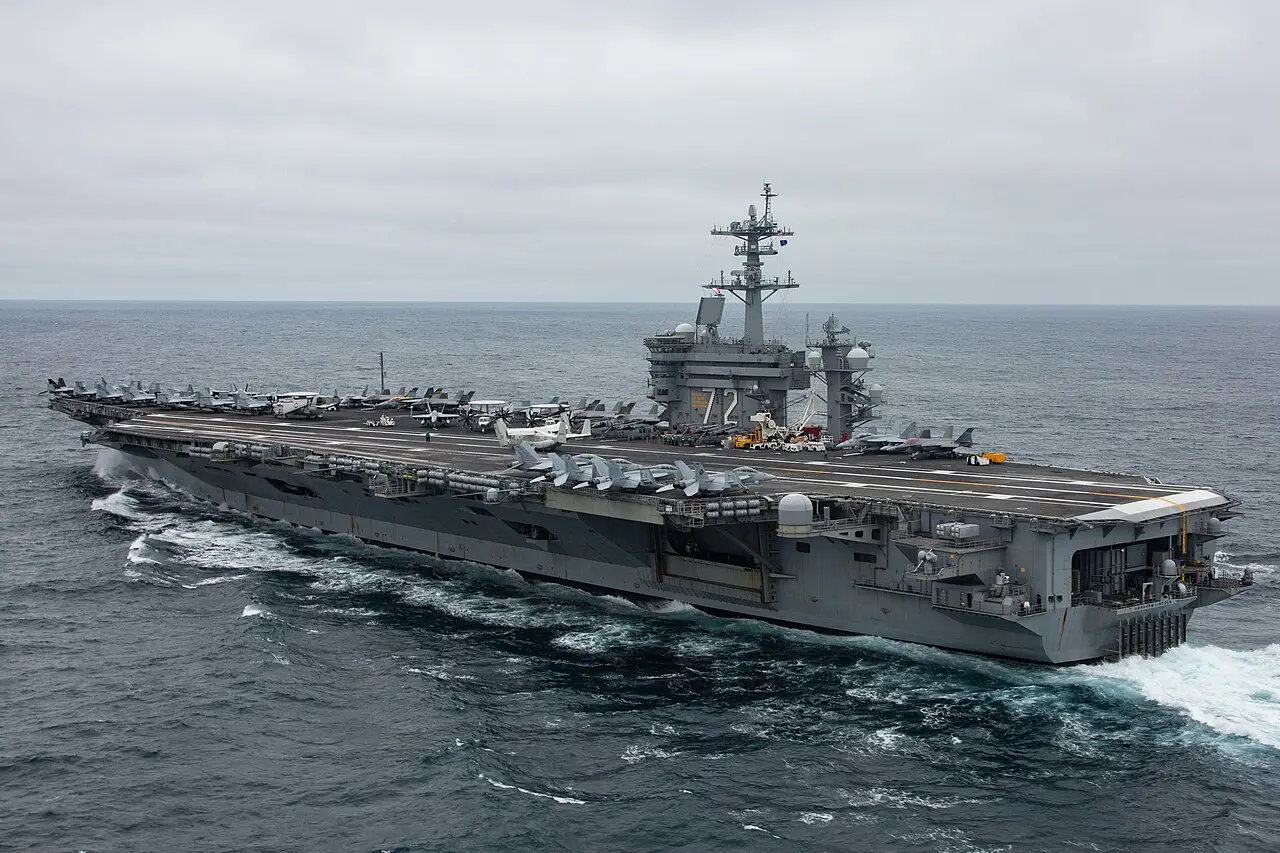
Sinking a Nimitz-class carrier with conventional warheads is statistically improbable. The vessel is constructed from heavy, high-strength steel and contains thousands of watertight compartments, allowing it to absorb significant damage and remain afloat even after sustaining a direct hit.
The "Operational" Kill Threat
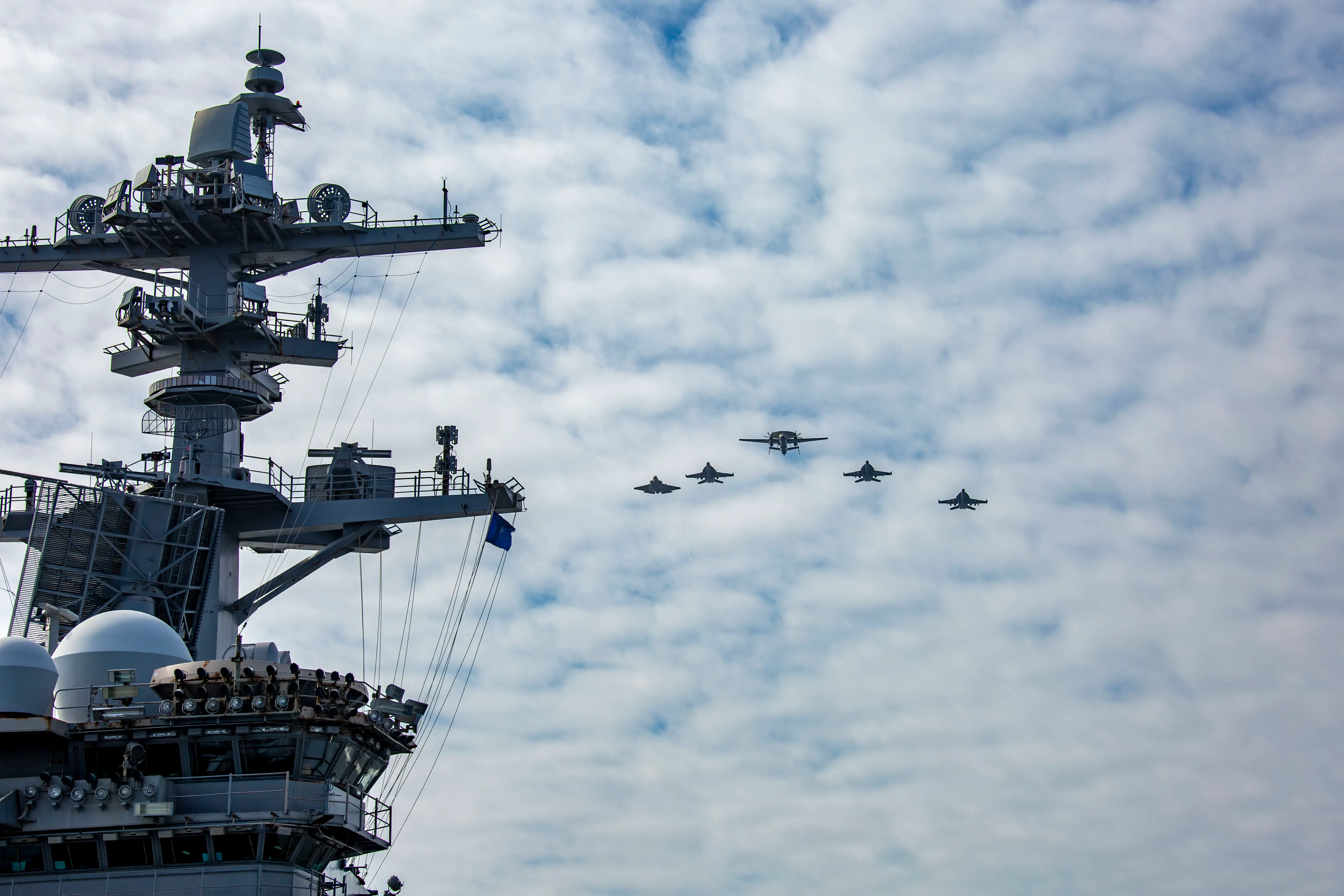
Iran does not need to sink the Lincoln to remove it from the war; they only need a 'mission kill'. A successful strike on the flight deck would destroy the catapults or runway, grounding the air wing and rendering the carrier useless as an offensive platform without actually sinking it.
The "Damage" Control Teams
The final factor is the human element aboard the ship. US Navy sailors are relentlessly trained in damage control, firefighting, and flood containment, ensuring that even if a missile strikes, the crew can isolate the breach and keep the vessel fighting.
)
)
)
)
)