Can Iran sink the USS Tripoli with its hypersonic ‘Fattah’ missiles?

Iran’s Fattah missile can severely threaten the USS Tripoli. While it manoeuvres to evade radars, hitting a moving warship requires complex targeting. The US counters this using Aegis destroyers, electronic decoys, and SM-6 interceptors.
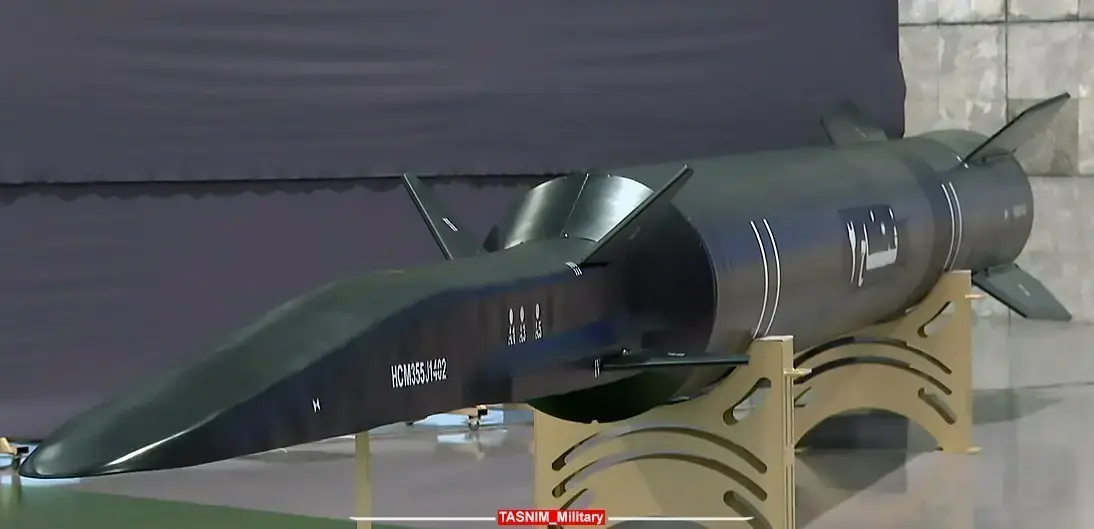
The Hypersonic Threat
Iran claims its Fattah hypersonic missile travels at staggering speeds of up to Mach 15. With a declared range of 1,400 kilometres, it can theoretically strike the USS Tripoli anywhere in the Persian Gulf or Arabian Sea in mere minutes.
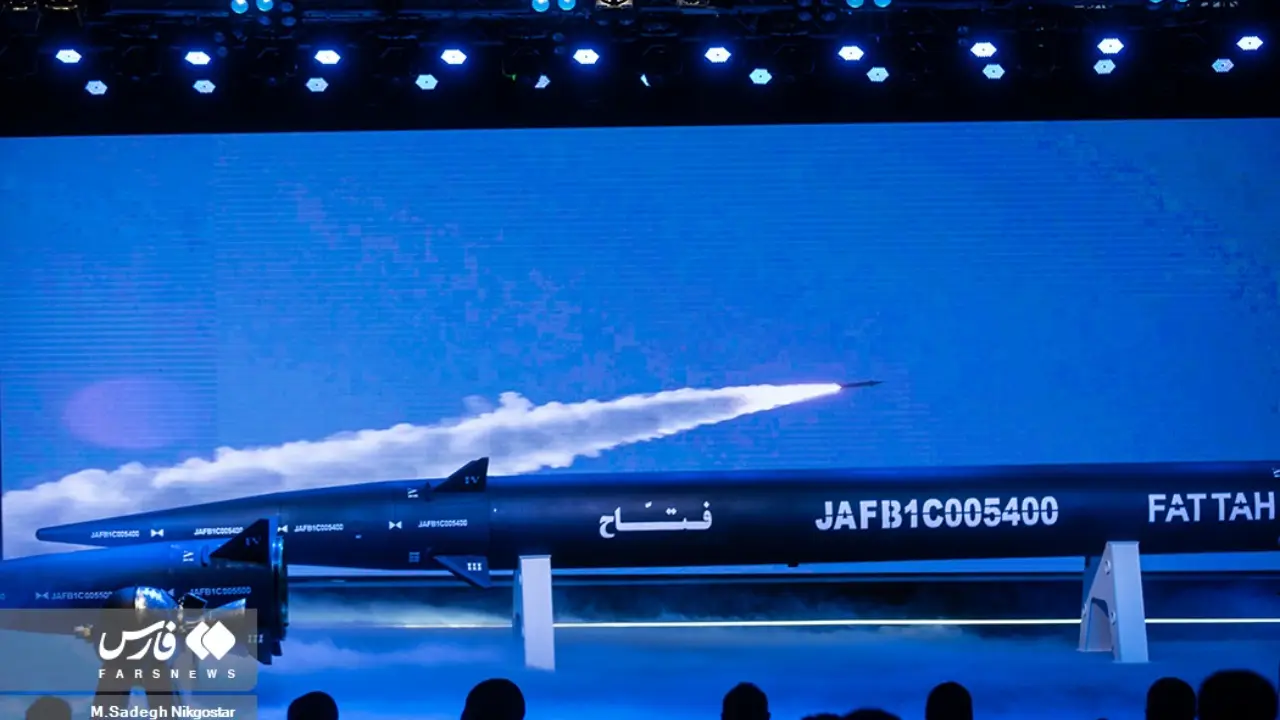
Evading the Radars
Unlike standard ballistic weapons, the Fattah is equipped with a hypersonic glide vehicle payload. This allows it to perform complex, unpredictable manoeuvres inside and outside the Earth’s atmosphere, making it exceptionally difficult for early-warning systems to track.
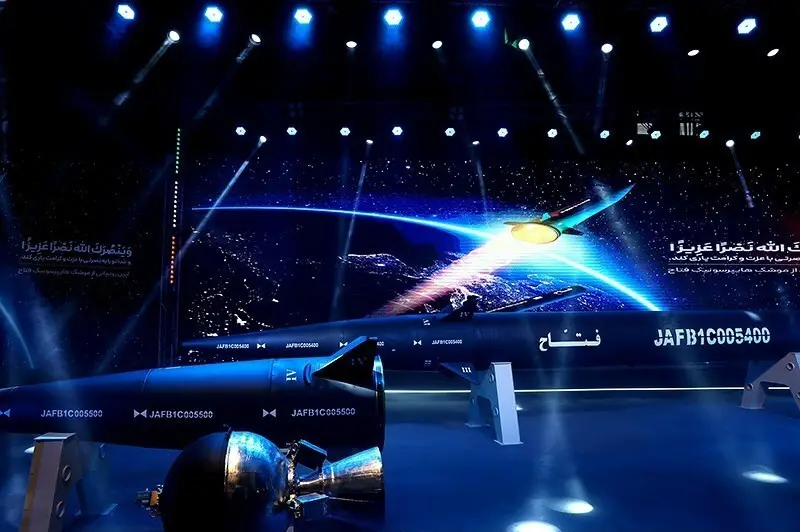
The Kill Chain Problem
Striking a moving target like a 45,000-ton warship is completely different from hitting a stationary land base. Iran must rely on a vulnerable network of drones, satellites, and coastal radars to feed real-time coordinates to the missile mid-flight.
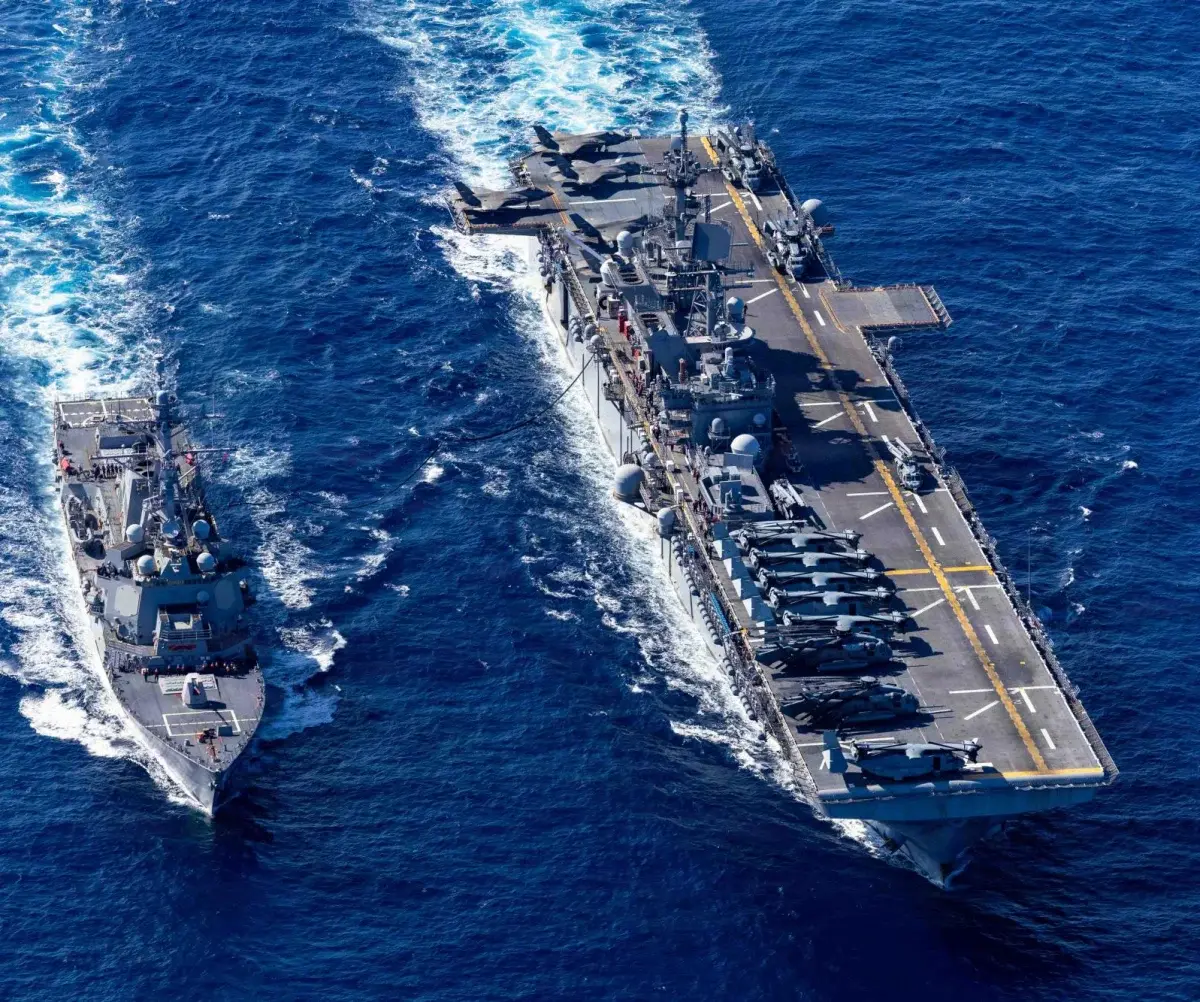
Tripoli's Built-in Shields
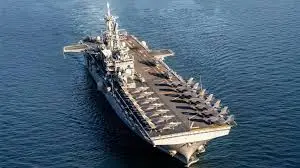
If a missile approaches, the USS Tripoli activates its onboard defence grid. This includes RIM-162 Evolved SeaSparrow Missiles (ESSM) and Rolling Airframe Missiles (RAM), designed to destroy incoming threats in their final, terminal phase of flight.
The Electronic Wall
Before kinetic weapons are even fired, the ship deploys its powerful AN/SLQ-32 electronic warfare suite. By launching Mk53 Nulka active decoys, the Tripoli can effectively blind the Fattah’s seekers, tricking the missile into hitting empty ocean.
The Aegis Escort
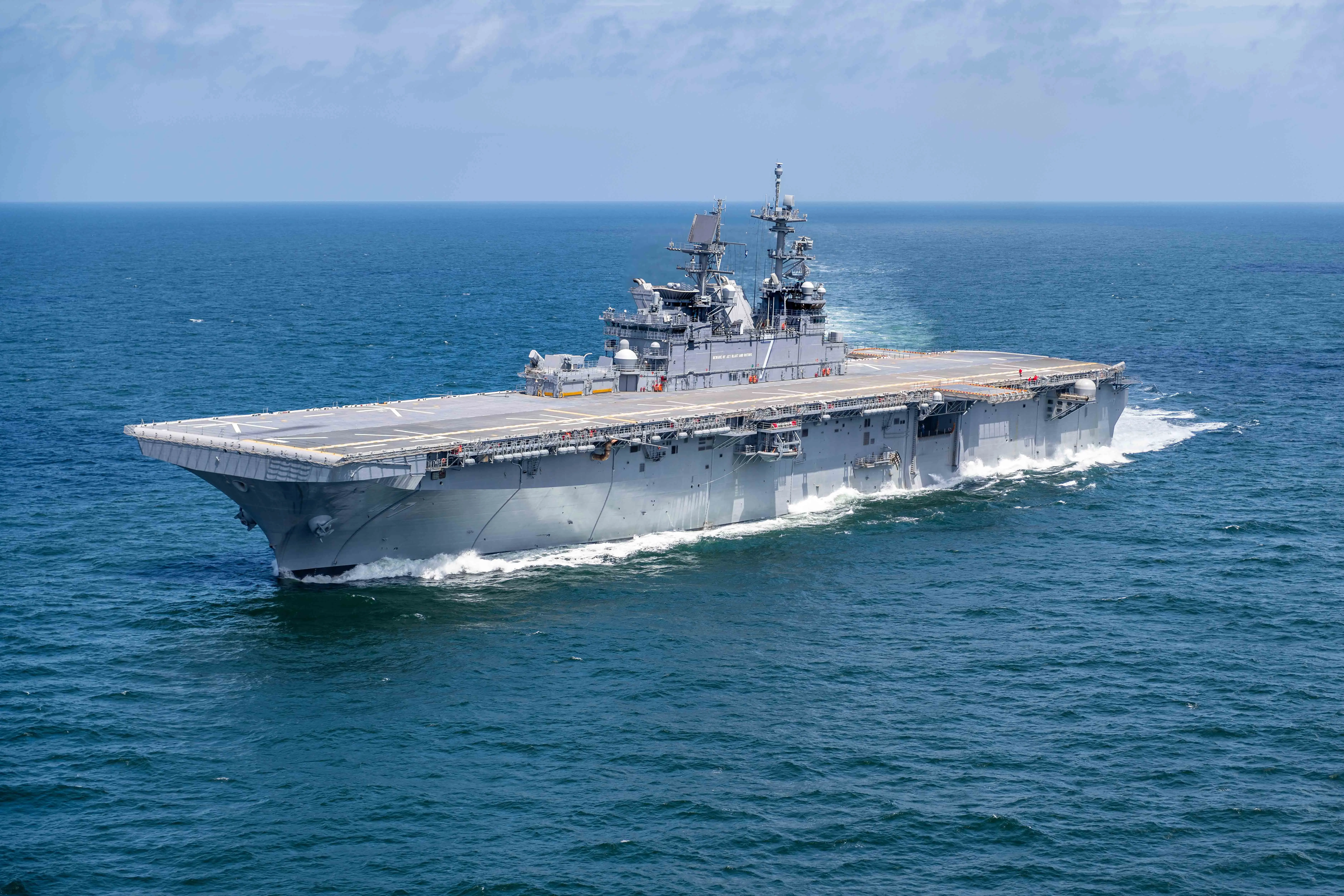
The USS Tripoli never sails alone into hostile waters. It is heavily guarded by Arleigh Burke-class destroyers equipped with the Aegis Combat System and SM-6 interceptors, which are explicitly designed to shoot down hypersonic glide vehicles.
Could it actually sink it?
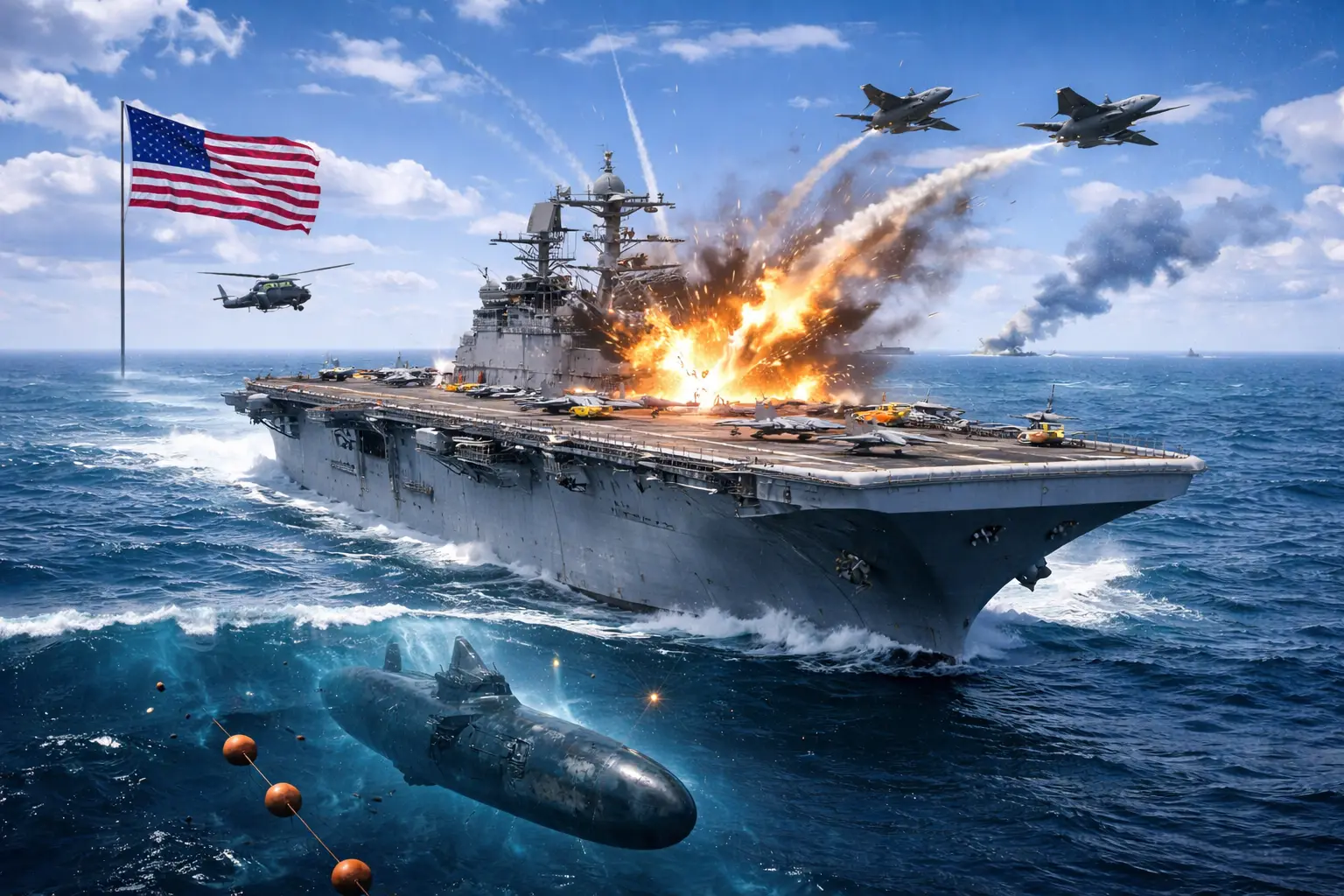
A direct impact from a Mach 15 warhead possesses enough kinetic energy to catastrophically cripple or sink the Tripoli. However, Iran must first bypass the world's most advanced naval radar network and heavily armed destroyer escorts to score a direct hit.
)
)
)
)
)