Can Iran’s defence systems stop Israeli drones? How effective would they be in case of war?

Iran uses a mix of Russian S-300s and local Bavar-373 systems to guard its airspace. While capable against jets, detecting advanced Israeli stealth drones remains a complex challenge due to radar gaps.

Multi-layered defence network
Iran operates a complex mix of domestic and imported air defence systems. This includes Russian-made hardware and locally engineered missile batteries designed to cover different altitudes. The goal is to create overlapping fields of fire against incoming threats.
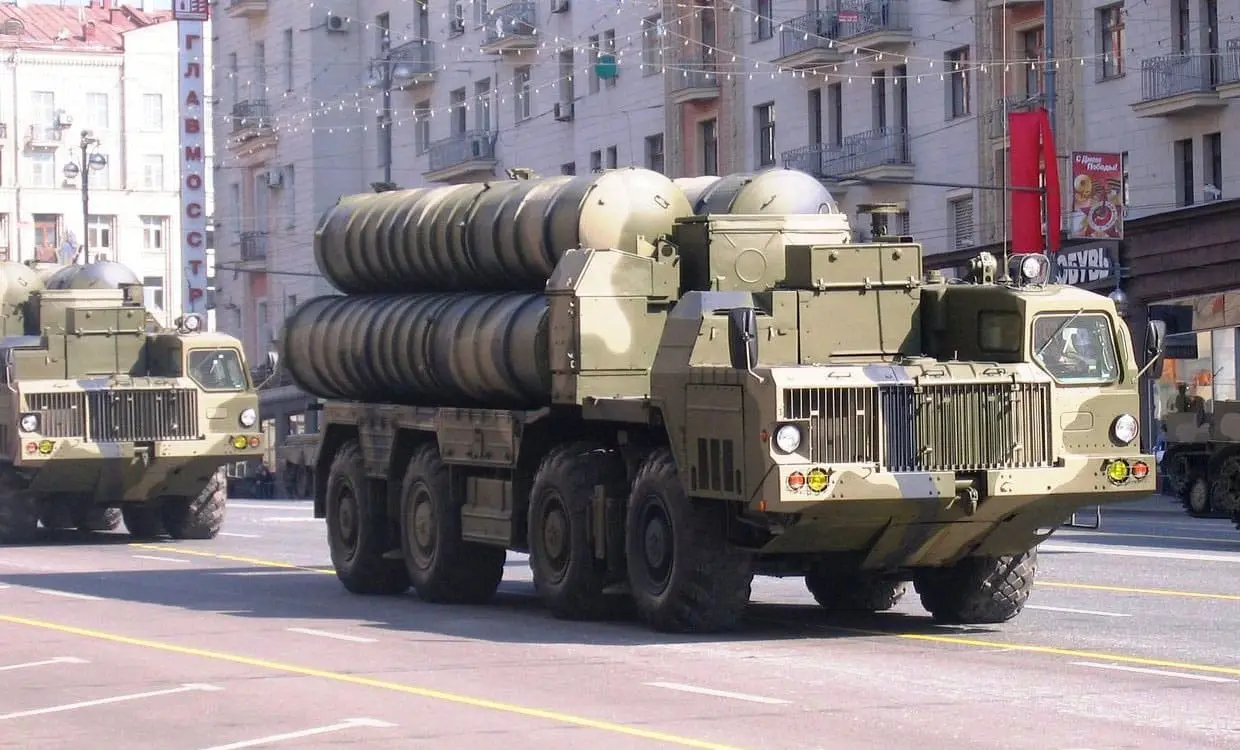
Russian S-300 capability
Tehran relies on the Russian S-300 PMU2 system for long-range interception. It can track multiple targets simultaneously at ranges up to 200 kilometres. However, it was originally designed for aircraft and missiles, not small, low-flying drones.
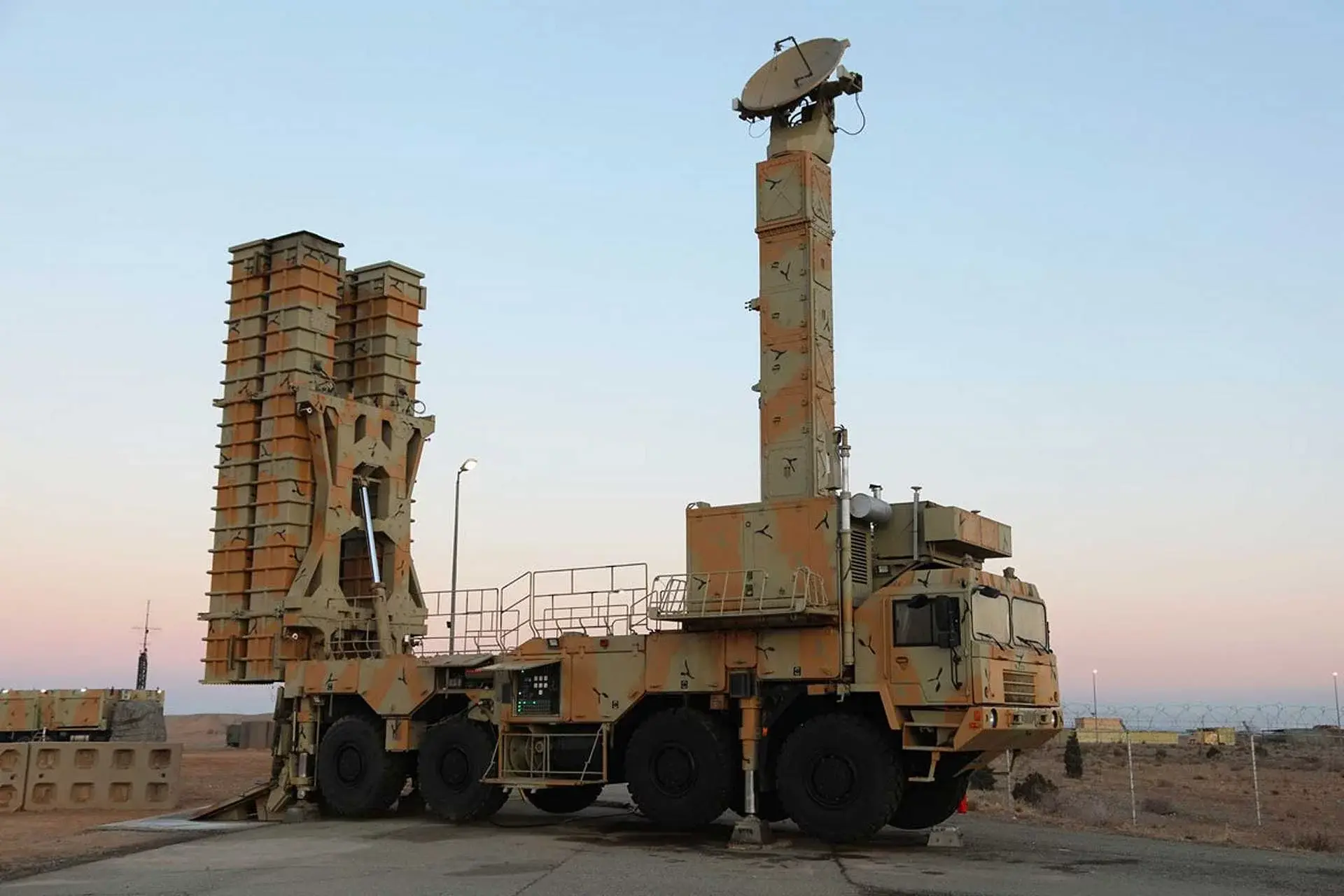
Domestic Bavar-373 shield
Iran claims its indigenous Bavar-373 is superior to the Russian S-300. Officials state it can detect targets 450 kilometres away and engage them at 300 kilometres. It uses the Sayyad-4B missile to intercept high-altitude threats.
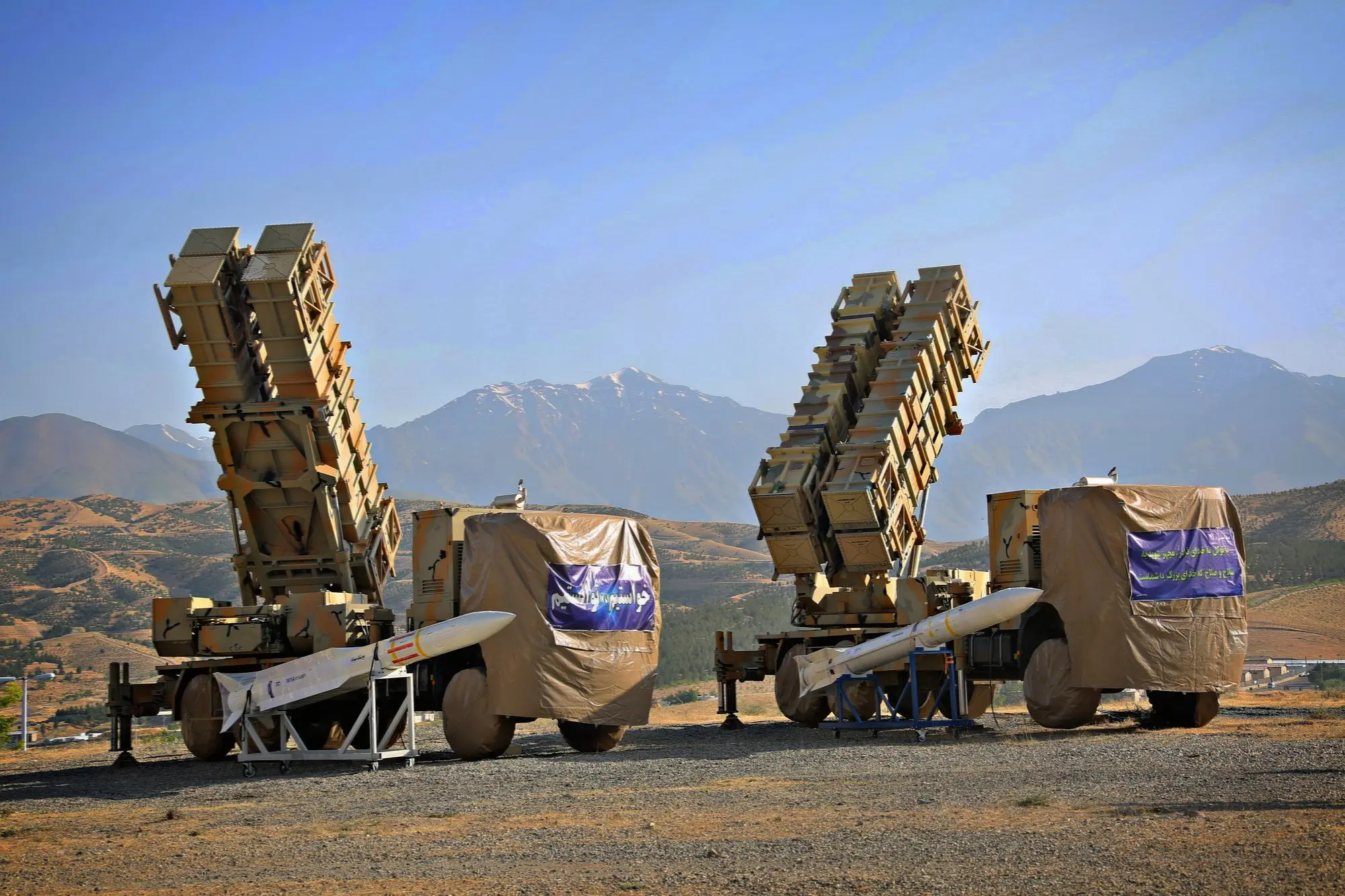
Khordad-15 tactical system
For medium-range threats, the Khordad-15 system is a key asset. It is equipped with passive phased array radar to detect stealth targets within 85 kilometres. This system is specifically marketed as being effective against combat drones.
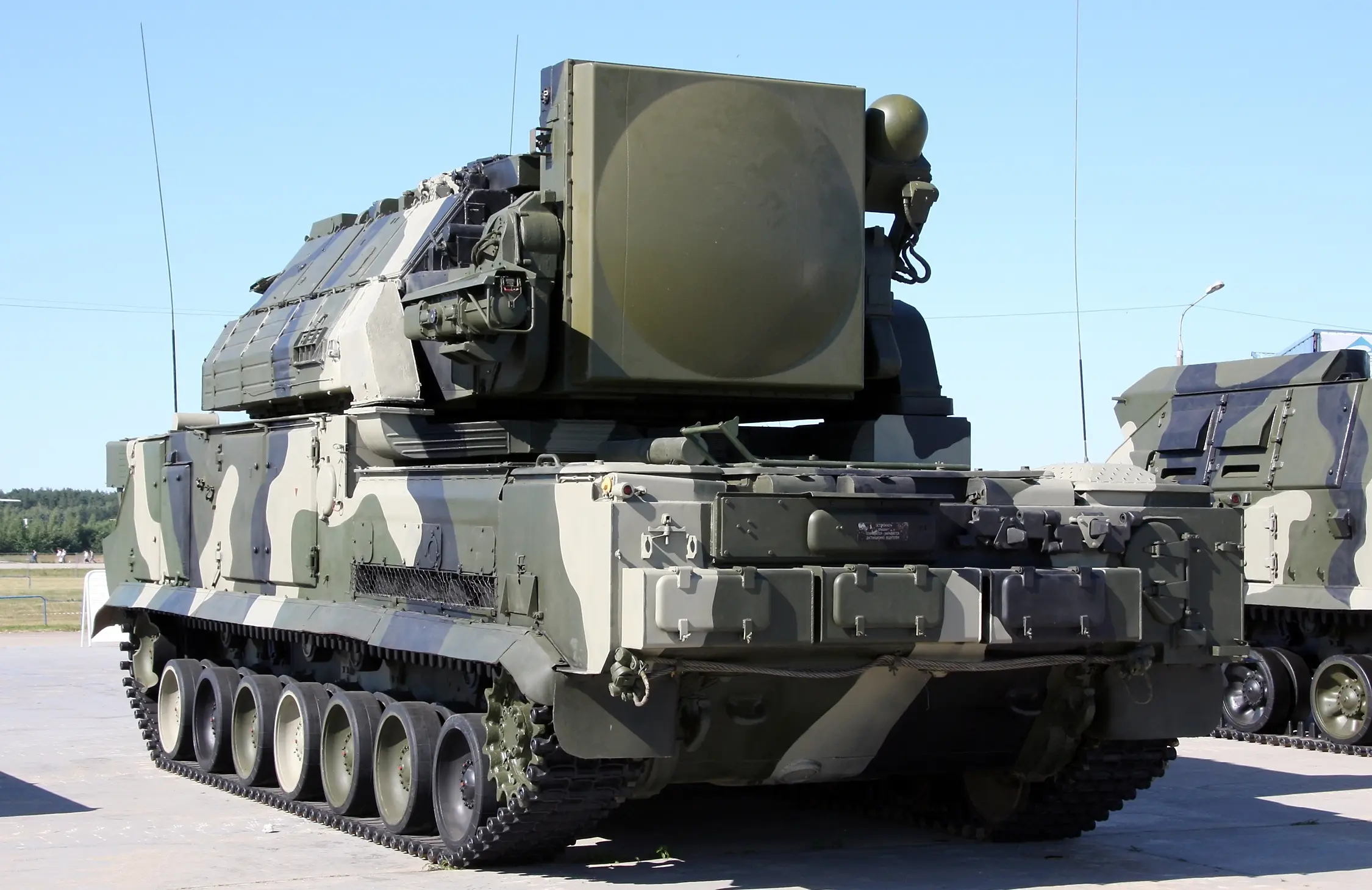
Tor-M1 for close defence
The Russian-supplied Tor-M1 provides the last line of defence for critical sites like nuclear facilities. It is mobile and designed to shoot down guided weapons and drones at very short ranges. Effectiveness depends heavily on radar integration.
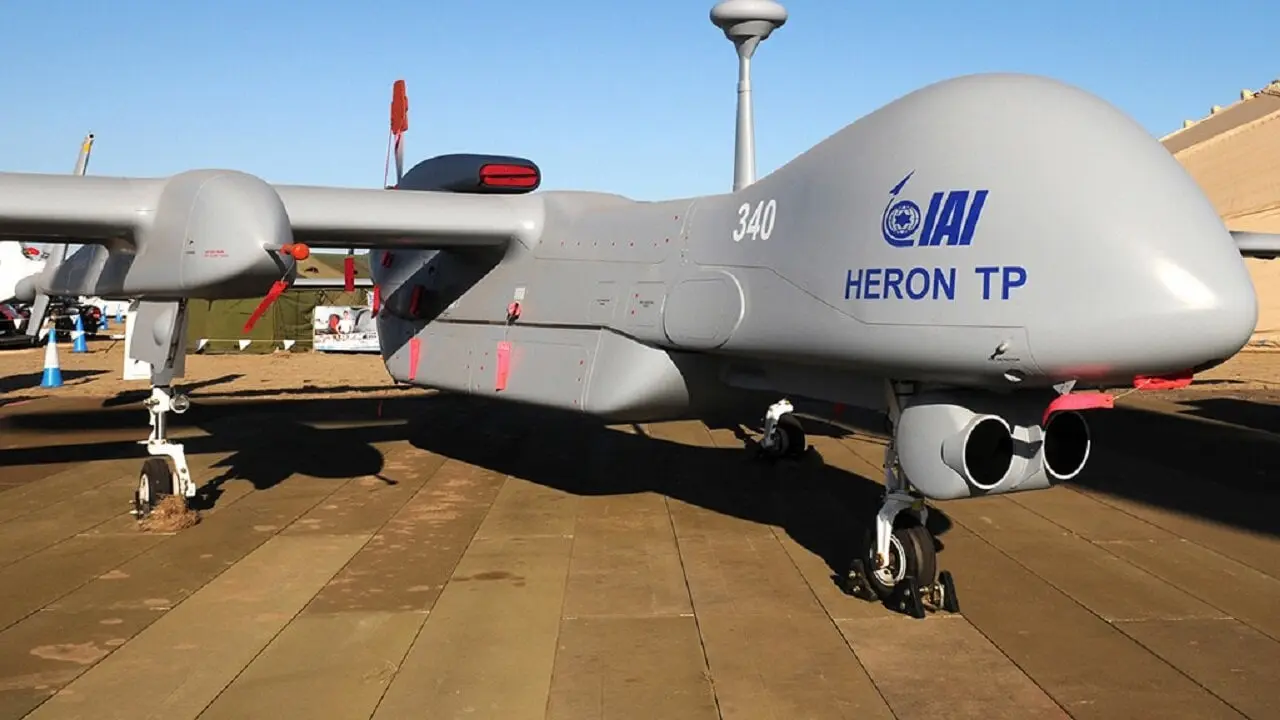
Israel’s advanced UAVs
Israel possesses some of the world's most sophisticated drones, including the Heron TP and Hermes 900. These UAVs can fly at high altitudes for over 30 hours. Their electronic warfare capabilities pose a significant challenge to radar detection.
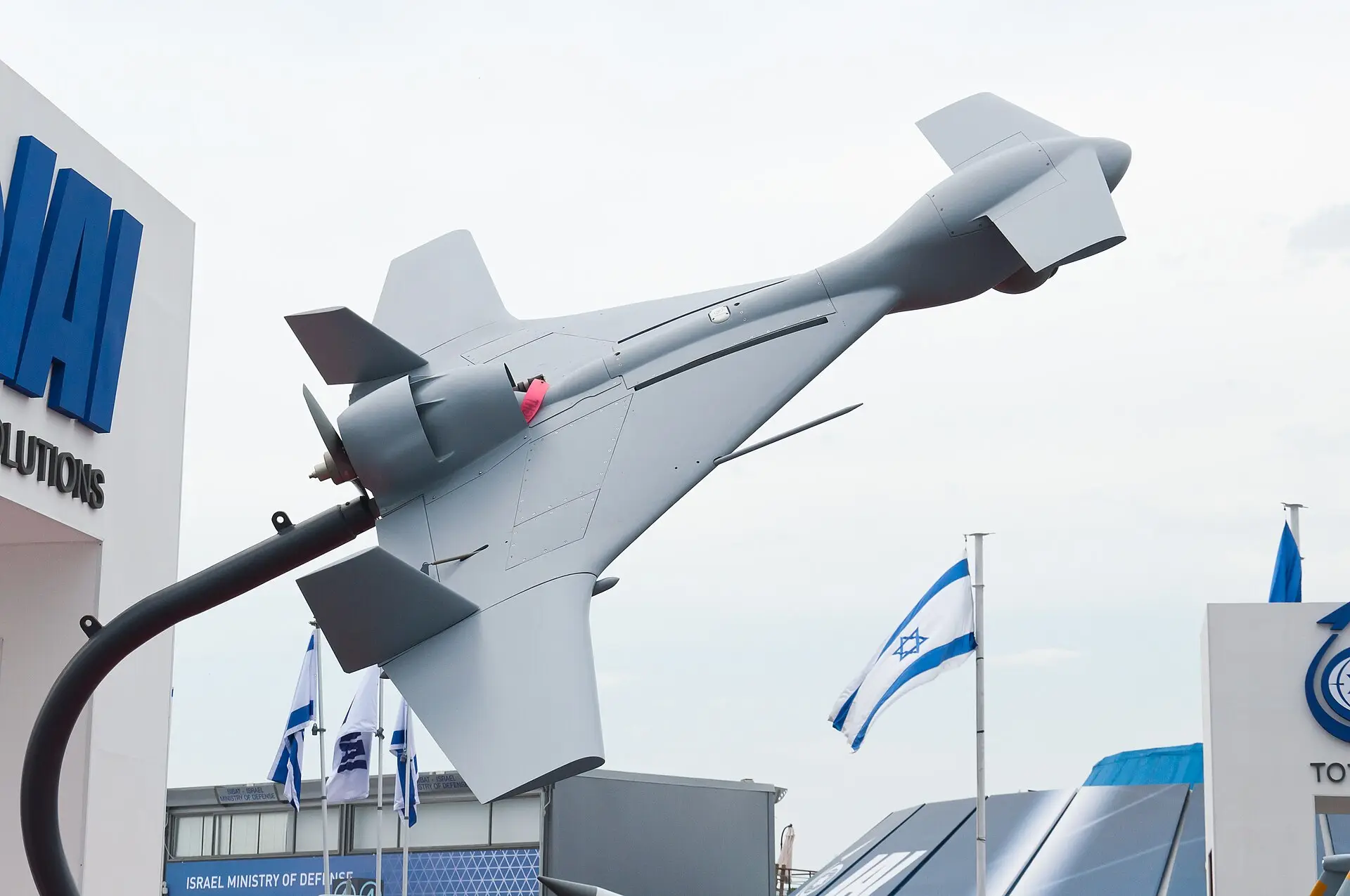
Harop suicide drones
The IAI Harop is a loitering munition that acts as a suicide drone. It is designed to hunt down radar systems by detecting their emissions. These small, distinct targets are difficult for traditional heavy air defence batteries to lock onto.

Low-altitude detection issues
A major challenge for Iran is the mountainous terrain which creates radar blind spots. Low-flying drones can exploit these gaps to evade long-range sensors. Integrating data from all radar sites remains a technical hurdle for operators.

Jamming and cyber attacks
Physical interception is only half the battle; electronic warfare is crucial. Israeli drones often carry jamming pods to confuse enemy radar. Iran has developed electronic countermeasures, but their effectiveness against top-tier Israeli tech is untested.
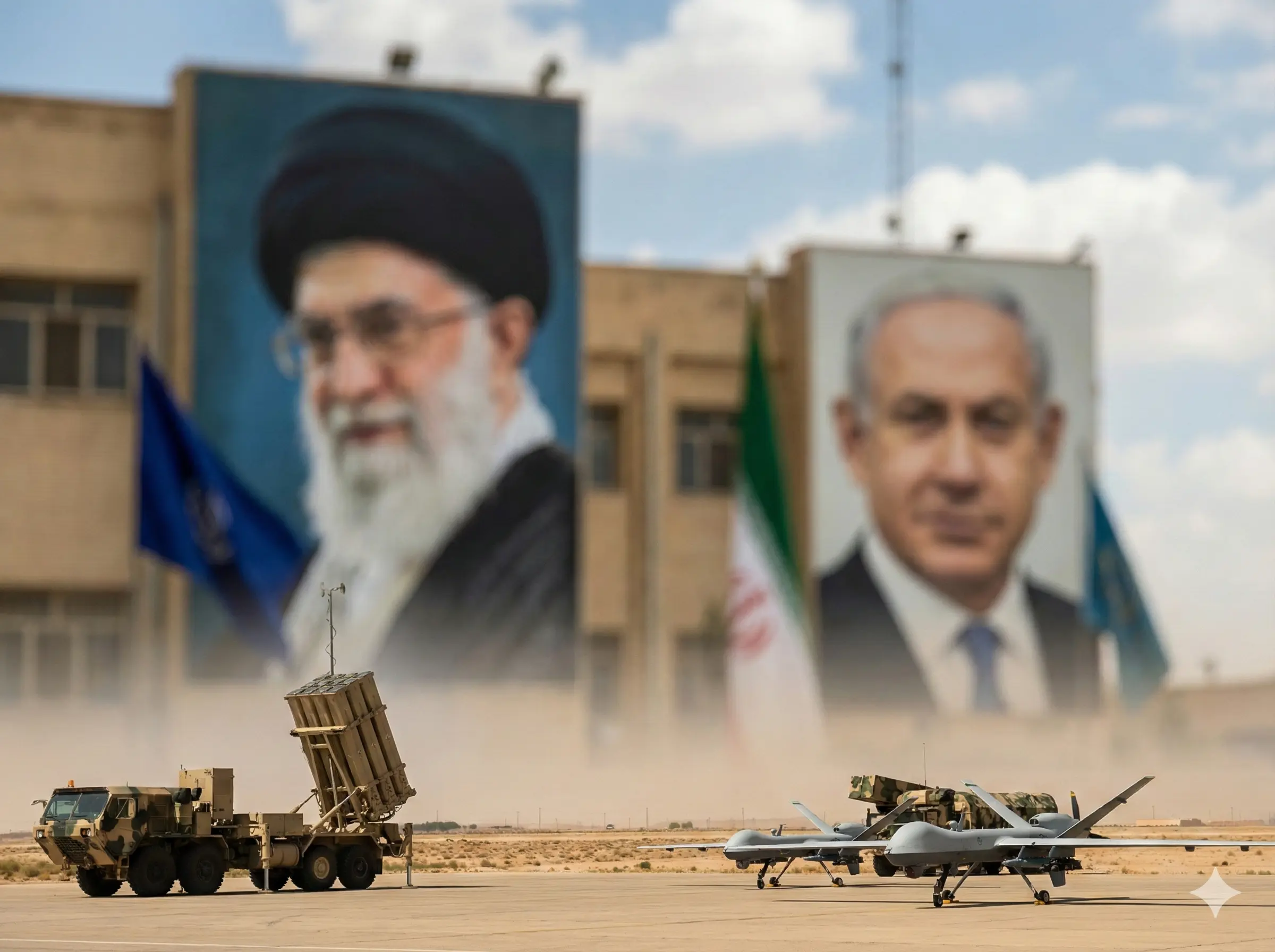
Saturation strike risk
While Iran has formidable individual systems, a saturation attack involving swarms of drones could overwhelm the grid. The sheer volume of incoming targets can deplete missile stocks quickly, allowing some strikes to penetrate the shield.
)
)
)
)
)