Can Iran’s defence systems stop Israel’s deadliest air-to-air missiles?

Israel’s Python-5 and I-Derby ER missiles pose a severe test for Iran’s S-300 and Bavar-373 defence systems. The combination of stealth aircraft, electronic jamming, and Mach 4 missile speed makes interception extremely difficult for Tehran’s air defence network in any potential conflict.

The Incoming Aerial Threat
Israel operates a highly sophisticated air force equipped with missiles designed to dominate the skies. The combination of short-range agility and long-range precision creates a multi-layered threat for any adversary. Iran’s defence grid faces the difficult task of countering weapons that can strike from unexpected angles and distances.
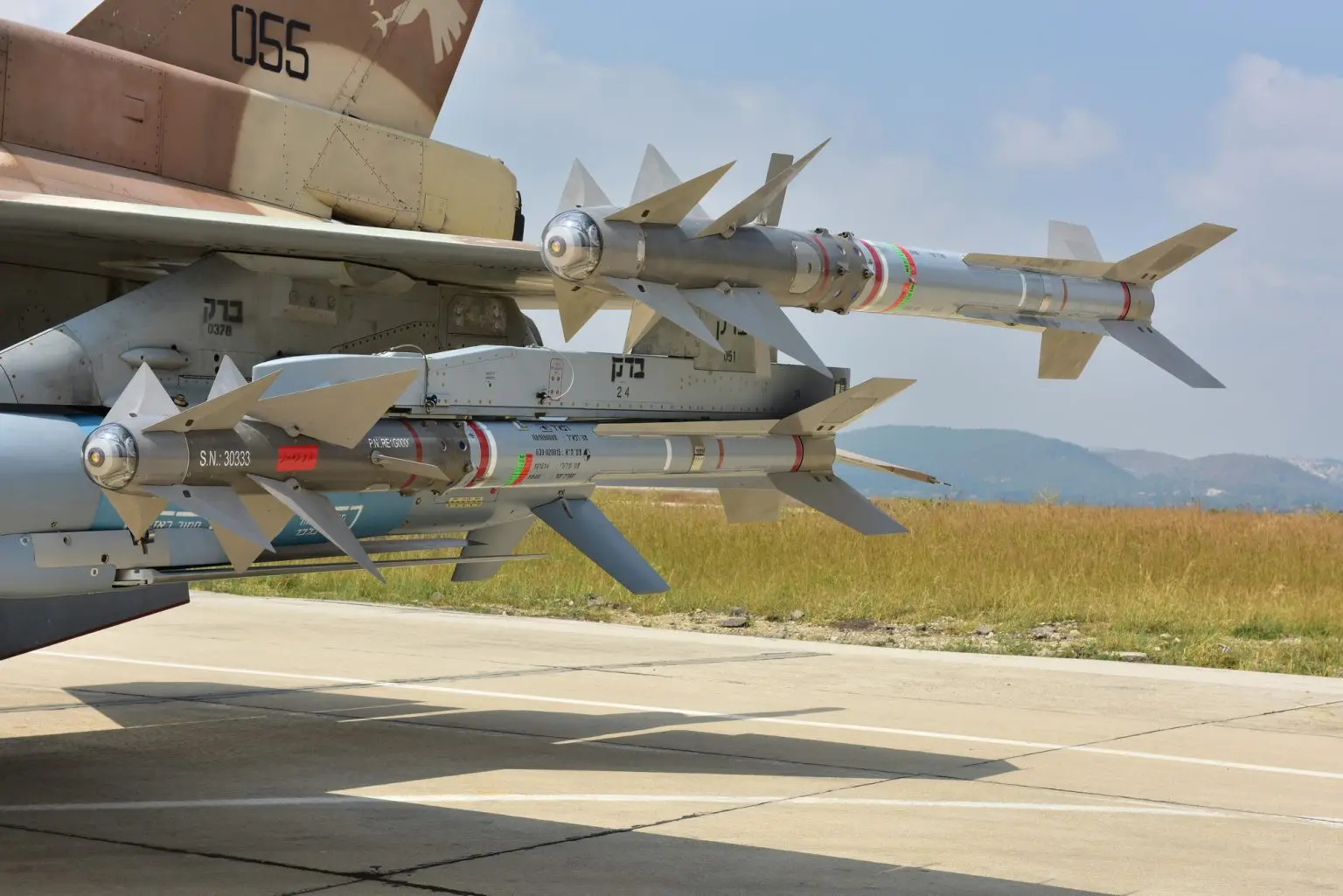
Python-5’s Full Sphere Attack
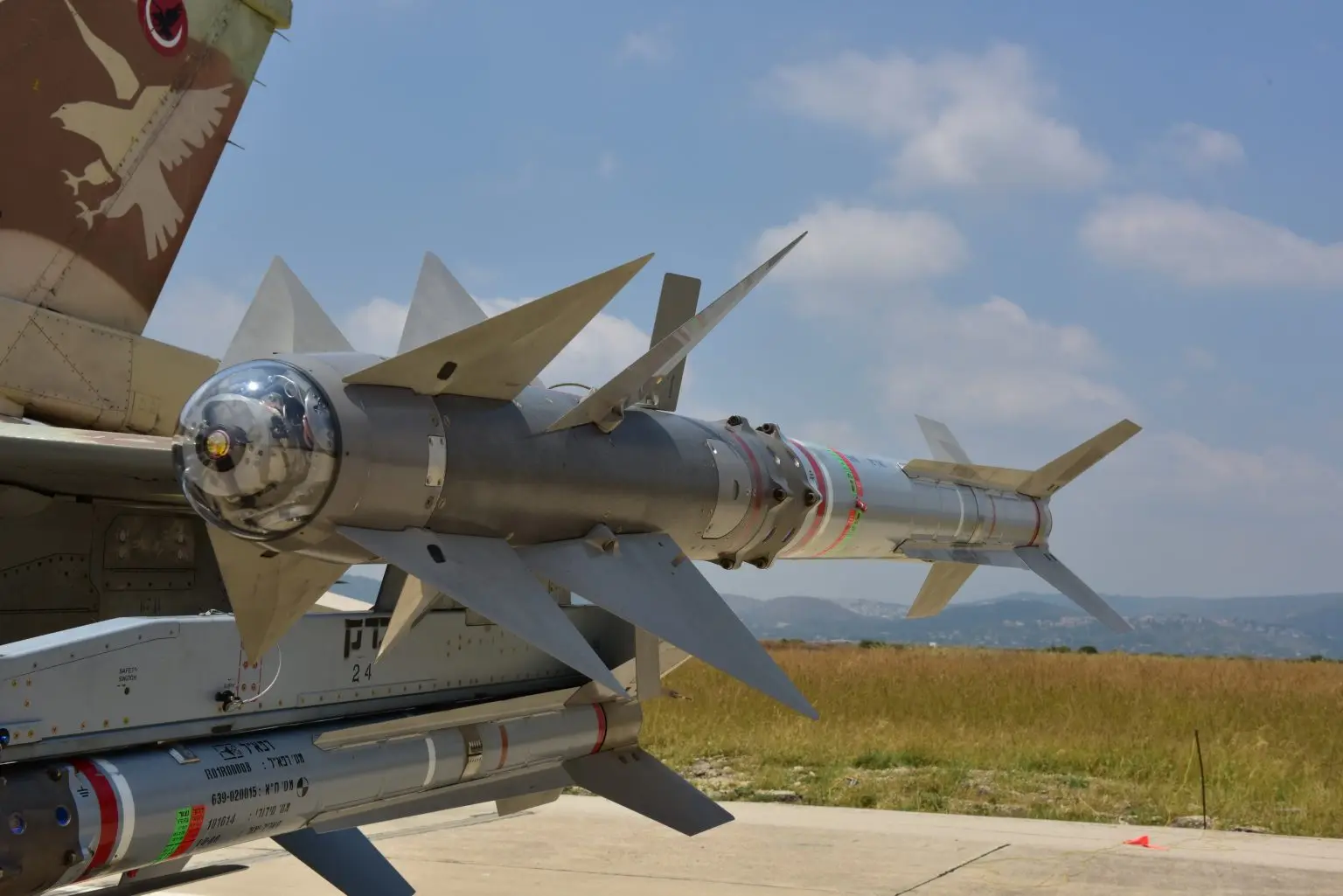
The Python-5 is Israel’s fifth-generation air-to-air missile capable of a 'full sphere' attack. This means it can target aircraft located behind the launching fighter jet using a 180-degree turn. Its dual-band imaging infrared seeker makes it extremely resistant to flares and decoys used by defending planes.
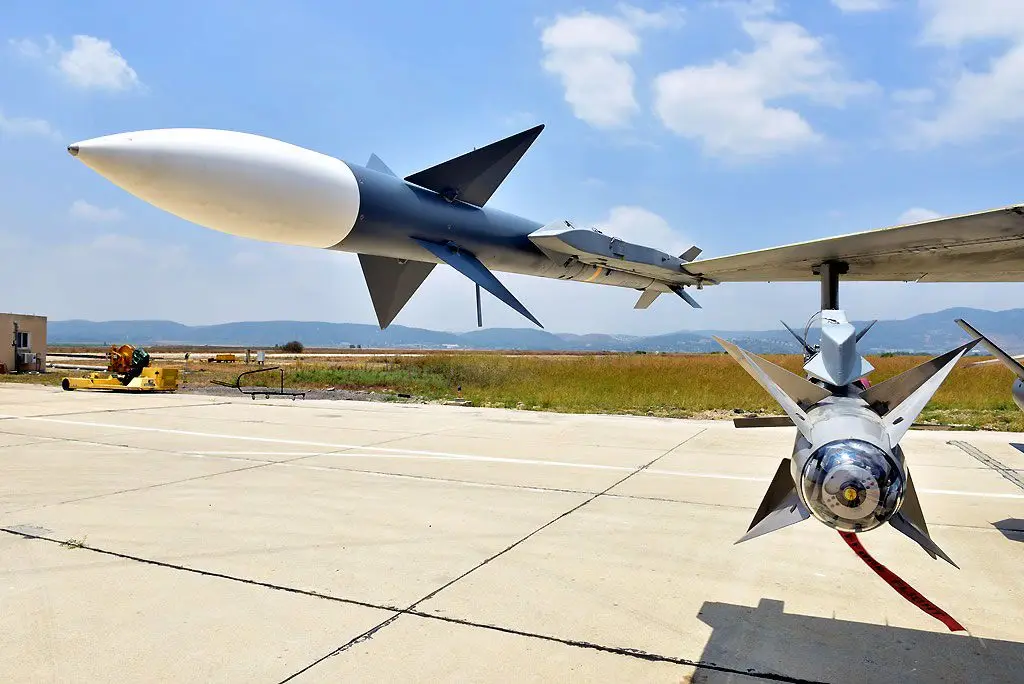
I-Derby ER’s Long Reach
The I-Derby ER serves as Israel’s primary beyond-visual-range (BVR) weapon with a range exceeding 100 kilometres. It uses a software-defined active radar seeker to track targets independently after launch. This allows the attacking aircraft to fire and immediately turn away, staying out of the range of Iranian return fire.
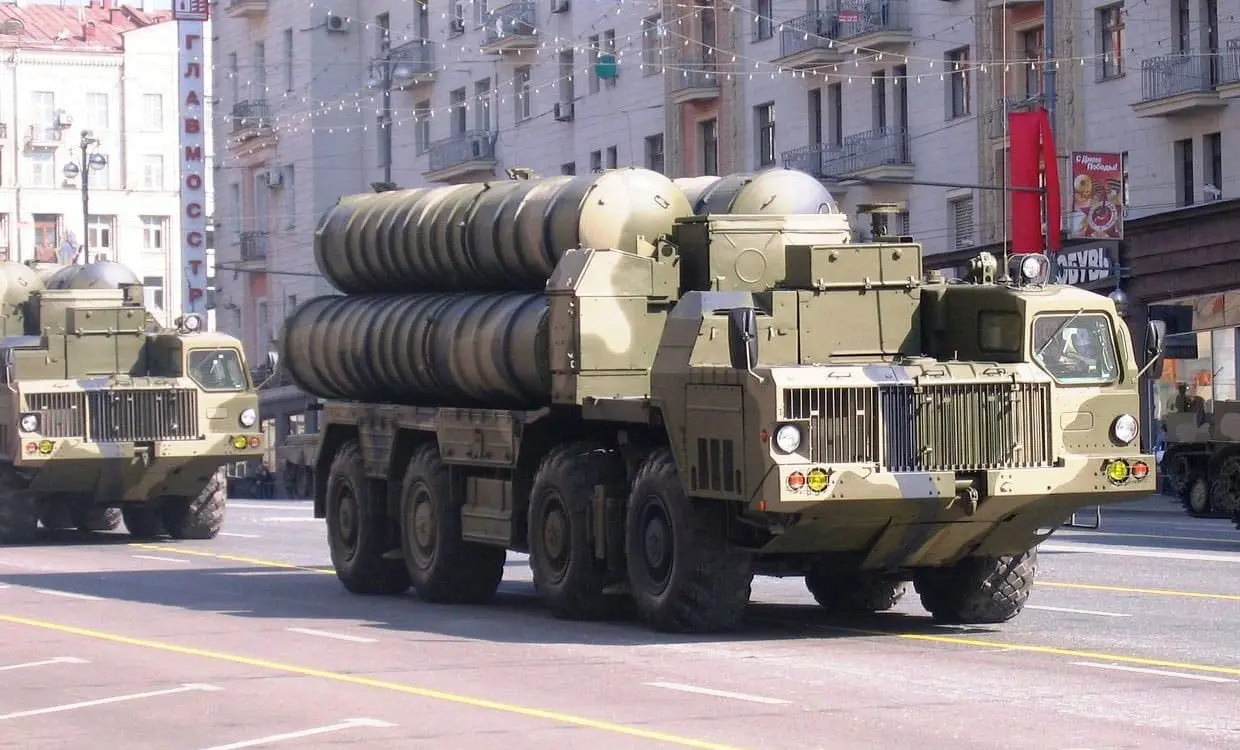
Iran’s Russian S-300 Shield
Tehran relies heavily on the S-300 PMU2 air defence system imported from Russia to protect its strategic sites. These batteries can track multiple targets simultaneously and engage aircraft up to 200 kilometres away. However, the S-300 is an older system that Israeli pilots have studied extensively in training exercises.
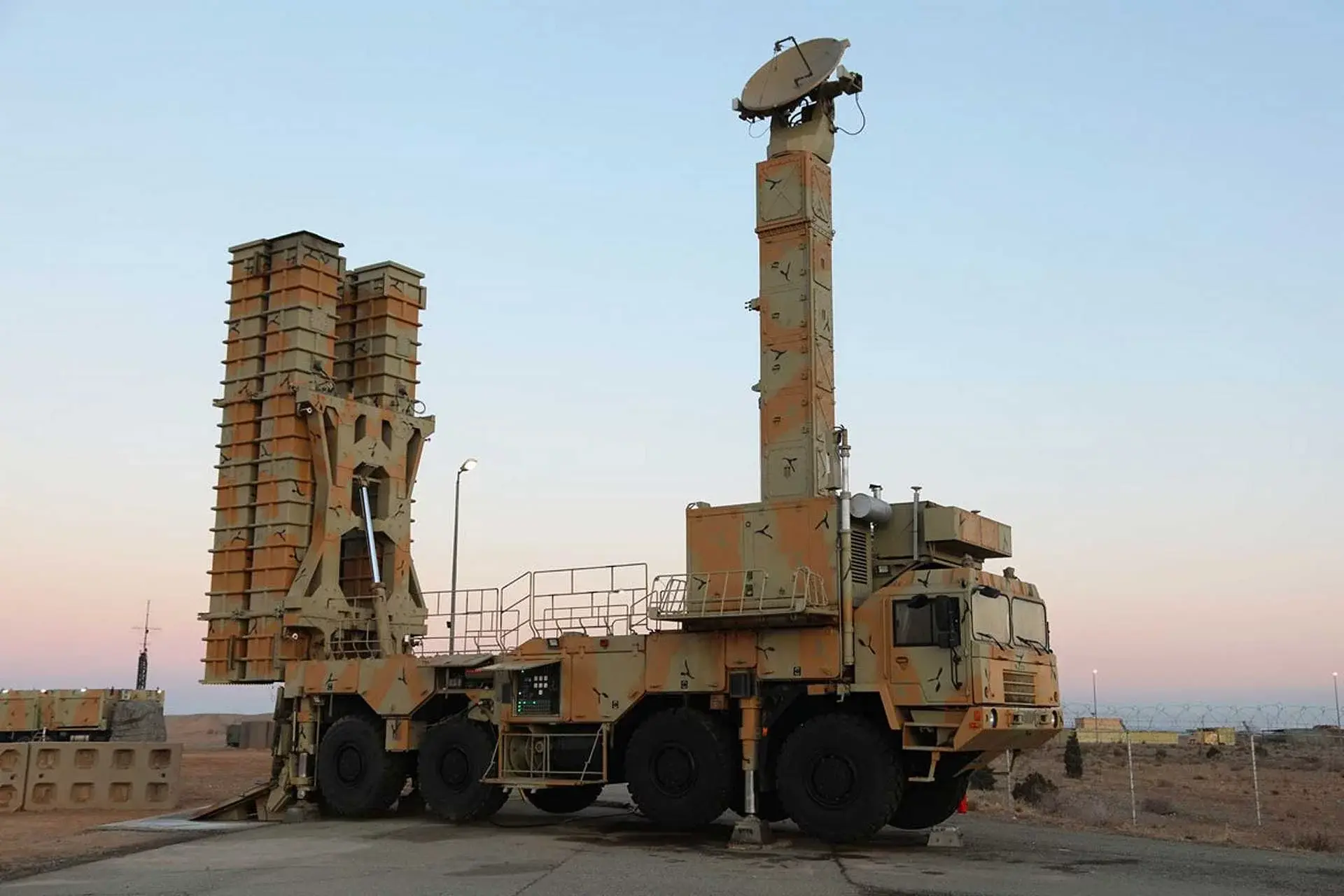
The Homegrown Bavar-373
Iran claims its domestically produced Bavar-373 system matches or exceeds the capabilities of the Russian S-300. Officials state it uses Sayyad-4B missiles to intercept targets at ranges up to 300 kilometres. The true combat effectiveness of this indigenous system remains unproven against advanced electronic countermeasures.
Lock-On After Launch Danger
A critical advantage of the Python-5 is its Lock-On After Launch (LOAL) capability. Pilots can fire the missile even before their sensors have locked onto the enemy aircraft. The missile receives data mid-flight, allowing it to strike targets that the Iranian pilots or ground radars believe are currently safe from attack.

Electronic Warfare Advantage
Israel is a global leader in electronic warfare (EW) and likely possesses the means to jam Iranian radar frequencies. If the S-300 or Bavar-373 radars are blinded or deceived by EW pods, they cannot guide their interceptors. This would leave Iranian airspace vulnerable to the Python-5 and I-Derby ER without active resistance.
The Stealth Delivery System
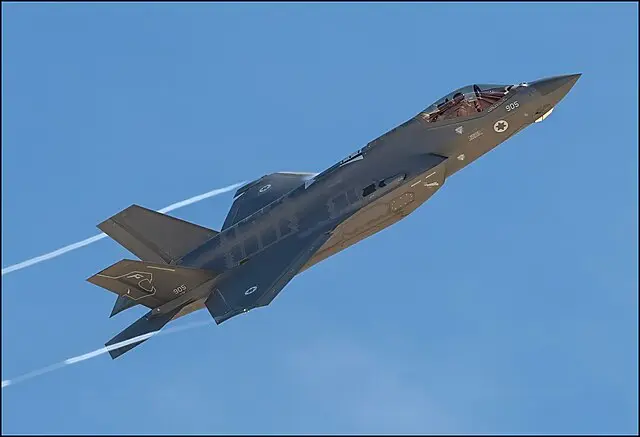
Israel’s F-35I ‘Adir’ fighter jets are designed to carry these deadly missiles internally to maintain stealth. Iranian radar systems struggle to detect stealth aircraft until they are dangerously close. By the time an S-300 battery detects the F-35, the I-Derby ER missiles may already be in the air.

Speed and Maneuverability
The Python-5 operates at speeds around Mach 4 and can perform tight turns at 70G, making it nearly impossible to outmanoeuvre. Standard Iranian interceptor missiles may lack the speed and agility to catch such a fast-moving projectile. This kinetic advantage heavily favours the attacker in a close-range dogfight.

A Difficult Defence Challenge
While Iran boasts a dense network of air defences, stopping Israel’s specific mix of stealth and missile tech is formidable. The I-Derby ER’s range and Python-5’s agility create a "no-escape zone" for defending aircraft. Success for Iran would require perfect radar integration and the ability to withstand heavy electronic jamming.
)
)
)
)
)