Can Iran’s air defense systems really stop a US strike? Which air defense systems do they have?

Iran rebuilt its air defences with the S-400 and domestic Bavar-373 after losing its S-300s in 2024. While capable against drones, the network struggles with integration and stealth detection, making it vulnerable to US air power.
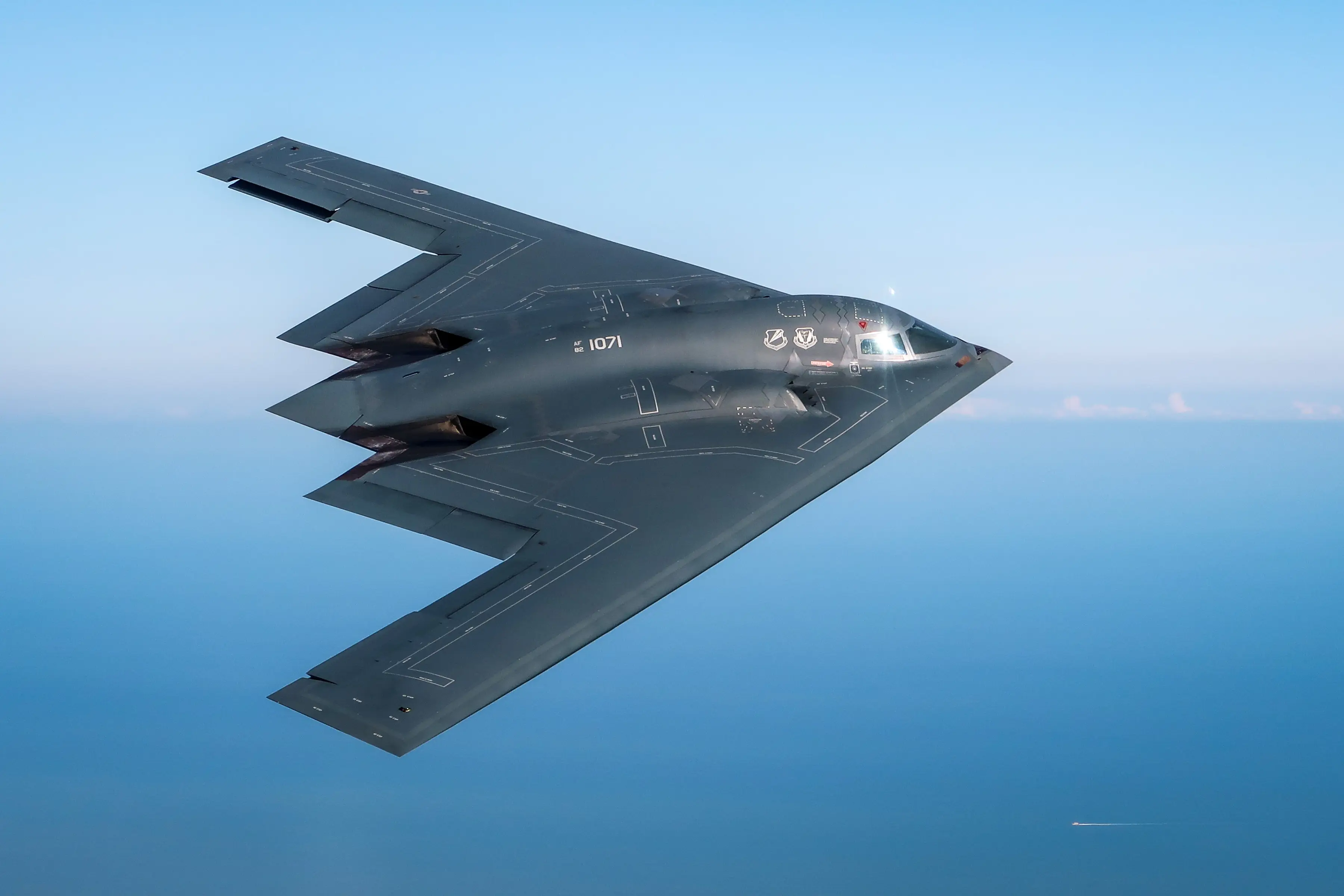
US Air Power
The US Air Force operates the world’s most advanced stealth fleet, including the B-2 Spirit and the new B-21 Raider, which began entering service in 2025-2026. These bombers are designed to suppress enemy radars and penetrate deep into hostile airspace. Combined with F-35 fighters and electronic warfare, they aim to blind defences before missiles are even fired.
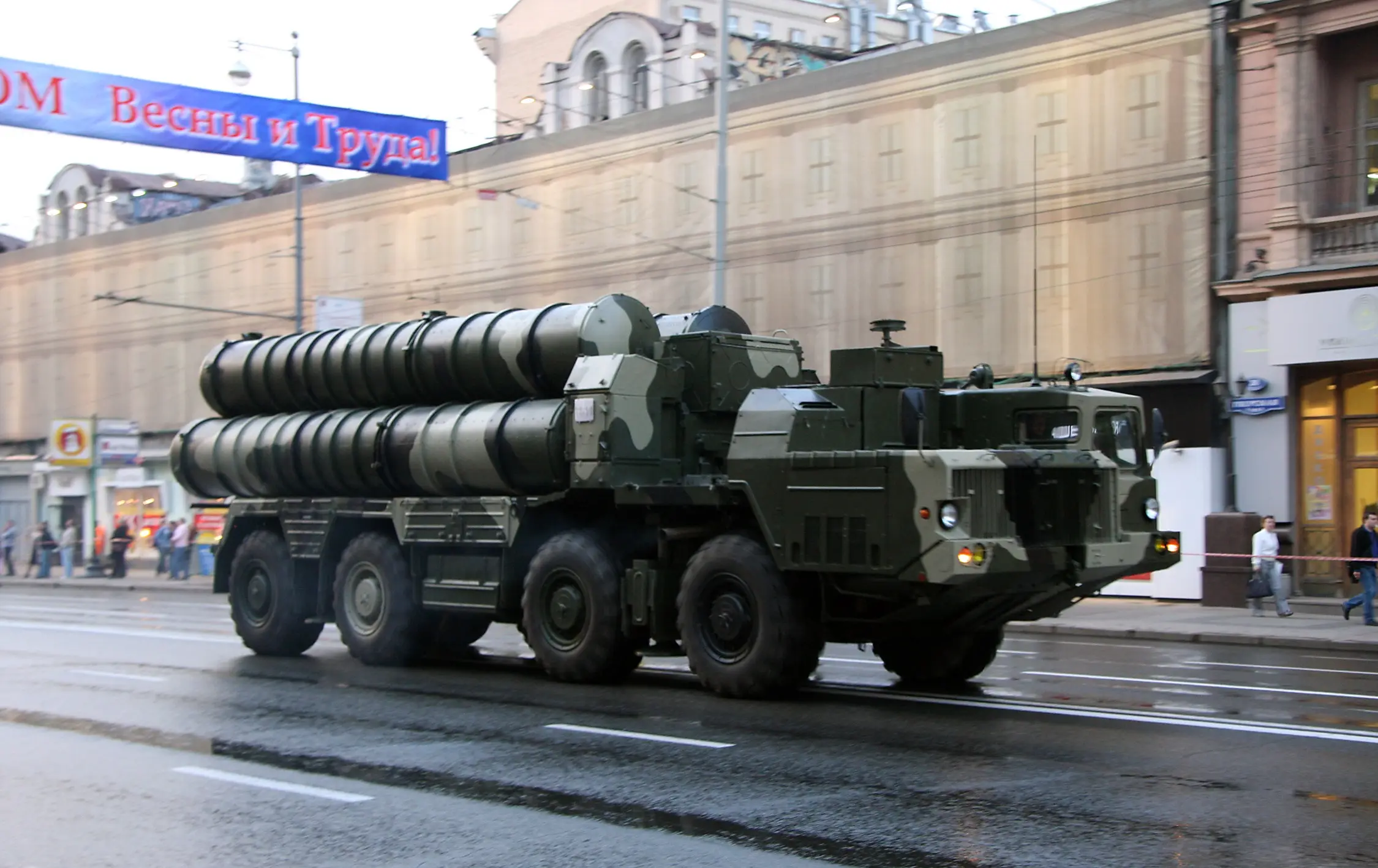
S-300 PMU2
Once the backbone of Iran’s strategic defence, the Russian-made S-300 PMU2 network suffered catastrophic damage during Israeli airstrikes in October 2024. Reports confirmed that all three or four active batteries were effectively destroyed or put out of action during the operation. This loss forced Tehran to rely more heavily on domestic alternatives while seeking replacements.
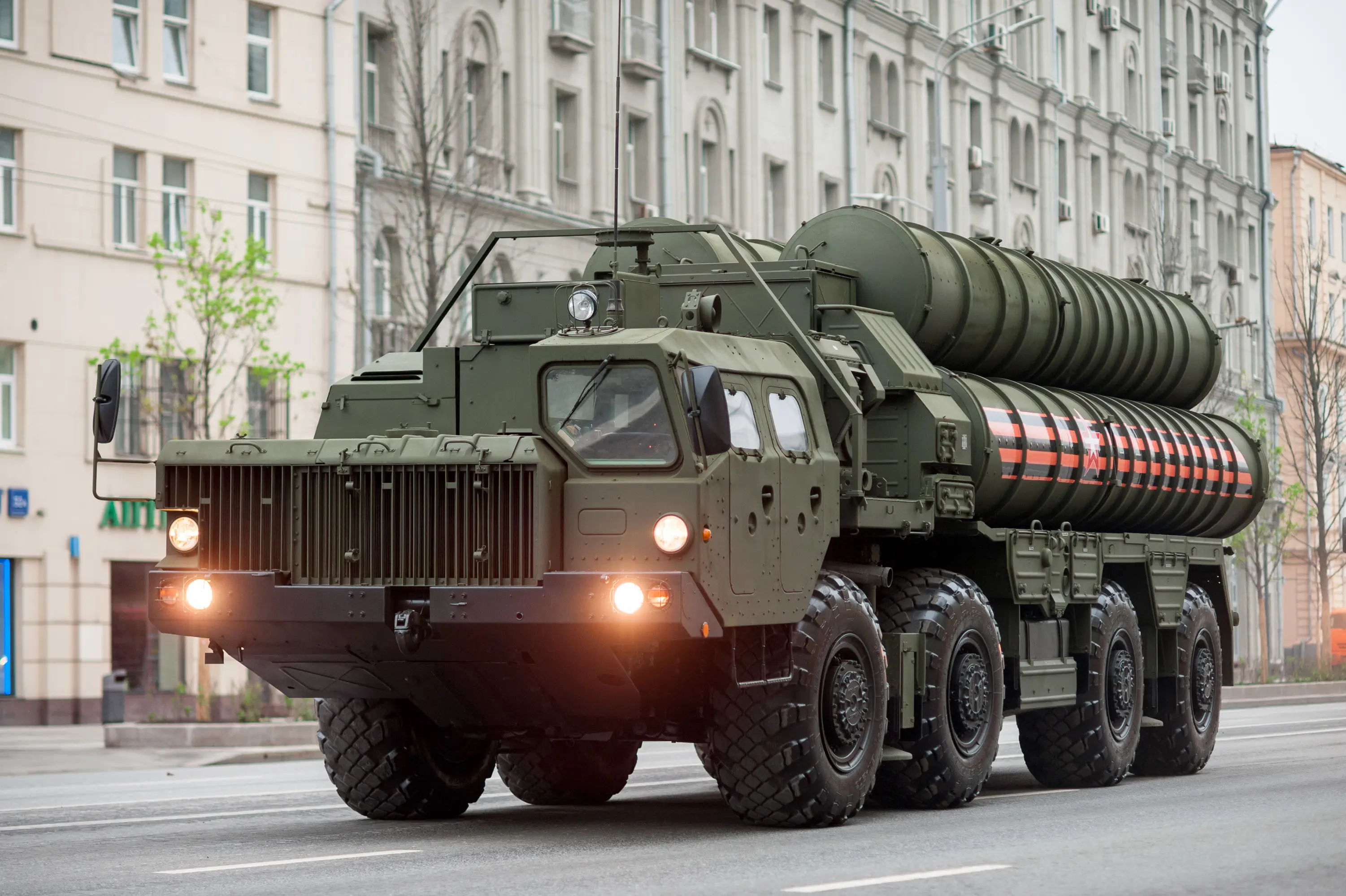
S-400 System
Following the loss of its S-300s, reports in late 2025 indicated that Russia began delivering the advanced S-400 Triumf system to Iran. The S-400 boasts a 400-kilometre range and superior radar capable of tracking stealth aircraft and ballistic missiles. If operational, these batteries would significantly restore Iran’s long-range denial capabilities against high-altitude threats.
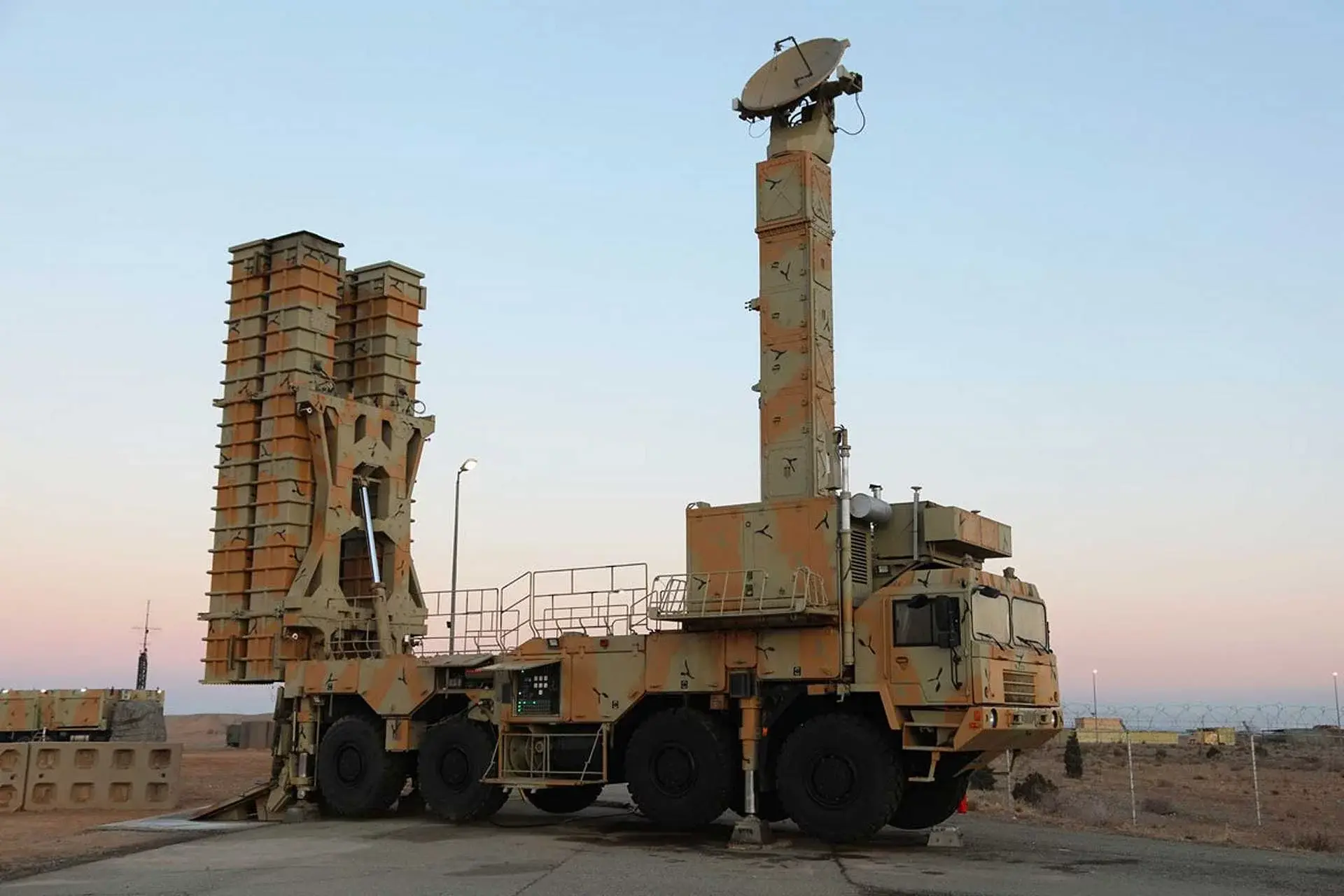
Bavar-373
Iran’s domestically built Bavar-373 is now the country's primary long-range interceptor. An upgraded version unveiled in late 2024 and 2025 uses the Sayyad-4B missile, with officials claiming a range of 300 kilometres. Tehran asserts this system is superior to the S-300 and rivals the S-400, specifically designed to target fifth-generation fighter jets.
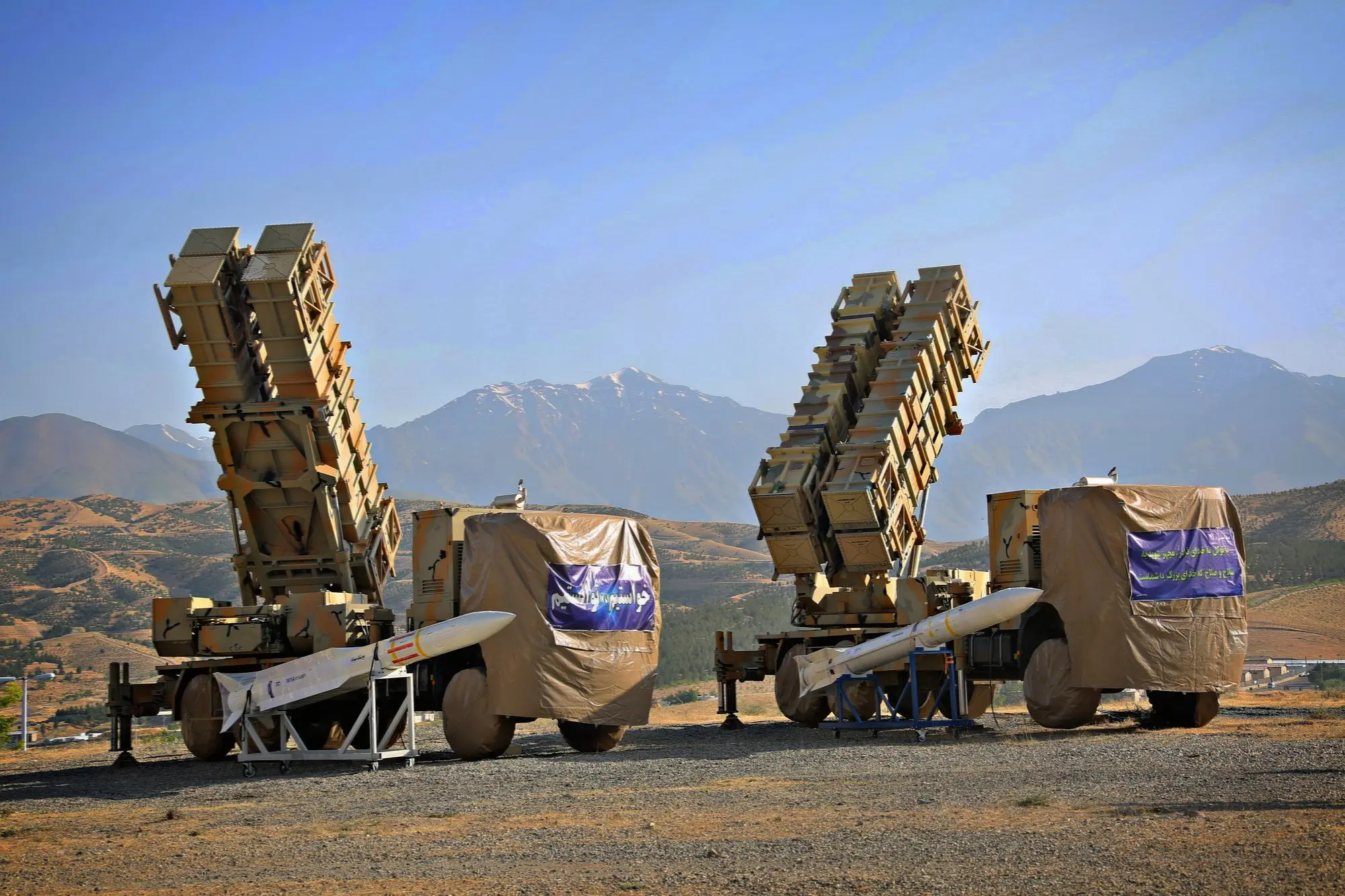
Khordad-15
The Khordad-15 is a mobile medium-to-long-range system equipped with a passive phased array radar. It is designed to detect stealth aircraft from 85 kilometres away and destroy them at a range of 45 kilometres. Its mobility allows it to "shoot and scoot," making it difficult for enemy forces to locate and destroy during a suppression campaign.
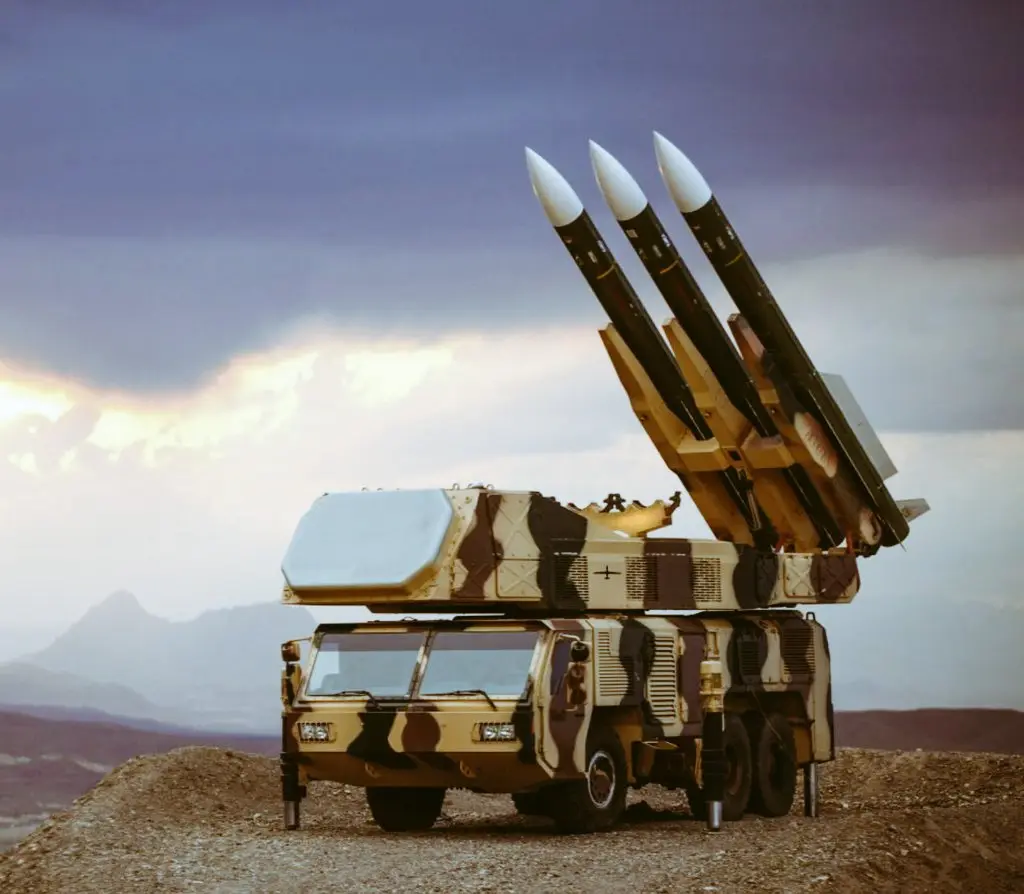
3rd Khordad
Famous for shooting down a US Global Hawk drone in 2019, the 3rd Khordad (Sevom Khordad) remains a core part of Iran’s mobile defence. It can engage targets up to 105 kilometres away and is often deployed to protect sensitive military sites. Its proven combat record makes it a respected threat to non-stealth drones and surveillance aircraft.
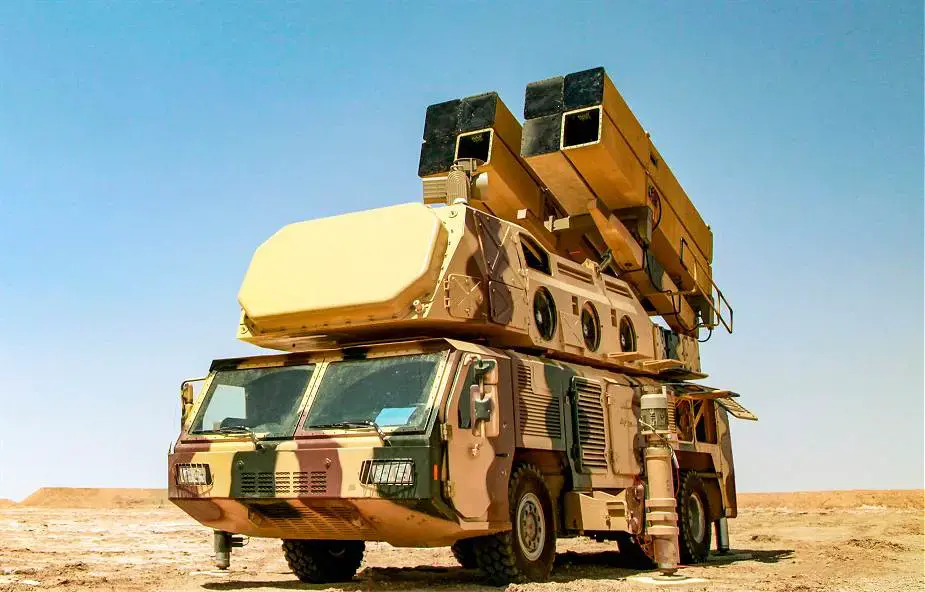
9-Dey System
To counter low-flying threats like cruise missiles and drones, Iran introduced the 9-Dey short-range system. It is a mobile defence unit capable of firing missiles with a range of 5 to 30 kilometres. The system uses advanced radar and electro-optical sensors to close the gap left by long-range interceptors, protecting critical infrastructure from saturation attacks.
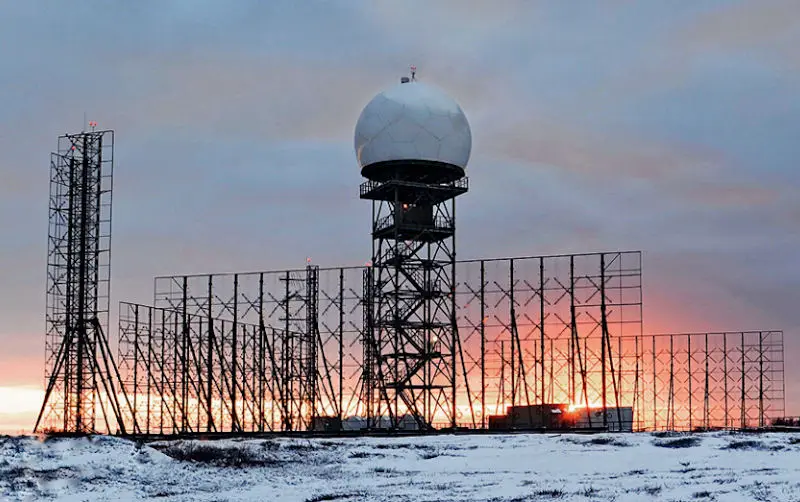
Radar Network
Iran relies on long-range radars like the Rezonans-NE and the indigenous Ghadir system to detect incoming threats. The Ghadir radar can reportedly detect aerial targets up to 1,100 kilometres away and is designed to identify stealth aircraft by their wake turbulence or heat signatures. However, converting these detection signals into a precise lock for missiles remains technically difficult.
Integration Issues
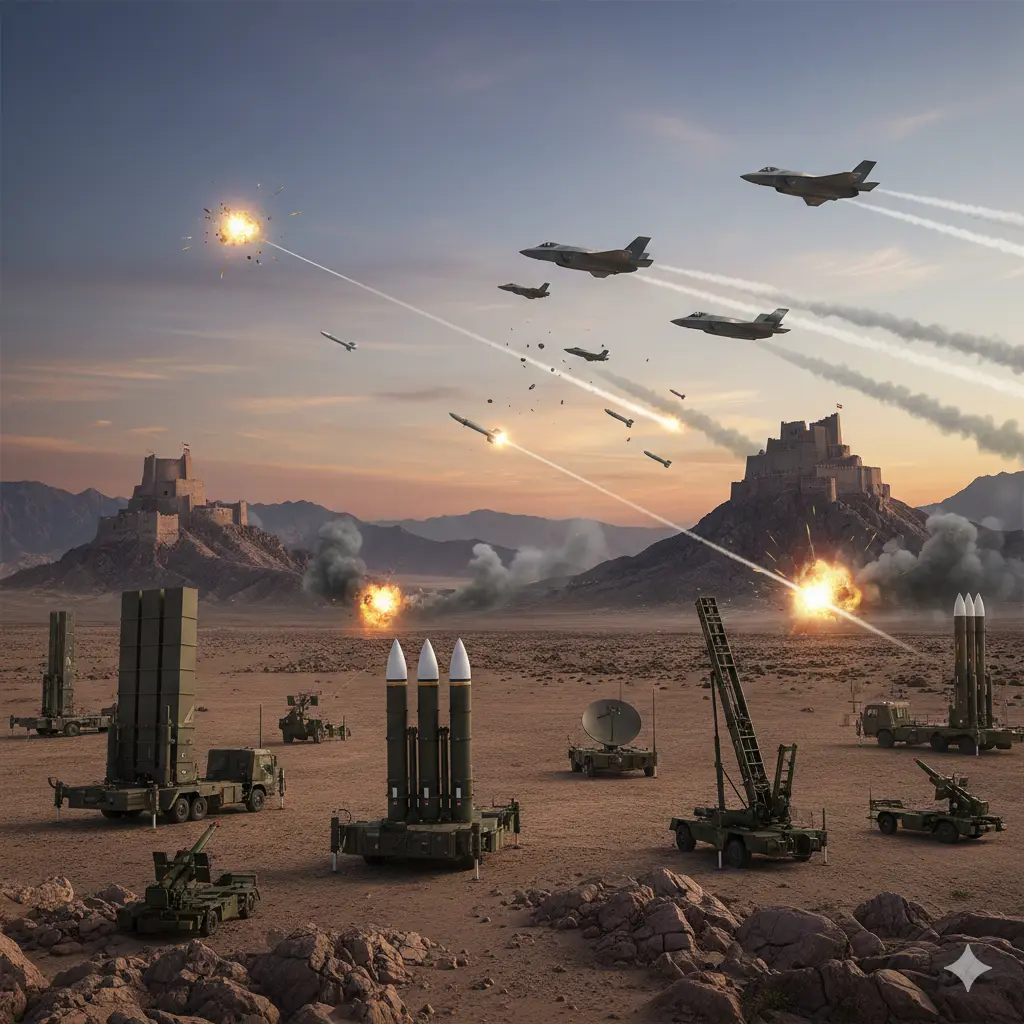
The failure to stop Israeli strikes in October 2024 highlighted a critical flaw: poor integration between systems. While Iran has powerful individual batteries, linking Russian and domestic radars into a unified command and control network is difficult. Electronic warfare can sever these connections, leaving batteries isolated and unable to coordinate a defence against a complex US attack.
The Verdict
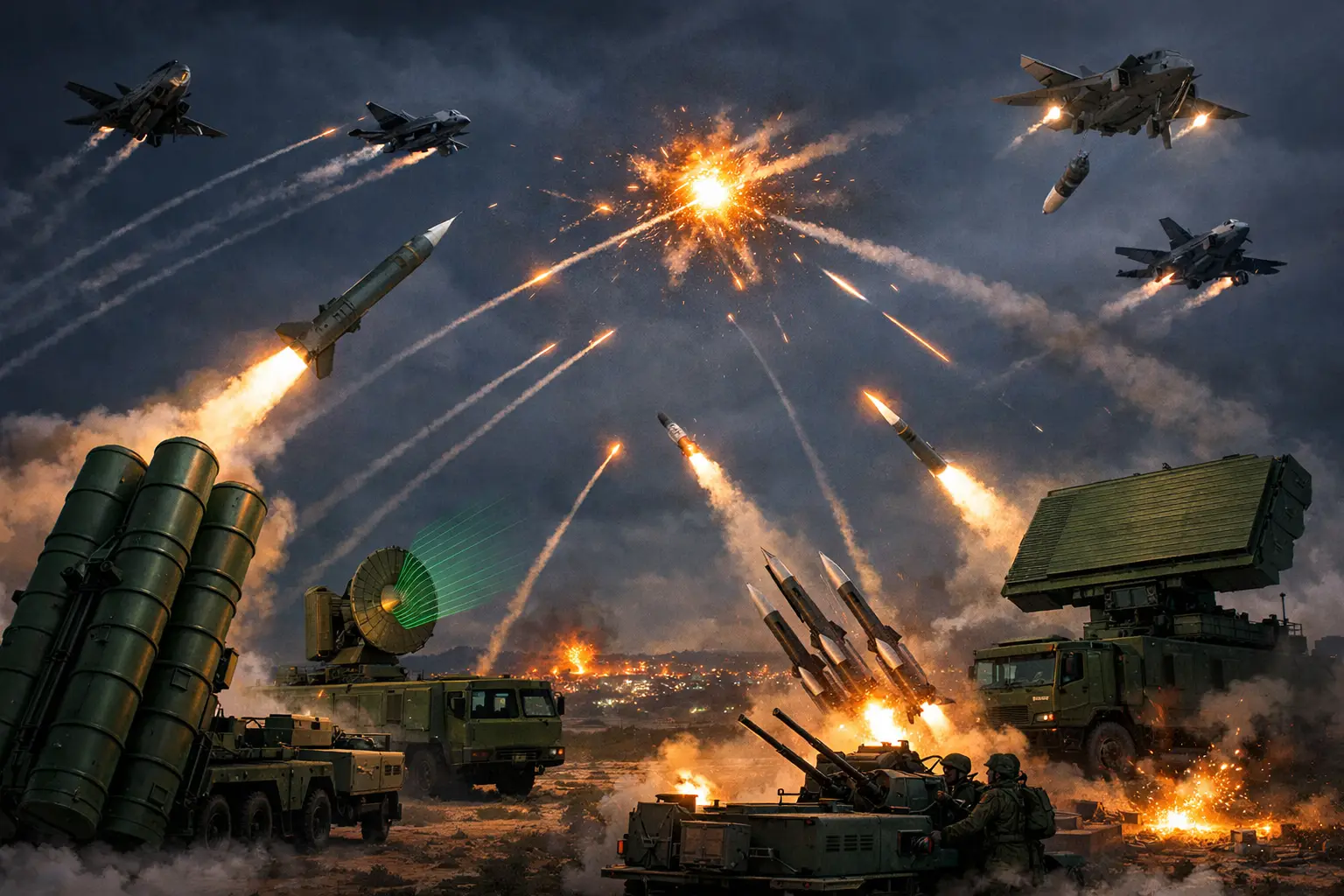
Despite upgrading to Bavar-373 and acquiring S-400s, Iran’s air defence likely cannot stop a full-scale US strike. The destruction of the S-300s proved that advanced electronic warfare and precision missiles can dismantle the network. A US campaign would likely saturate the defences with decoys and stealth bombers, overwhelming the system’s capacity to react.
)
)
)
)
)