Can Iran’s 4th-generation fighters challenge US 5th-generation fighter jets?

Iran’s aging 4th-generation fleet cannot directly challenge US 5th-generation stealth dominance. The technological gap in radar, stealth, and range makes a symmetrical aerial victory for Tehran impossible.
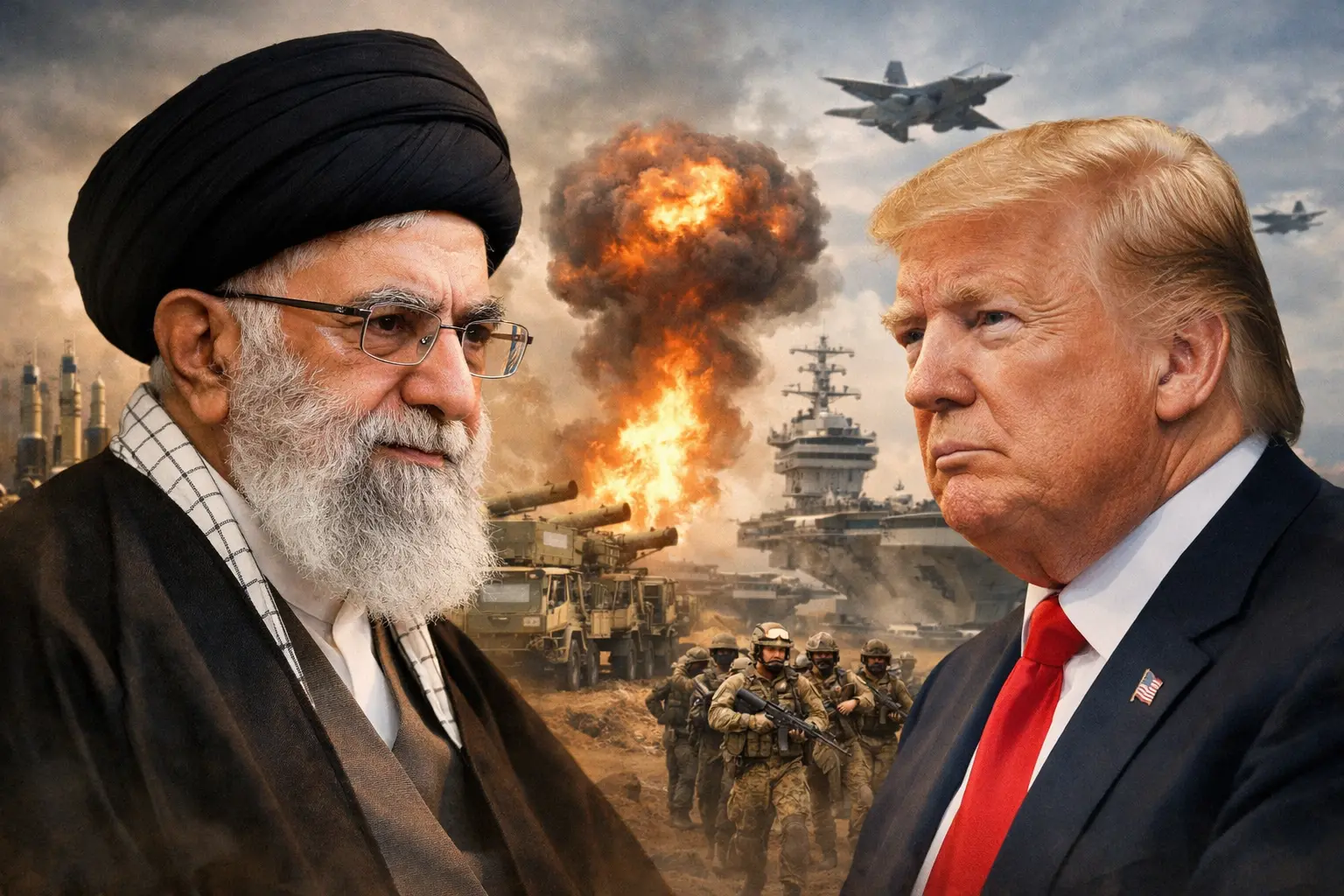
The Generational Divide
The US Military operates over 600 5th-generation fighters designed for stealth and sensor fusion. In contrast, Iran relies on aircraft from the 1970s, which lack modern stealth coatings. This 40-year technology gap means US jets can detect Iranian planes long before they are seen themselves.
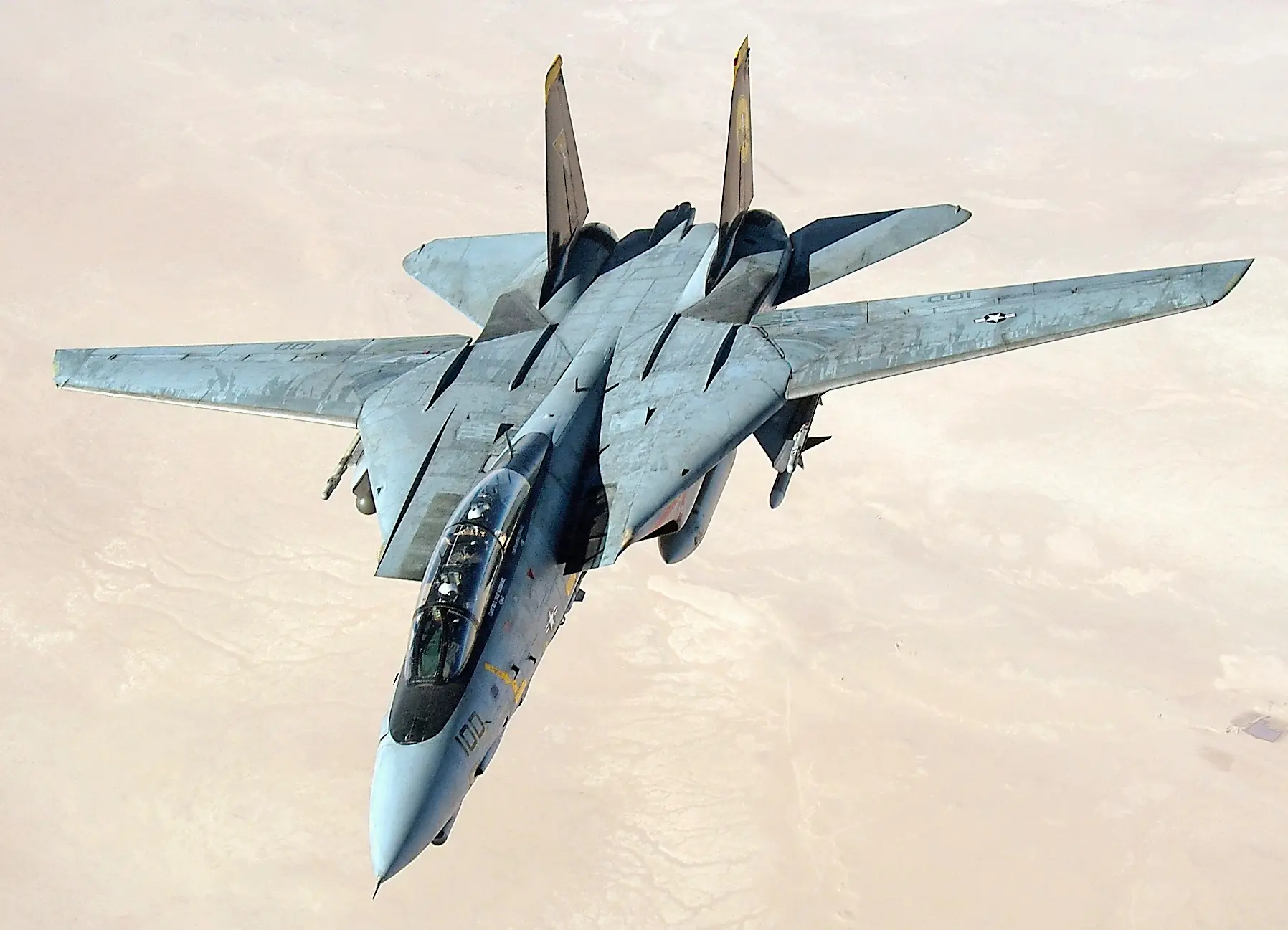
Iran’s Aging F-14 Tomcats
Iran remains the sole operator of the F-14 Tomcat, with roughly 40 units estimated to be airworthy. These 4th-generation interceptors carry powerful radars but rely on 1980s mechanical technology. They lack the electronic masking required to survive against modern active electronically scanned array (AESA) radars.
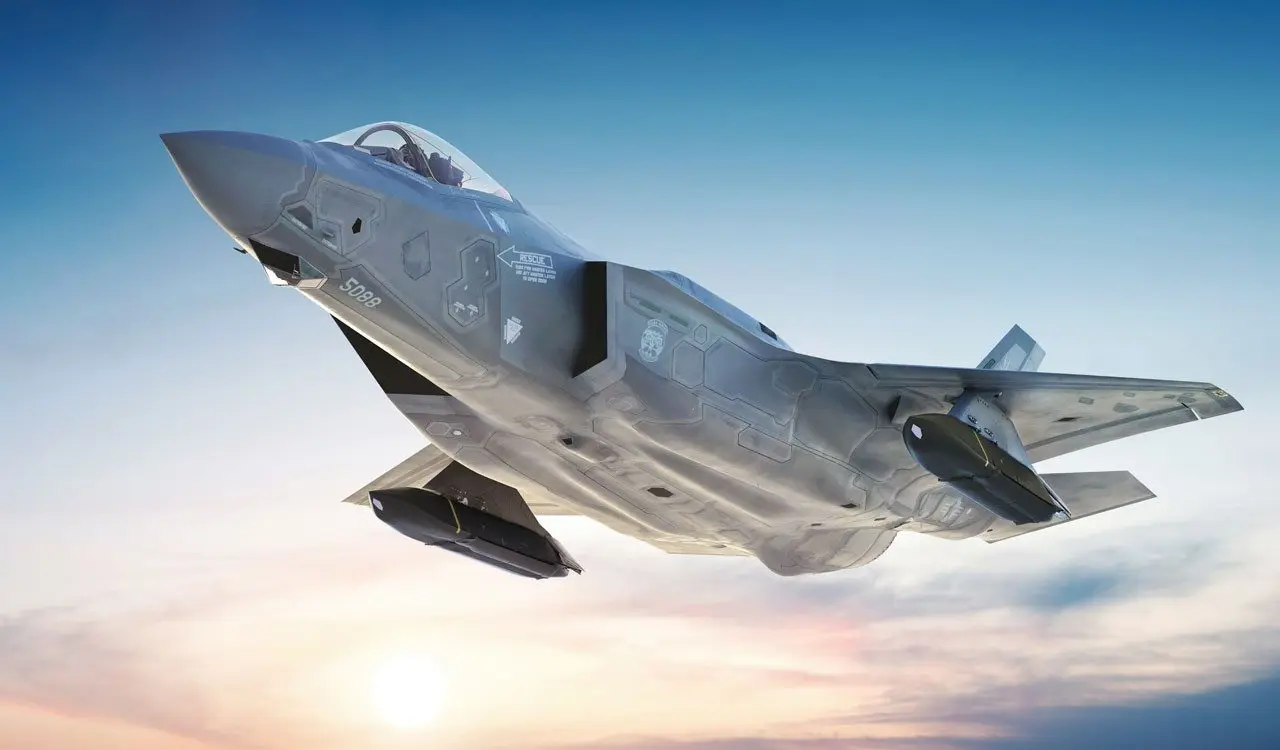
US Stealth Advantage
The F-35 Lightning II and F-22 Raptor have a radar cross-section comparable to a golf ball. This low observability allows them to penetrate airspace without triggering early warning systems. Iranian radars would struggle to lock onto these targets until the US jets are already within firing range.

The Radar Disparity
US 5th-generation jets use advanced AESA radars that track multiple targets simultaneously without revealing their location. Iran’s fighters primarily use older pulse-doppler radars which act like a beacon in the sky. This technological mismatch ensures US pilots shoot first in almost any engagement.
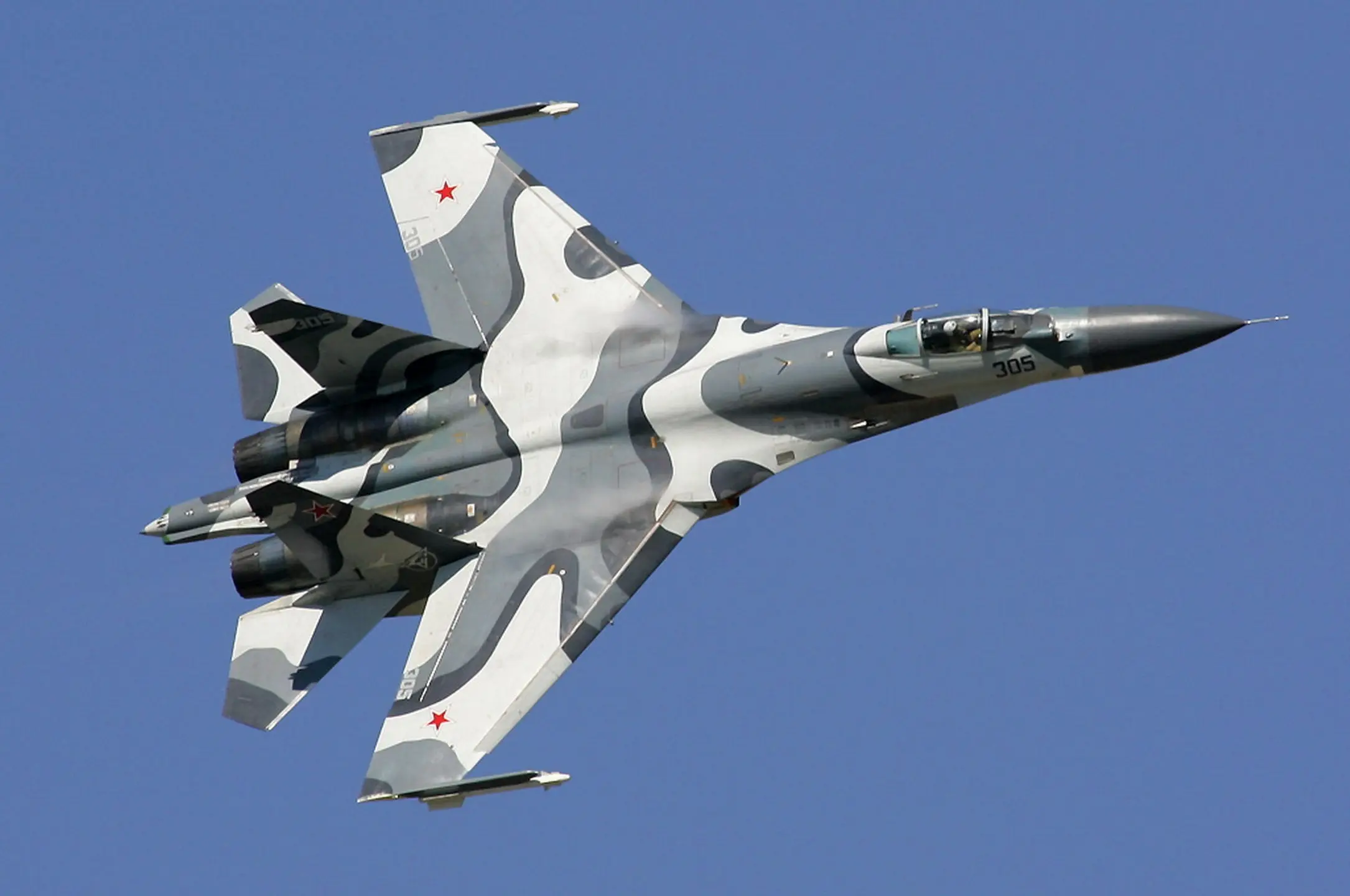
The Su-35 Factor
Iran has sought Russian Su-35 fighters, which are 4.5-generation jets with high manoeuvrability. While the Su-35 carries potent missiles and sophisticated avionics, it is not a stealth aircraft. US 5th-generation fighters can still detect and engage the larger Su-35 from safe distances.
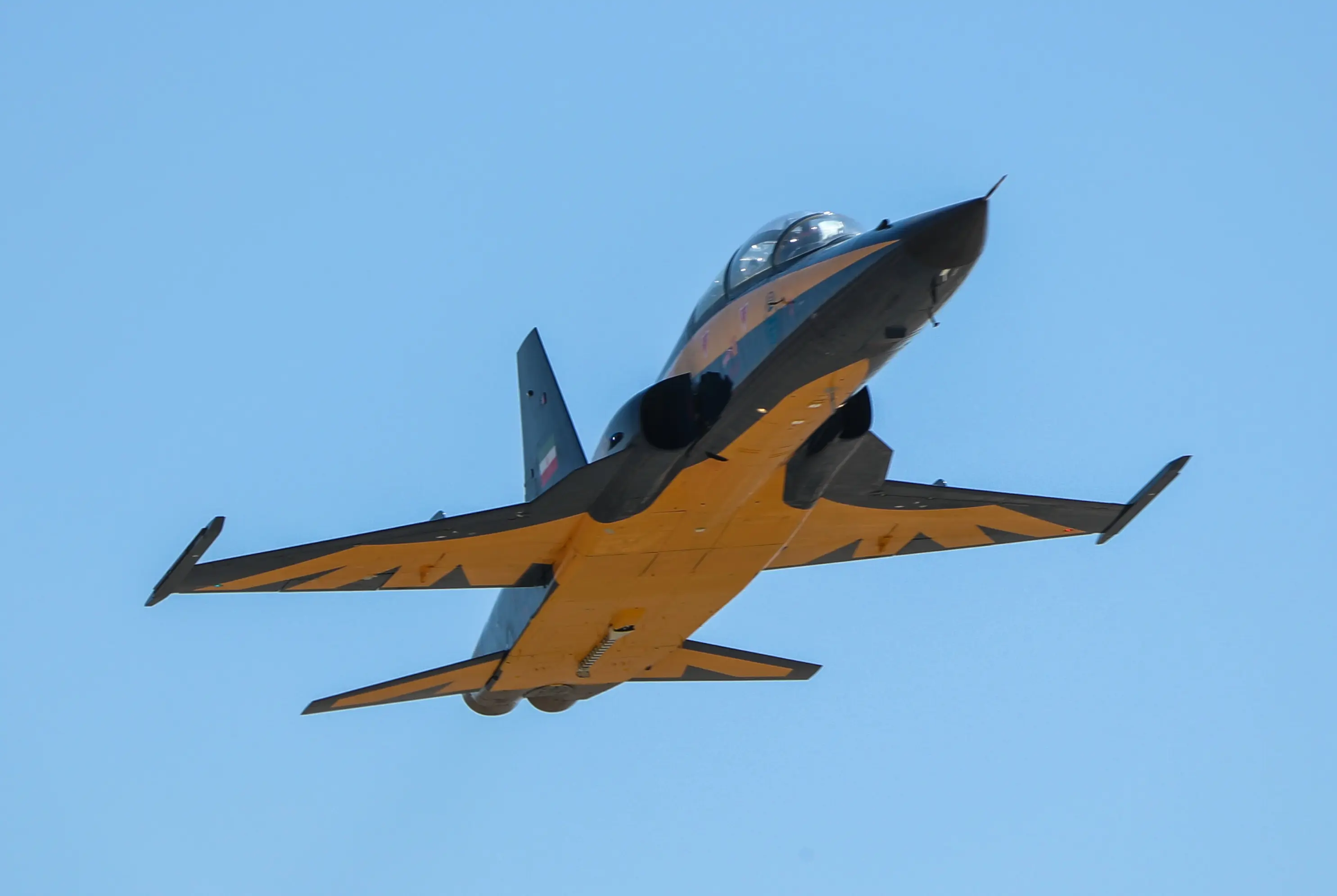
Domestic Kowsar Jets
Tehran unveiled the Kowsar fighter as a domestic breakthrough, but aviation experts identify it as an upgraded US F-5. This light fighter is effective for close air support but cannot compete in air-to-air combat against modern jets. Its airframe design dates back to the 1960s.

Beyond Visual Range Combat
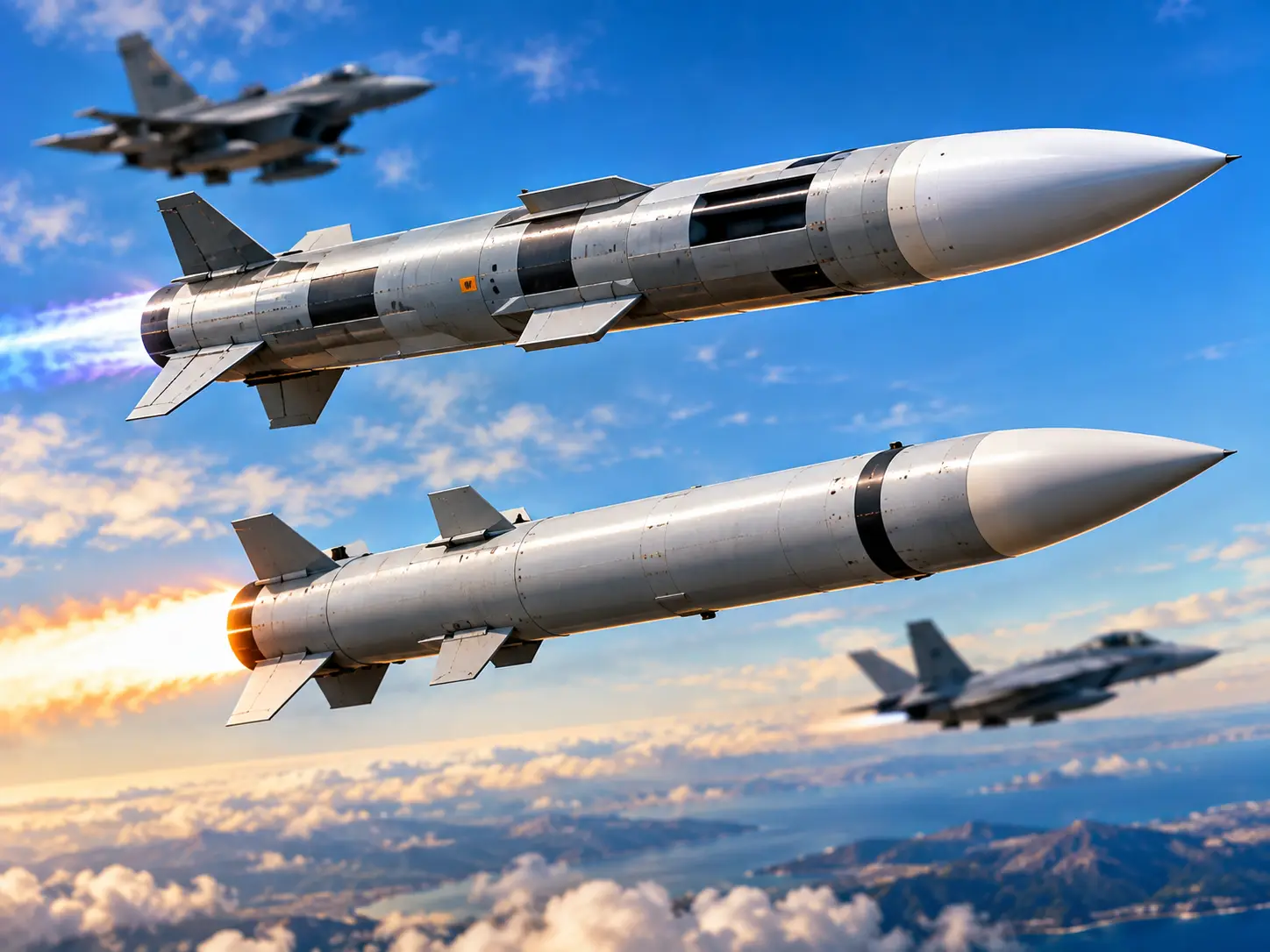
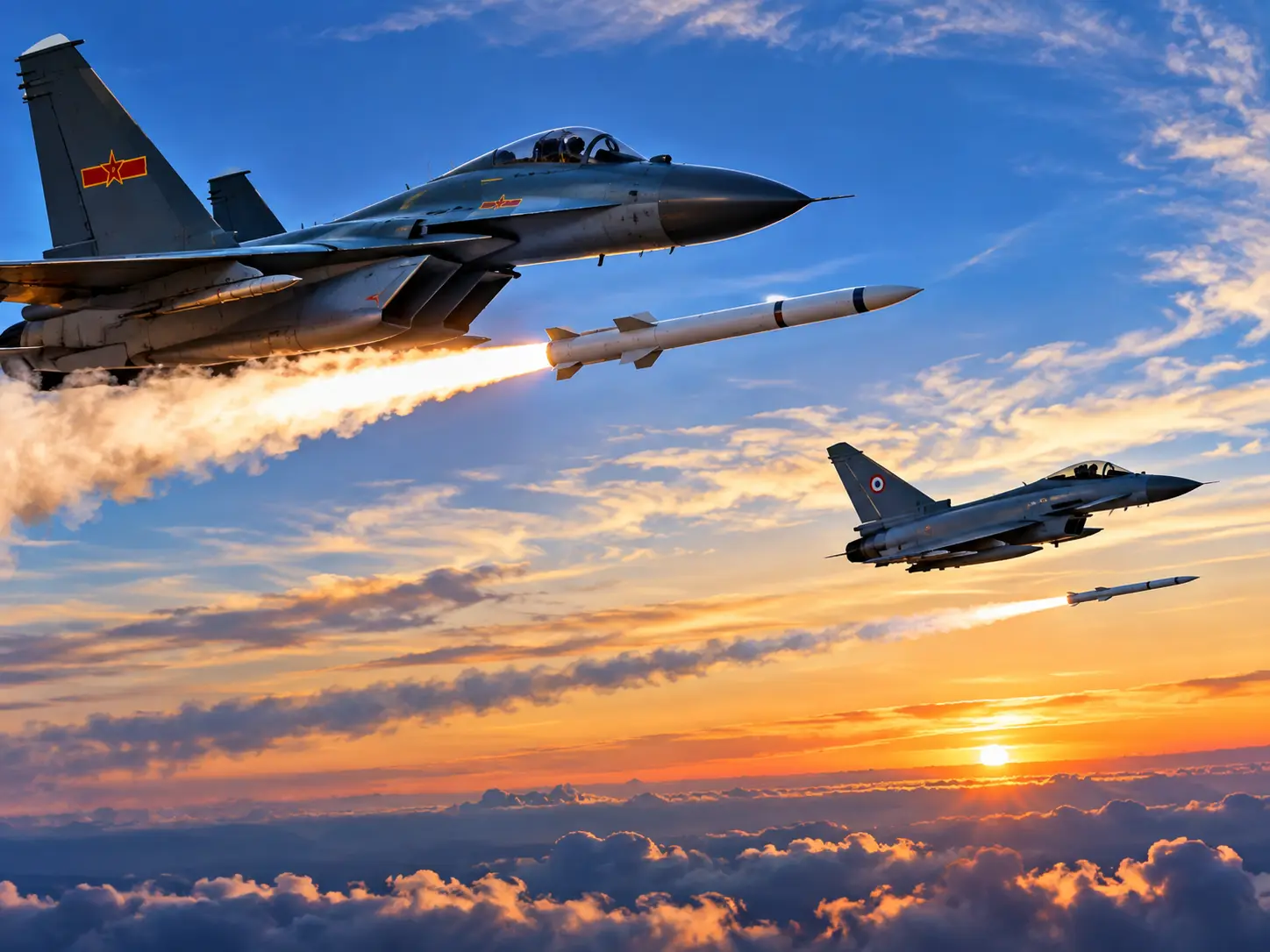
Modern aerial warfare is fought beyond visual range (BVR), often at distances exceeding 100 kilometres. US AIM-120 missiles allow American pilots to engage targets without ever seeing them. Iran’s fleet is largely equipped for visual-range dogfights, a scenario US pilots actively avoid.

Electronic Warfare Gap
US fighters are integrated into a digital network that jams enemy communications and sensors. Iran’s older avionics are highly susceptible to this electronic warfare. In a conflict, Iranian pilots would likely face "blind" screens, unable to communicate or target effectively.
Pilot Training Hours
US Air Force pilots average between 150 to 200 flight hours annually with advanced simulators. Reports suggest Iranian pilots fly significantly fewer hours due to maintenance issues and sanctions. This disparity in training creates a massive tactical disadvantage during complex aerial manoeuvres.

Asymmetric Defence Strategy
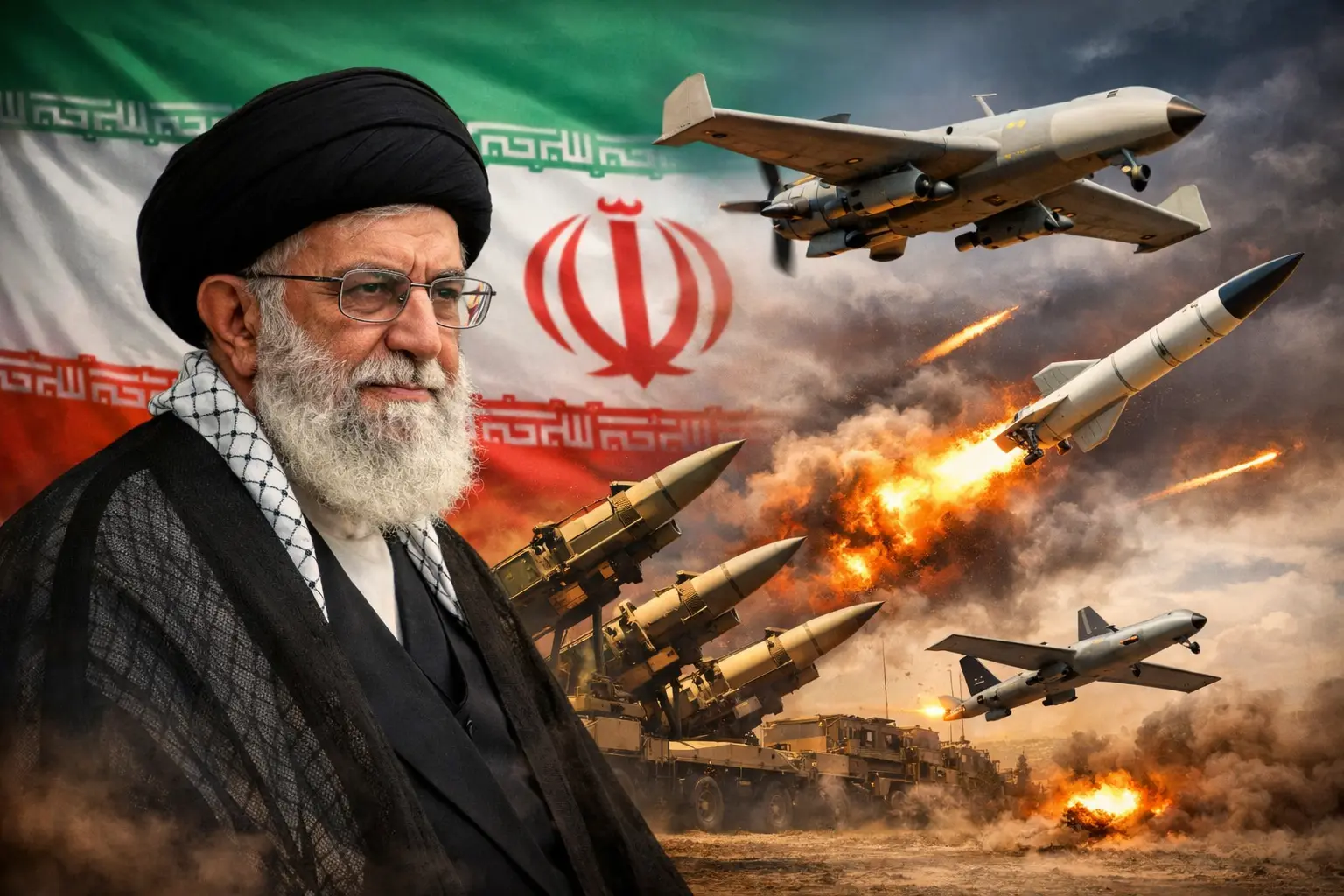
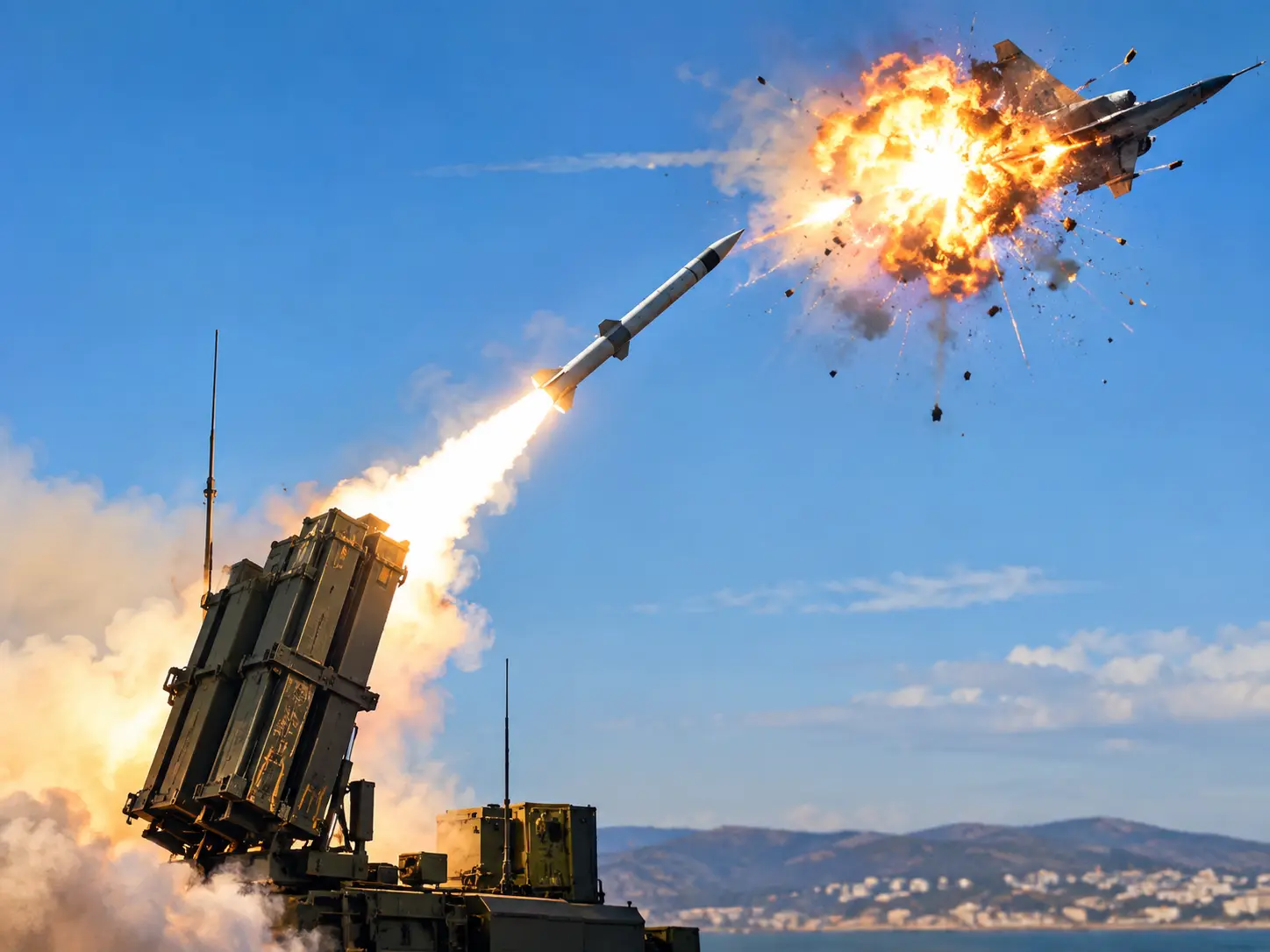
Recognising the aerial mismatch, Iran relies more on ground-based air defence than fighter jets. Their strategy focuses on surface-to-air missiles to create "denial zones" for US aircraft. However, against 5th-generation stealth suppression capabilities, even these defences face severe challenges.
)
)
)
)
)