Can Iran really protect itself? Iran’s radar and missile network vs US weapons

Iran’s air defence network features advanced local and Russian systems like Bavar-373 and Rezonans-NE. However, facing US stealth tech and electronic warfare remains a massive challenge.

The Bavar-373 System
Iran’s domestically produced Bavar-373 is the crown jewel of its long-range defence. Tehran claims the upgraded system can engage targets up to 300 kilometres away using Sayyad-4B missiles. Officials assert it rivals Russia's S-400, specifically designed to track and hit fifth-generation fighter jets.
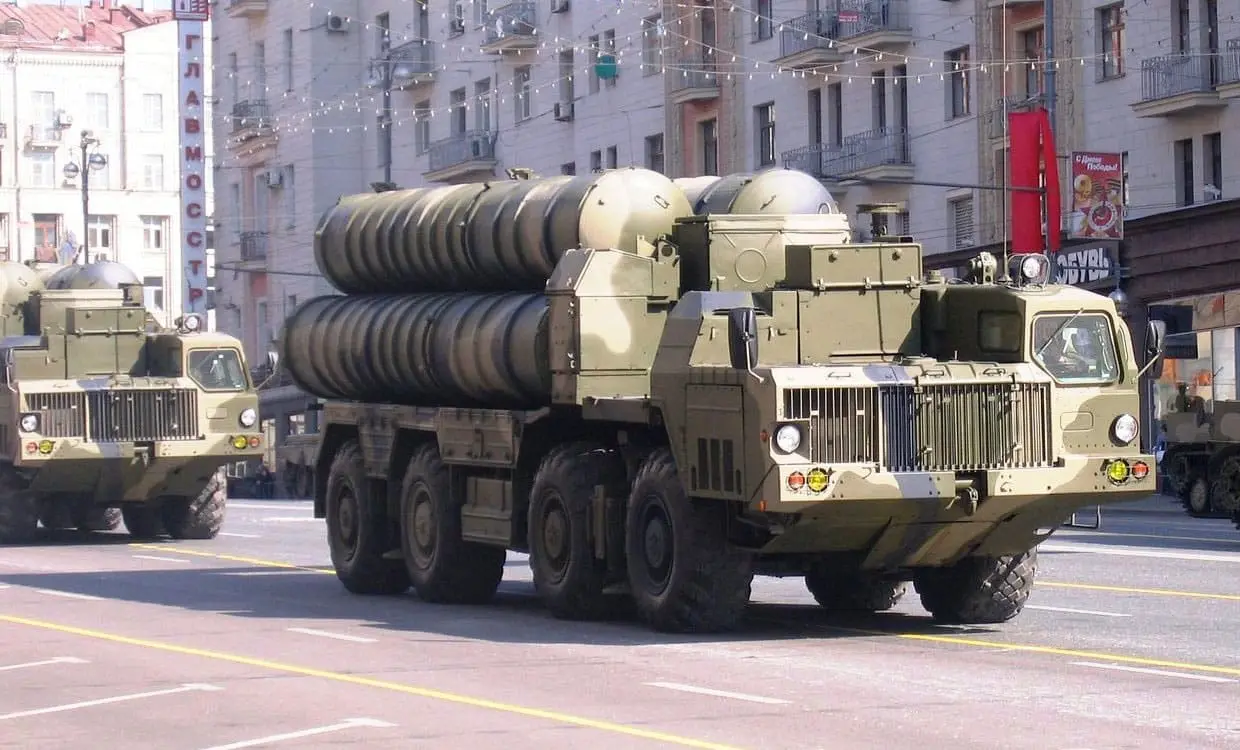
Russia’s S-300 PMU2
Tehran operates the Russian S-300 PMU2, a highly capable system acquired after years of sanctions. It can track up to 100 targets simultaneously and engage six at once. While older than the S-400, it remains a lethal threat to non-stealth aircraft operating within a 200-kilometre range.

The ‘Stealth Hunter’ Radar
Iran deploys the Russian-made Rezonans-NE radar, capable of detecting stealth aircraft from 600 kilometres away. This VHF (Very High Frequency) system works by spotting the resonance of aircraft structures. However, while it can see a stealth jet is coming, it cannot always guide a missile to hit it precisely.
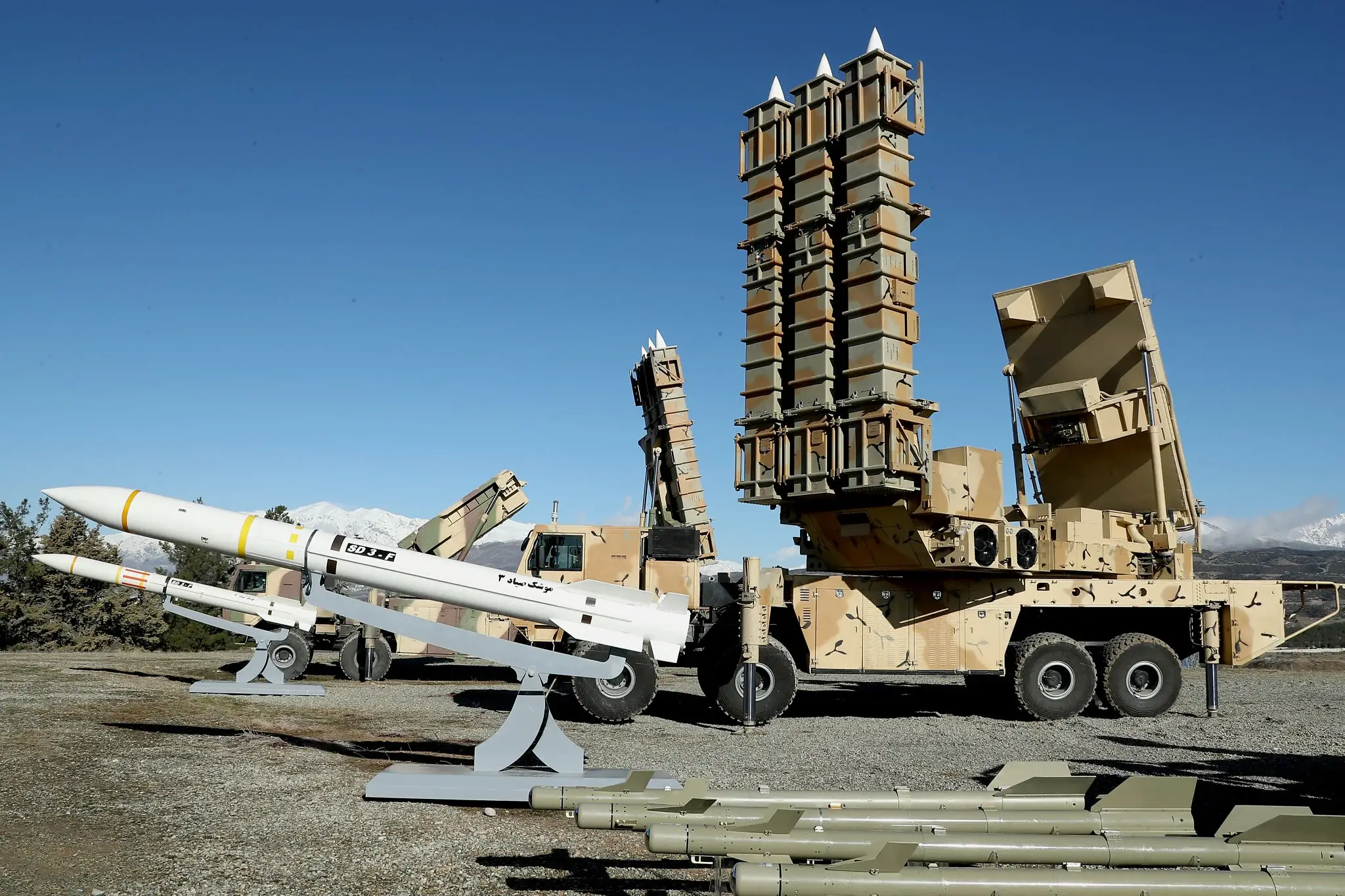
Arman Anti-Ballistic Shield
Unveiled in 2024, the Arman system is designed to intercept ballistic missiles and agile targets. It can react in under three minutes and covers a range of 180 kilometres. This mobile system adds a critical medium-range layer to protect sensitive nuclear and military sites.
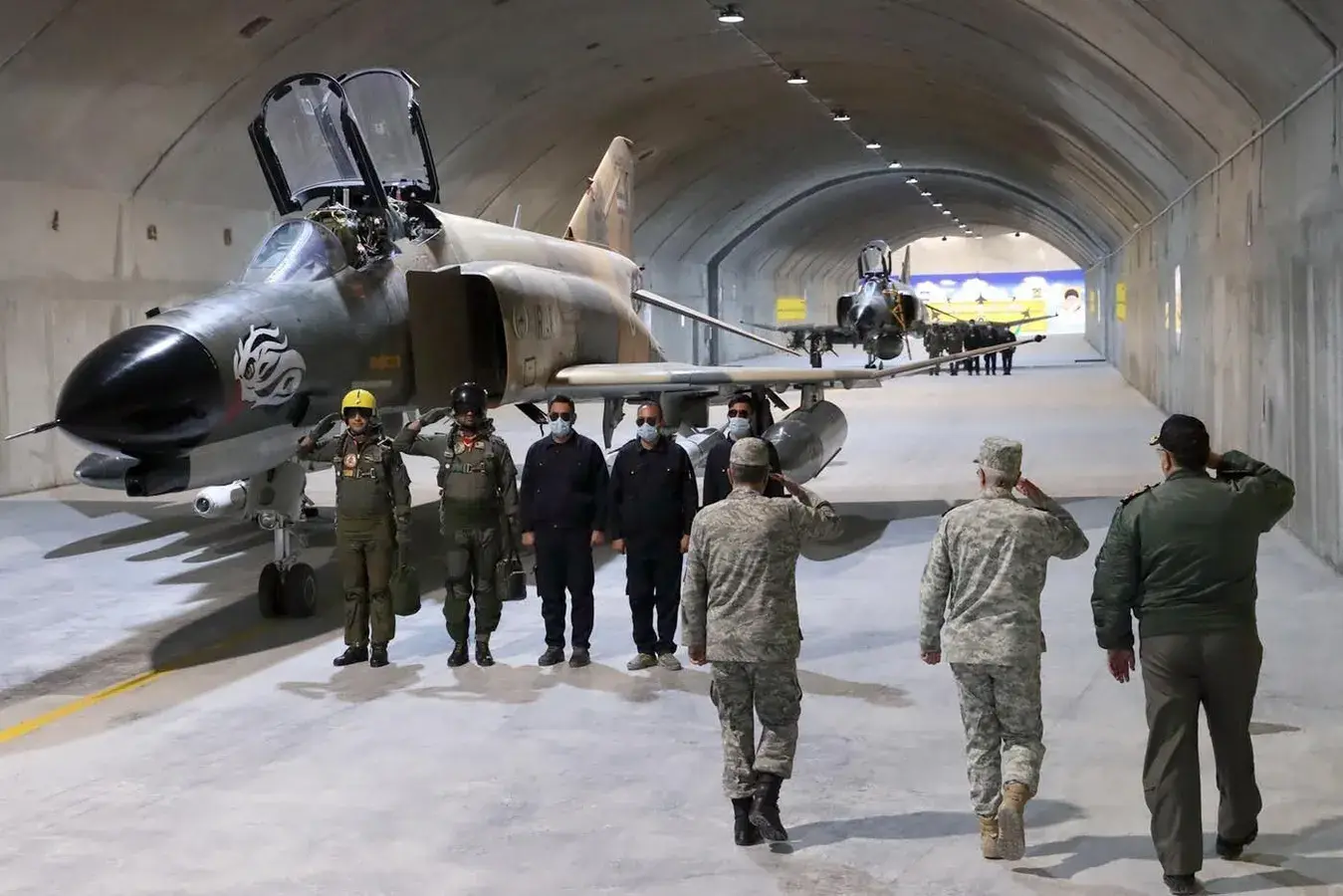
Underground Base ‘Eagle 44’
To protect its assets from US airstrikes, Iran built the Oghab 44 (Eagle 44) underground airbase. Carved deep into mountains, it houses fighter jets and drones equipped with long-range cruise missiles. These hardened sites are difficult for standard bunker-busters to destroy completely.
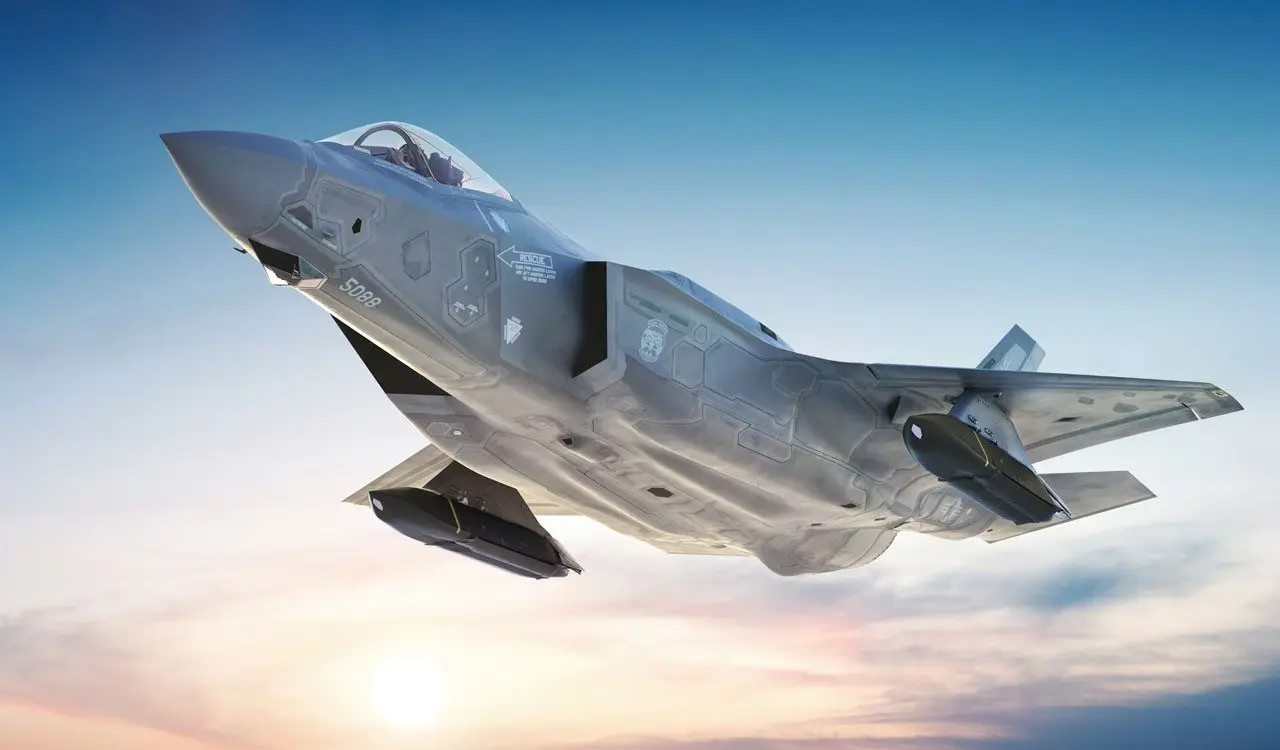
US F-35 Stealth Fighter
The US F-35 Lightning II is designed to penetrate dense air defence networks undetected. Its radar-absorbent materials and electronic warfare suite allow it to jam enemy sensors. Against older radars, the F-35 can often fly, strike, and leave before a lock is even established.
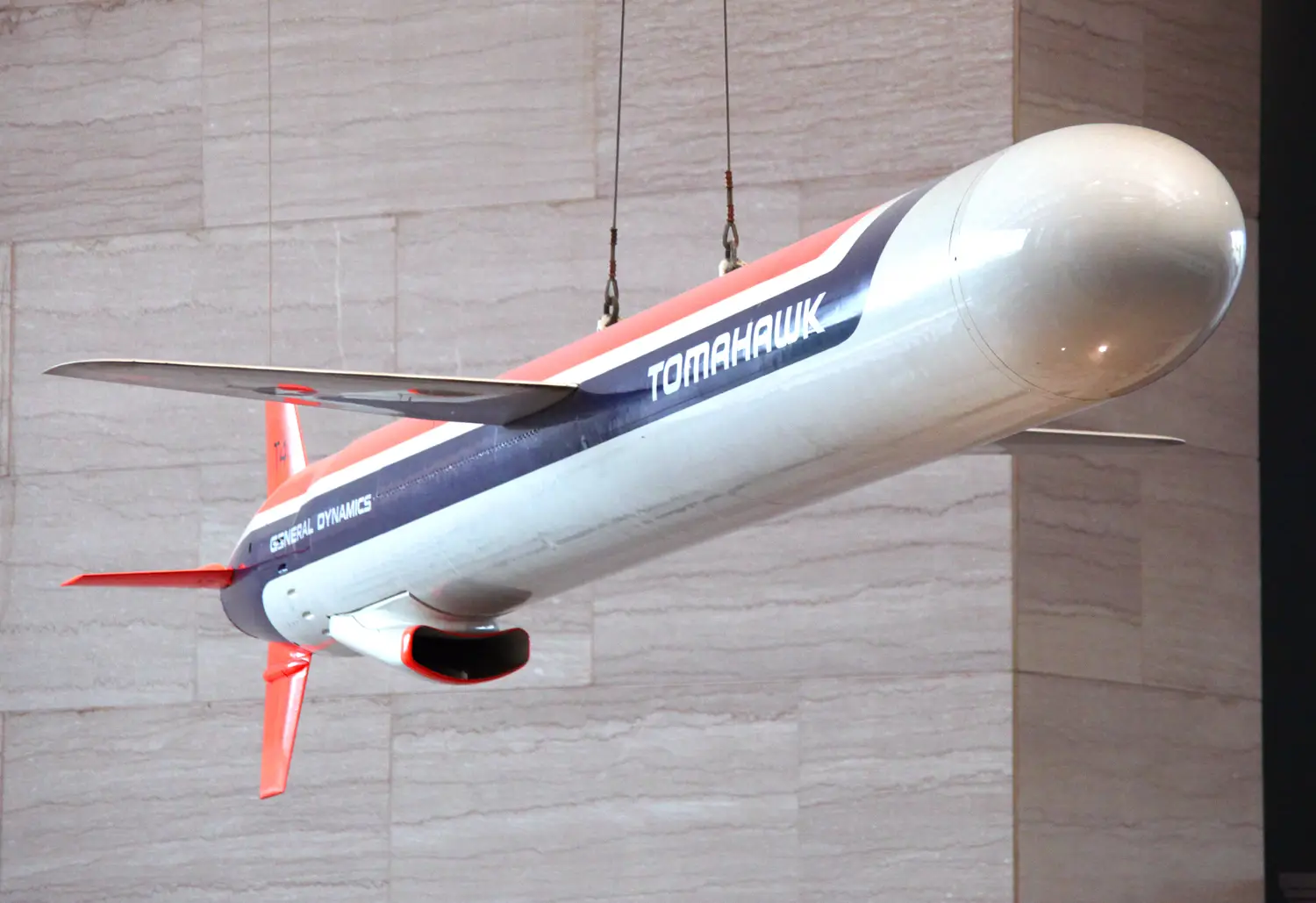
The Tomahawk Threat
US Navy Tomahawk cruise missiles fly at extremely low altitudes, hugging the terrain to avoid radar detection. Unlike high-flying jets, they hide behind hills and clutter. Iran’s ground-based radars struggle to see these small, subsonic missiles until they are dangerously close to their targets.
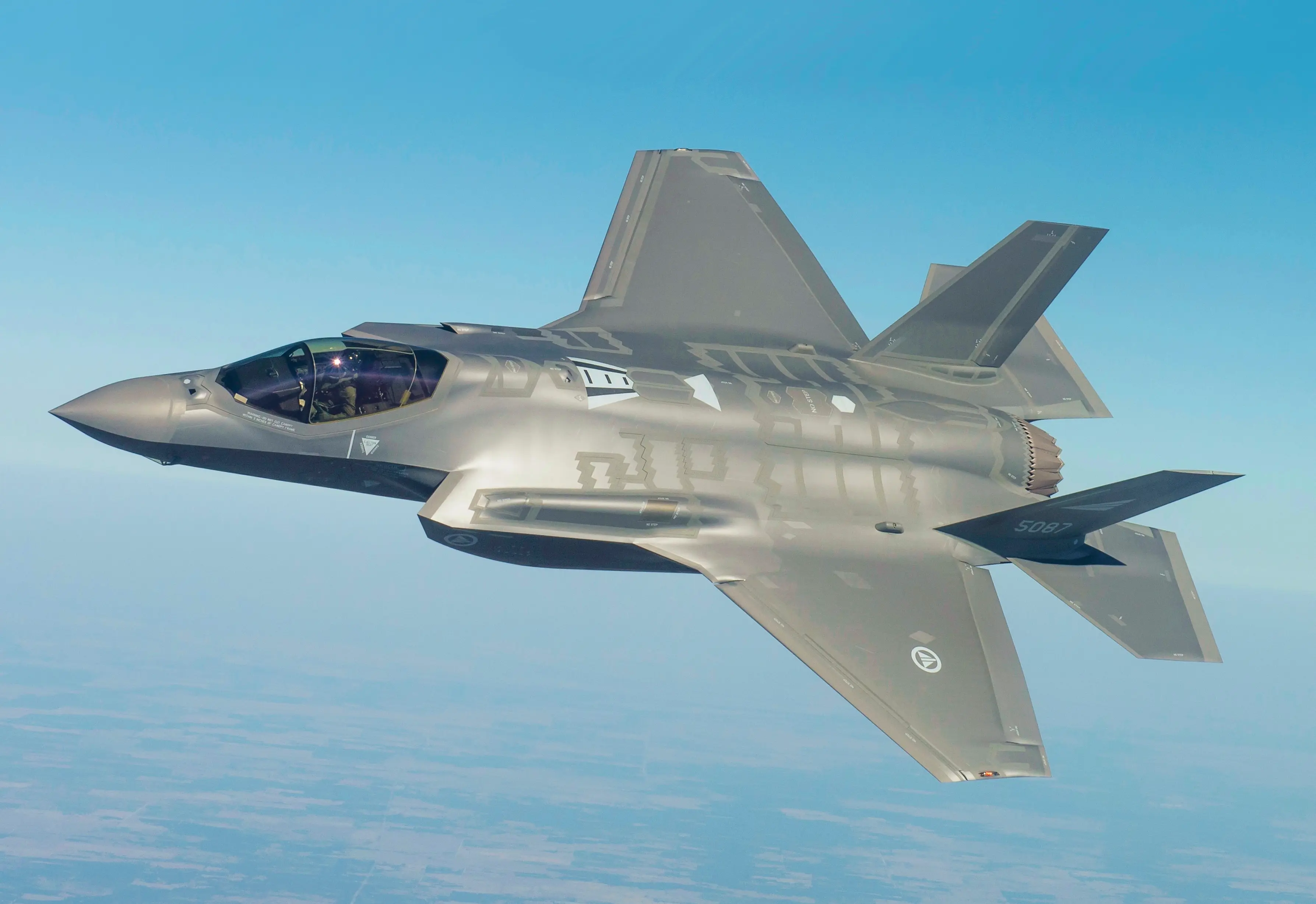
The Targeting Gap While
Iran’s VHF radars might detect an F-35 at long range, hitting it is a different challenge. Fire-control radars (X-band) need a precise lock to guide a missile. American stealth tech is specifically built to confuse these targeting radars, creating a gap between 'seeing' the target and 'shooting' it.

Electronic Warfare (EW)
A major US advantage lies in Electronic Warfare. American aircraft like the EA-18G Growler can jam Iranian communication and radar frequencies. If Iran’s radar screens go white with static, their powerful missiles become effectively blind, leaving the airspace open to attack.

The Final Verdict
Iran has built a dense, dangerous defence network that makes any attack costly and risky for the US. However, the sheer volume of US stand-off weapons and stealth technology likely holds the edge. Tehran can inflict pain, but completely sealing its skies against a full-scale superpower attack remains unlikely.
)
)
)
)
)