Can Iran hack it? Which is Israel’s most advanced drone

Is Israel’s 'Eitan' drone truly invincible? Explore the massive capabilities of this strategic giant and analyse whether Iran’s electronic warfare units could ever hack its systems.

The 'Eitan' Giant Israel's Strategic Asset
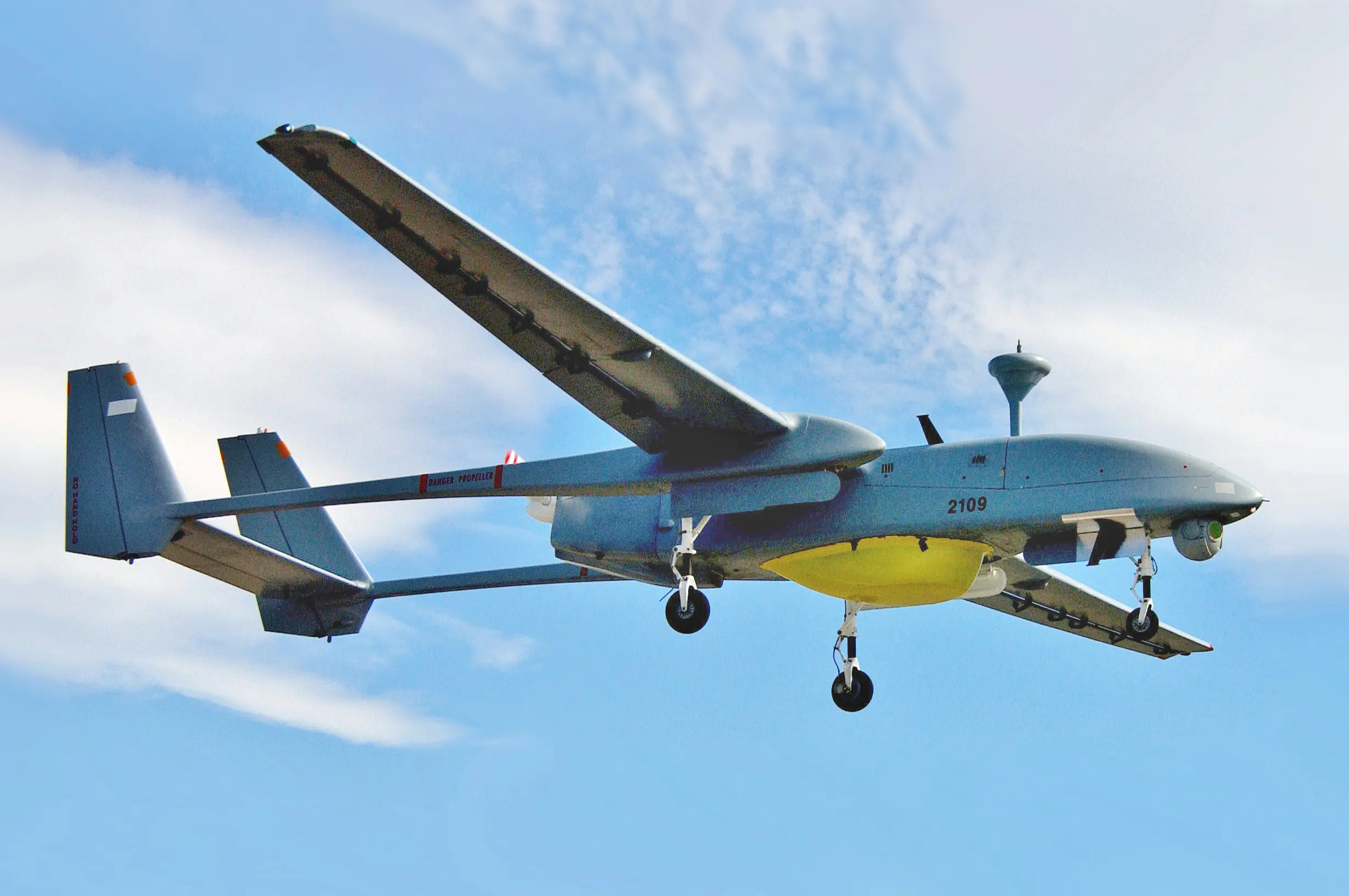
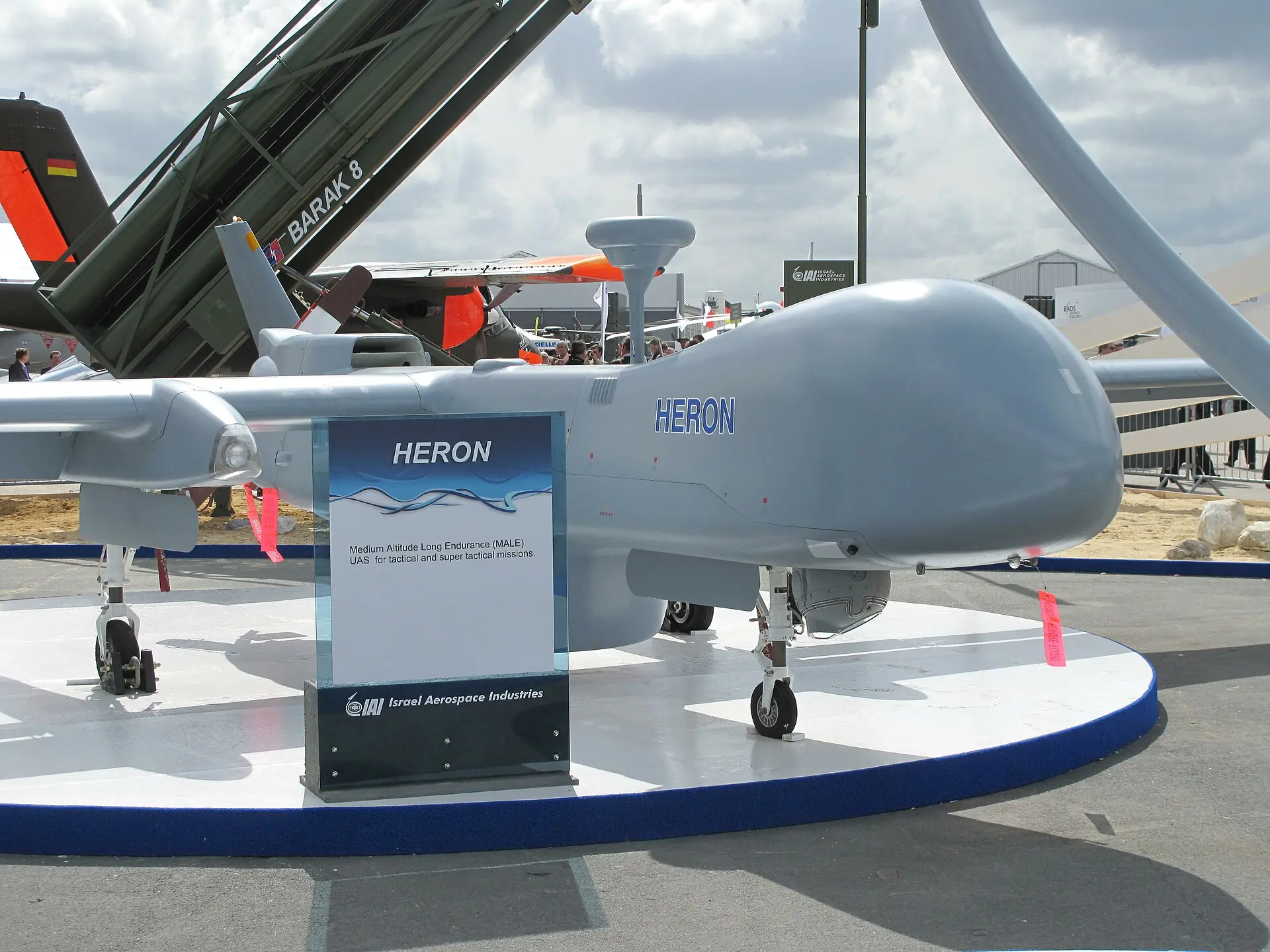
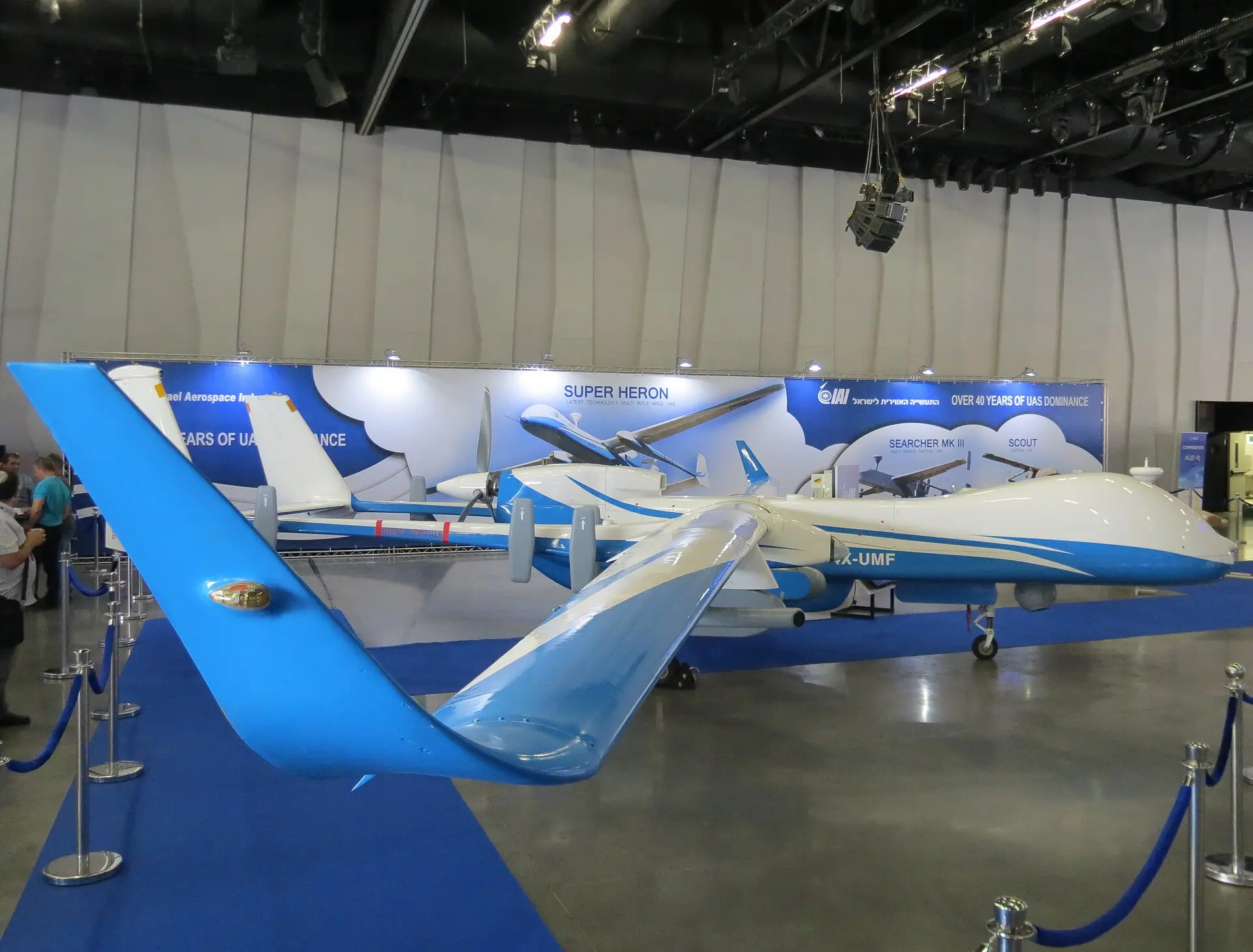
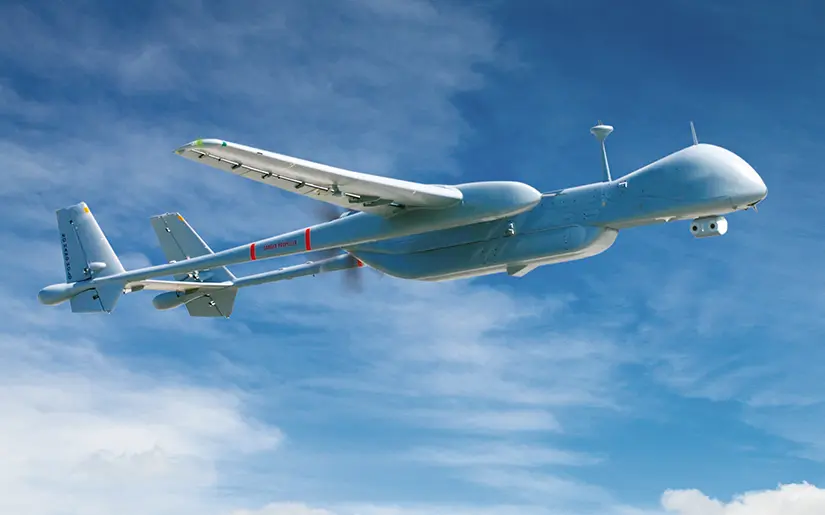
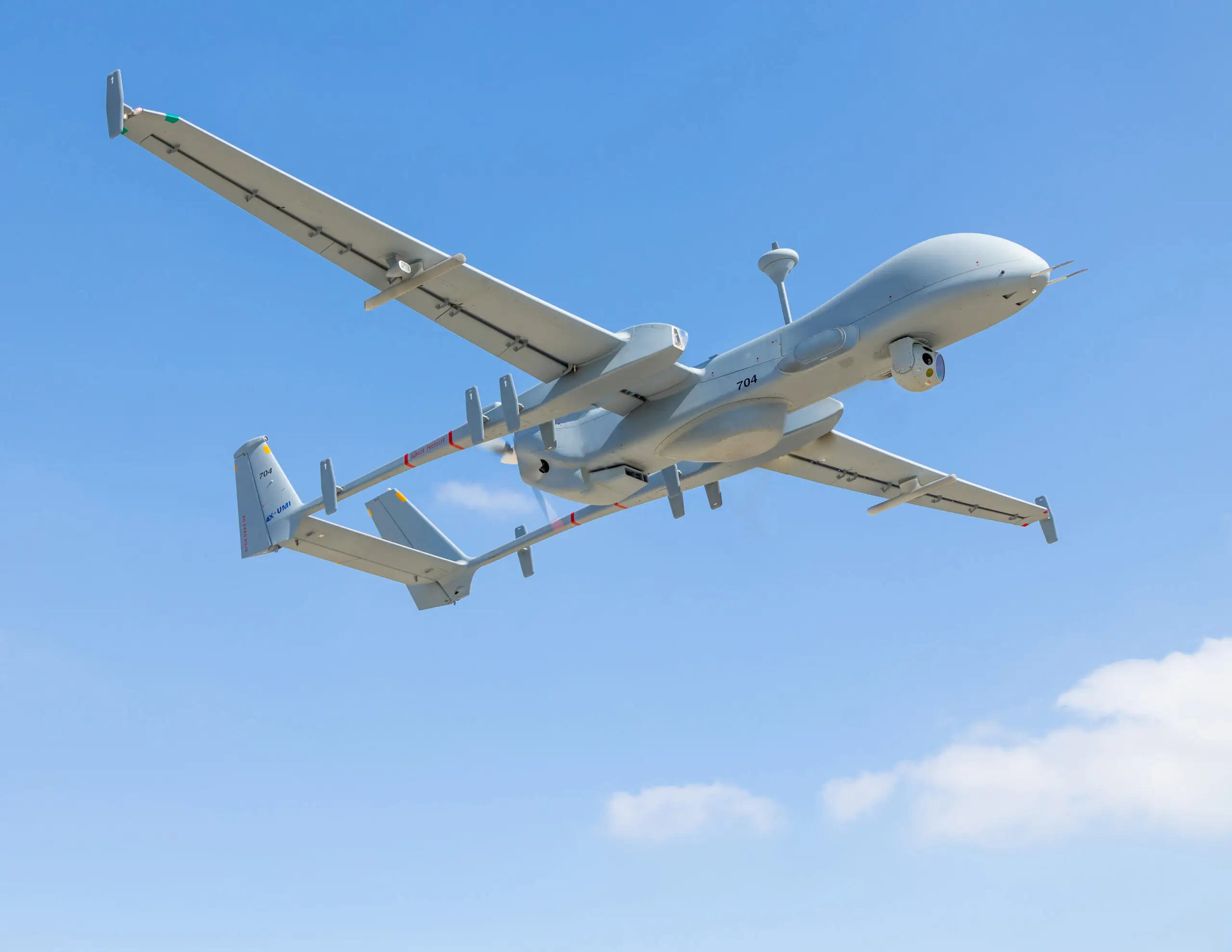
The Heron TP, also known as the 'Eitan', is widely considered Israel’s most advanced strategic drone. Developed by Israel Aerospace Industries (IAI), this colossal Unmanned Aerial Vehicle (UAV) has a wingspan of 26 metres, comparable to a Boeing 737 aircraft. It is designed to perform heavy-duty missions that smaller tactical drones simply cannot handle.
High Altitude Mastery Dominating the Skies
This drone operates at an altitude of over 14,000 metres (45,000 feet), flying well above commercial air traffic and common air defence systems. Its ability to stay airborne for more than 30 hours allows for persistent surveillance over vast areas. This endurance ensures that Israel can maintain a constant 'eye in the sky' during critical operations.
Heavy Payload Capacity Carrying Heavy Gear
The Eitan stands out for its massive payload capacity, capable of carrying over 1,000 kilogrammes of equipment. This allows it to be fitted with a variety of sensors, including electro-optical cameras, laser range finders, and radar systems simultaneously. Its size enables it to adapt to diverse mission requirements without sacrificing performance.
Global Reach Beyond Line of Sight
With a reported range of over 7,400 kilometres, the Heron TP can operate far beyond Israel’s borders. It utilises satellite communications (SATCOM) to maintain a link with operators, regardless of the distance. This 'Beyond Line of Sight' capability is crucial for long-range intelligence gathering in hostile territories.
Autonomous Systems Smart Flight Tech
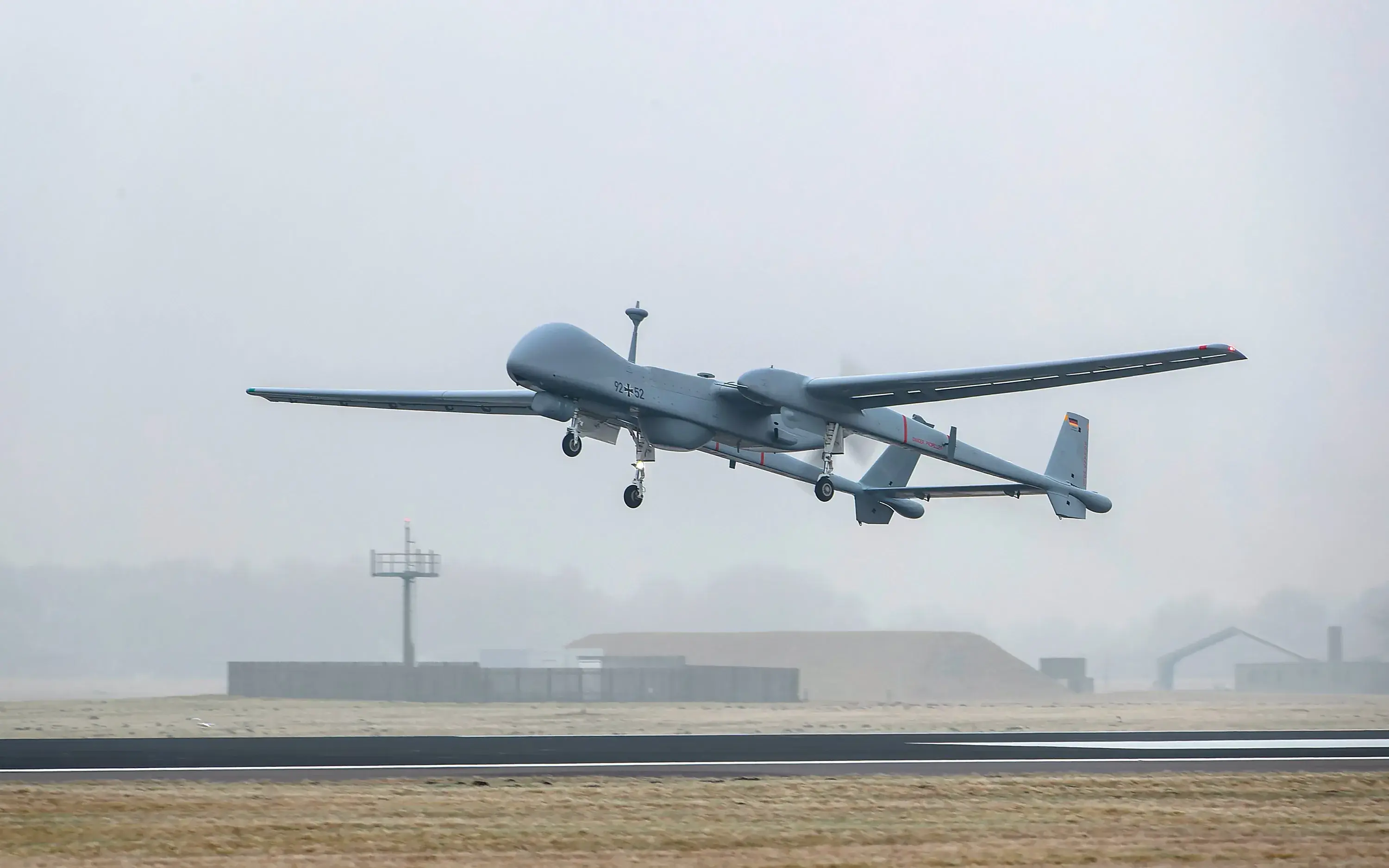
The drone features an Automatic Taxi-Takeoff and Landing (ATOL) system, reducing the need for manual pilot intervention during the most risky phases of flight. It is equipped with triple-redundant avionics, meaning backup systems are always ready to take over if a component fails. This high level of automation ensures reliability even in difficult weather conditions.
Surveillance Power All-Seeing Sensors
The Eitan is equipped with advanced synthetic aperture radar (SAR) and Global Maritime Patrol Radar (MPR). These sensors allow it to track moving targets on the ground or at sea, even through clouds or dust storms. It provides real-time, high-definition intelligence to commanders, making it a pivotal tool for modern battlefield awareness.
Safety and Stealth Silent and Secure
Despite its large size, the Heron TP is designed to be difficult to detect due to its high operational altitude and composite materials. Its turboprop engine is relatively quiet, allowing it to loiter unnoticed over targets for extended periods. The platform adheres to strict safety standards, allowing it to fly in civilian airspace when necessary.

Can Iran Hack It? Electronic Warfare Defence
While Iran has previously captured older US drones via GPS spoofing, the Heron TP is a much harder target. It employs military-grade encrypted datalinks and immune satellite navigation systems specifically designed to resist jamming. If the link is severed, the drone’s autonomous computer is programmed to return to base independently, making a remote 'hijack' highly unlikely.
)
)
)
)
)