Can hypersonic missiles defeat the S-400?

While the S-400's Mach 14 interceptors defeat traditional ballistic missiles, unpredictable hypersonic glide vehicles pose a severe threat. Upgrades like the hit-to-kill 77N6 missile and integration with the S-500 are required for total defence.
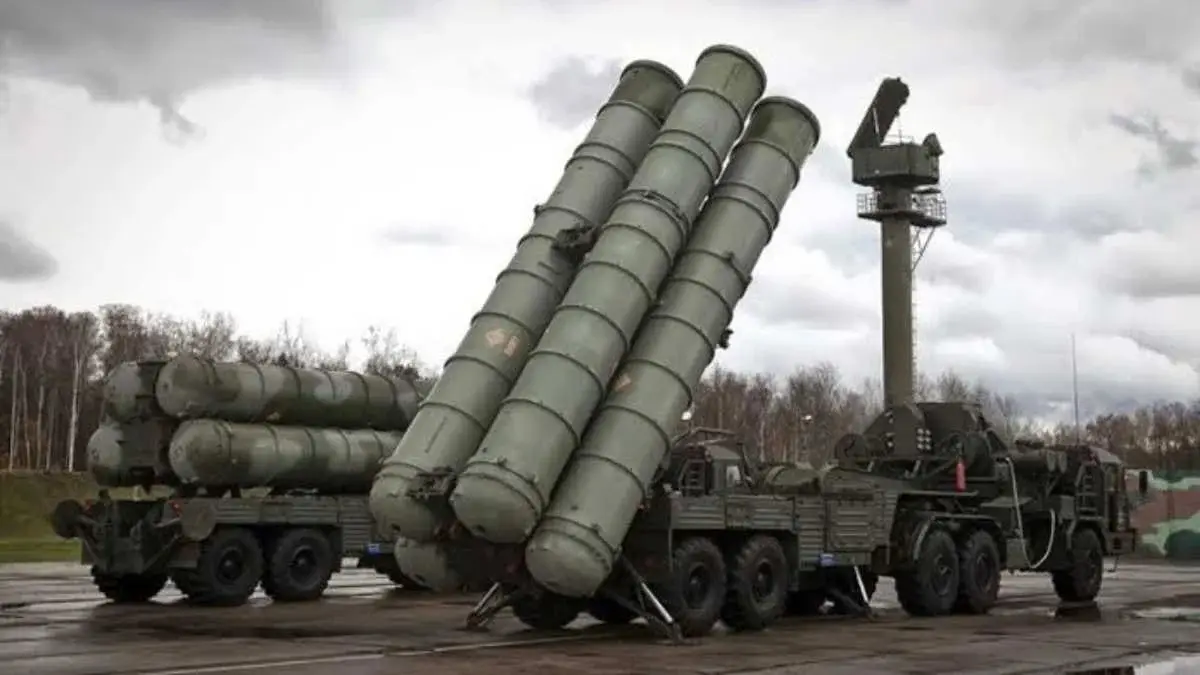
The Hypersonic Threat
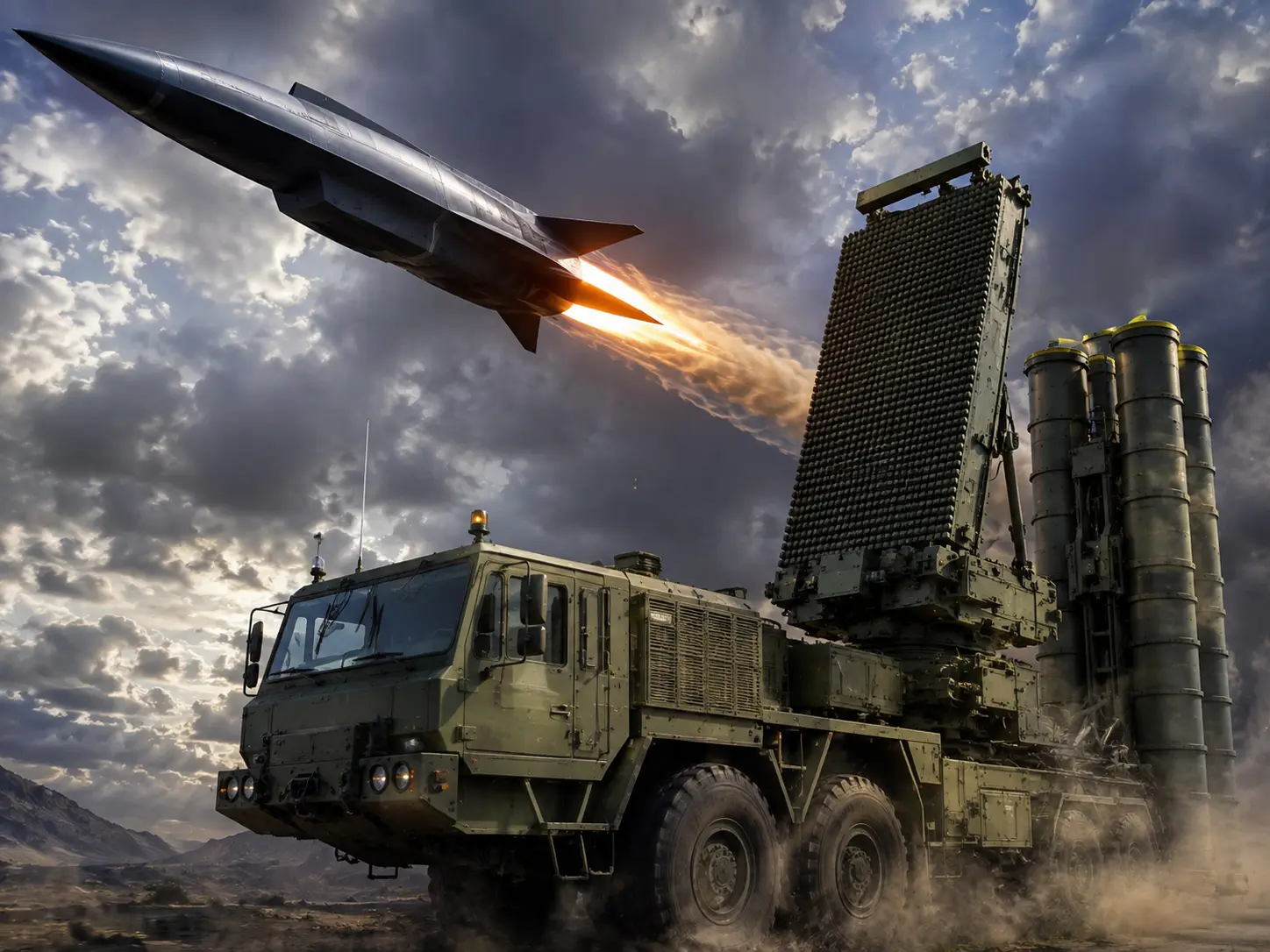
Modern hypersonic weapons travel at speeds exceeding Mach 5, making them exceptionally difficult to track. Unlike traditional ballistic missiles that follow predictable arcs, hypersonic glide vehicles manoeuvre unpredictably at low altitudes to evade radar detection.
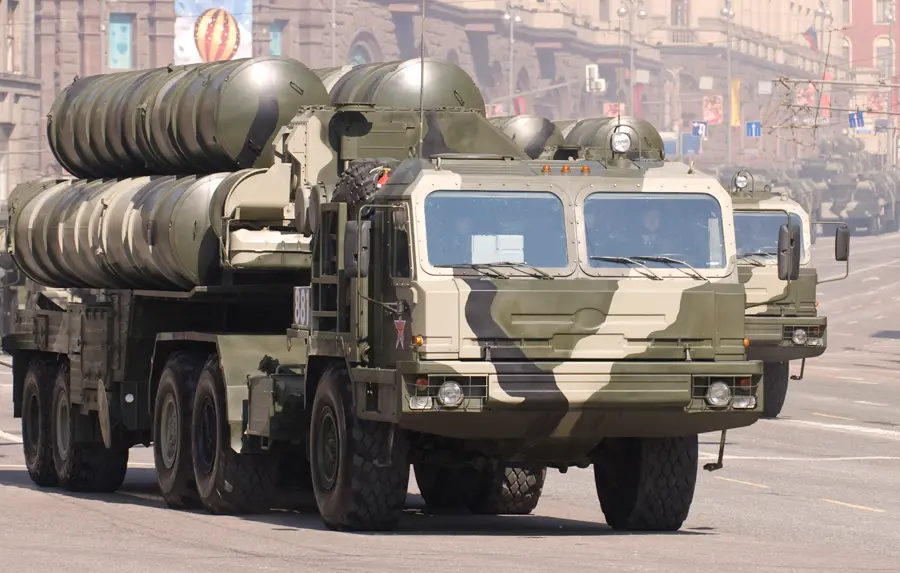
Matching the Speed
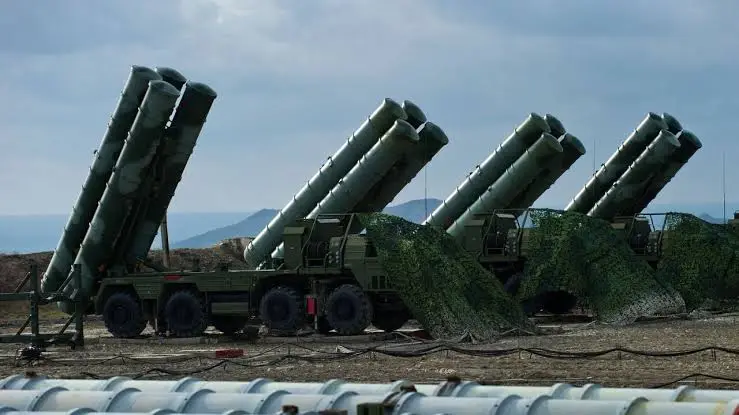
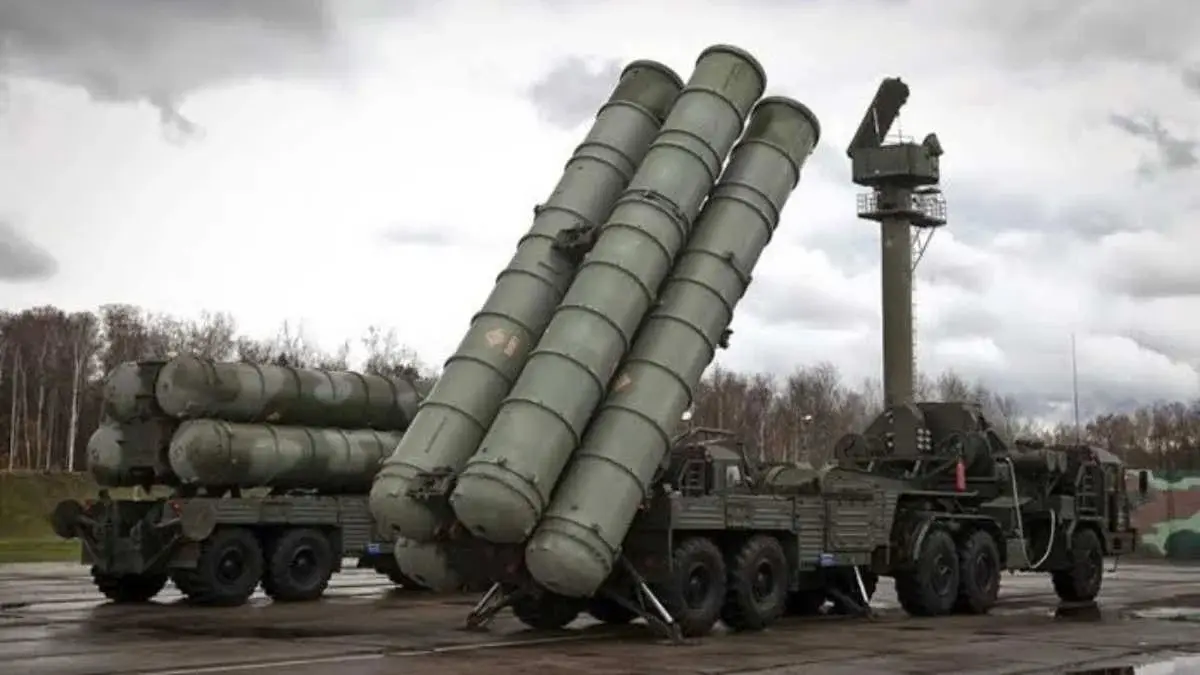
The Russian S-400 Triumf possesses the raw speed required to intercept hypersonic threats. Its advanced interceptor missiles can accelerate to staggering speeds of up to 17,000 kilometres per hour, or roughly Mach 14.
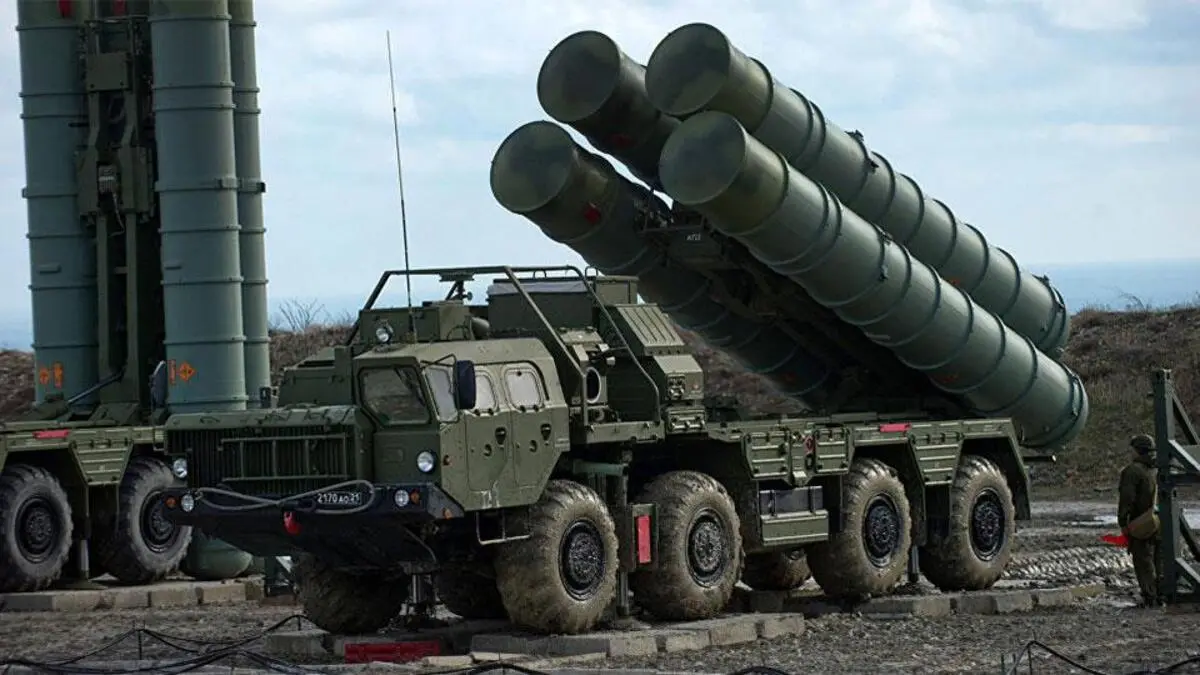
The Ballistic Success
Against older hypersonic targets, the S-400 remains highly effective. The system routinely calculates intercepts for traditional ballistic missiles across a 60-kilometre radius, destroying them with 143-kilogram high-explosive fragmentation warheads.
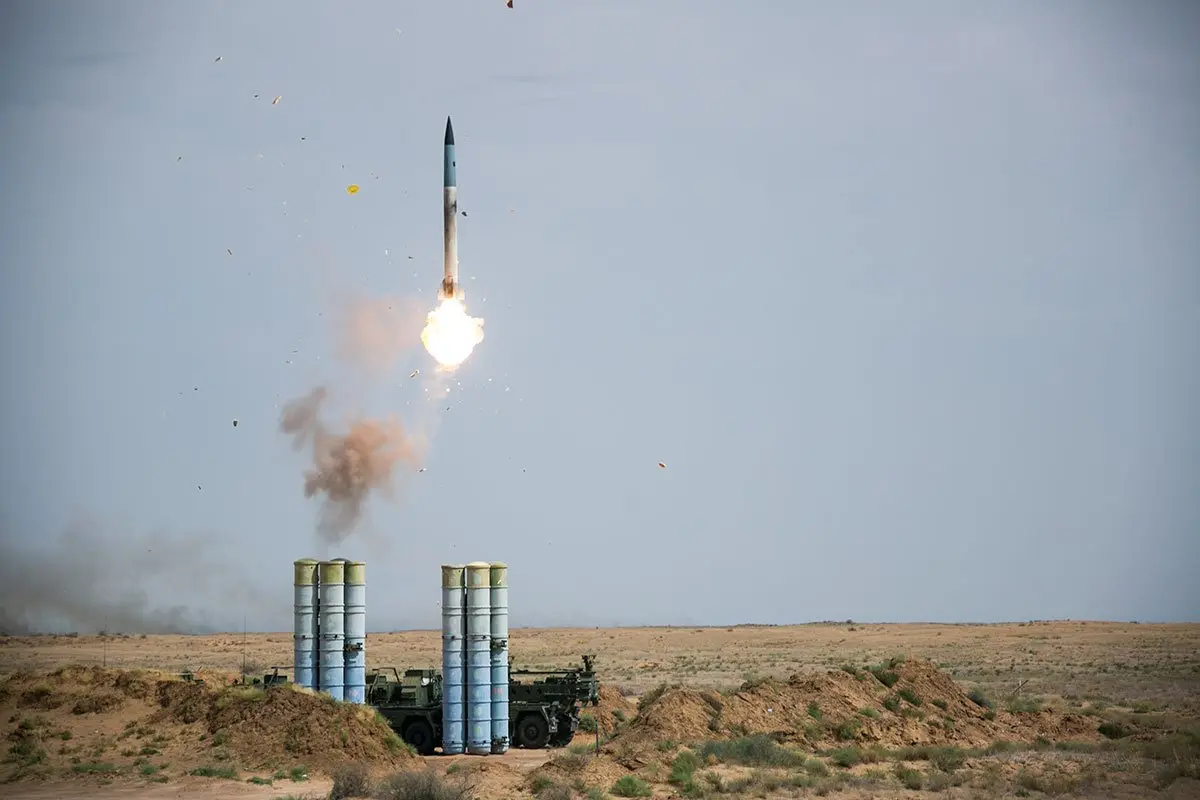
The Manoeuvrability Gap
However, next-generation hypersonic glide vehicles expose critical vulnerabilities in the USD 1.25 billion air defence system. Defence assessments indicate that the S-400 has yet to demonstrate full combat capability against these highly manoeuvrable, upper-tier threats.
The 77N6 Upgrade
To address this vulnerability, Russia is actively developing the highly advanced 77N6 interceptor series. Unlike previous Russian surface-to-air missiles, the 77N6 utilise precision hit-to-kill technology specifically engineered to physically destroy incoming ballistic warheads.
Radar Limitations
Defeating modern hypersonic gliders also requires flawless sensor networks. While the S-400's panoramic radar can track 300 targets simultaneously, no single radar frequency can guarantee a weapon-quality track against low-observability, high-speed threats.
A Layered Solution
Ultimately, military experts conclude that no single battery provides an impenetrable hypersonic shield. Successfully defeating modern glide vehicles requires networking the S-400 with the new S-500 Prometheus system, which is purpose-built to engage targets near the edge of space.
)
)
)
)
)