Can fighter jets fly with just one wing? Here’s what happened to F‑15D Eagle

The F-15’s right wing was almost completely sheared off. Despite this, pilot Zivi Nedivi managed to regain control of the aircraft by engaging the afterburner and made an emergency landing at Ramon Air Base.
A Seemingly Impossible Feat
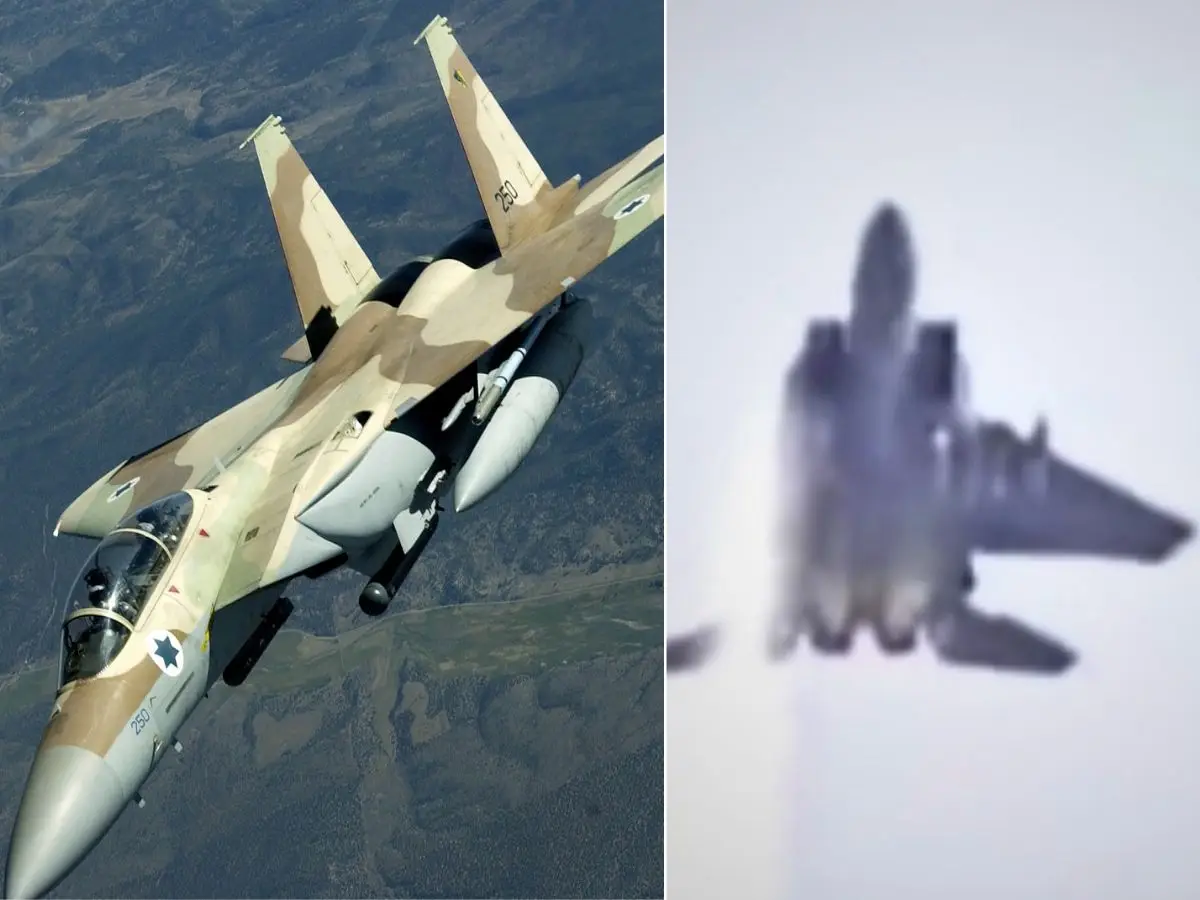
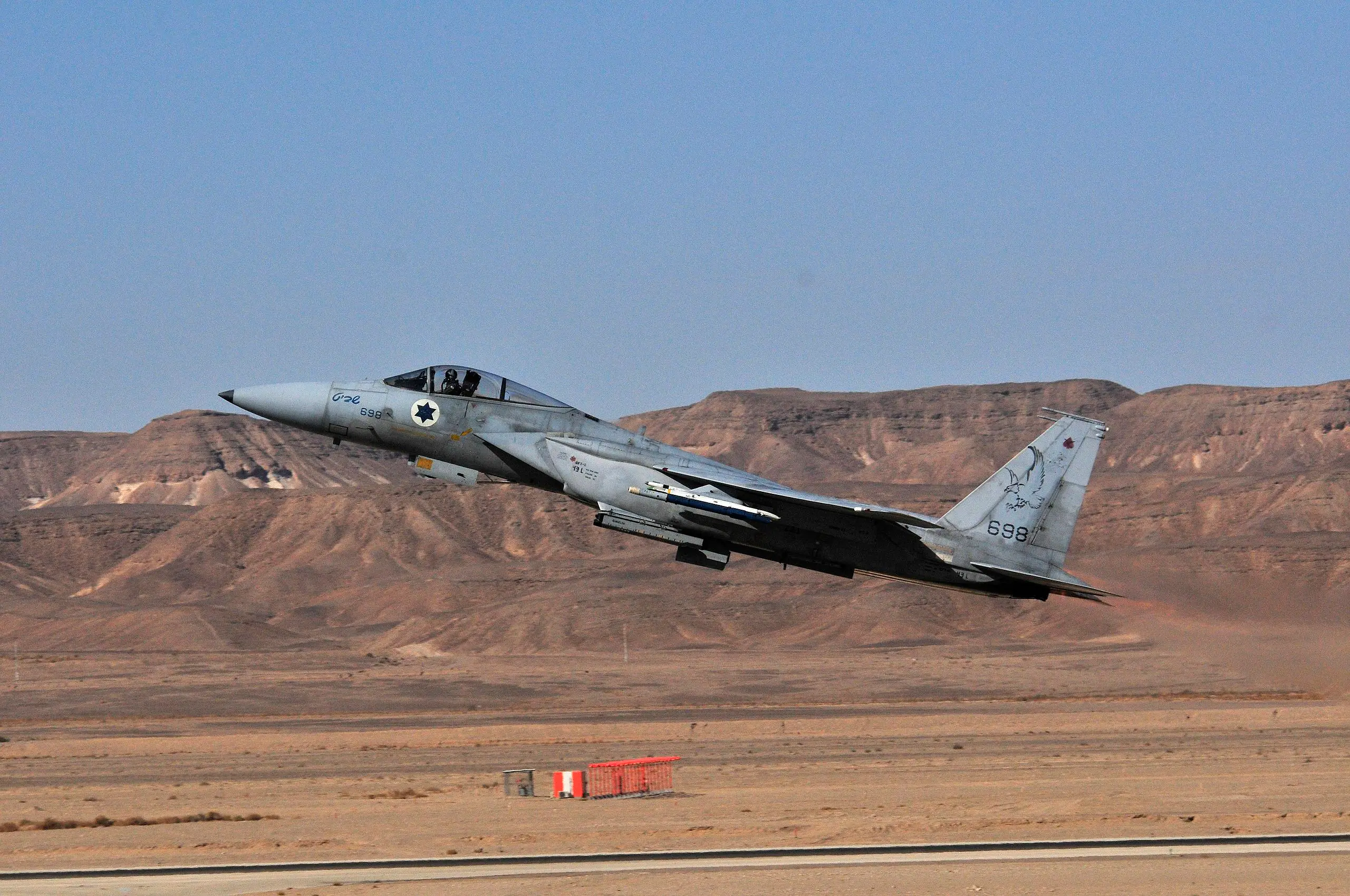
In 1983, a remarkable incident challenged aviation logic. During a training exercise over Israel’s Negev desert, an Israeli Air Force F-15D Eagle collided mid-air with an A-4 Skyhawk. Against all expectations, the F-15, piloted by Zivi Nedivi, returned to base and landed, despite losing nearly its entire right wing. The event raised the question: Can a modern fighter really stay airborne with one wing?
How the Collision Happened
The F-15D was engaged in close air combat manoeuvres when it struck the A-4. The impact sheared off the right wing from roughly half a metre beyond the root. The A-4 pilot ejected safely. Nedivi initially prepared to eject too, but realising the jet still responded to controls, he decided to attempt recovery.
The Role of Engine Power
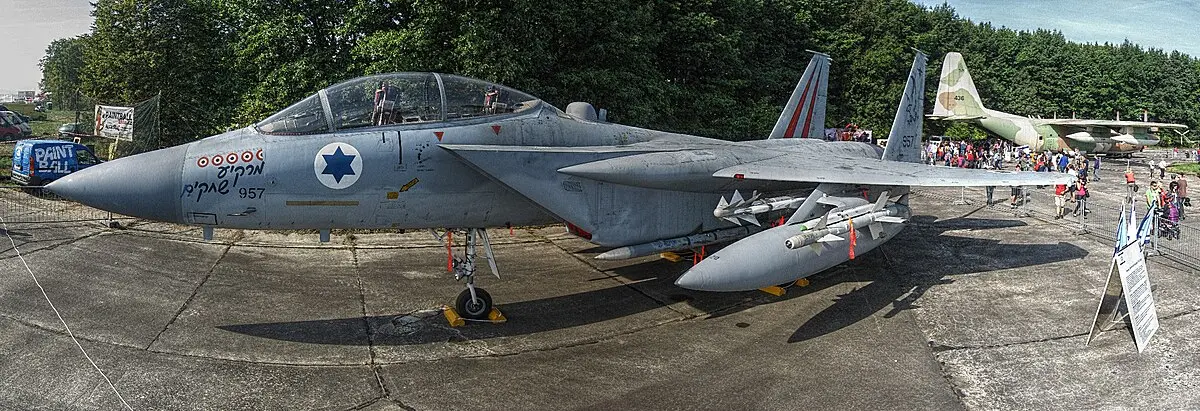
The F-15’s survival depended on its two powerful Pratt & Whitney F100 engines. Nedivi kept high speed and significant thrust, which provided enough lift across the aircraft’s large fuselage and remaining wing area to stay airborne. Engineers later noted the F-15’s wide body and lift-generating surfaces contributed unexpectedly to its temporary stability.
Landing Against All Odds
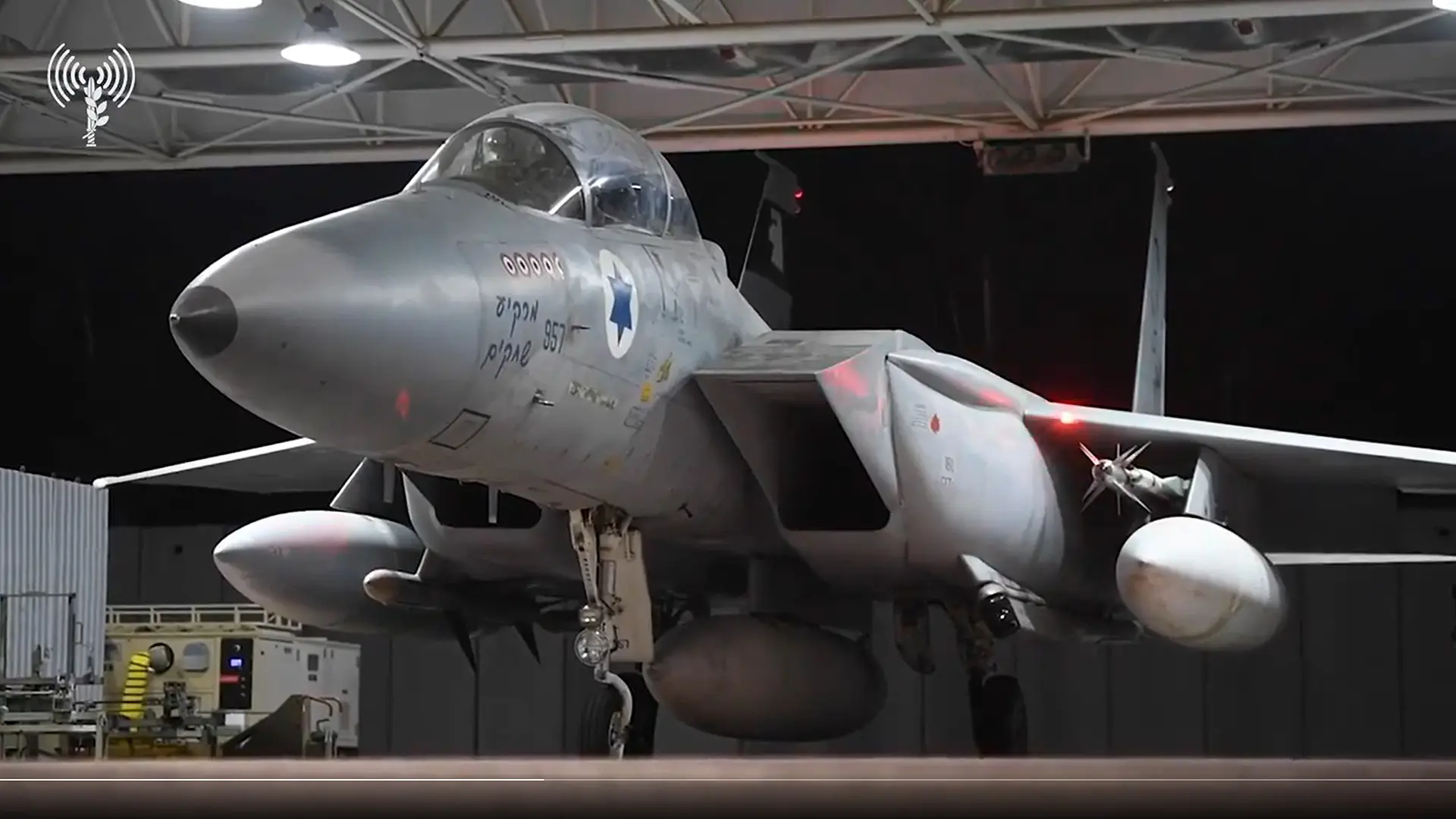
Despite severe vibration and asymmetric lift, Nedivi lined up for landing at a higher-than-normal speed. The arrestor hook failed to deploy correctly, but the aircraft touched down safely at high speed. Maintenance crews only realised the extent of damage after landing, when the right wing’s absence became fully visible.
Engineering Lessons Learned
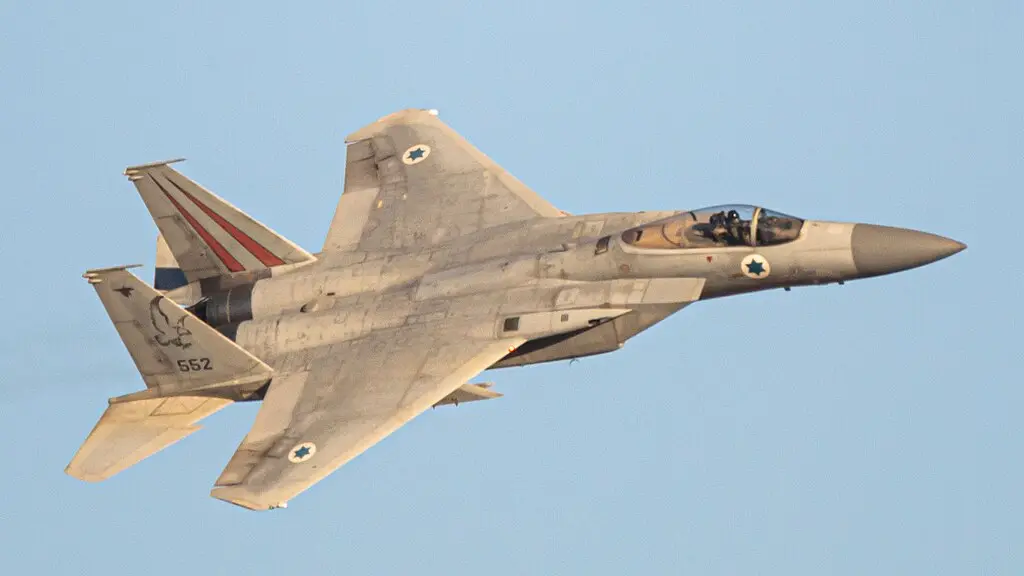
Investigators concluded the F-15’s internal structure and large horizontal stabilisers helped keep it controllable. The incident influenced later design reviews, confirming that some modern jets could maintain partial flight if enough lift and thrust remained balanced.
Media and Public Reaction
News of the 'one-wing landing' spread quickly, and photographs of the damaged aircraft circulated worldwide. Some aviation specialists initially doubted the reports until the official investigation and images confirmed the event. The incident highlighted the unexpected resilience of modern airframes under extreme conditions.
A Unique Place in Aviation History
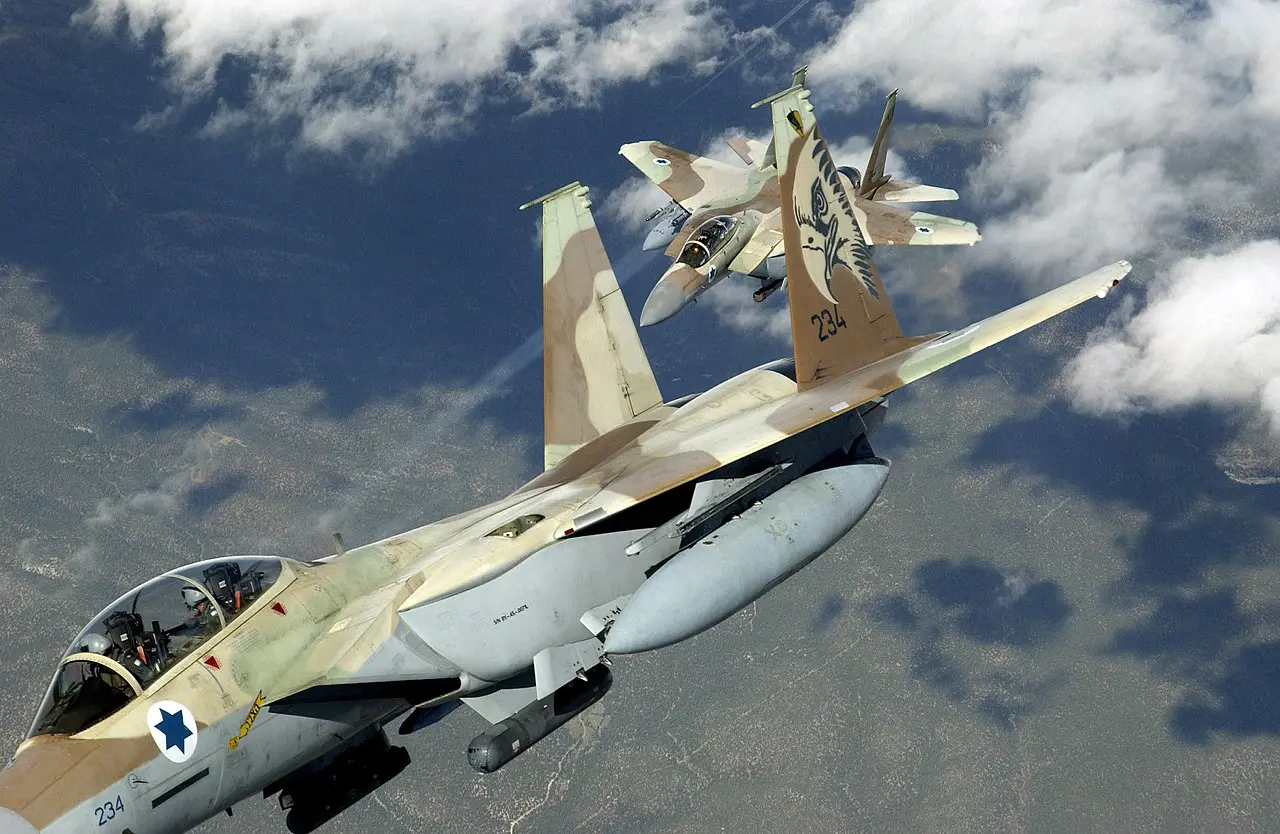
The F-15 involved was repaired and returned to service. Today, it remains a widely referenced case in pilot training and aerospace engineering. While fighter jets are not designed to fly on one wing, this real event proved that, under rare and controlled circumstances, it can be just enough to get a damaged aircraft home.
)
)
)
)
)