Can fighter jets fly upside down for minutes?

Flying upside down sounds wild, but fighter jets can do it. For a few seconds. From fuel limits to G-forces, inverted flight is a powerful yet risky manoeuvre used in combat and air shows. Curious how it works and why it can’t last long? Know more below.
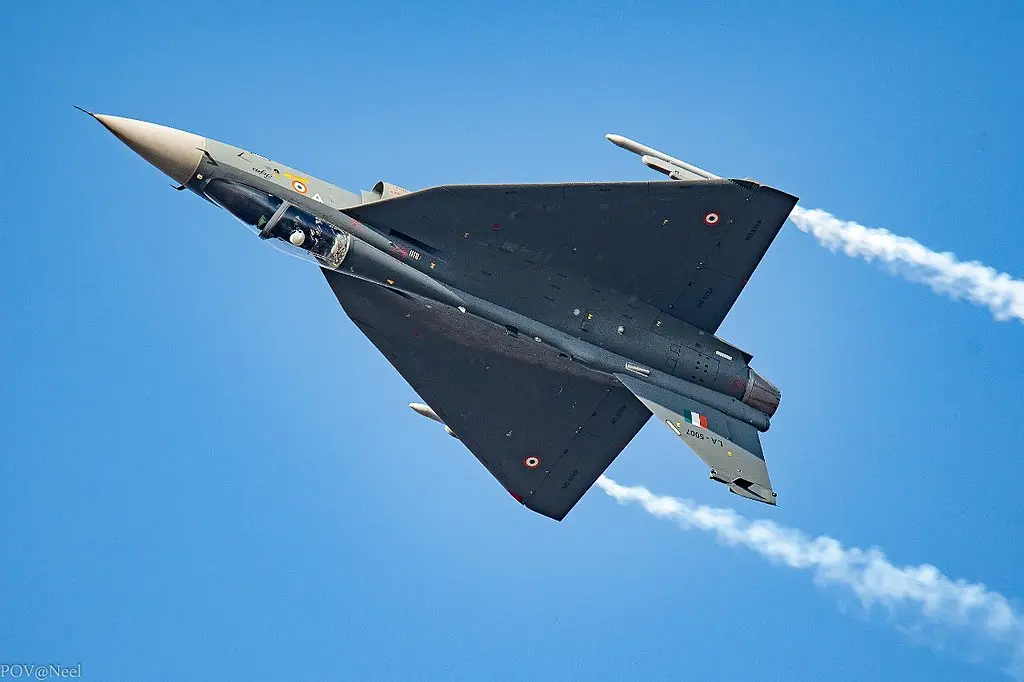
What Is Inverted Flight?
Inverted flight means flying with the plane’s top facing the ground. Fighter jets pull this off by using their control surfaces and enough engine thrust to keep level. It is common in air shows, combat moves, and for dodging threats.
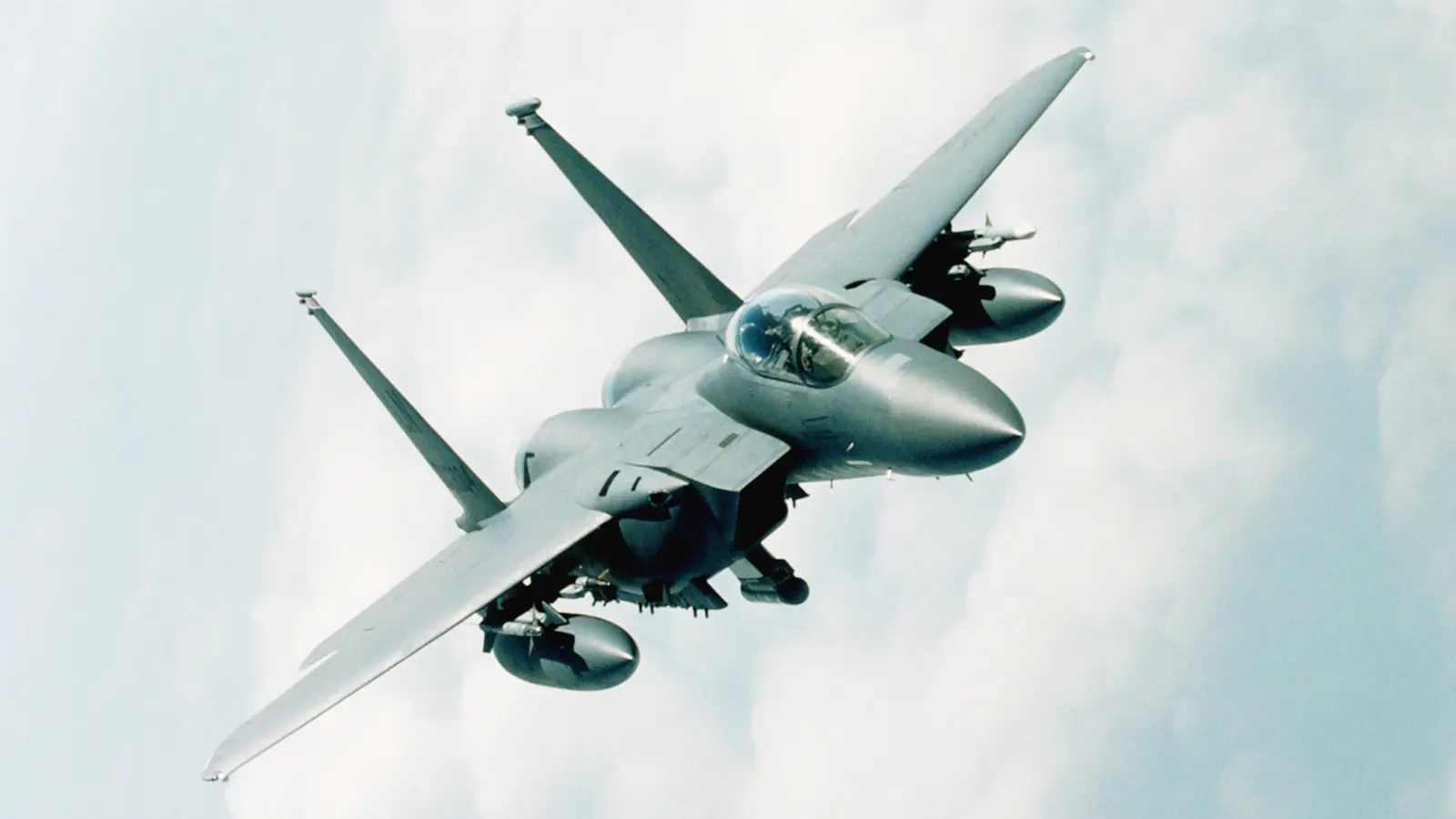
How Do Jets Stay Upside Down?
Most fighter jets have symmetrical wings and powerful engines. Pilots use a higher “angle of attack” to keep lift while upside down. Modern jets can fly inverted, but not for long stretches just enough for a quick move or short stunt.
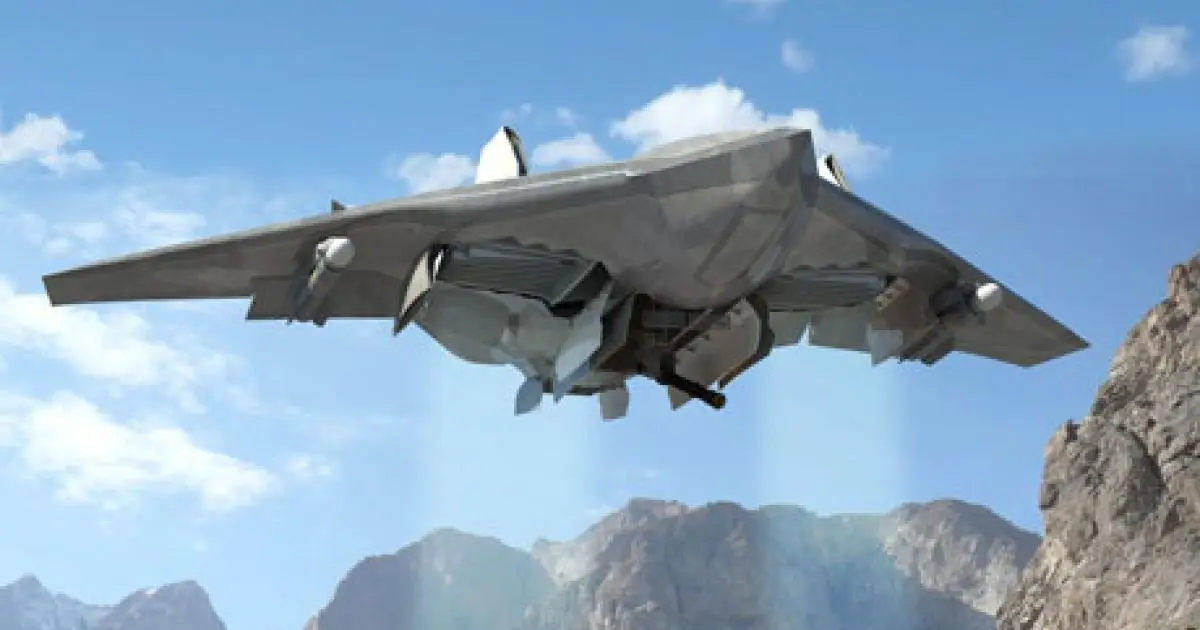
How Do Jets Stay Upside Down?
Most fighter jets have symmetrical wings and powerful engines. Pilots use a higher “angle of attack” to keep lift while upside down. Modern jets can fly inverted, but not for long stretches just enough for a quick move or short stunt.
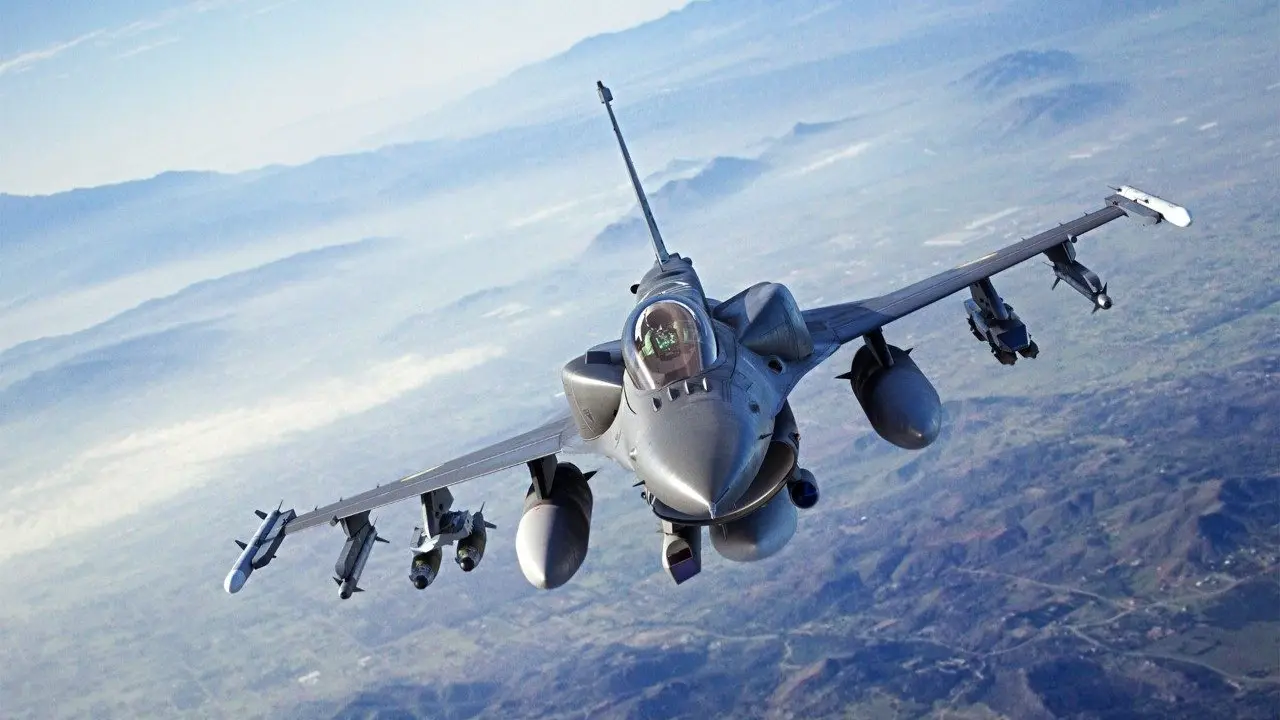
Role of Fuel Systems
Jets use special feeder tanks and pumps, but inverted flight affects fuel supply. Most jets can only stay upside down for 10-30 seconds before fuel flow, and sometimes oil flow, is disrupted. Prolonged upside down flight risks engine cut-out, according to engineers and pilot reports.
G-Forces and the Human Body
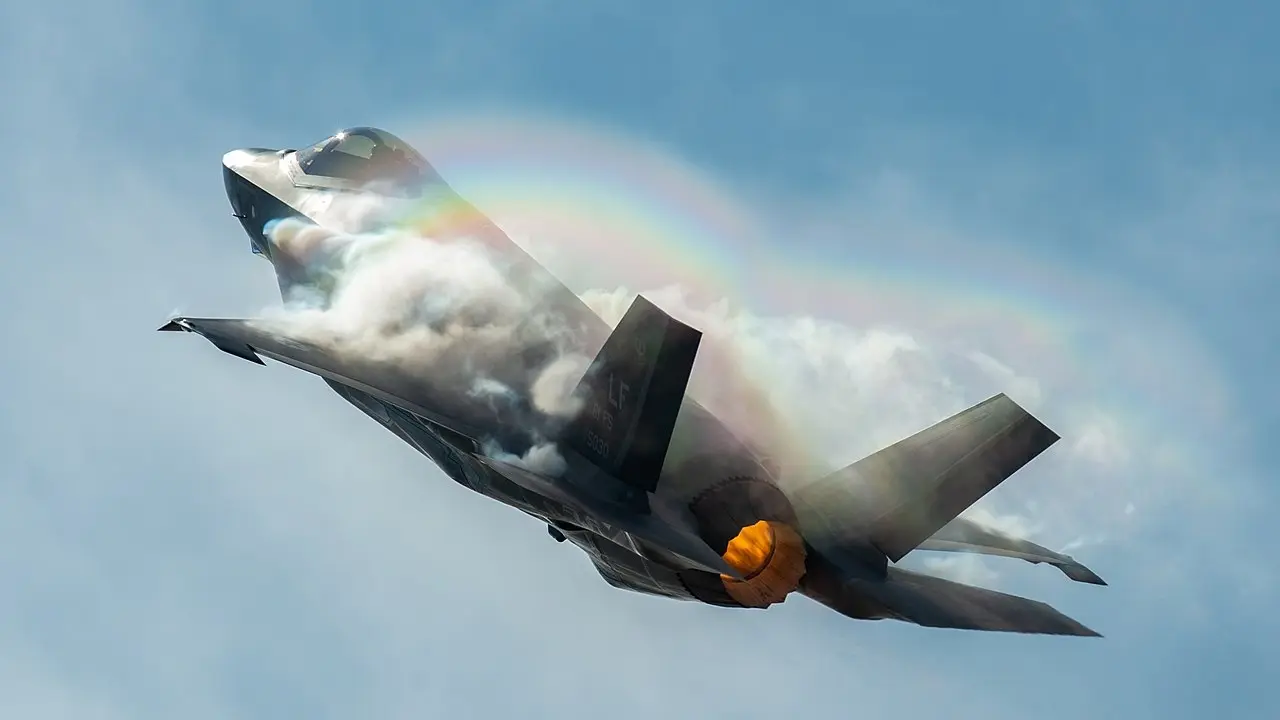
When flying upside down, pilots experience “negative Gs,” which forces blood to the head, making it harder to see and think. Special anti-G suits help, but it’s still uncomfortable and risky to stay inverted for a long time, even if the jet can take it.
Tactical Uses in Combat
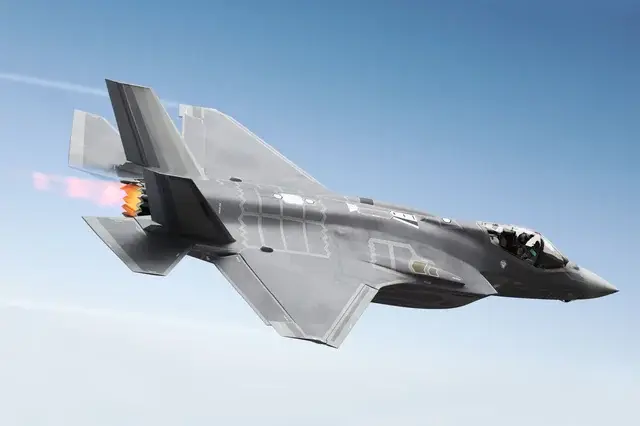
Inverted flying is useful in certain dogfight moves like the split-S or when escaping surface-to-air missiles. However, it’s not a sustained battle position. Pilots roll in and out quickly to avoid engine problems or G-LOC (loss of consciousness), keeping safe during fast turns.
Why Not Stay Upside Down Longer?
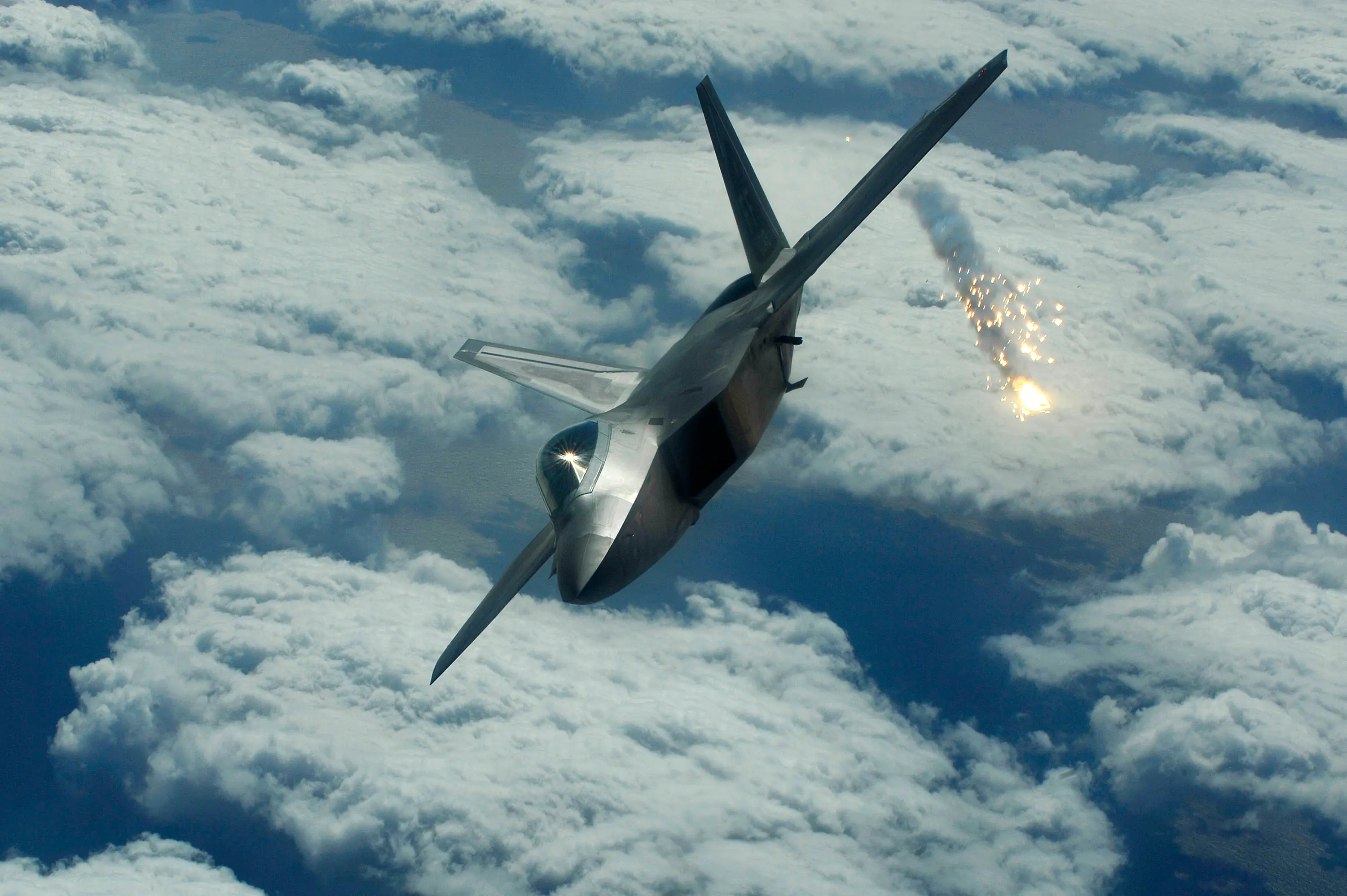
Technical manuals and pilot guides say most jets have a firm time limit for inverted flight. For example, the F-18 and similar jets are limited to about 30 seconds upside down. Oil, fuel, and even oxygen systems are optimised for upright flight.
What Experts and Pilots Say
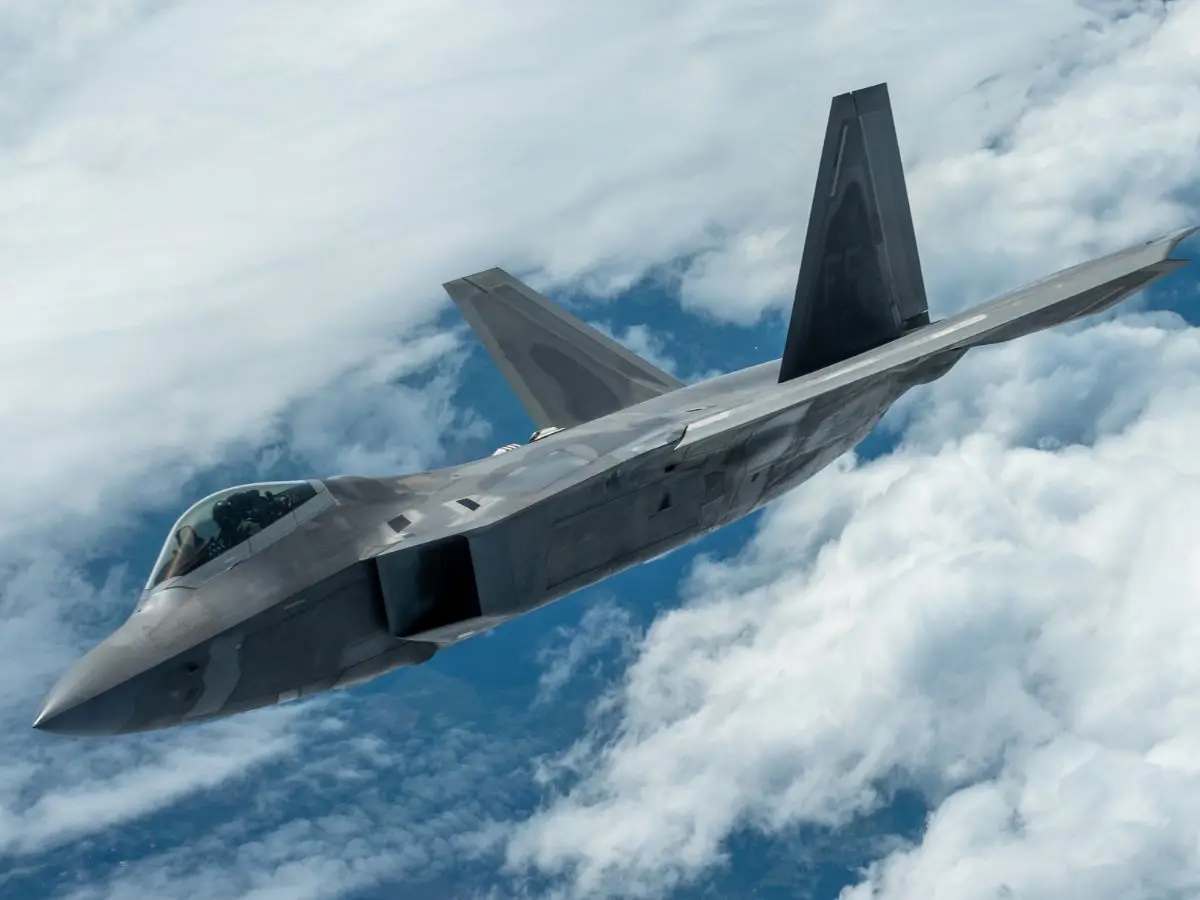
Reports confirm upside-down flying is real, but practical only in quick bursts. Sustained inverted flight is rare outside stunt flying. Jet designers balance performance, safety, and pilot health. The true limit comes from both physics and how jets are built.
)
)
)
)
)