Can fighter jets fly through space junk in orbit?

Fighter jets rule the skies, but they can’t reach and survive in space. from deadly space junk which are travelling at around 28,000 km/h. Here’s why these aircraft are powerless beyond earth’s atmosphere.
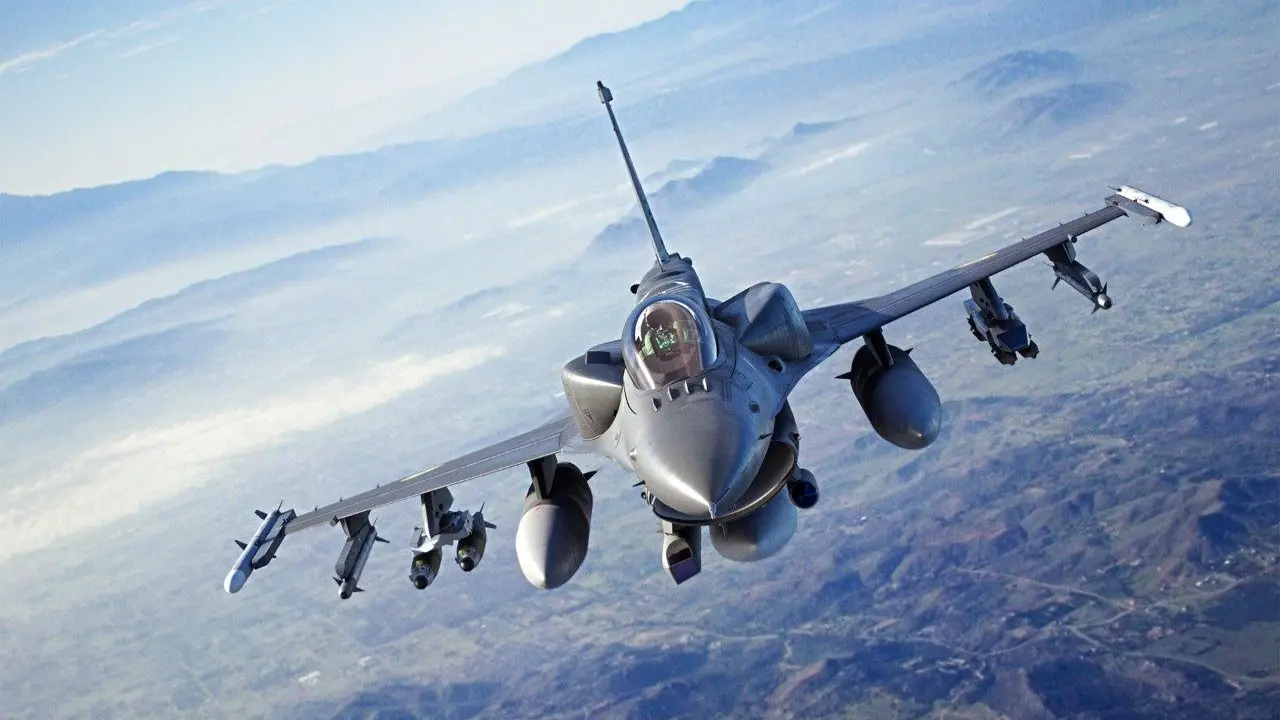
Space flight
Fighter jets cannot fly through space junk in orbit because they're not designed for space flight. Space junk orbits at altitudes of 200-2,000 kilometres, far above where fighter jets can operate.
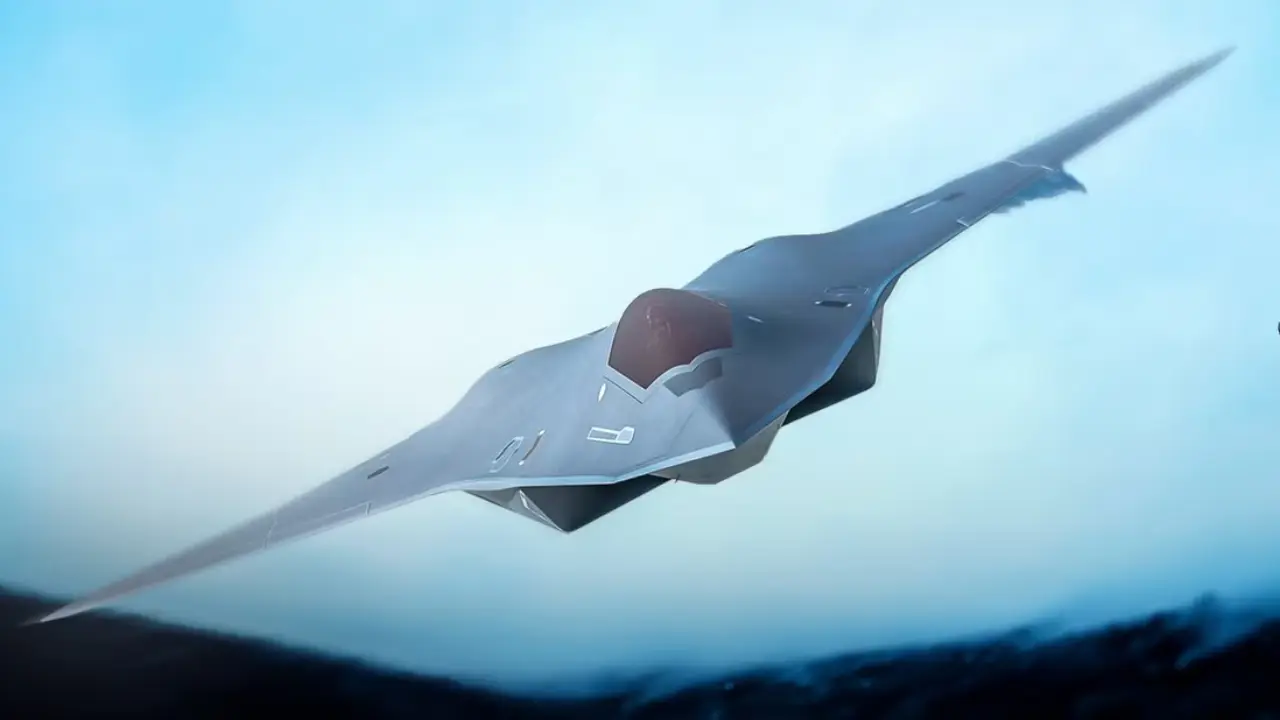
Orbital debris
Even if jets could reach orbital altitudes, flying through space junk would be suicidal. Orbital debris travels at speeds of 28,000 km/h, about 10 times faster than fighter jets. The impact energy would be devastating.
Space junk
Space junk includes defunct satellites, rocket stages, and fragments from collisions. According to NASA, there are over 500,000 pieces of debris larger than 1 centimetre orbiting Earth. Each piece is a potential bullet.
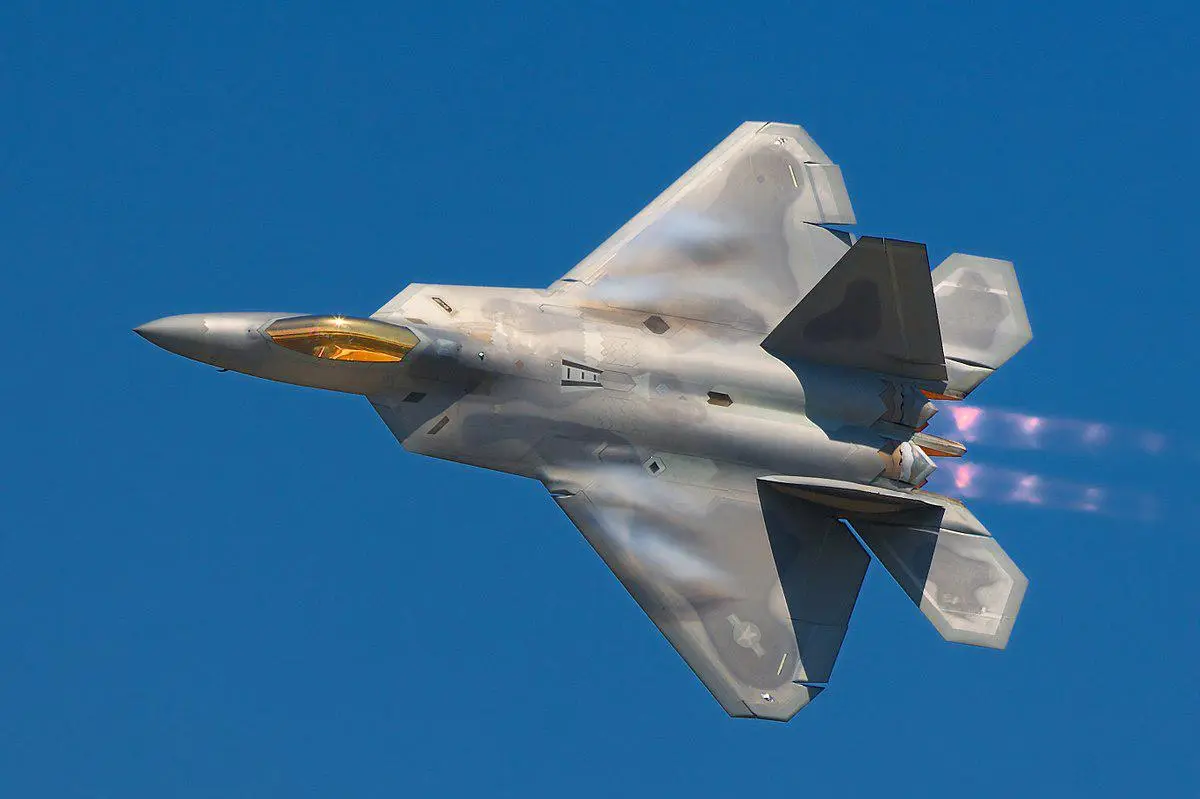
Vacuum of space
Fighter jets are designed for atmospheric flight, not orbital mechanics. They can't maintain orbit without continuous thrust, and their wings and control surfaces don't work in the vacuum of space.
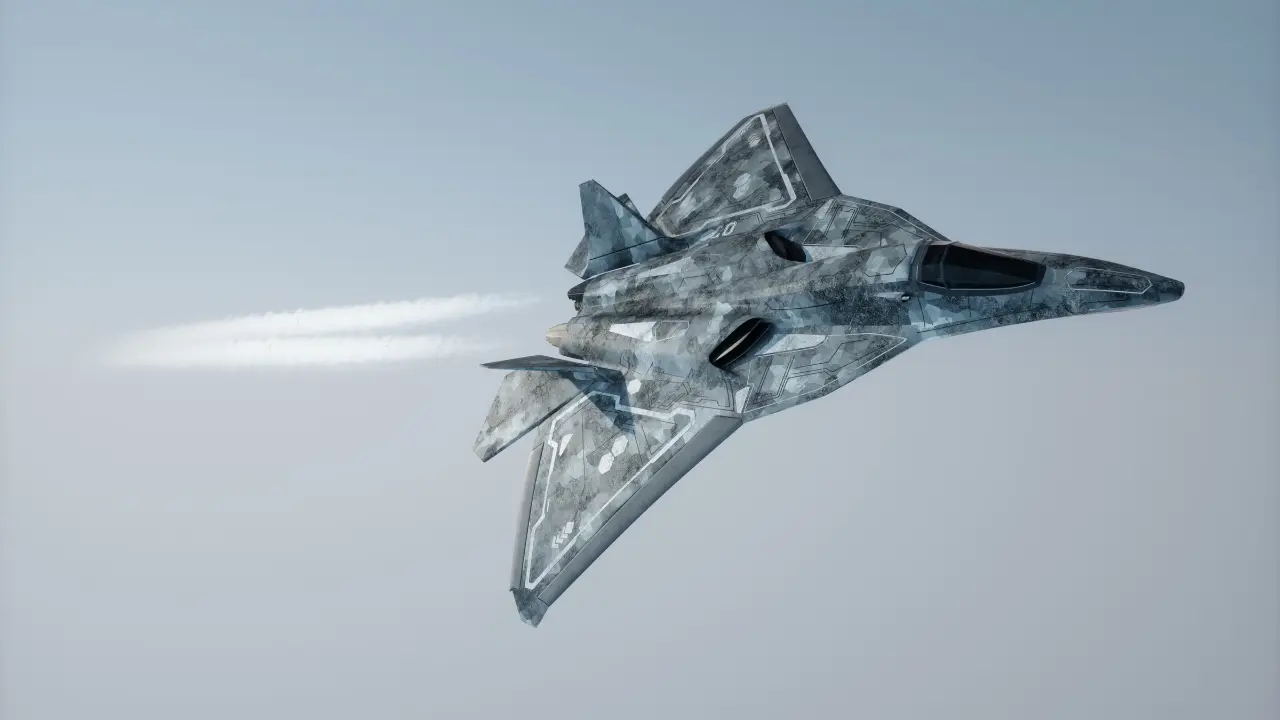
Military fighter jet
Some military aircraft have reached the edge of space, but these are experimental craft designed for research. They don't have the capability to navigate through orbital debris or maintain stable orbits.
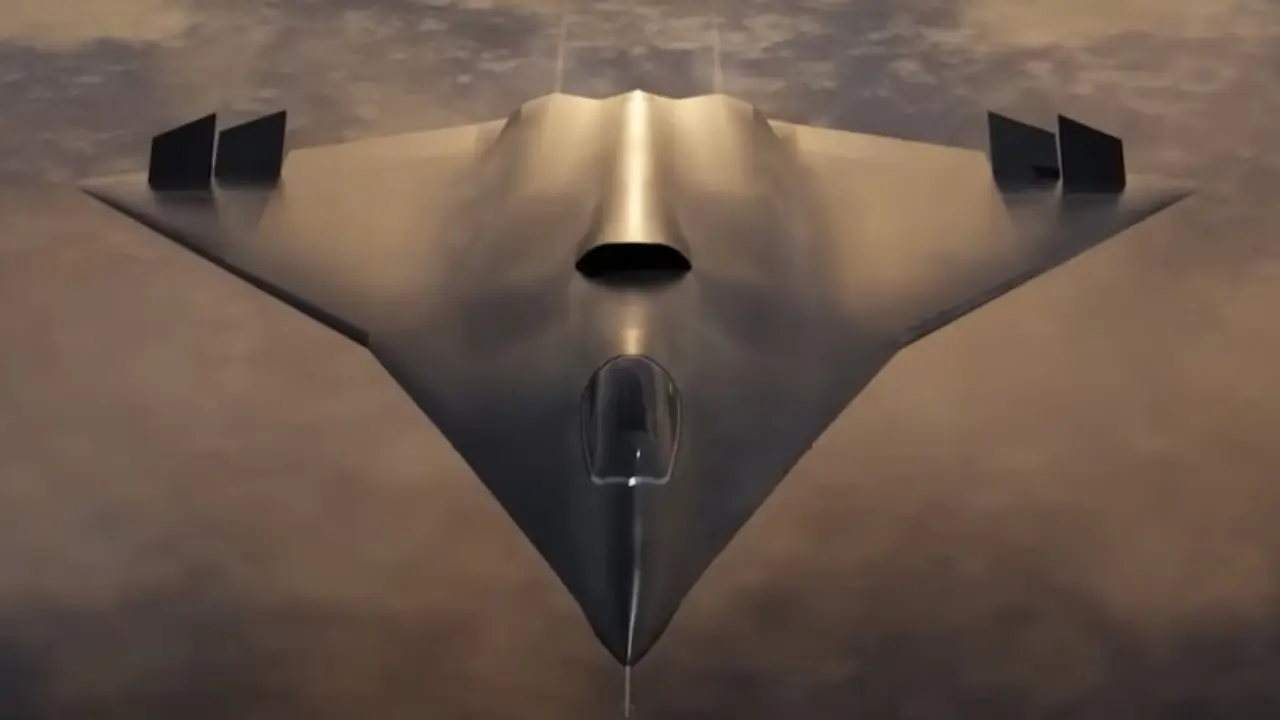
Space agencies track space junk
Space agencies track space junk and plan satellite launches to avoid collisions. Fighter jets would need similar tracking and avoidance systems, but they're not equipped for this type of operation.
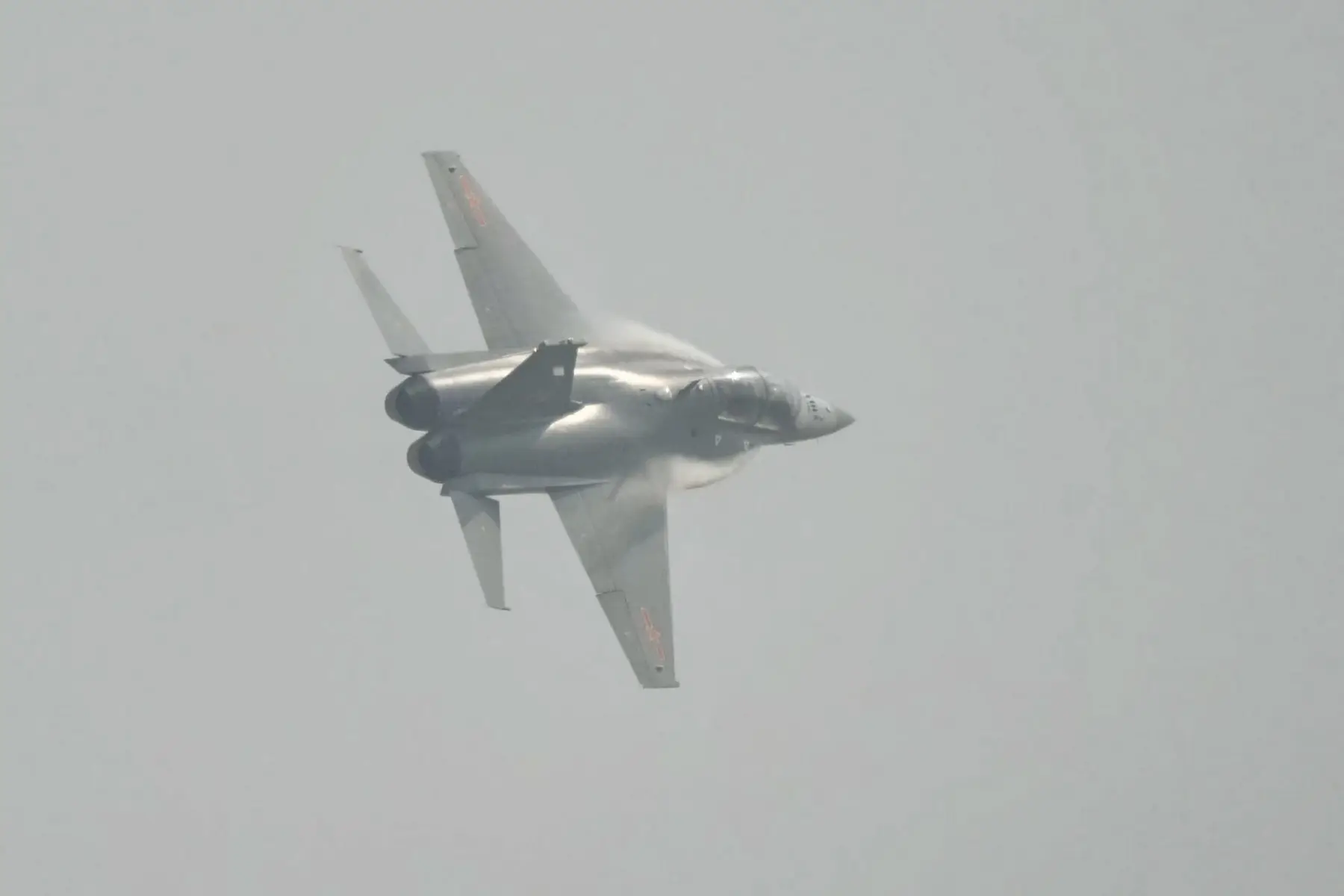
Fighter jets patrolling orbital space
So while the idea of fighter jets patrolling orbital space might sound exciting, it's not feasible with current technology. Space junk is a serious problem that requires specialised space vehicles, not atmospheric aircraft.
)
)
)
)
)