Can fighter jets dogfight at supersonic speeds?

Supersonic dogfights sound thrilling, but when it comes to reality, it is nearly impossible to pull off. Modern fighter jets may reach incredible speeds, yet true air combat depends more on control, manoeuvrability, and strategy than sheer velocity.
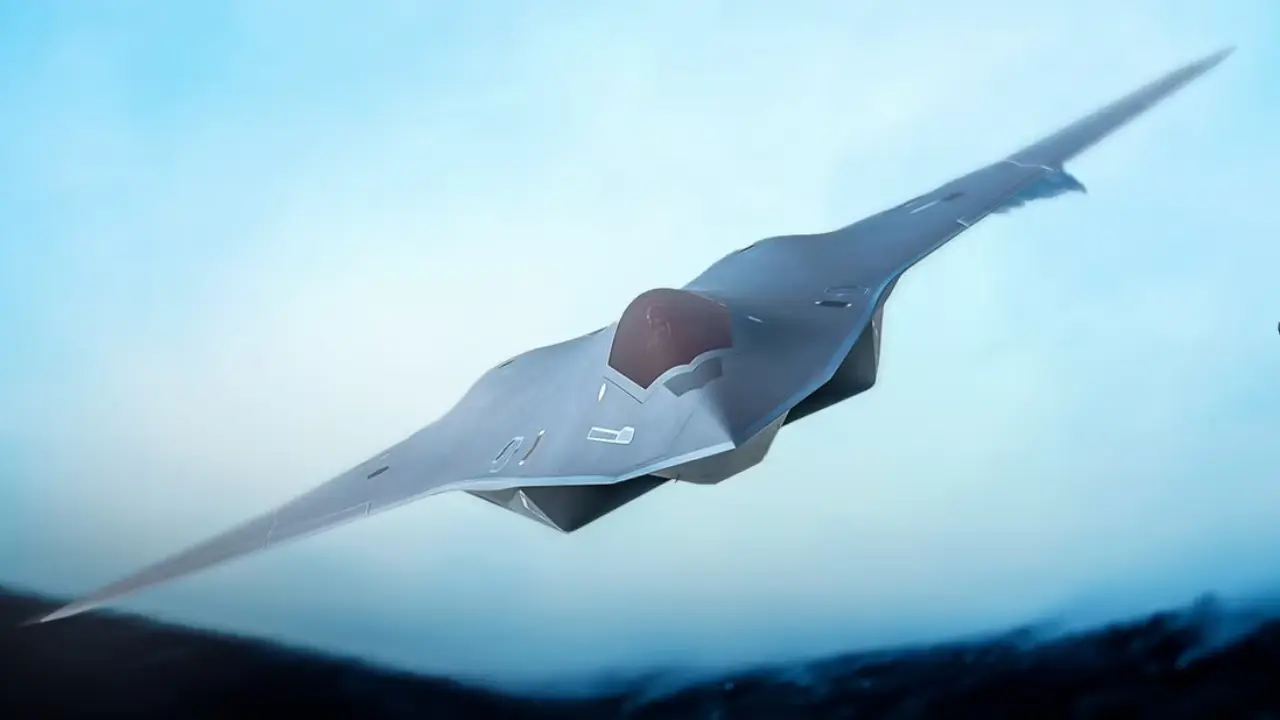
Dogfight at supersonic speeds
Fighter jets can technically dogfight at supersonic speeds, but it's extremely difficult and rarely practical. Most dogfights occur at subsonic speeds where aircraft are more manoeuvrable and pilots have better control.
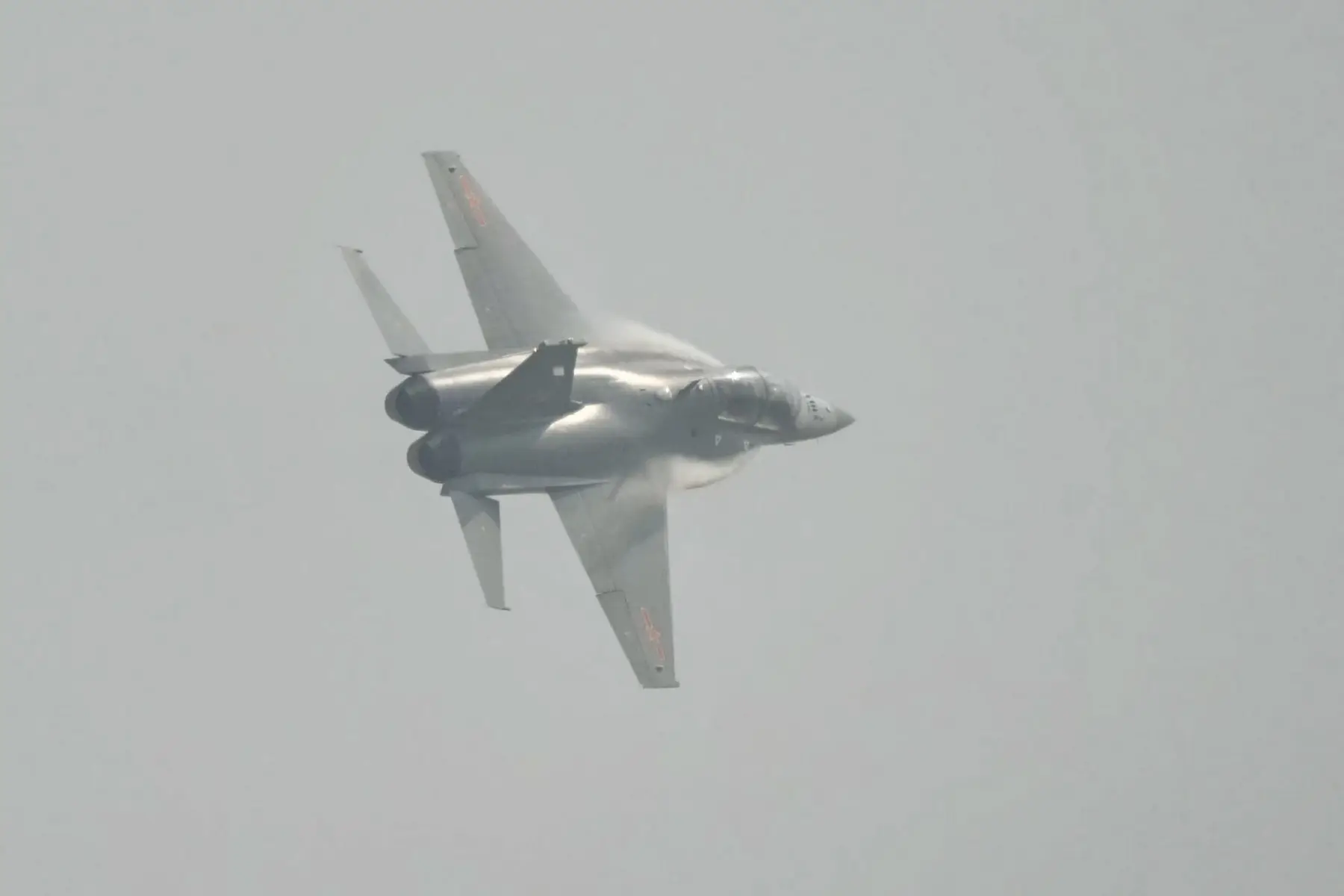
Reduced control effectiveness
At supersonic speeds, aircraft become less manoeuvrable due to increased drag and reduced control effectiveness. The high speeds also make it difficult for pilots to track targets and execute precise manoeuvres.
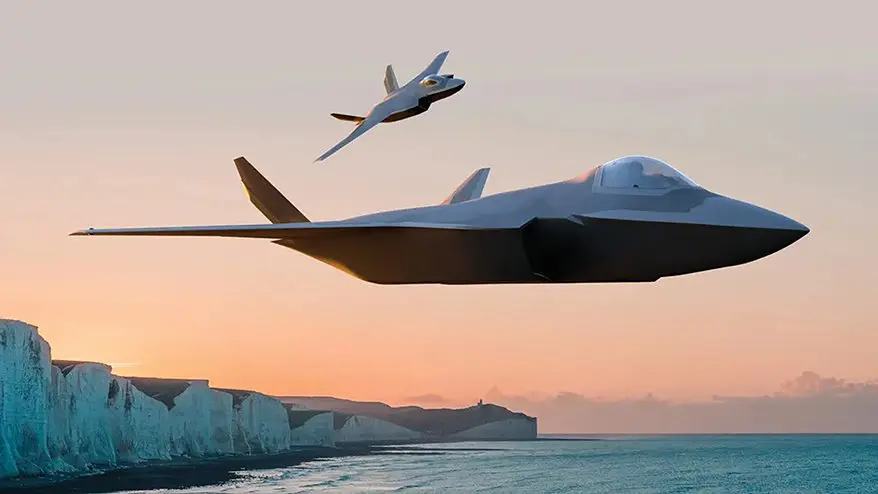
Fighter jet turning radius
The turning radius increases dramatically at supersonic speeds. A jet travelling at Mach 2 might need several kilometres to complete a turn, making it easy for slower, more manoeuvrable aircraft to outmanoeuvre it.
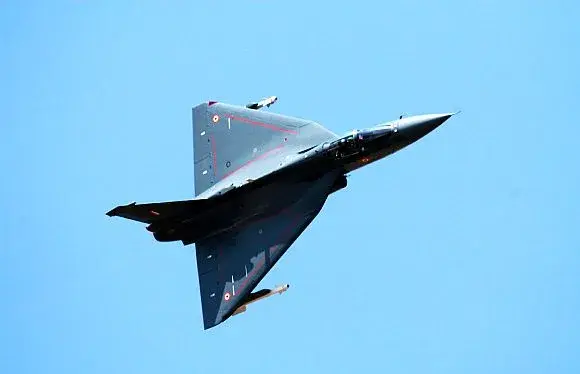
Modern air combat
Modern air combat relies heavily on long-range missiles rather than close dogfighting. Aircraft can engage targets from dozens of kilometres away, making the traditional dogfight less common in modern warfare.
Advanced fighter jets
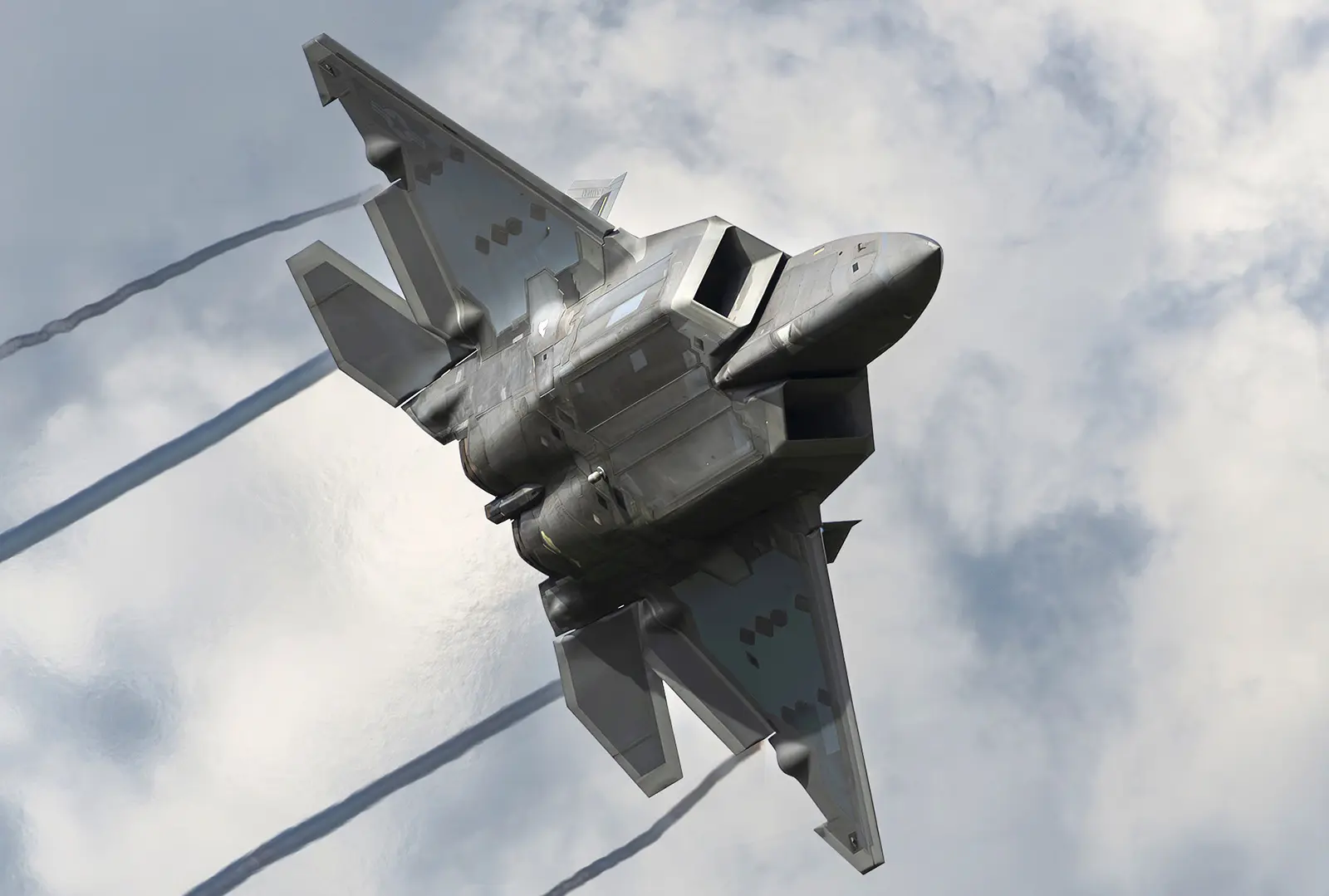
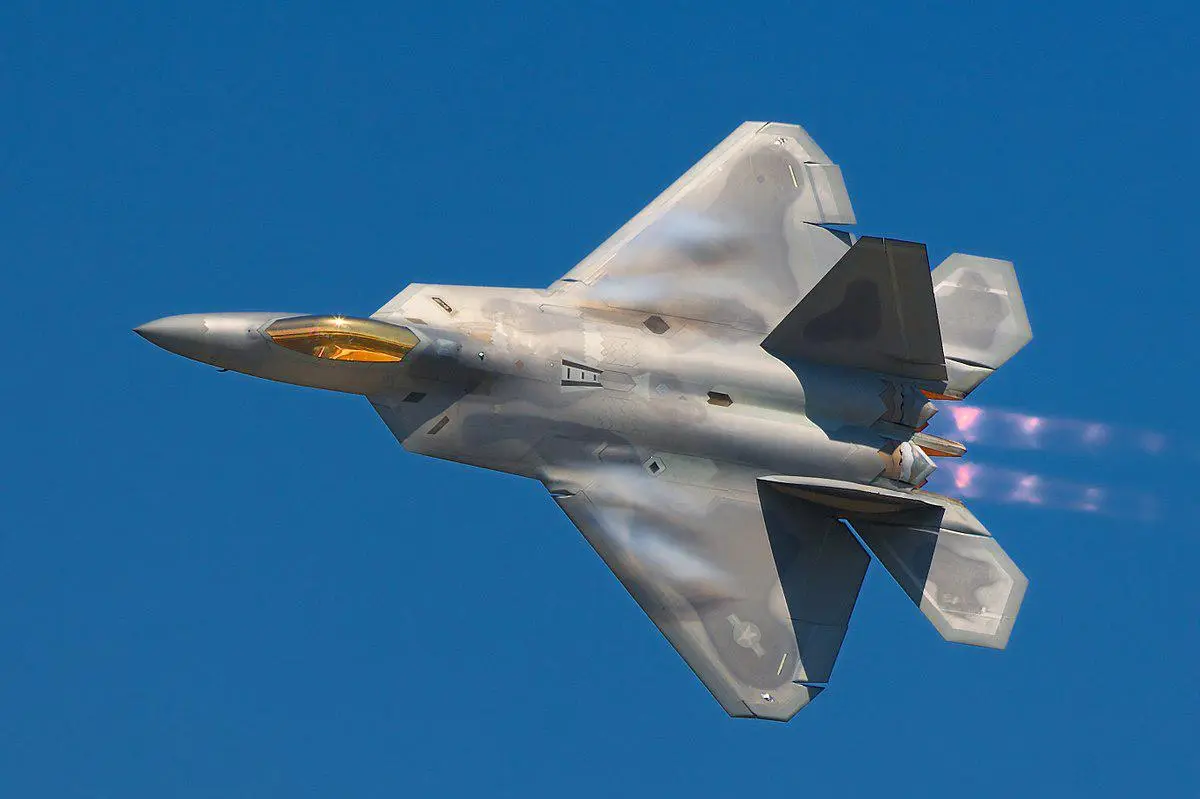
Some advanced fighter jets like the F-22 Raptor are designed for supersonic manoeuvring, but even these aircraft perform best at subsonic speeds for close combat. The supersonic capability is more useful for interception and escape.
Pilots train for supersonic combat scenarios
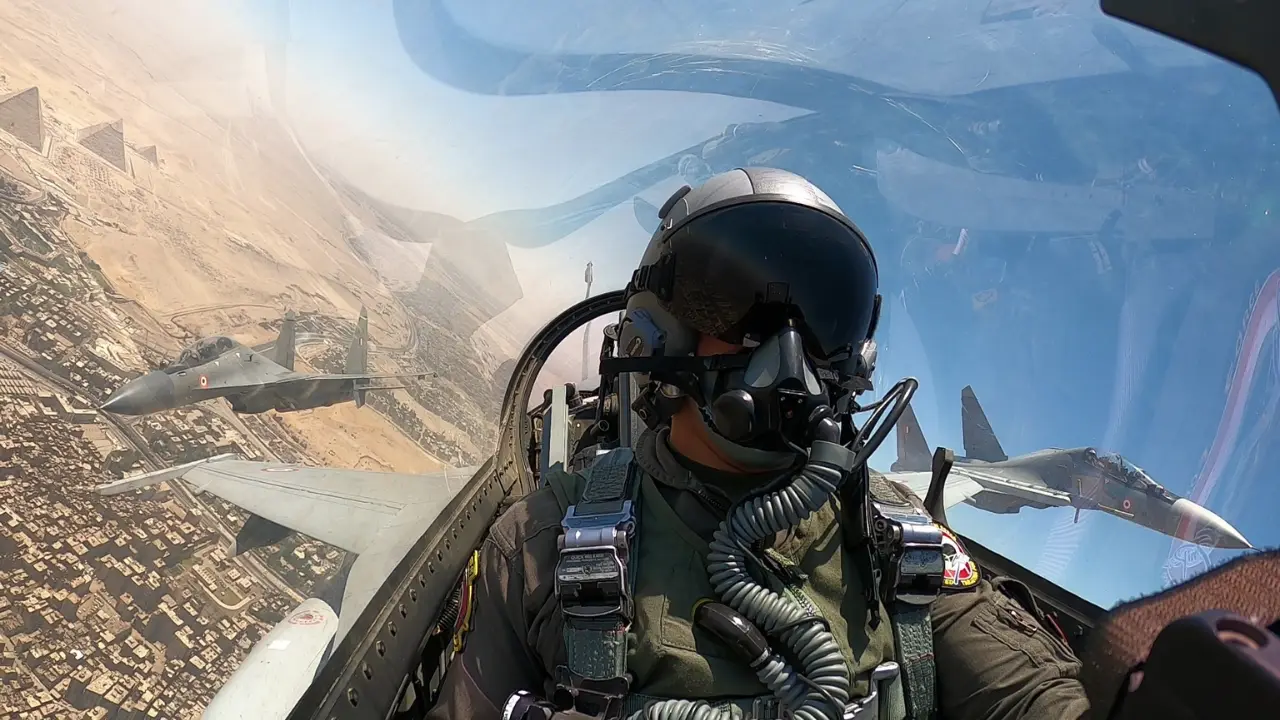
Pilots train for supersonic combat scenarios, but they recognise the limitations. The best strategy is often to use speed to gain positional advantage, then slow down for the actual engagement.
Supersonic dogfighting
While supersonic dogfighting is technically possible, it's not practical or effective. Modern air combat favours speed for positioning and subsonic speeds for actual engagement, making traditional dogfighting rare at supersonic speeds.
)
)
)
)
)