Can fighter jets be 3D printed in the future?

3D printing can change how fighter jets are built, from engine parts to major structures. Projects like Tempest and Catalyst show what’s possible and what’s next. Full 3D-printed jets?
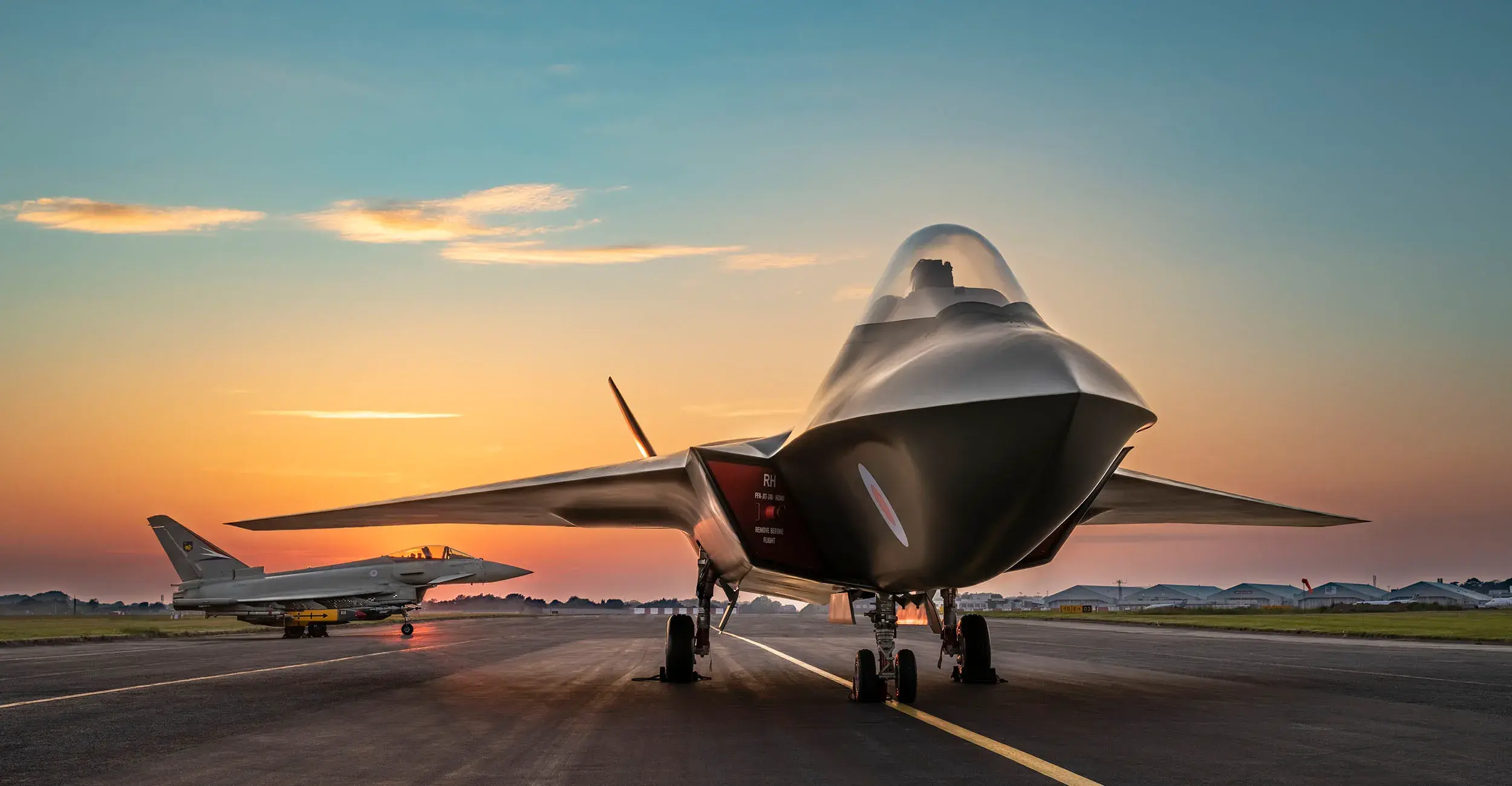
Print to fly where we are now
Additive manufacturing already flies on engines and airframes, but whole jets can’t be printed end-to-end yet. Current programmes print complex, certified parts that cut weight, reduce part counts and speed production, laying the groundwork for larger structural pieces in future.
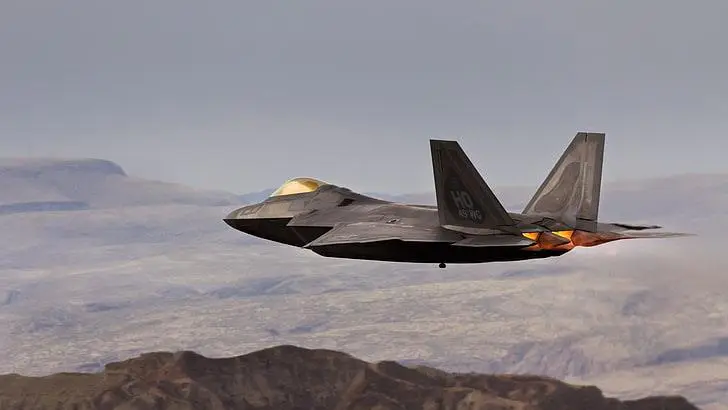
Tempest or GCAP up to 30 per cent printed parts
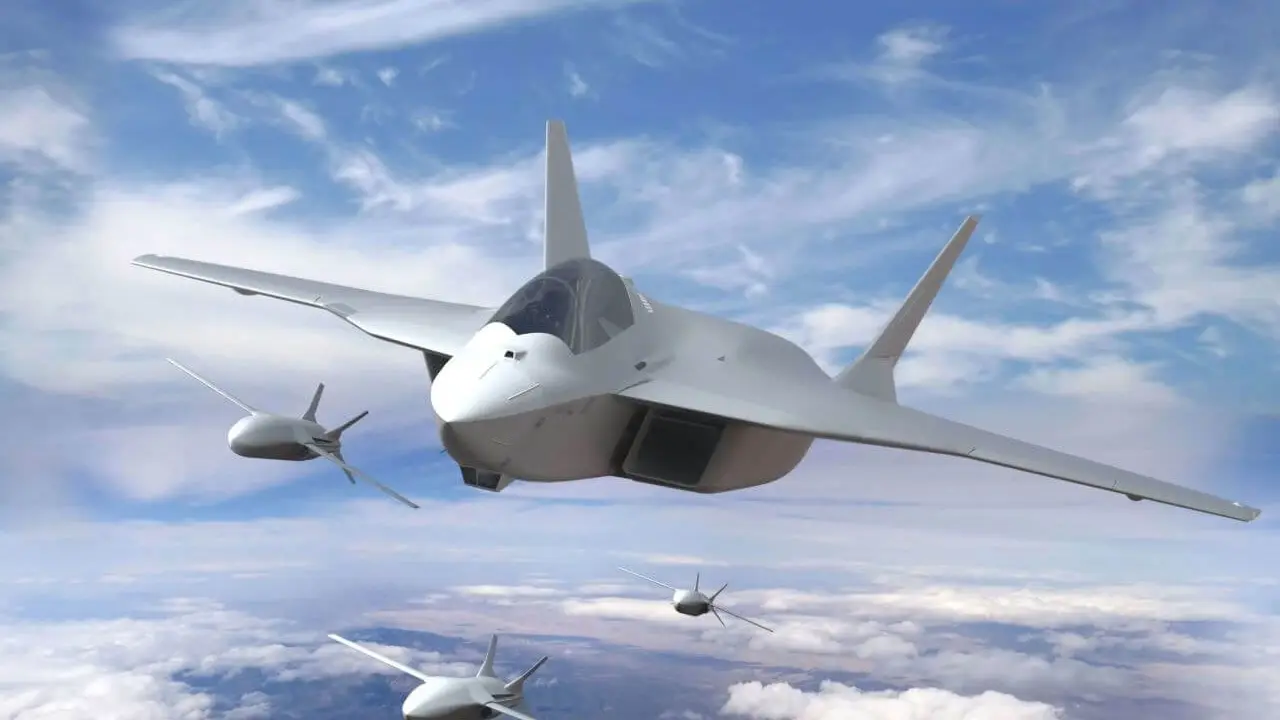
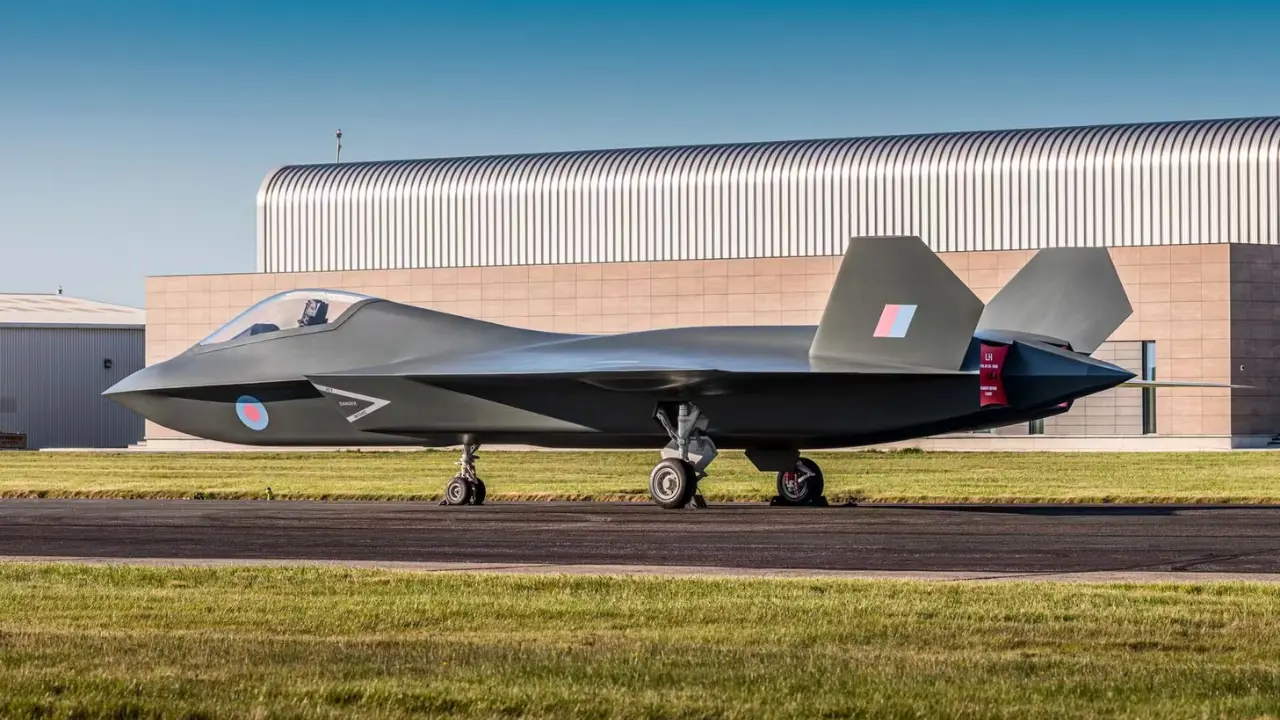
BAE’s Factory of the Future targets about 30 per cent of Tempest components via 3D printing, using robots and flexible lines to halve lead times. The team has begun producing large structural parts for the GCAP demonstrator.
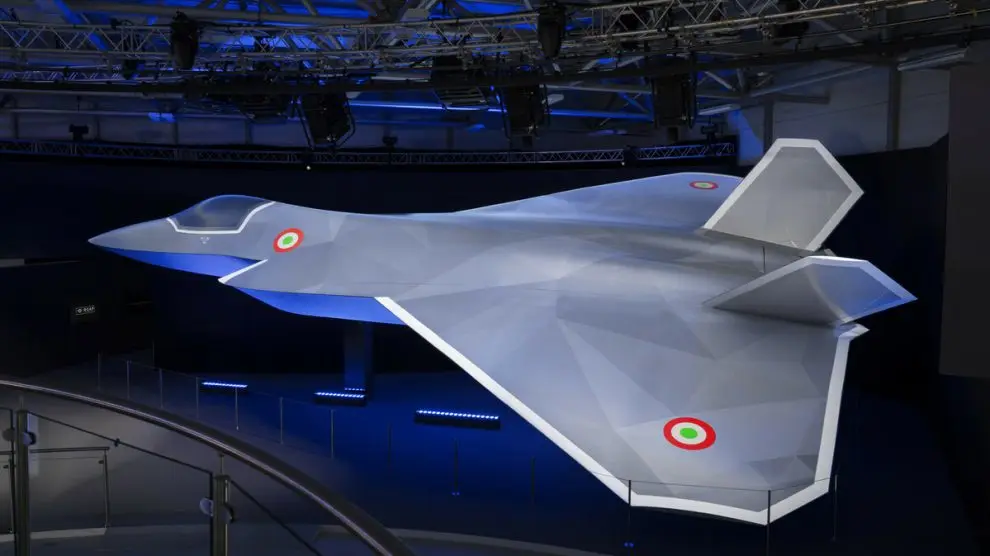
BAE’s approach
BAE’s approach replaces slow, costly metal tooling with 3D printed tools and fixtures, speeding composite work and MRO items. The Factory of the Future model is built around additive plus robotics to accelerate assembly and reduce costs at scale.
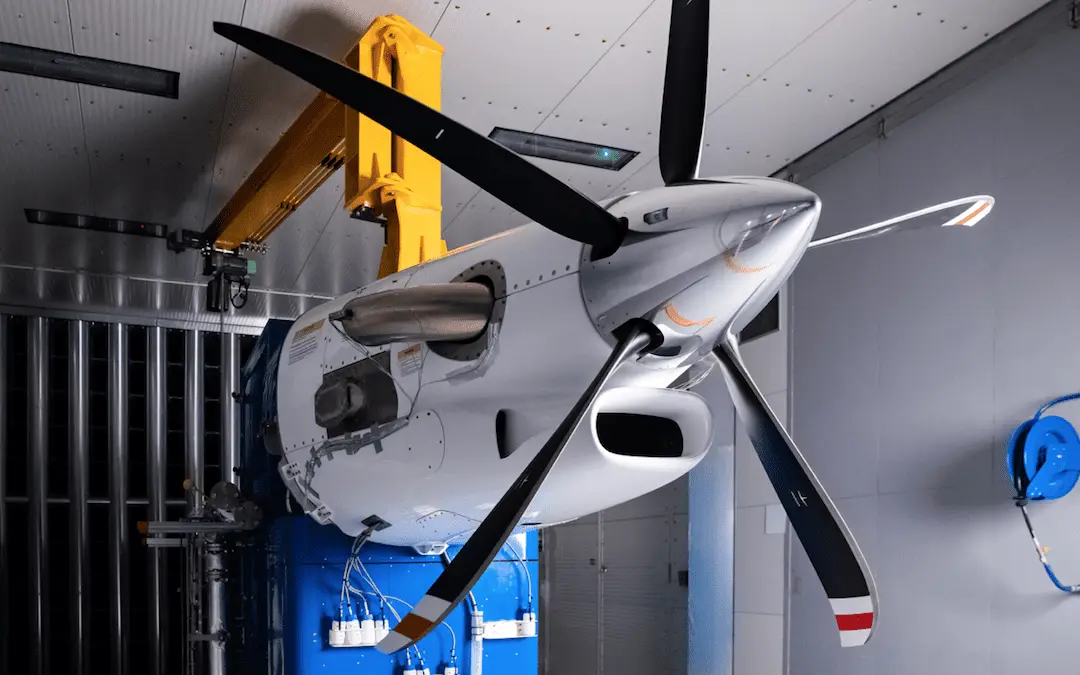
Engines 855 parts down to 12
GE’s Catalyst turboprop earned FAA certification with around 30 per cent printed content, consolidating 855 conventional parts into just 12 titanium printed parts. Reports says it gains include about 18 per cent better fuel use and up to 10 per cent more cruise power versus peers.
Fighter sustainment first certified metal part
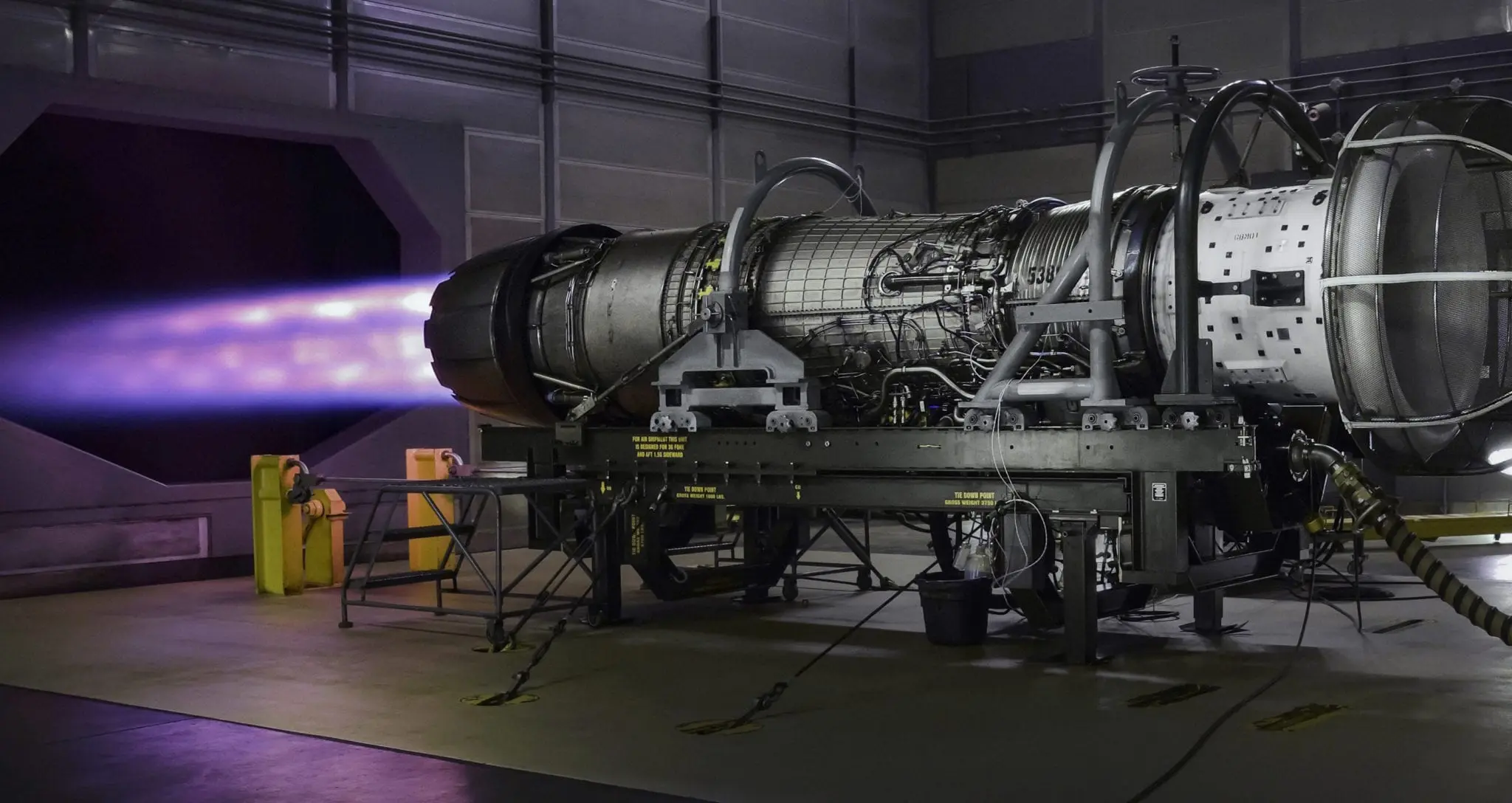
The US Air Force qualified a metal 3D printed F110 engine sump cover under the Pacer Edge pathfinder, the first DoD-qualified additively manufactured engine component. This opens a pipeline for depot-level printed spares to boost readiness.
What we cannot print yet
Large one-piece fuselages and primary skins remain hard due to size, toughness and certification demands. The near-term focus is printed primary sub-assemblies, ducts, mounts and certified engine parts, while metals and composites continue to dominate big load-bearing structures.
The outlook printing more of the jet
By the 2030s, expect a higher printed share of airframes, with Tempest near 30 per cent, faster supply chains and depot printing of flight-critical spares. Full printed jets are unlikely soon.
)
)
)
)
)