Can Elon Musk's Neuralink turn a human into Cyborg?

Neuralink, Elon Musk’s ambitious brain-computer interface (BCI) project, aims to create a direct communication channel between the human brain and machines.
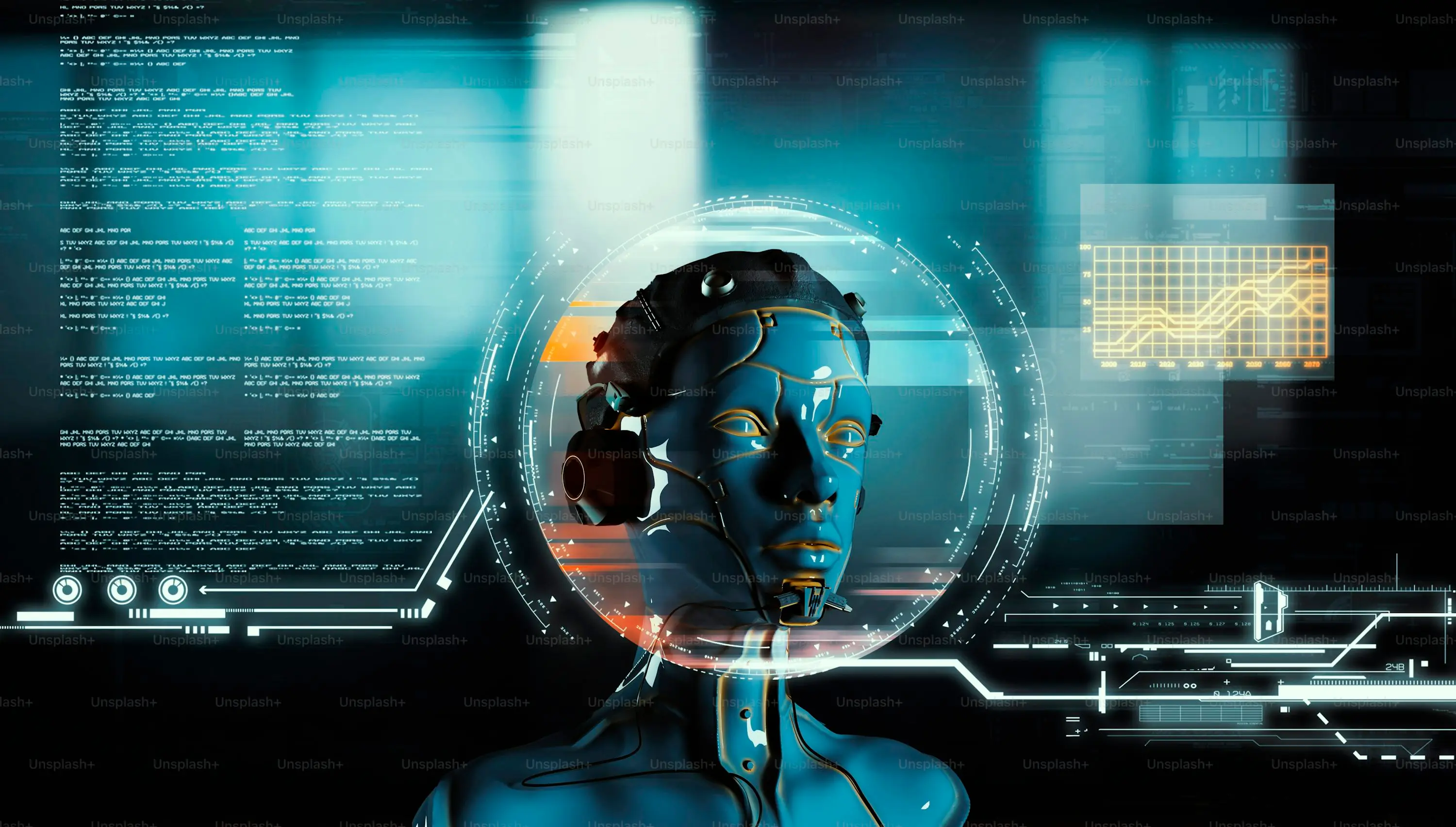
What is Neuralink?
Neuralink is developing ultra-thin, flexible electrode “threads” implanted into the brain, connected to a small chip that can process and transmit neural data wirelessly. These implants aim to read brain signals and potentially write data back into the brain.
Neuralink’s First Human Trials
In January 2025, Musk announced that Neuralink successfully implanted its device in a human patient for the first time. The patient reportedly recovered well and was able to control a computer cursor through thought alone, marking a significant milestone in brain-computer interaction.
From Medical Tool to Human Upgrade
Initially, Neuralink’s applications focus on medical treatments, helping people with paralysis, vision loss, or neurological damage. But the same technology could enhance human cognition, memory, and reaction speeds, essentially transforming humans into cyborgs.
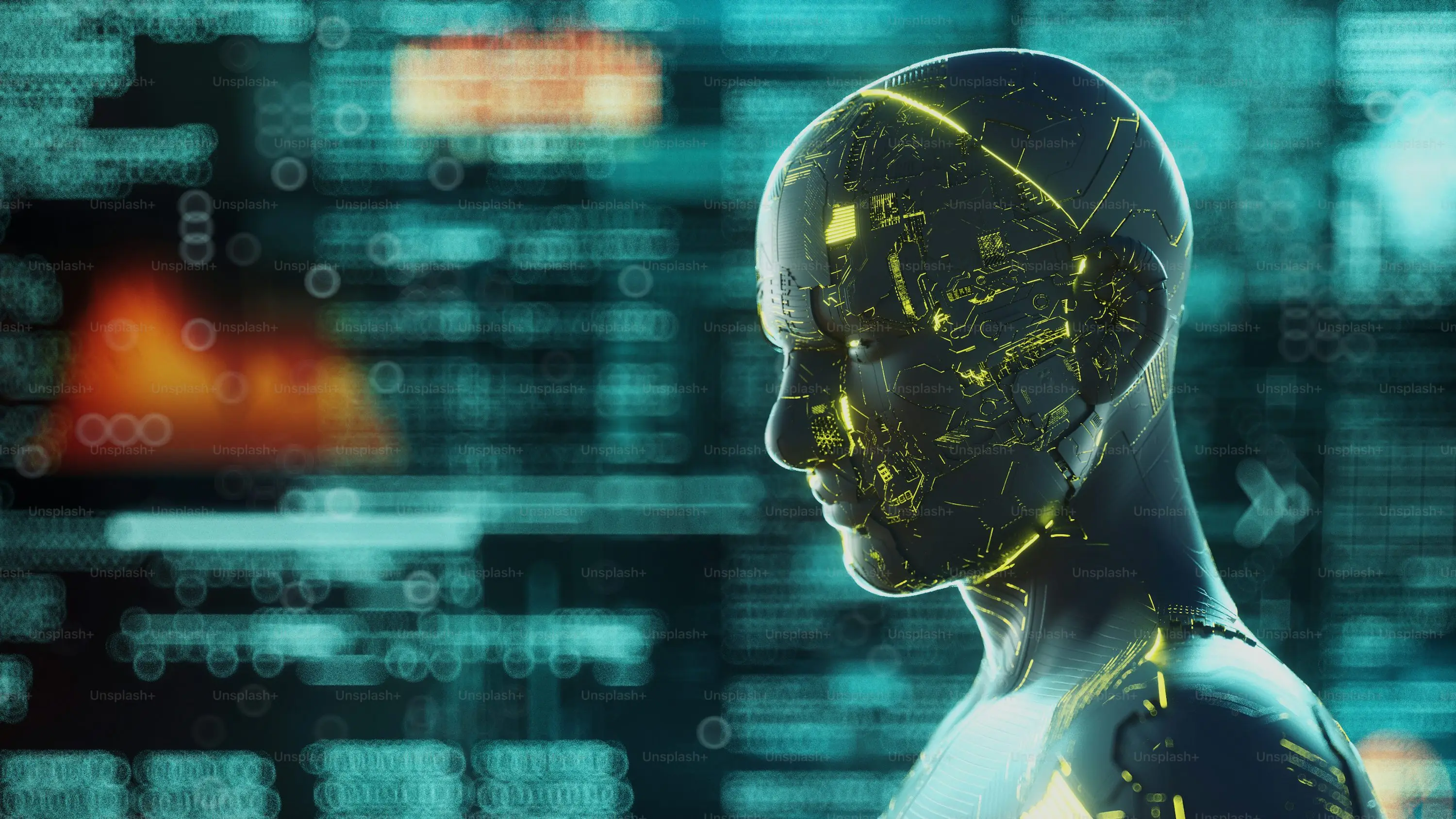
The Cyborg Connection
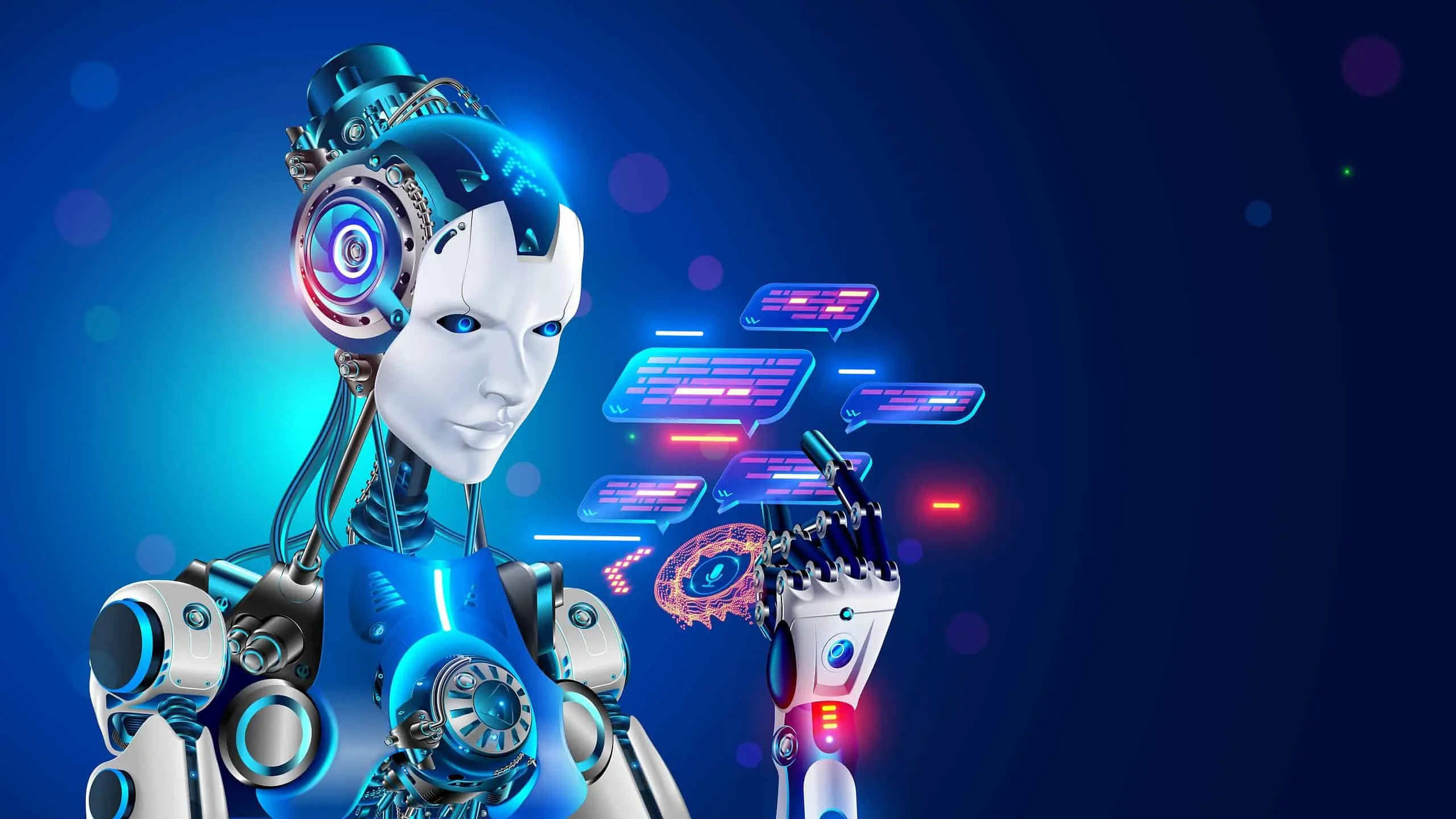
A cyborg is defined as a being with both biological and artificial components. If Neuralink implants allow humans to access the internet, control devices, or process data at superhuman speeds through thought, the human brain would effectively be merged with AI, a key cyborg characteristic.

Musk’s Long-Term Vision
Elon Musk has stated that Neuralink could help humans “keep up” with AI, which he warns might surpass human intelligence. By integrating AI into the brain, humans could match machine processing power and avoid being left behind in an AI-dominated future.
Ethical and Privacy Concerns
Critics warn that brain implants could create unprecedented privacy risks. Neural data could potentially be hacked, manipulated, or exploited by corporations or governments, raising questions about mental autonomy and freedom.

Could Neuralink Truly Create Cyborgs?
Technologically, Neuralink could be the first step toward creating functional cyborgs. However, mass adoption would require breakthroughs in implant safety, biocompatibility, and AI integration. The question is less about possibility and more about whether humanity is ready for such a transformation.
)
)
)
)
)