Can Cambodia defeat Thailand without fighter jets and air bombers?

With a defence budget of approximately $5.7 billion (2024) and over 360,000 active military personnel, Thailand far surpasses Cambodia's defence strength, Cambodia has a budget near $1.3 billion and only around 124,300 troops.
Cambodia Has No Fighter Jets or Bombers
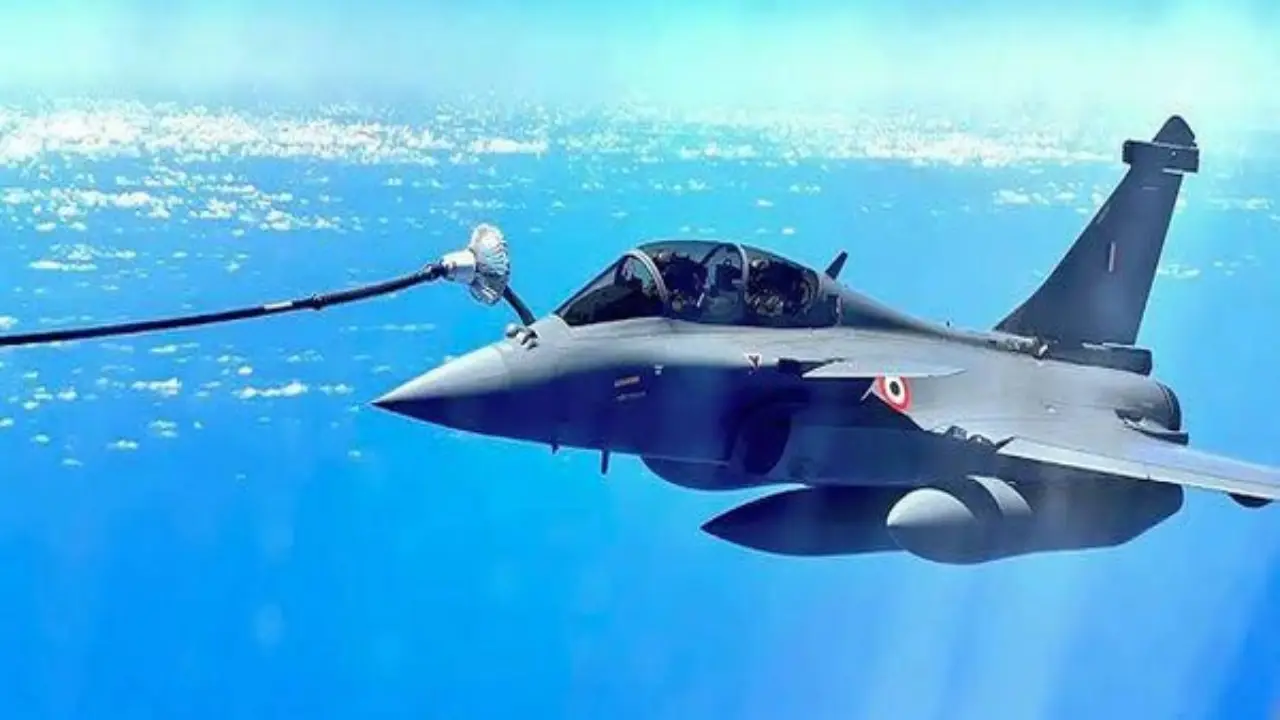
Cambodia’s air force does not operate any combat jets or fixed-wing bombers. As of 2025, it fields only transport aircraft and utility helicopters, including Mi‑17s and Z‑9s. Without fighter or strike aircraft, there is no air-to-air or air-to-ground capability to challenge Thailand from the skies.
Thailand Fields One of Southeast Asia’s Most Advanced Air Forces
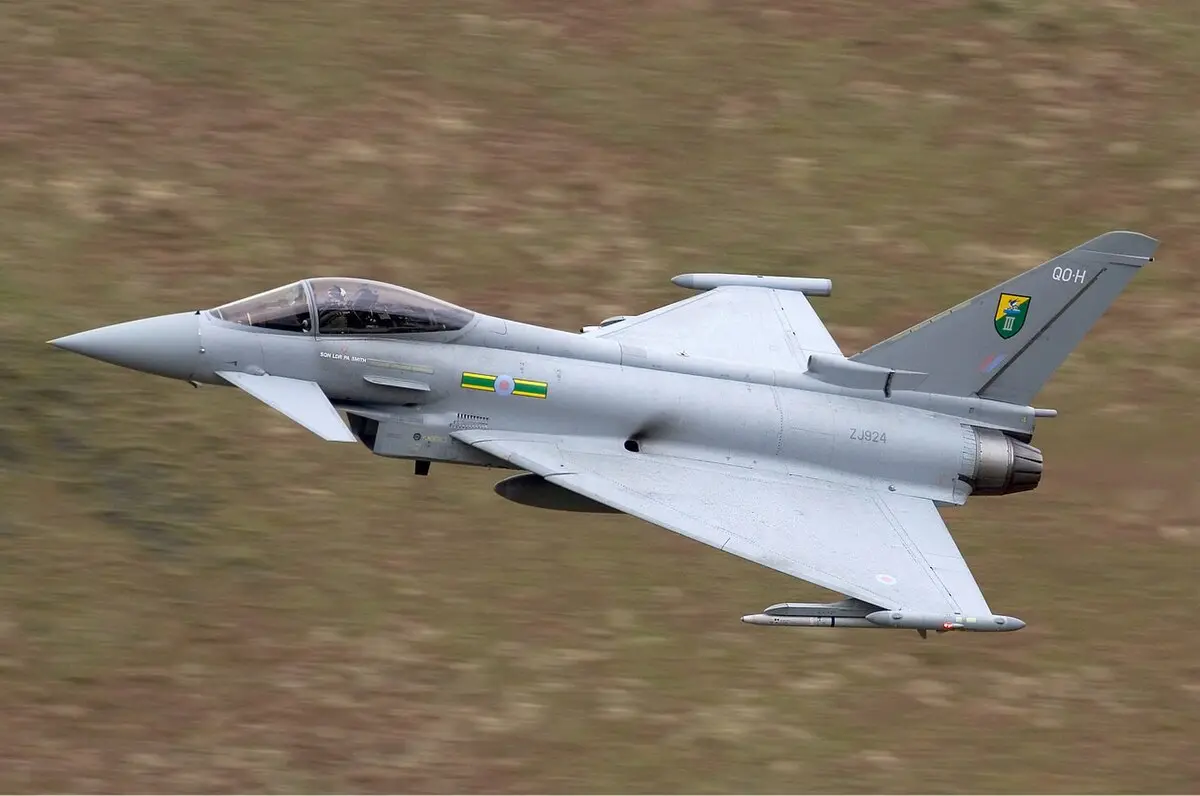
Thailand currently operates around 112 combat aircraft, including 28 F‑16s and 11 Saab Gripen fighters aircraft capable of precision strikes and aerial defence. Thailand also integrates radar systems and aerial early-warning platforms, significantly enhancing its command and control in the air.
Budget and Logistics Tilt the Balance Sharply
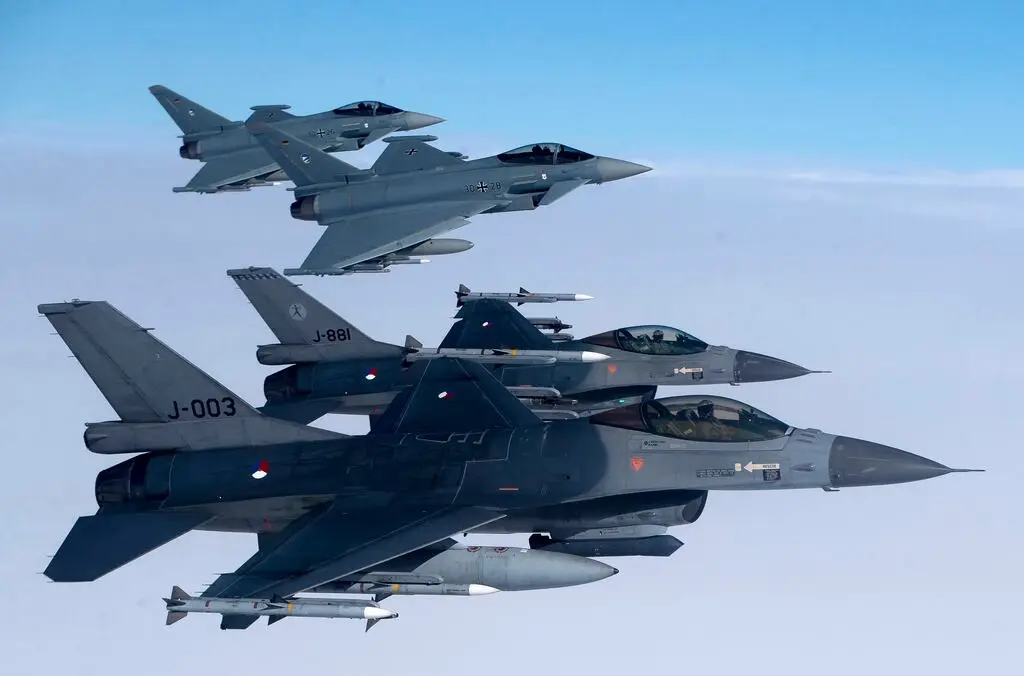
With a defence budget of approximately $5.7 billion (2024) and over 360,000 active military personnel, Thailand far surpasses Cambodia's defence strength, Cambodia has a budget near $1.3 billion and only around 124,300 troops. The disparity extends to aircraft, ground equipment, training, and maintenance capabilities.
Cambodian Strategy Relies Entirely on Ground-Based Weaponry
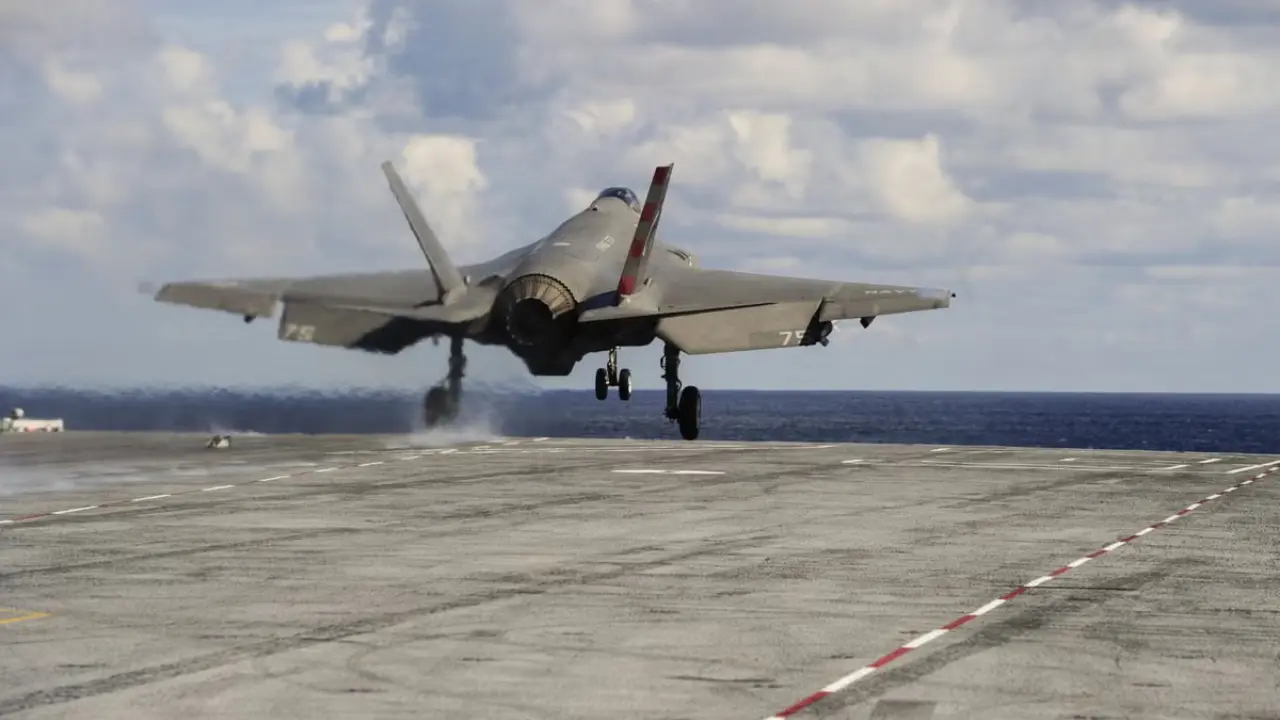
Cambodia fields around 200 battle tanks and 480 artillery units, including more than 460 rocket projectors, a force structured for ground warfare, not aerial dominance. Without air cover, these systems remain vulnerable to Thai airstrikes and lack the mobility of aerial defence.
Thailand Has Already Deployed Air Power in the Conflict
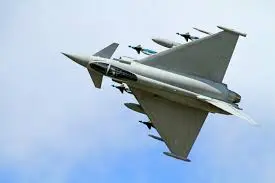
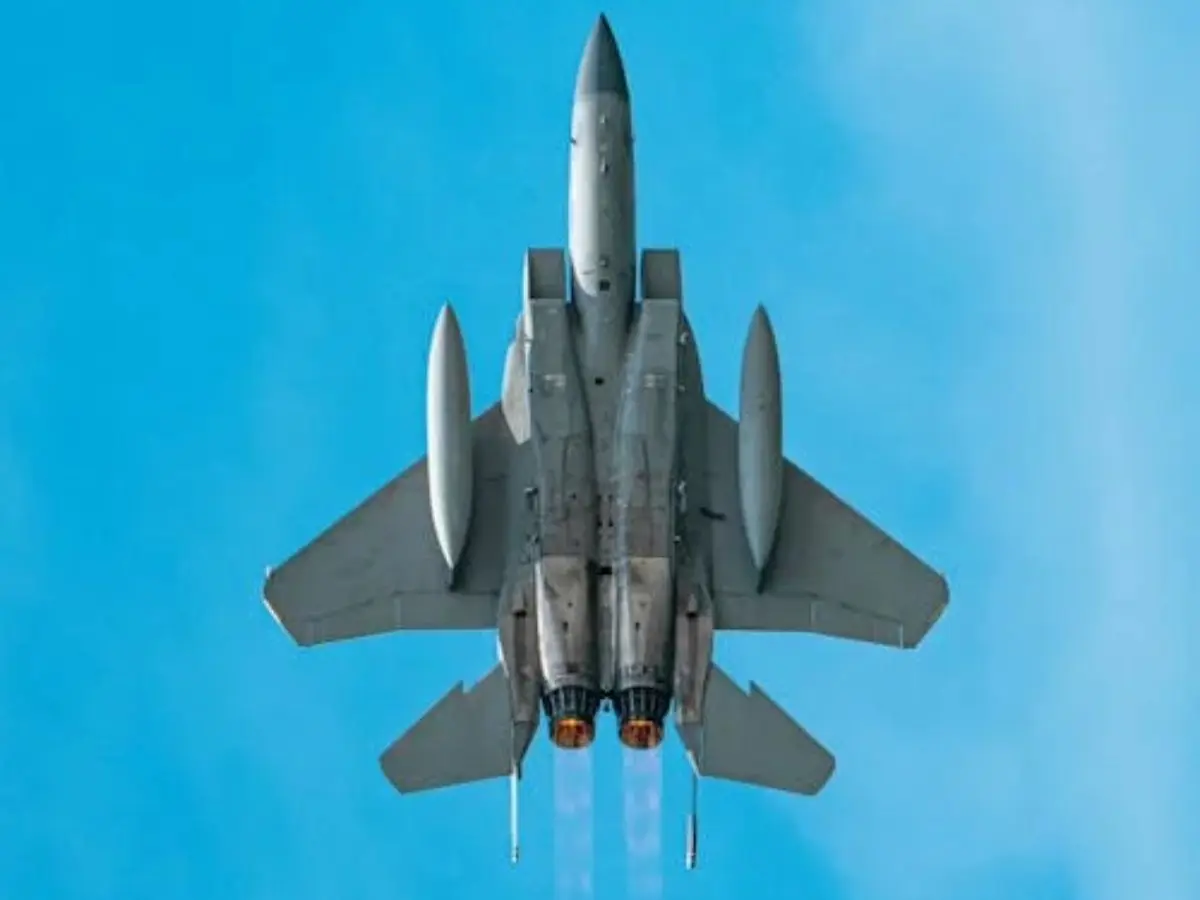
The deployment of Thai F‑16 jets on 24 July 2025 to strike Cambodian military targets signals Thailand’s willingness to use air power when required. Cambodia lacked any aerial platform to respond, reinforcing Thailand’s unmatched edge in air-to-ground warfare.
Cambodia Cannot Win Through Air Combat Alone
Given the absence of combat aircraft, limited budget, and Thailand’s superior air force and logistics, Cambodia is not capable of defeating Thailand with fighter jets or bombers. Without external support or rapid aerial acquisitions.
)
)
)
)
)