Can any other country build a machine like B-2 Bomber?

The B-2 Spirit remains one of the most distinctive aircraft in the world, combining stealth, long range, and nuclear capability. Operated only by the US, it has long raised the question: can other nations build a similar bomber, or does the B-2 represent a capability beyond their reach?
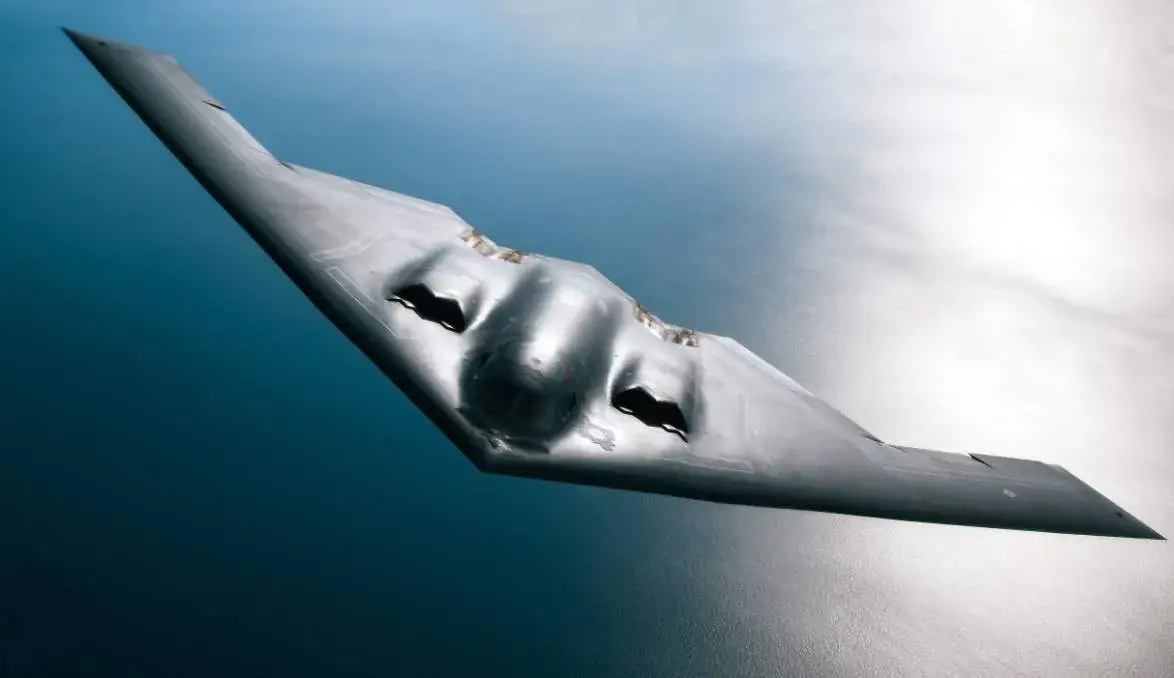
The Unique Features of the B-2
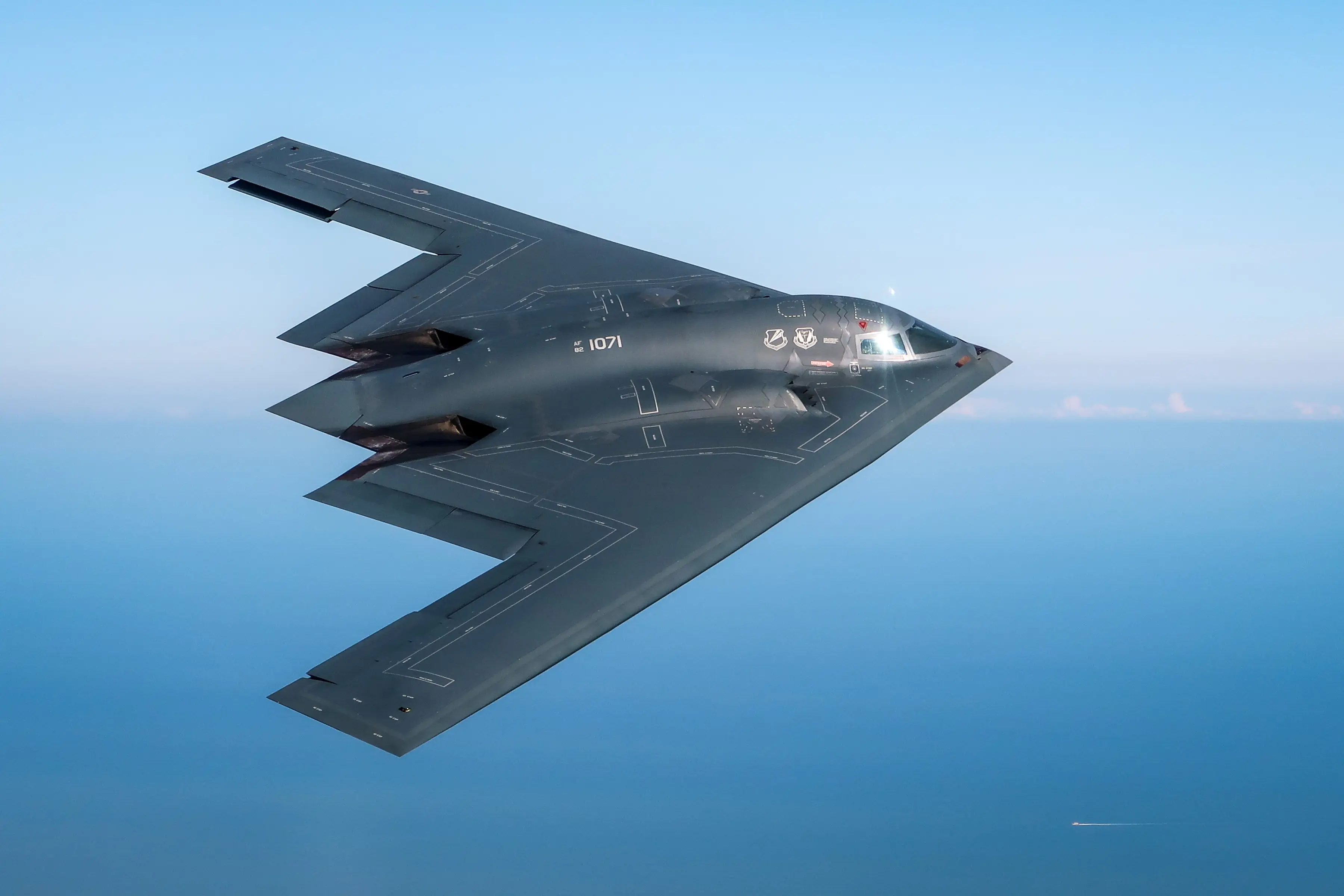
The B-2 combines radar-absorbing materials, a flying wing design, and intercontinental range. These features allow it to penetrate defended airspace and carry both nuclear and conventional payloads, giving it strategic importance in US defence planning.
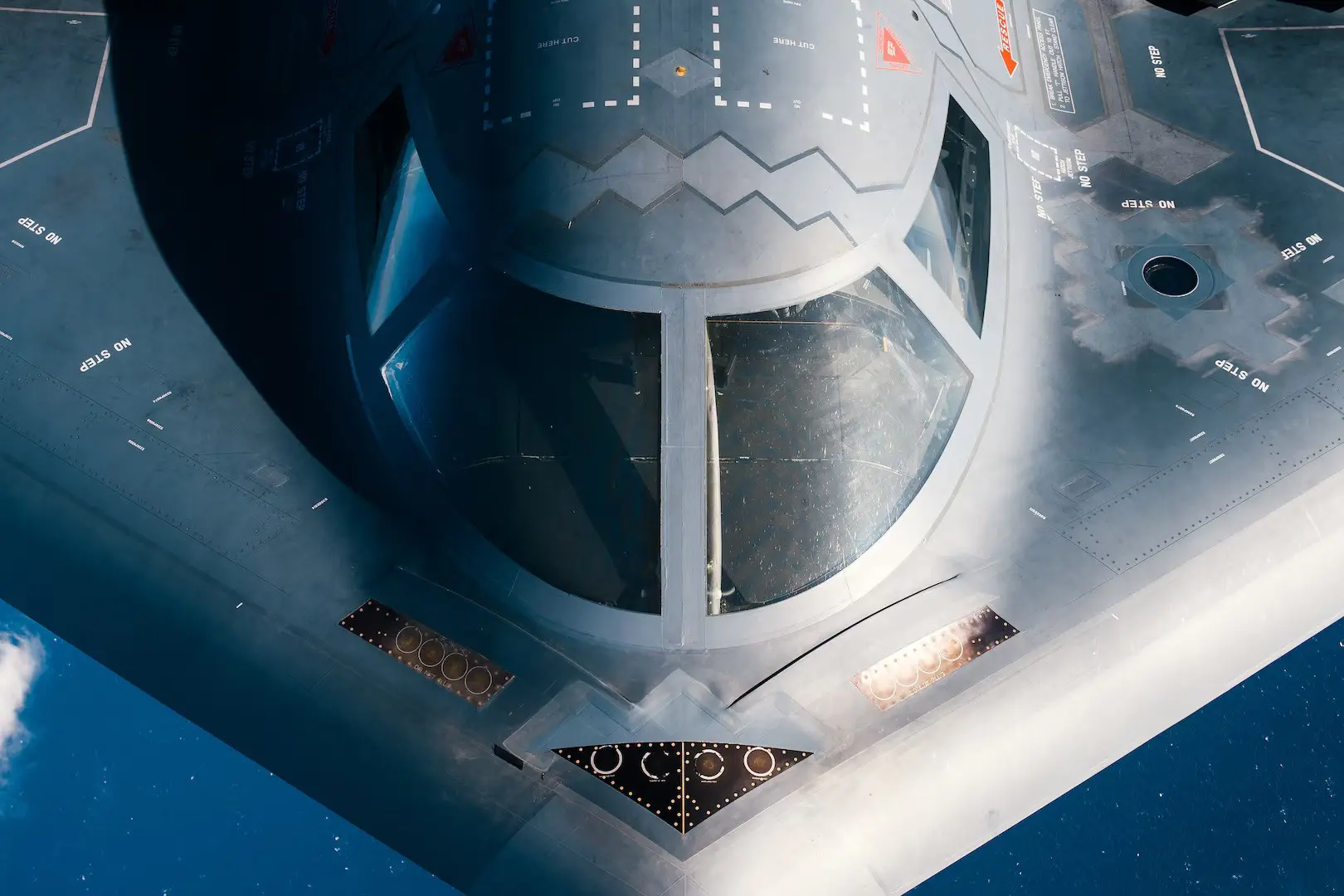
Russia’s Attempts at a Stealth Bomber
Russia has announced projects like the PAK DA, intended as a stealthy long-range bomber. Despite design reveals and development updates, the programme faces delays and funding challenges, keeping it far from operational service.
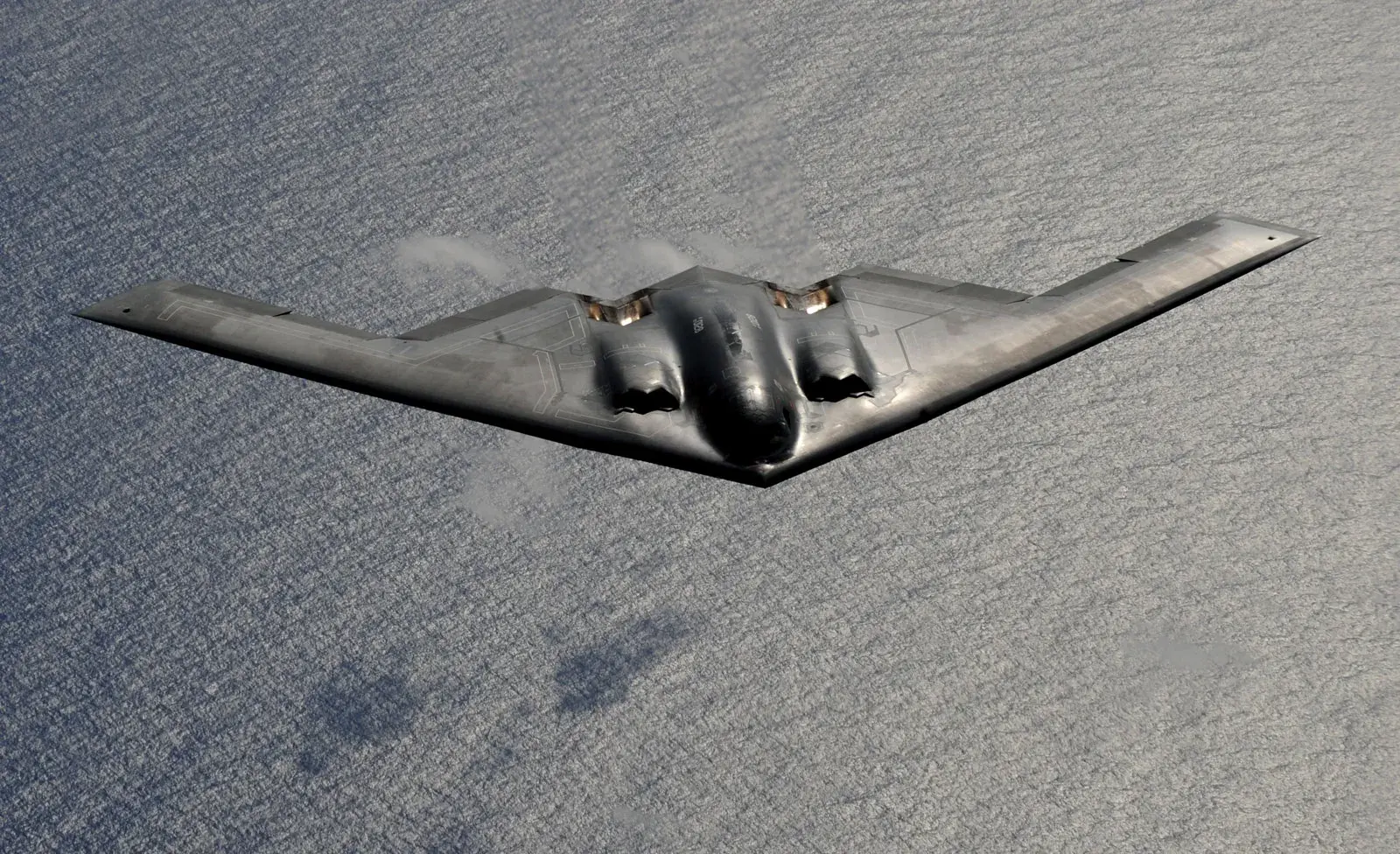
China’s H-20 Project
China is developing the H-20, expected to have a flying wing design similar to the B-2. While promoted as a next-generation bomber, little is confirmed about its range, stealth capability, or timeline for deployment.
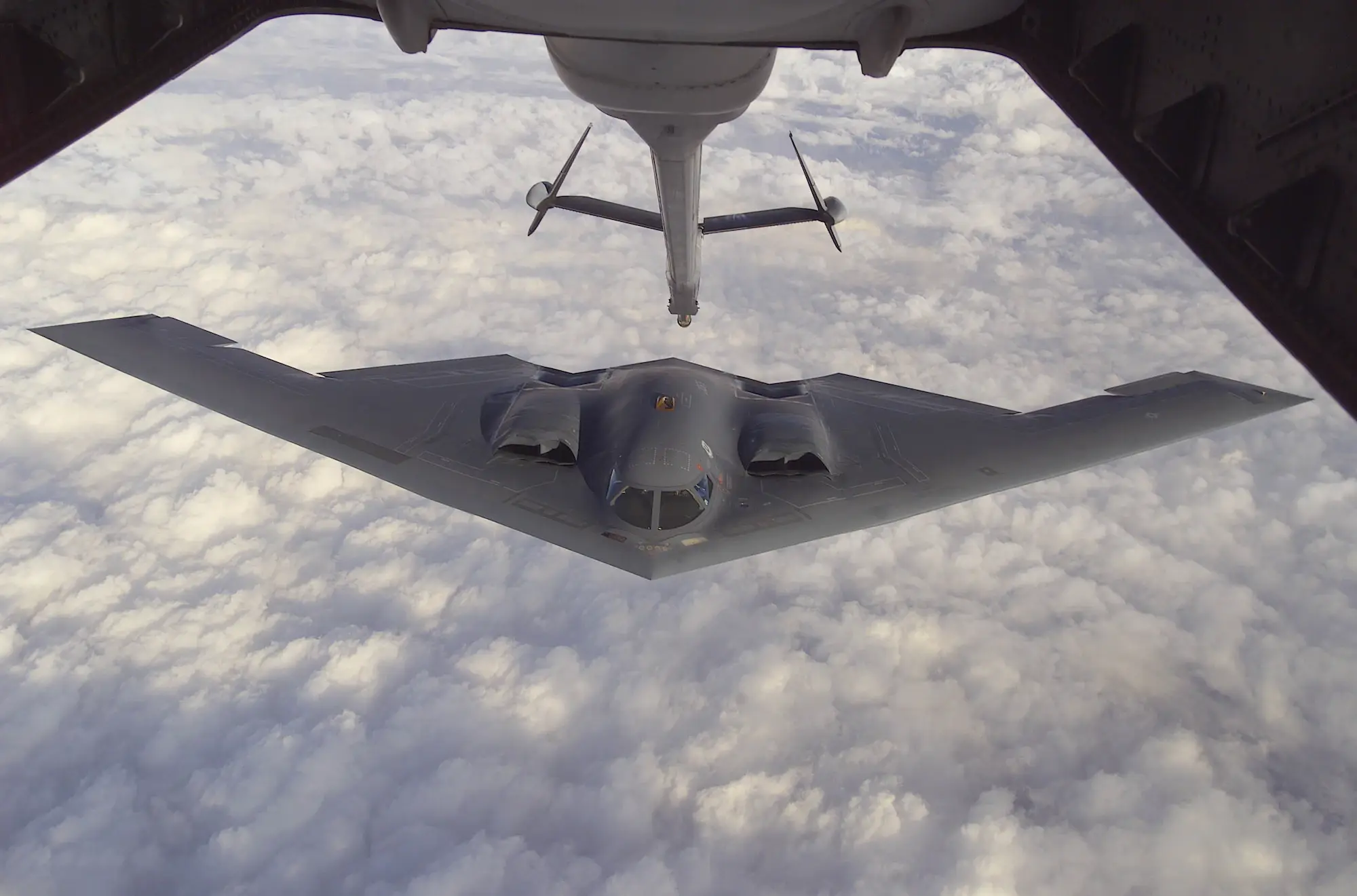
Barriers to Replication
Building a bomber like the B-2 requires advanced composites, precision engineering, and extensive testing. High costs, each B-2 is valued at over $2 billion, make it difficult for other nations to commit resources at the same scale.
US Operational Experience
The US has operated the B-2 since the 1990s, refining tactics and maintenance practices over decades. This operational history gives it an advantage that new entrants would need years to match.
Strategic Significance
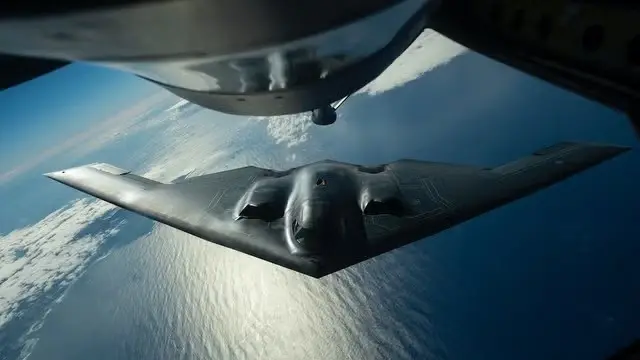
For the US, the B-2 represents global reach and credible deterrence. For other nations, replicating such a capability would alter regional balances of power, which adds to the political sensitivity of pursuing similar programmes.
The Future with the B-21 Raider
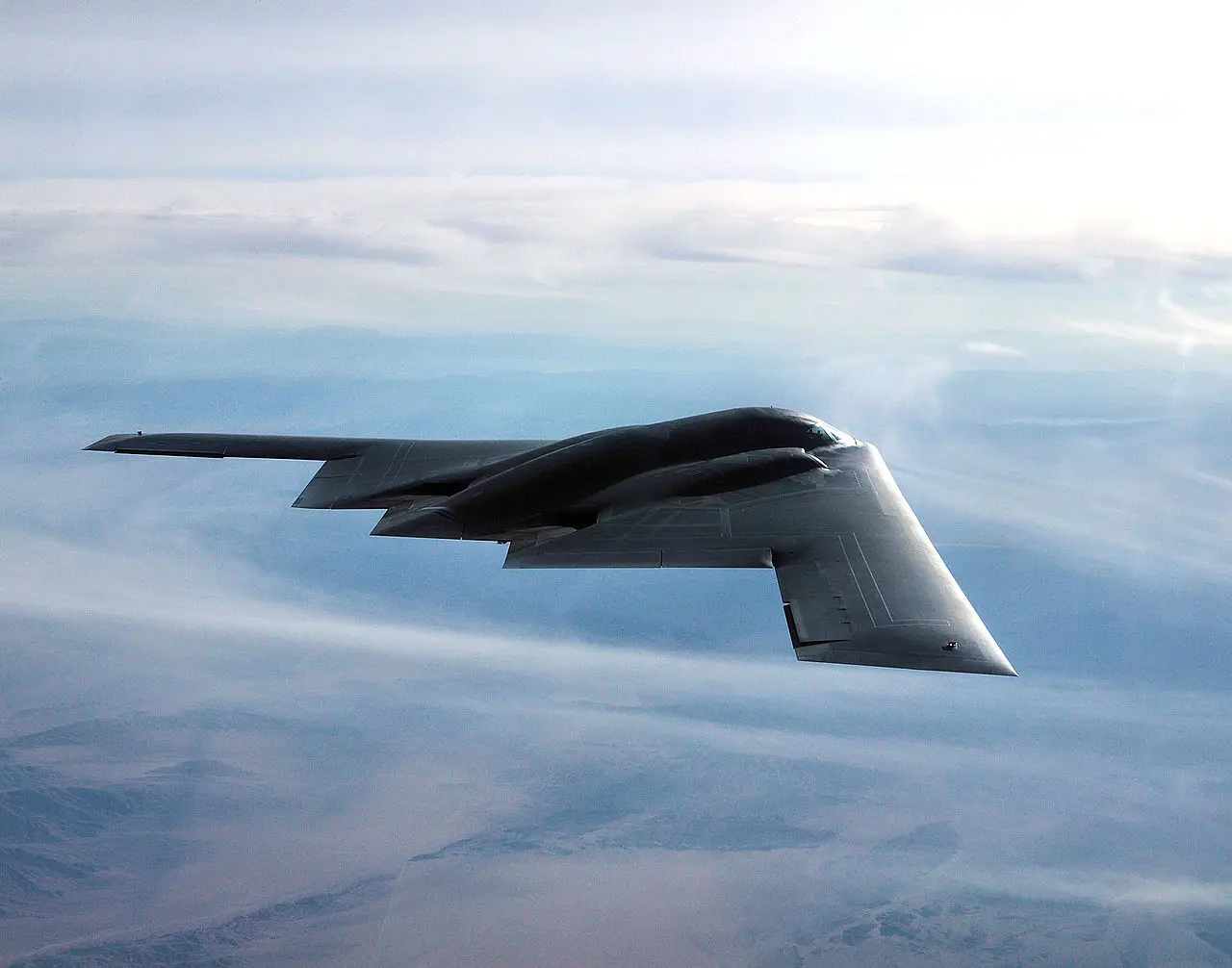
The US is already moving towards the B-21 Raider, intended to replace the B-2. This suggests that while other countries are still developing their first stealth bombers, the US is advancing to the next generation.
)
)
)
)
)