Can a fighter jet survive a hypersonic missile strike?

Hypersonic missiles can fly at over Mach 8, outpacing almost all advanced fighter jets and defences. India is advancing its own hypersonic programmes, which will reshape air combat and defence in future.
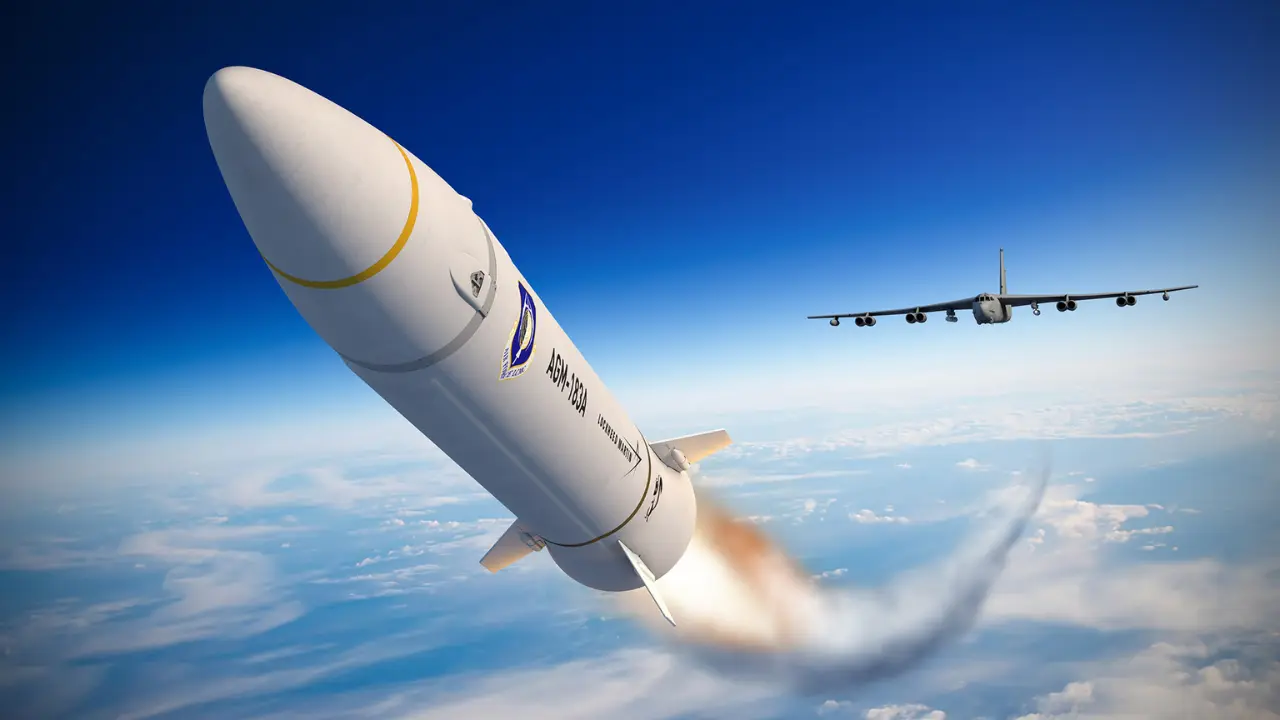
What Are Hypersonic Missiles
Hypersonic missiles travel at speeds greater than Mach 8, which is over 9800 kilometres per hour. This is way more faster than the speed of sound. Unlike older missiles, they can change direction while flying and move inside the atmosphere, making them very hard to spot or stop using fighter jets or defences.
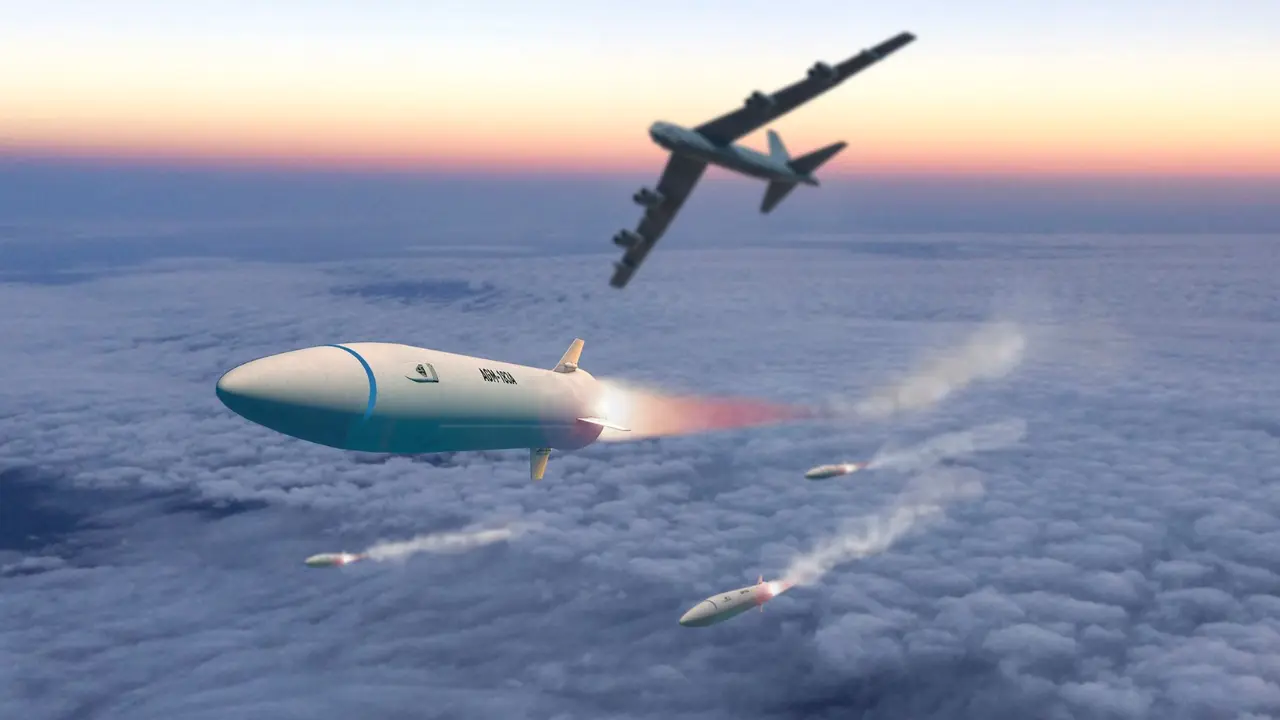
How Hypersonic Missiles Threaten Fighter Jets
These missiles give their targets almost no warning, as they can cross hundreds of kilometres in just a few minutes. Most fighter jets cannot outpace them once targeted. Their changing flight paths mean that usual defences, such as flares or jamming, often do not work because of their speed.
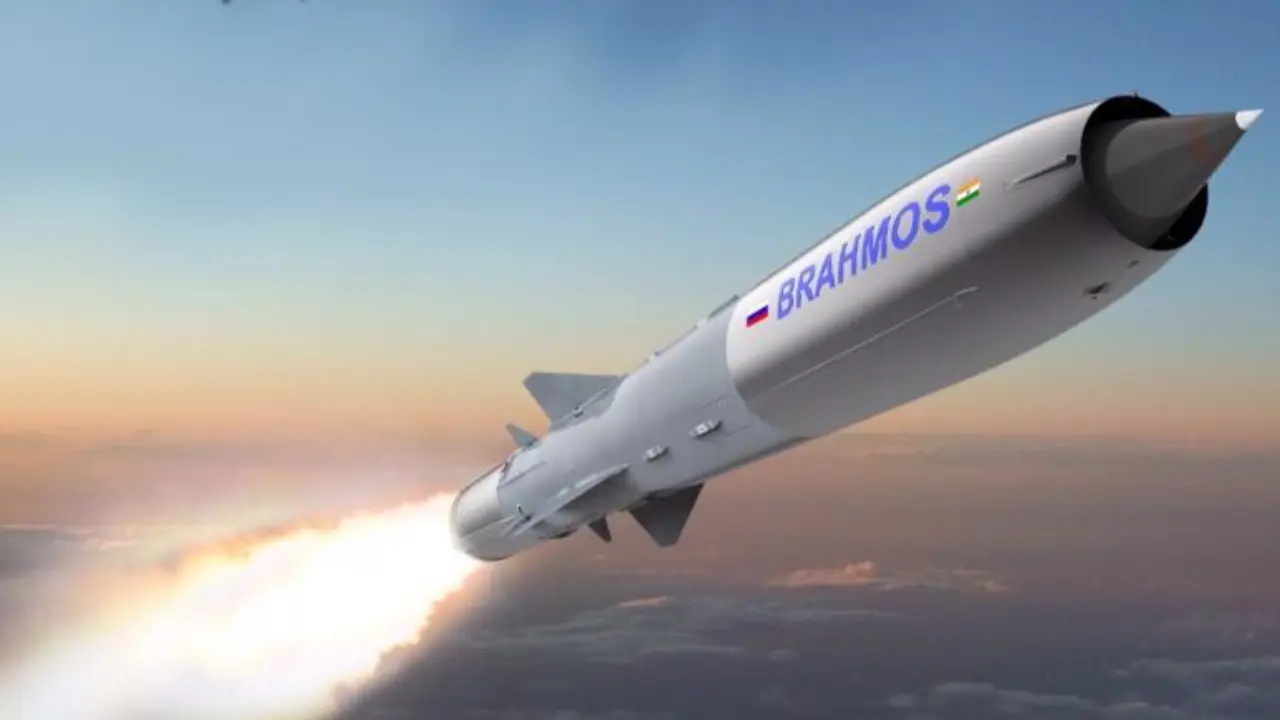
India’s Hypersonic Ambitions
India’s DRDO is working on the Hypersonic Technology Demonstrator Vehicle and the BrahMos II missile. As per the Economic Times report, India has developed hypersonic weapons, aiming for speeds up to Mach 8 and ranges of 1,000 kilometres.
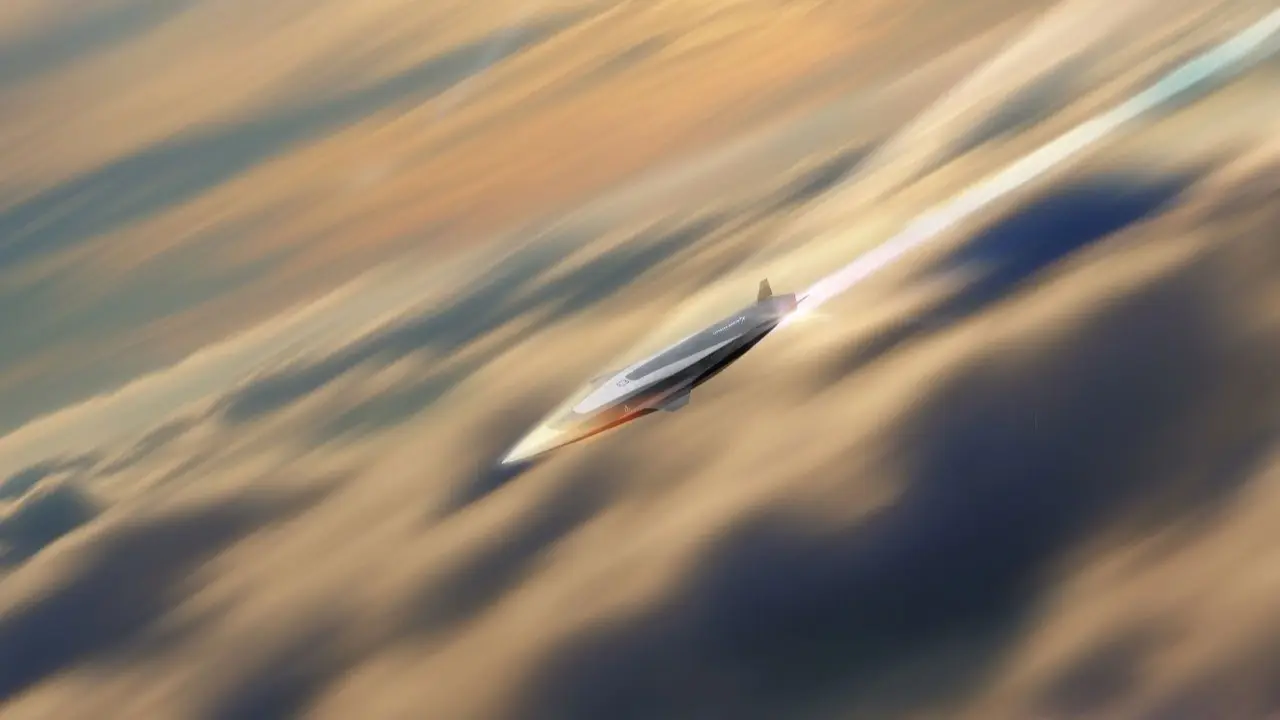
Detection and Defence Still a Challenge
Hypersonic missiles create a plasma cloud as they move through air, which soaks up radar and makes them almost invisible until they are close. Even the best air defence radars find it hard to track these missiles’ heat trails. Most fighter jets, if not linked to real-time satellite data, only have a few seconds to react. Which makes very hard for jets to escape from this.
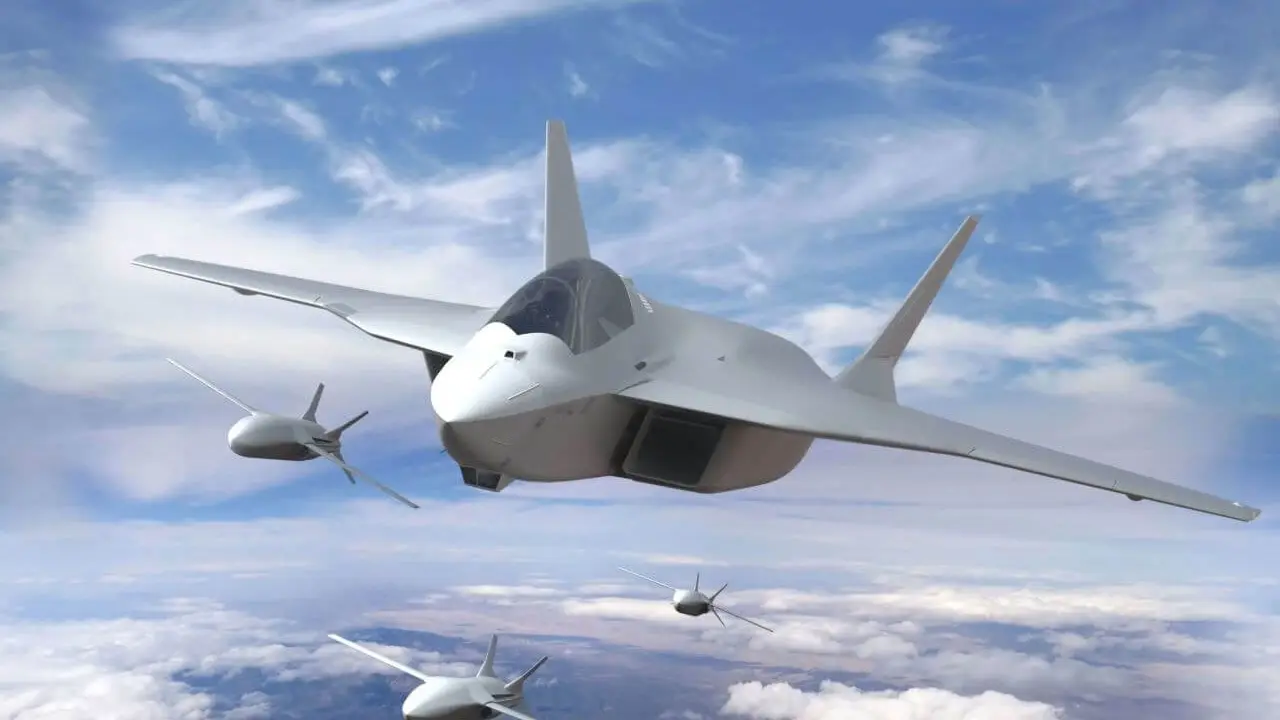
Are Any Jets Safe New Defence Tactics
Air forces are investing in networked sensors, quicker data links, and artificial intelligence to follow hypersonic threats. Future fighters may need laser defences or fast, automatic movements guided by AI, but at present, no jet can really claim to be safe once a hypersonic missile is fired.
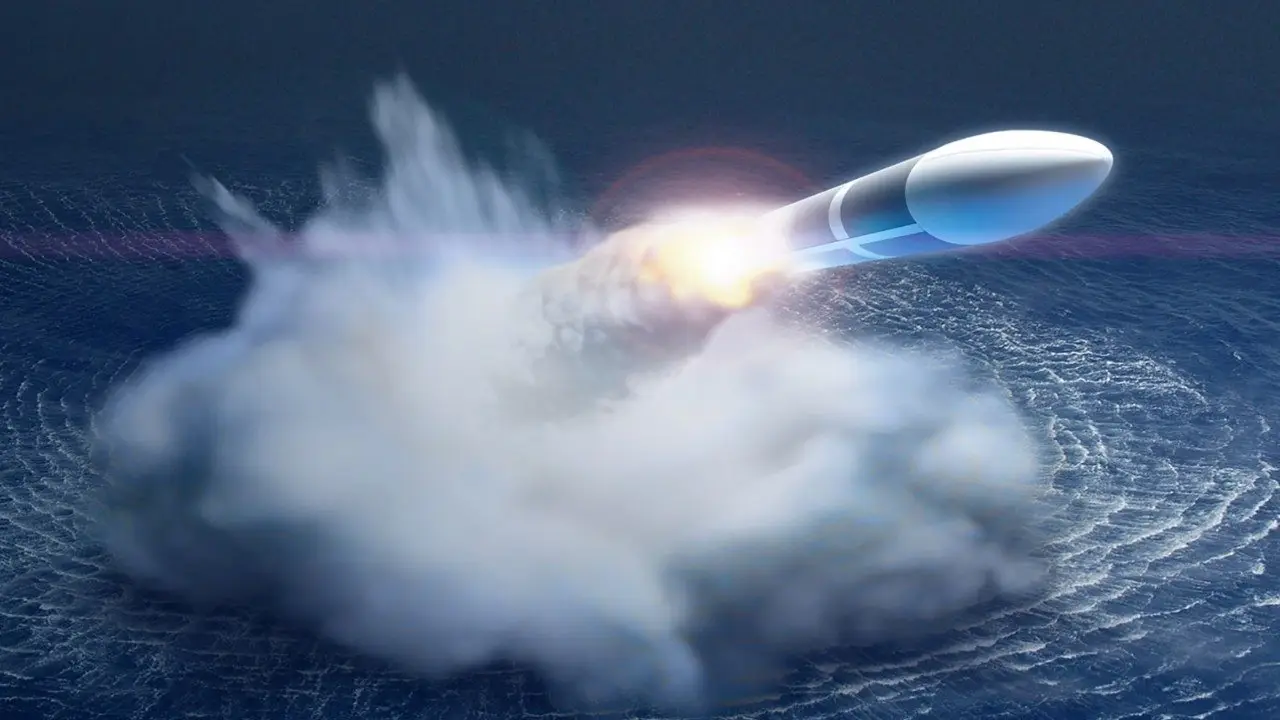
Hypersonic Missiles as Future Fighter Weapons
It is not just about defending against these weapons. Nations including India are exploring ways for future jets to carry smaller hypersonic missiles themselves for air superiority or precise attacks. This could help pilots stay ahead, but only if guidance systems improve enough.
)
)
)
)
)