Can air-to-air missiles miss their targets?

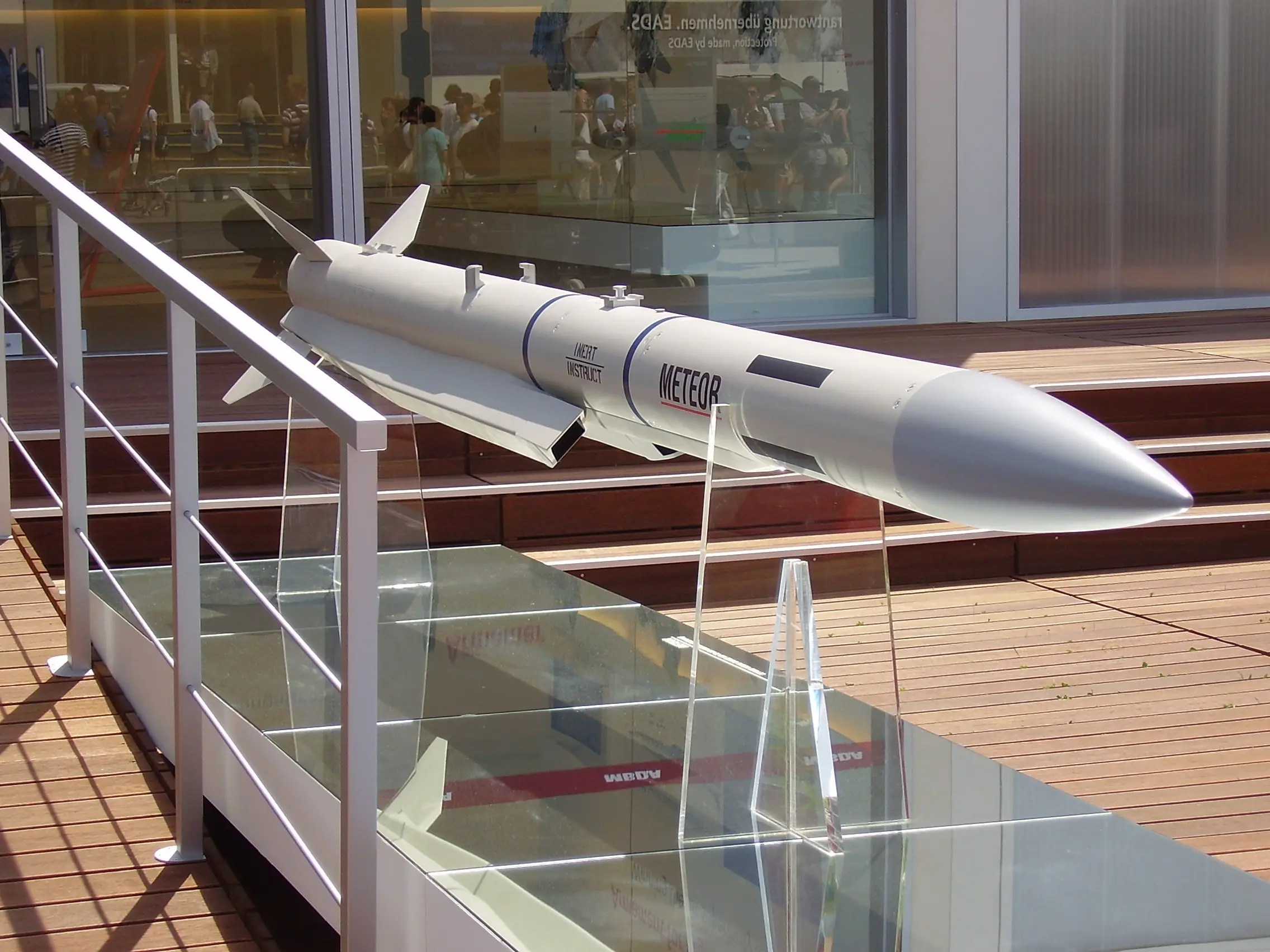
Air-to-air missiles miss targets in combat. Vietnam War showed 8-15 per cent hit rates versus 65-71 per cent test predictions. Chaff, flares, and electronic warfare systems disrupt missile guidance successfully.
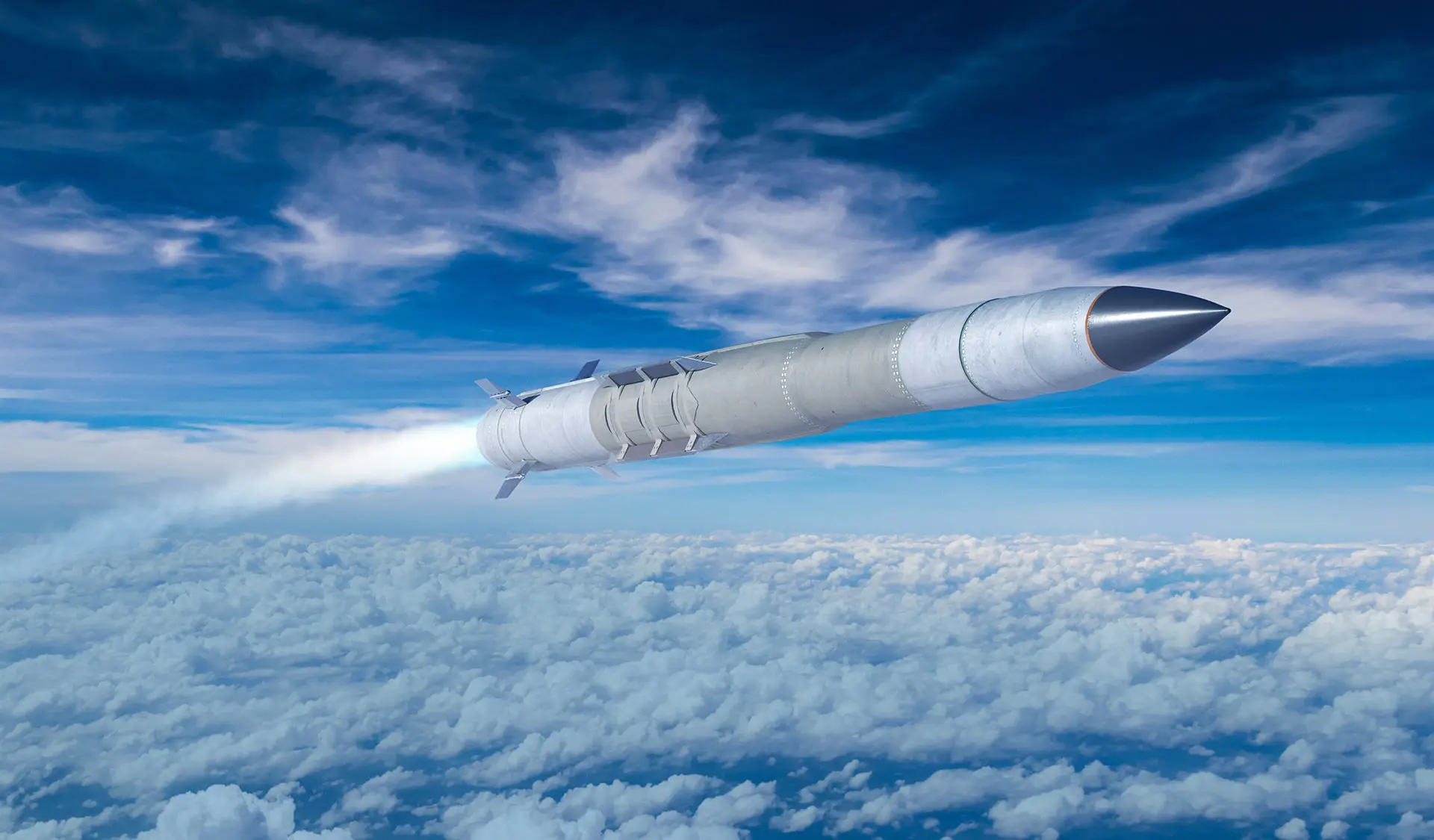
Vietnam War Combat Data
During Operation Rolling Thunder from 1965 to 1972, AIM-7 Sparrow missiles achieved only 8 per cent hit rate whilst tests predicted 71 per cent success. The AIM-9 Sidewinder achieved 15 per cent hits when tests showed 65 per cent success rate. US pilots fired 612 Sparrow missiles and achieved only 59 kills according to combat records.
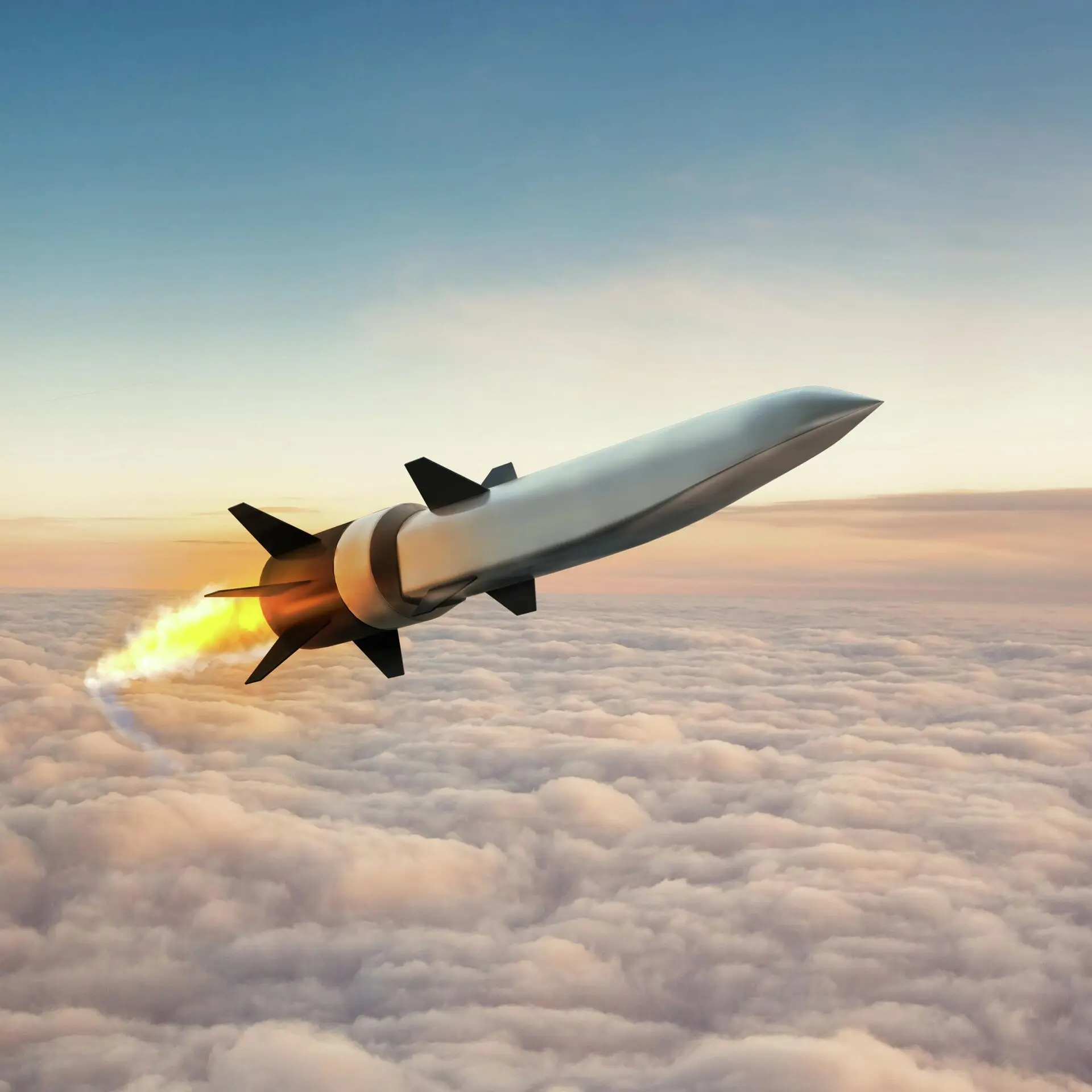
Modern AMRAAM Performance
The AIM-120 AMRAAM has achieved at least 16 air-to-air kills across conflicts in Iraq, Kosovo, Syria, Bosnia, and Afghanistan. The missile performs better than Vietnam-era systems but still demonstrates gap between test performance and combat results. Modern missiles face electronic countermeasures and evasive tactics unavailable during earlier conflicts.
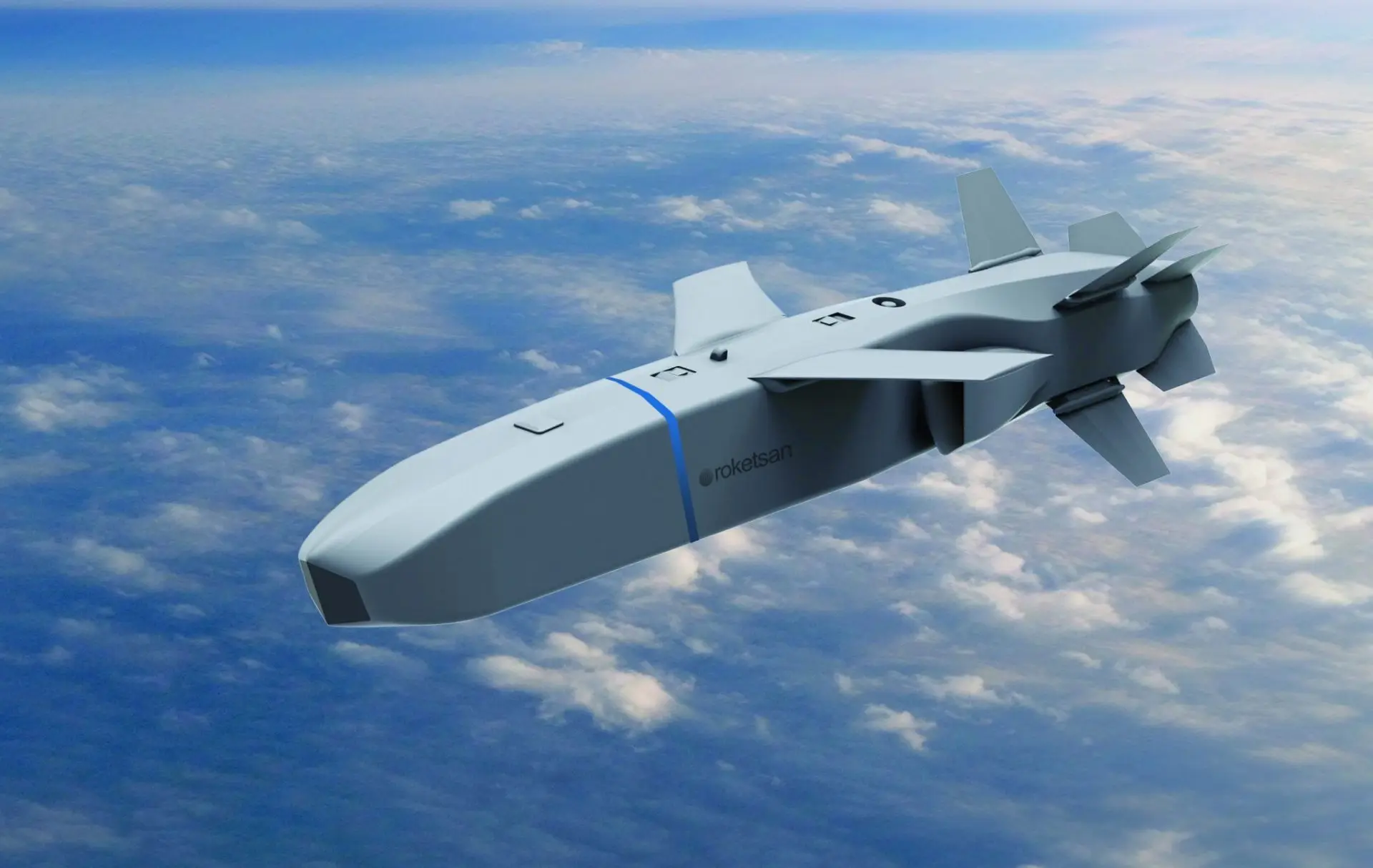
What is Chaff?
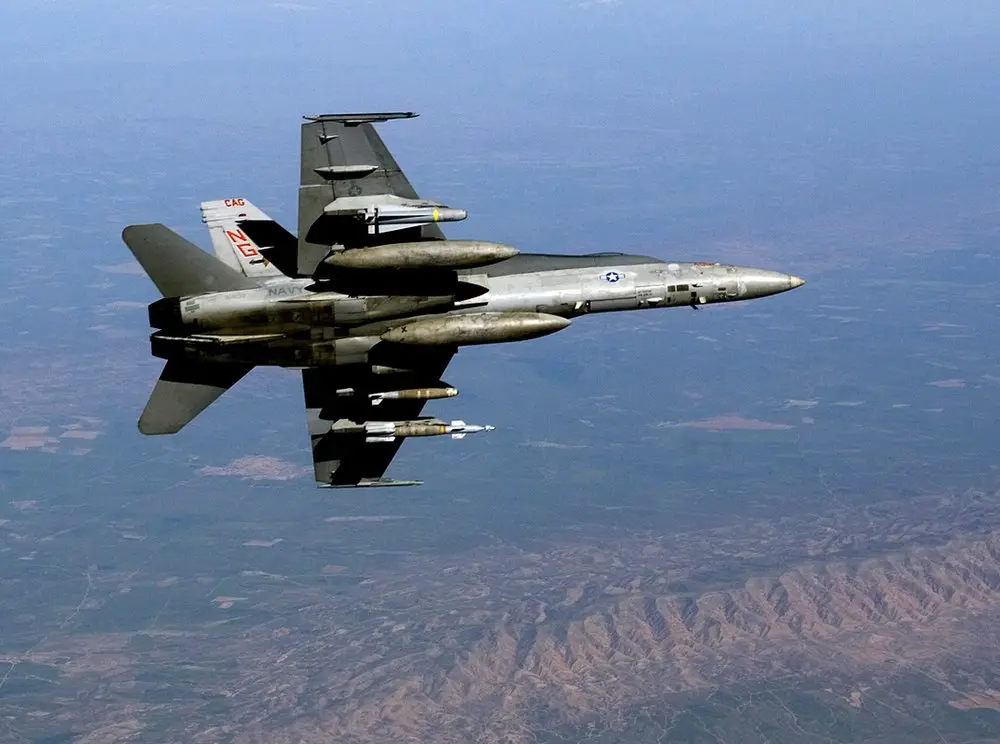
Chaff is a passive radar countermeasure made of aluminium strips, metallized glass fibre, or plastic. Military aircraft dispense chaff in clouds that reflect radar signals and create false targets on radar screens. A typical Air Force chaff bundle contains about 150 grammes of material or approximately 5 million fibres.
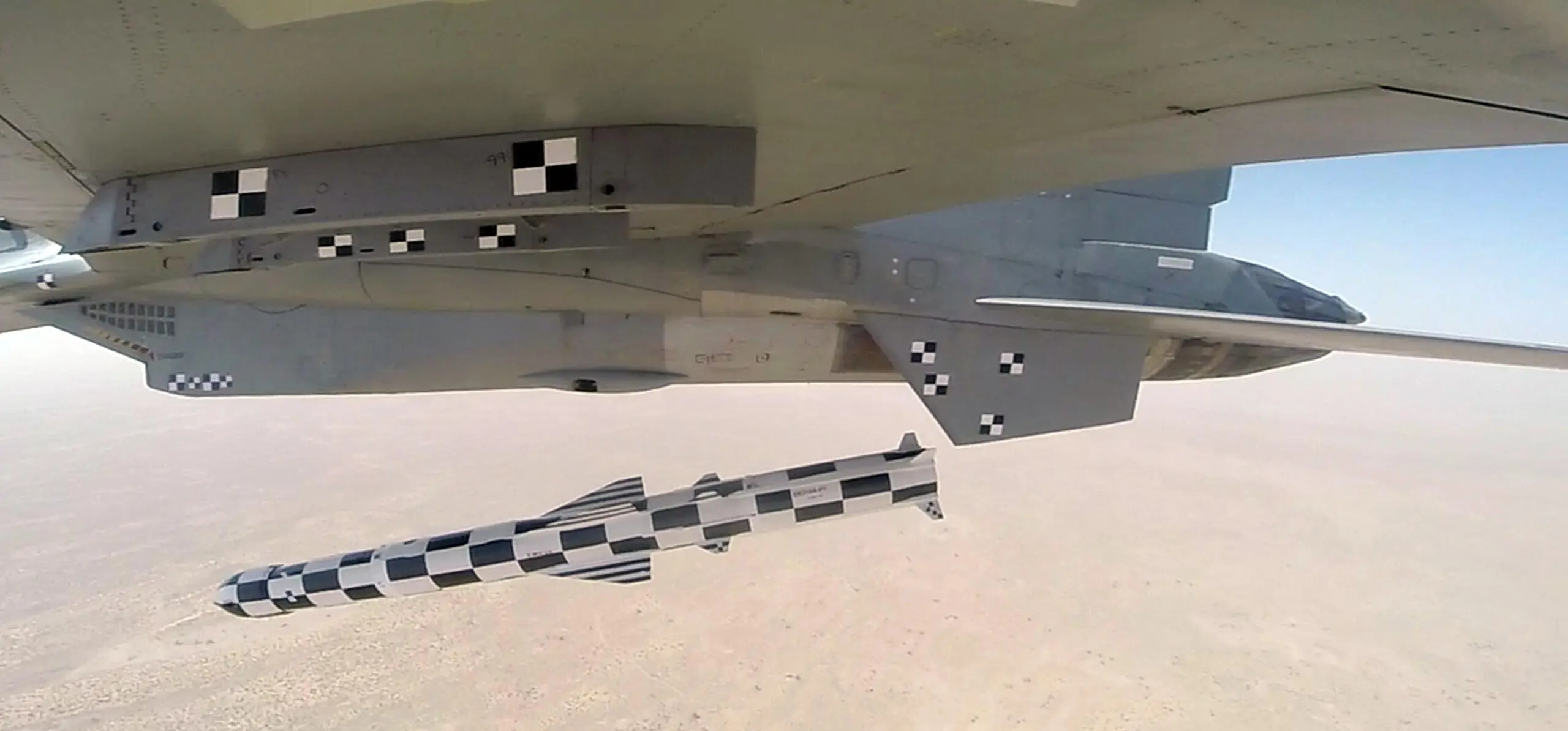
How Chaff Works Against Missiles
Chaff creates a reflective cloud to "steal" a missile’s radar lock and decoy it away from the aircraft. To beat modern Doppler radar, pilots fly perpendicular to the missile (called "beaming") to make the plane look as stationary as the chaff. This maneuver "seduces" the missile into tracking the decoy cloud instead of the jet.
What are Flares?
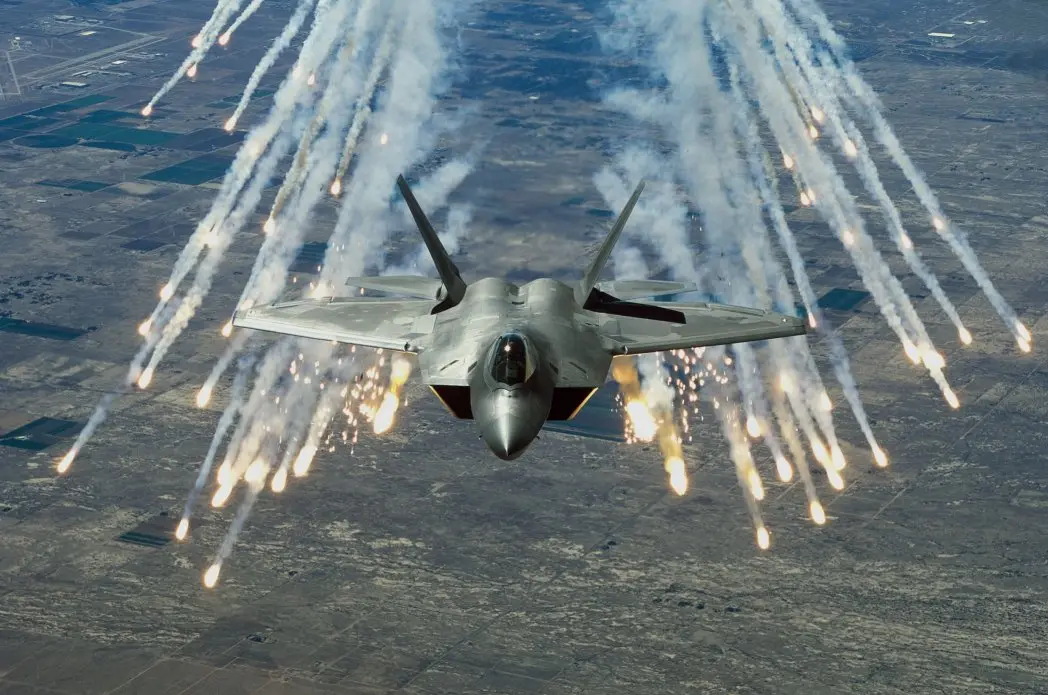
Flares are pyrotechnic cartridges made from magnesium or other hot-burning metals that burn at temperatures equal to or hotter than aircraft engine exhaust. Pilots or ground crews can programme flare dispensers to release flares in short intervals, long intervals, or in clusters. Newer flares use multi-spectral designs to counter advanced missile seekers.
How Flares Defeat Infrared Missiles
Infrared-guided missiles follow heat signatures from aircraft engines. Flares emit infrared radiation at temperatures exceeding engine exhaust, creating multiple thermal targets that confuse missile seekers. Advanced missile seekers now use dual infrared and ultraviolet detection to distinguish real targets from flares, requiring development of new flare technologies.
Electronic Warfare and Missiles
Electronic warfare systems like the AN/ALQ-131 ECM pod protect aircraft by jamming radar threats using repeater or transponder techniques. The system weighs 270 kilogrammes and has modular design for multiple frequency capability. Modern radars counter this by using frequency hopping, spread spectrum techniques, and other anti-jamming measures.
)
)
)
)
)