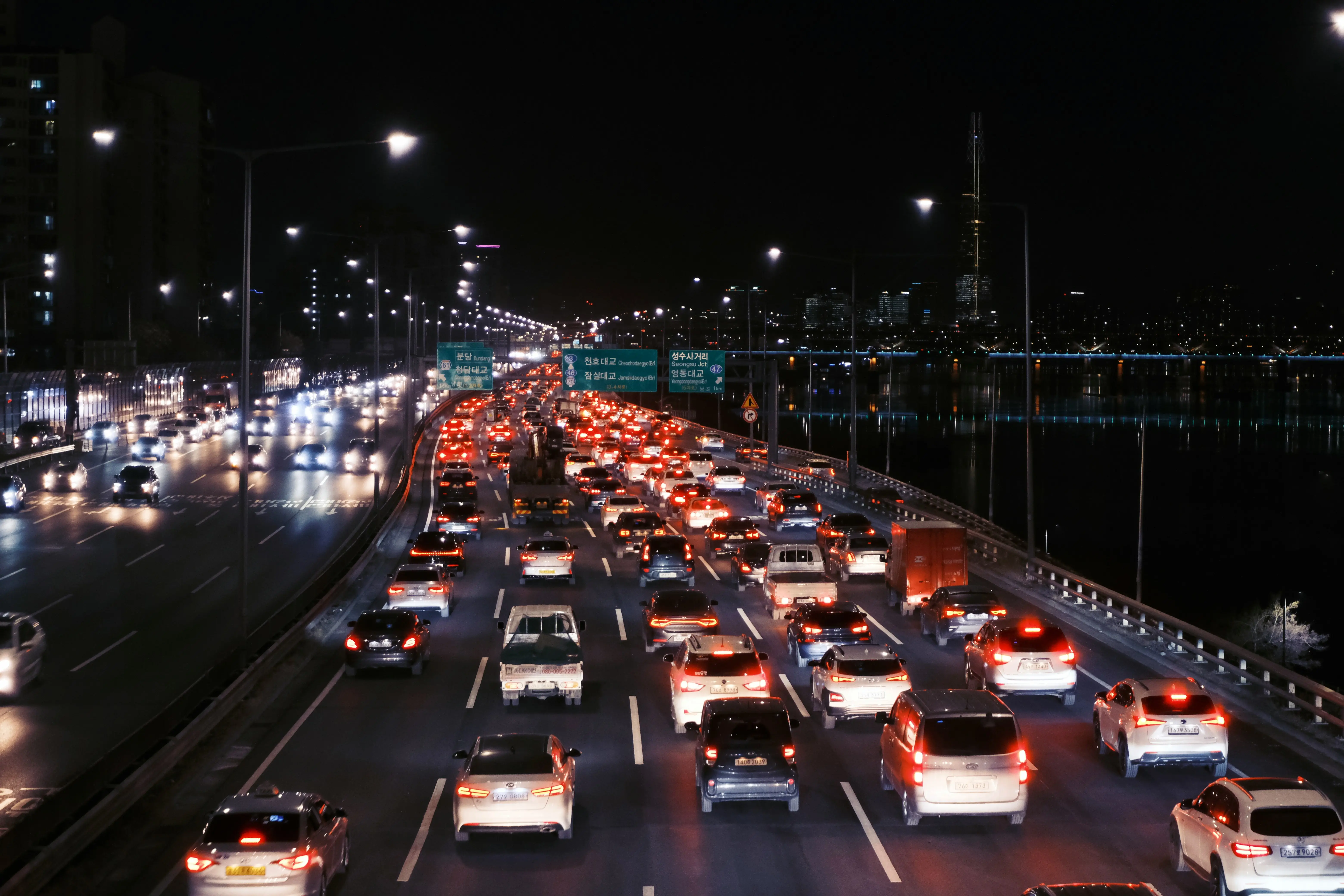
Can AI really predict traffic jams before they happen?

AI uses big data and real-time sensors to predict traffic jams before they start. Machine learning, computer vision, and adaptive traffic signals combine to reduce congestion and improve travel efficiency in cities worldwide.
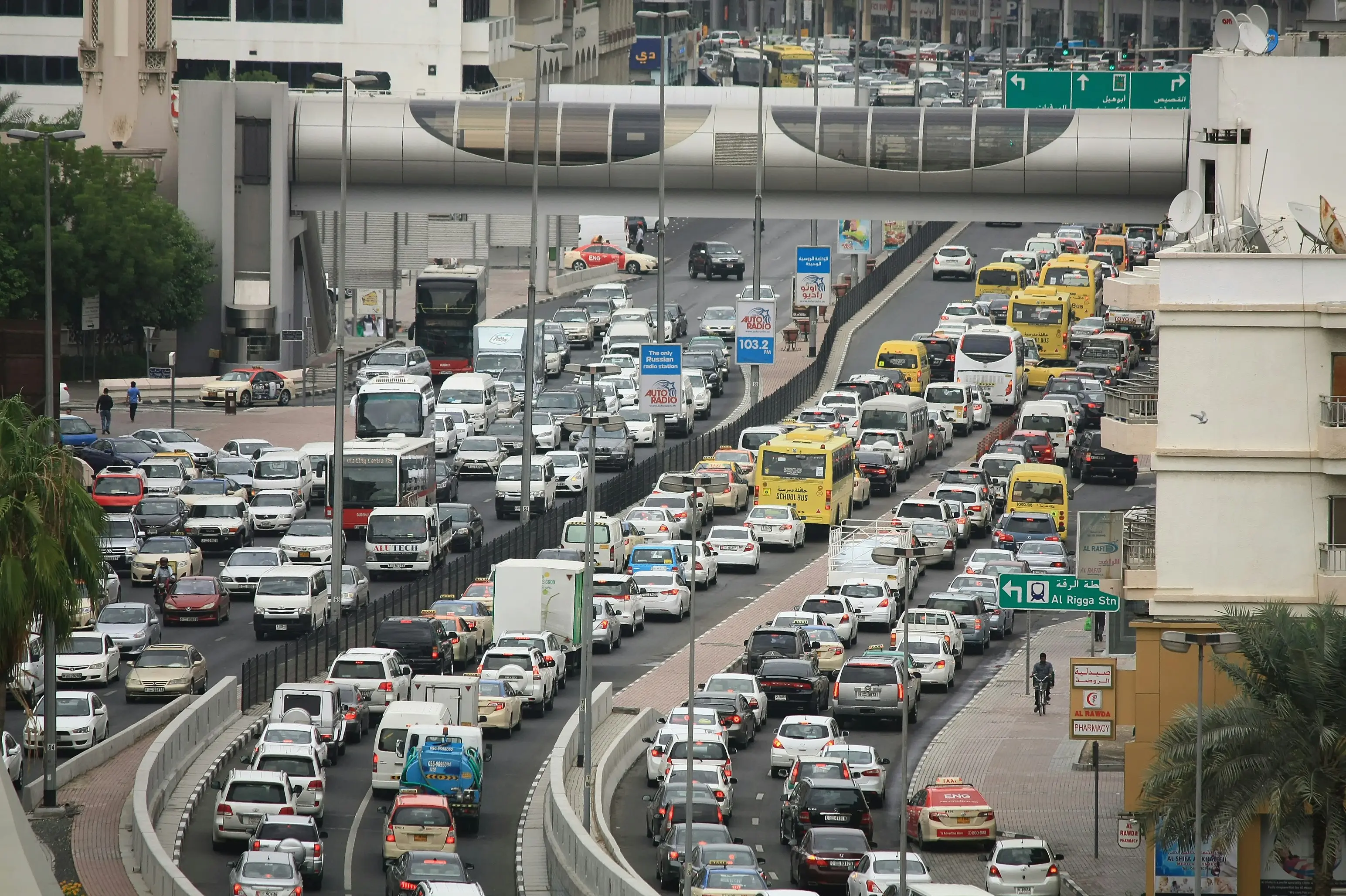
AI Uses Big Data to Predict Traffic
AI systems analyse vast amounts of historical and live data, including GPS, traffic cameras, and sensor inputs. For example, some algorithms use data intervals from 30 seconds to 15 minutes to forecast traffic buildup with high accuracy.
Machine Learning Models in Traffic Forecasting
Models like Random Forest and Naïve Bayes classify traffic congestion levels with up to 97% accuracy. These models help city planners and commuters understand where and when jams will form

Real-Time Adjustments Reduce Delays
AI systems continuously learn from real-time sensor feeds. They adapt traffic signals and update routes dynamically to avoid bottlenecks, reducing travel times by 10-20% in some cities.
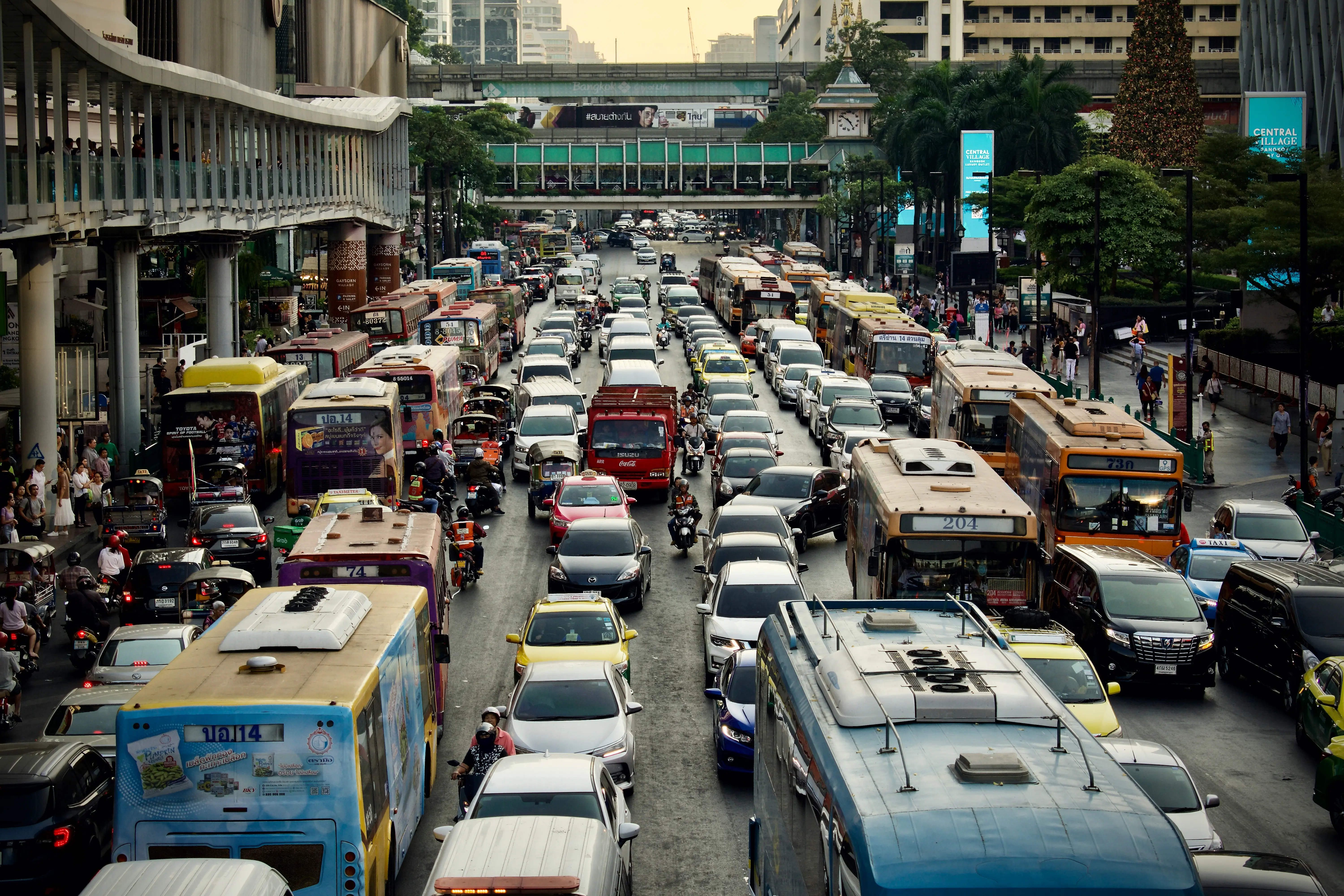
Computer Vision Tracks Traffic Patterns
Cameras equipped with AI-driven computer vision detect vehicle density and lane usage, identifying incidents like stalled cars early to prevent congestion before it worsens.
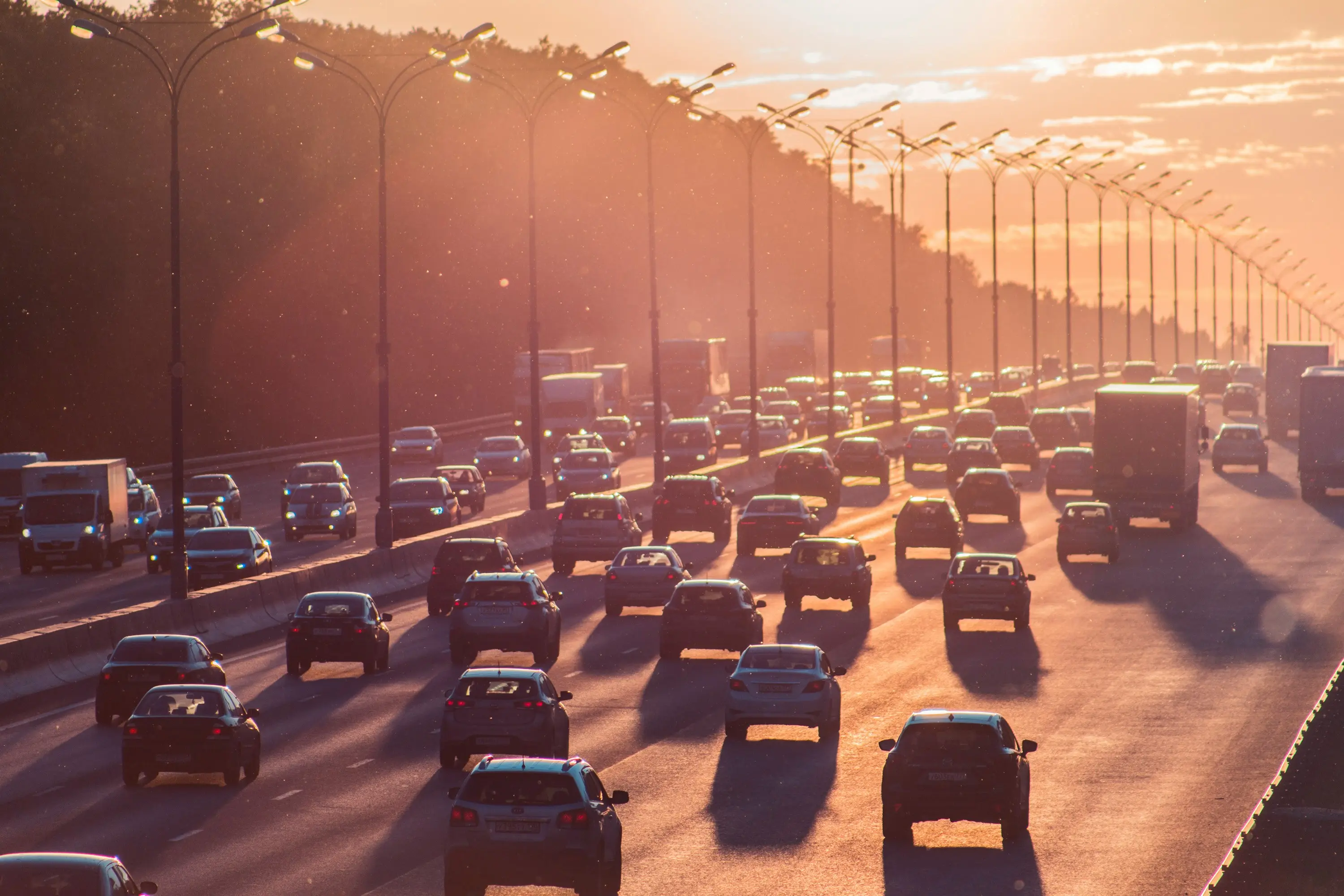
AI Improves Public Transit and Emergency Response
AI predicts high traffic demand and optimises transit schedules. It can prioritise emergency vehicles by adjusting signals, helping prevent gridlocks and improving urban mobility.
Leading Companies Use AI for Traffic Data
Google Maps leverages AI models such as Graph Neural Networks to provide estimated travel times with over 97% accuracy, improving navigation in major cities worldwide.

The Future of AI Traffic Prediction
With ongoing advances, AI will enable more precise traffic forecasts and smarter control systems. This will help reduce congestion by up to 30% and cut fleet expenses, making roads safer and journeys smoother.
)
)
)
)
)