Can AI detect heartbeats from the sky? Top 5 insane futuristic technologies of the CIA

The CIA used 'Ghost Murmur' to track an F-15 pilot's heartbeat in Iran from 40 miles away. Alongside Jetson lasers, predictive AI, and Smart Dust, these five futuristic technologies prove that evading US intelligence is biologically impossible.

The Iranian Rescue
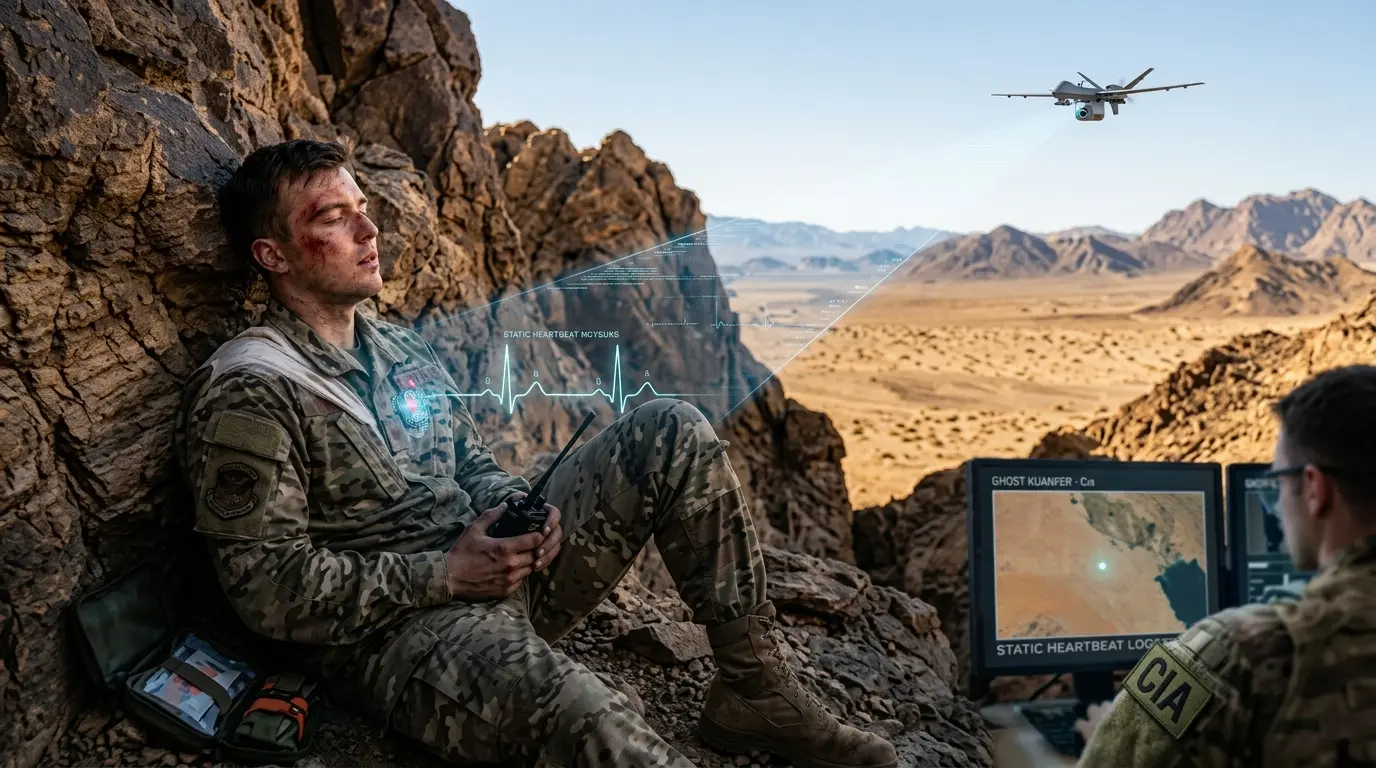
When a US F-15E Strike Eagle was shot down over southern Iran in 2026, the CIA did not rely on standard GPS. To locate the hidden pilot, they deployed classified AI tech capable of detecting his biological presence from miles away, completely altering modern warfare.
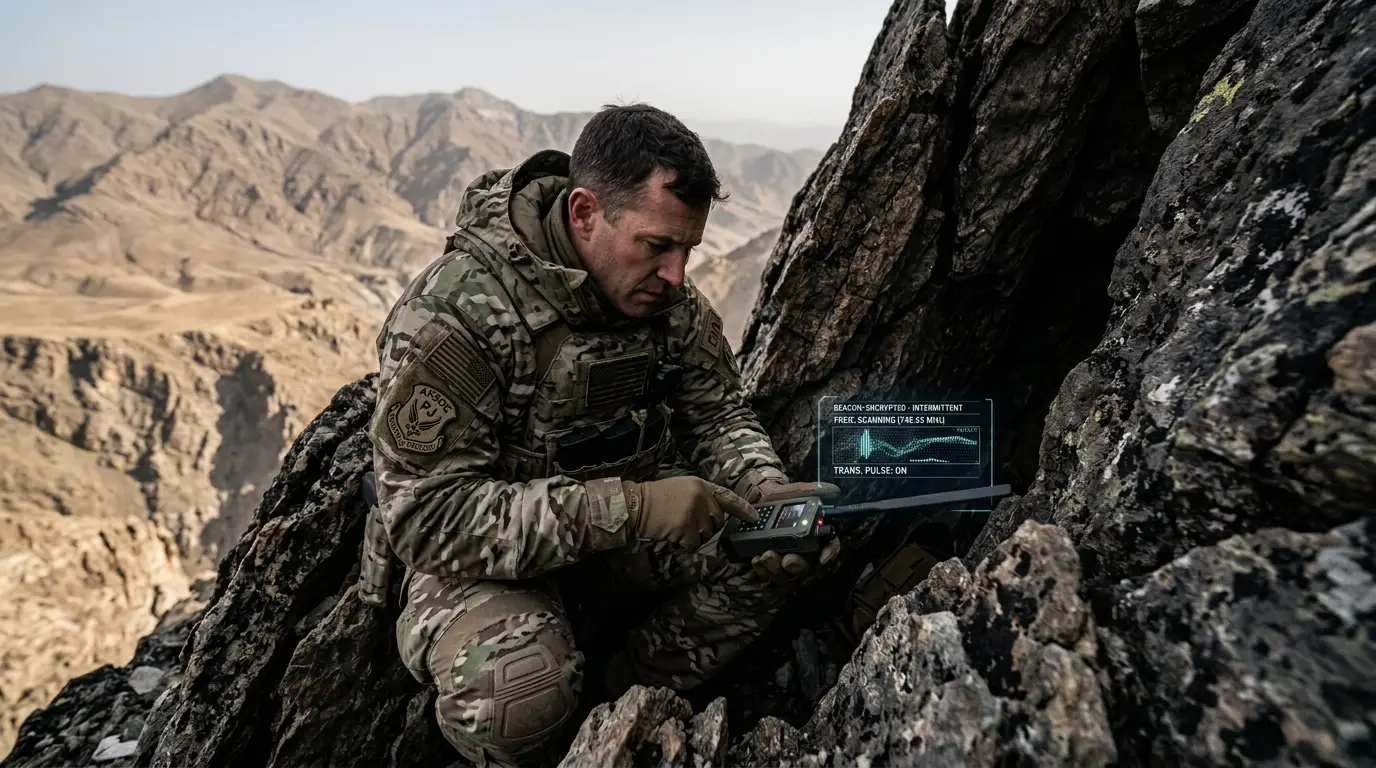
Ghost Murmur
The tech used in Iran, codenamed 'Ghost Murmur', utilises long-range quantum magnetometry. By employing synthetic diamond sensors and advanced AI filtering, the CIA successfully isolated the pilot's unique electromagnetic heartbeat signature from up to 40 miles away in the desert.
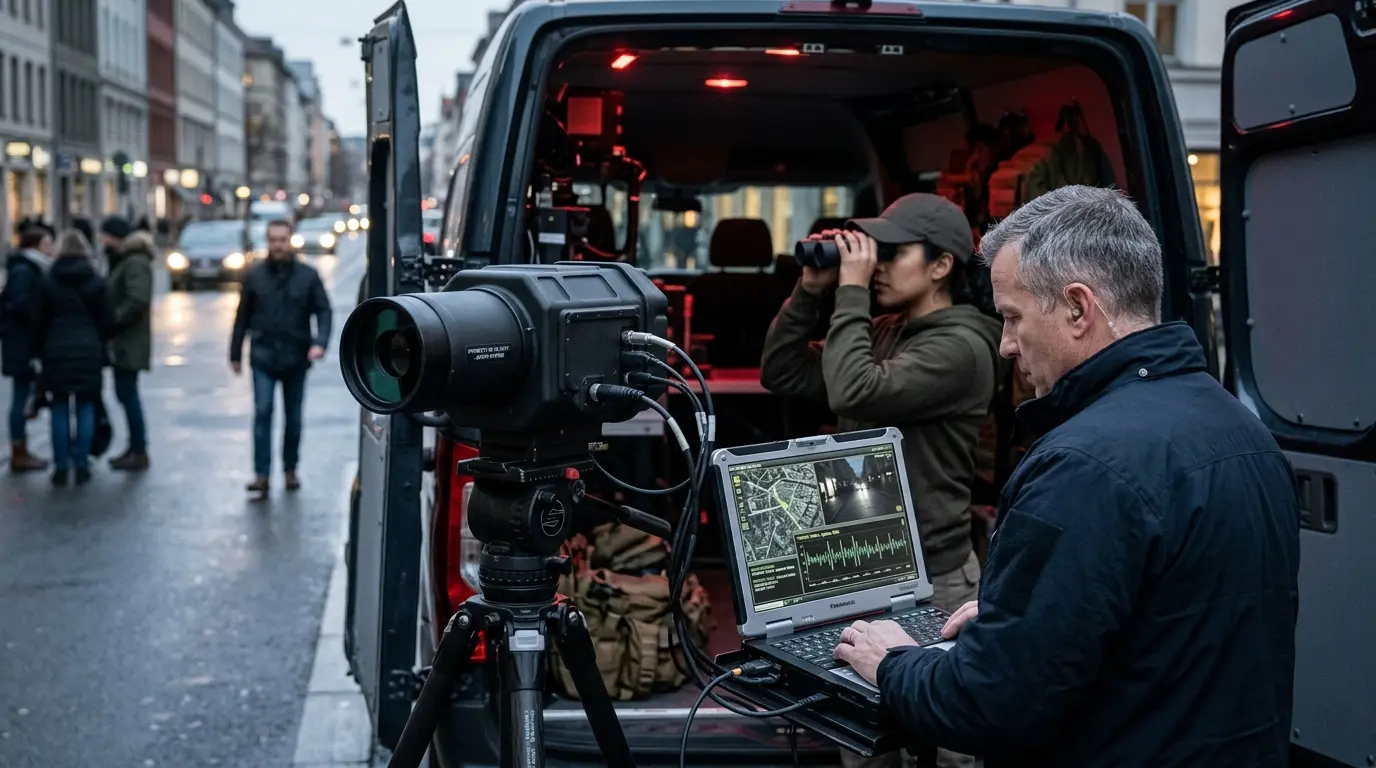
The Jetson Laser
Complementing long-range quantum sensors, the Pentagon developed 'Jetson', an infrared laser system based on vibrometry. This tactical device scans invisible surface vibrations to detect a person's unique cardiac signature through their clothing from over 200 metres away, identifying targets without facial recognition.

Predictive AI 'Sentient' CIA
The US intelligence community utilises a highly classified artificial intelligence system dubbed 'Sentient'. Operating as an autonomous, all-seeing eye, the AI absorbs massive amounts of global data to physically predict enemy movements, automatically directing spy satellites to photograph locations before an event even happens.
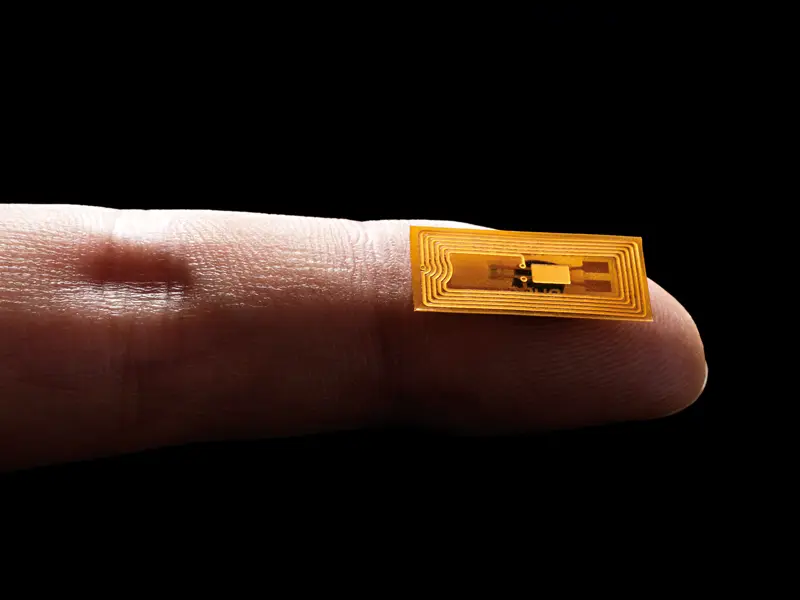
Smart Dust Networks
The future of CIA surveillance relies on 'Smart Dust', consisting of microscopic, untraceable sensors the size of a grain of sand. These tiny, wind-blown motes can blanket a hostile battlefield or urban environment, silently transmitting real-time biometric, chemical, and temperature data back to intelligence command.
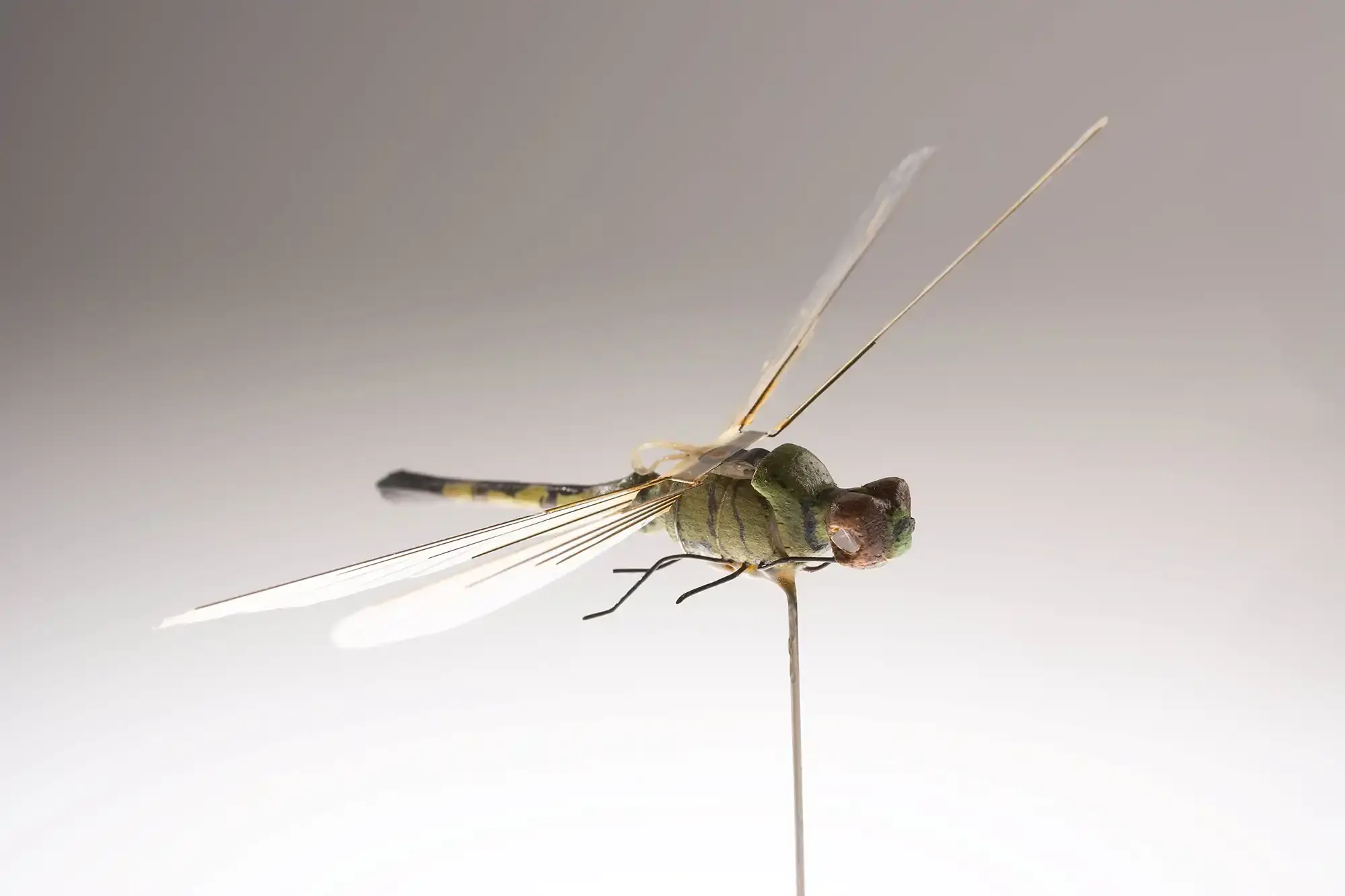
Autonomous Micro-Drones
Building upon the CIA's infamous Cold War 'Insectothopter', modern intelligence relies on AI-driven micro-UAVs disguised as local birds or insects. These robotic spies can infiltrate heavily guarded enemy compounds, bypassing traditional electronic security to provide highly lethal, close-range visual intelligence.
The End of Absolute Privacy
These five technologies signify a permanent shift in global espionage. By combining predictive AI with quantum biological tracking and microscopic sensors, intelligence agencies no longer need mobile phones to find you; they only need your heartbeat.
)
)
)
)
)