Can a Trump-Xi deal revive US energy exports to China? This is what we know

The meeting marks the first summit-level engagement since Washington and Beijing paused their bruising trade war in October.
Trump-Xi Summit
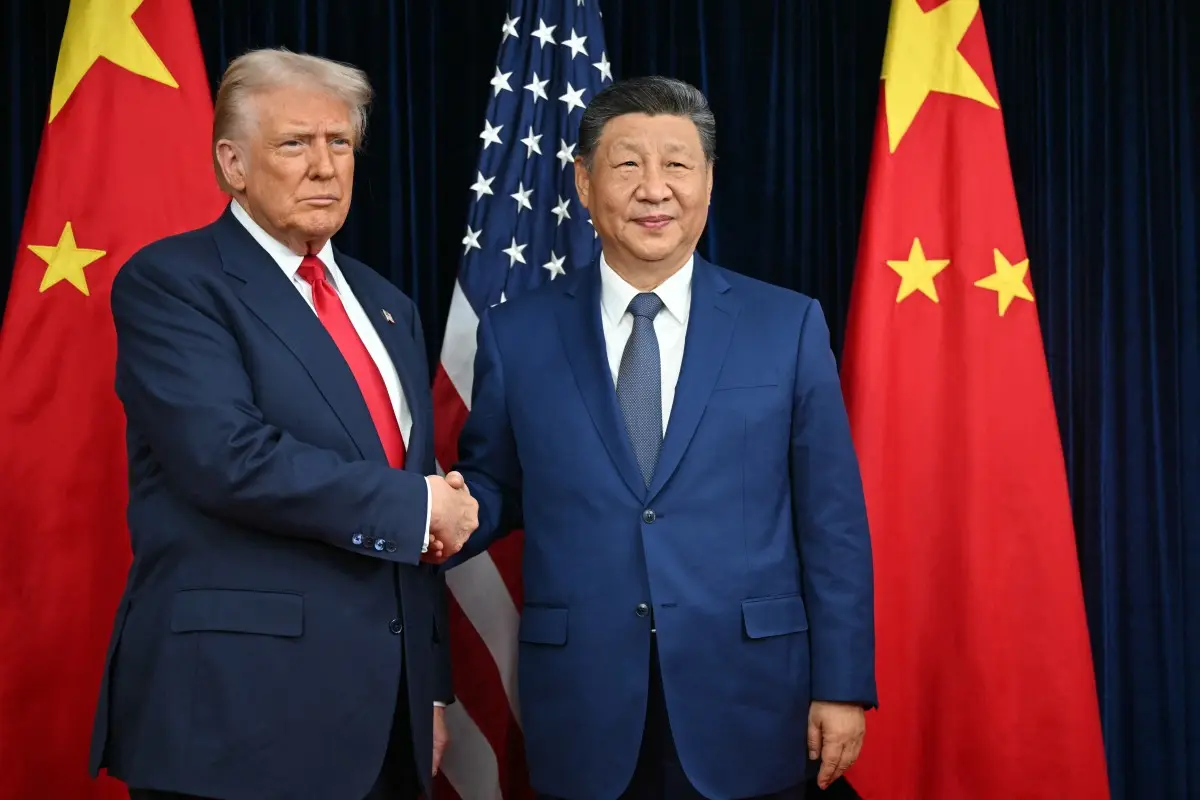
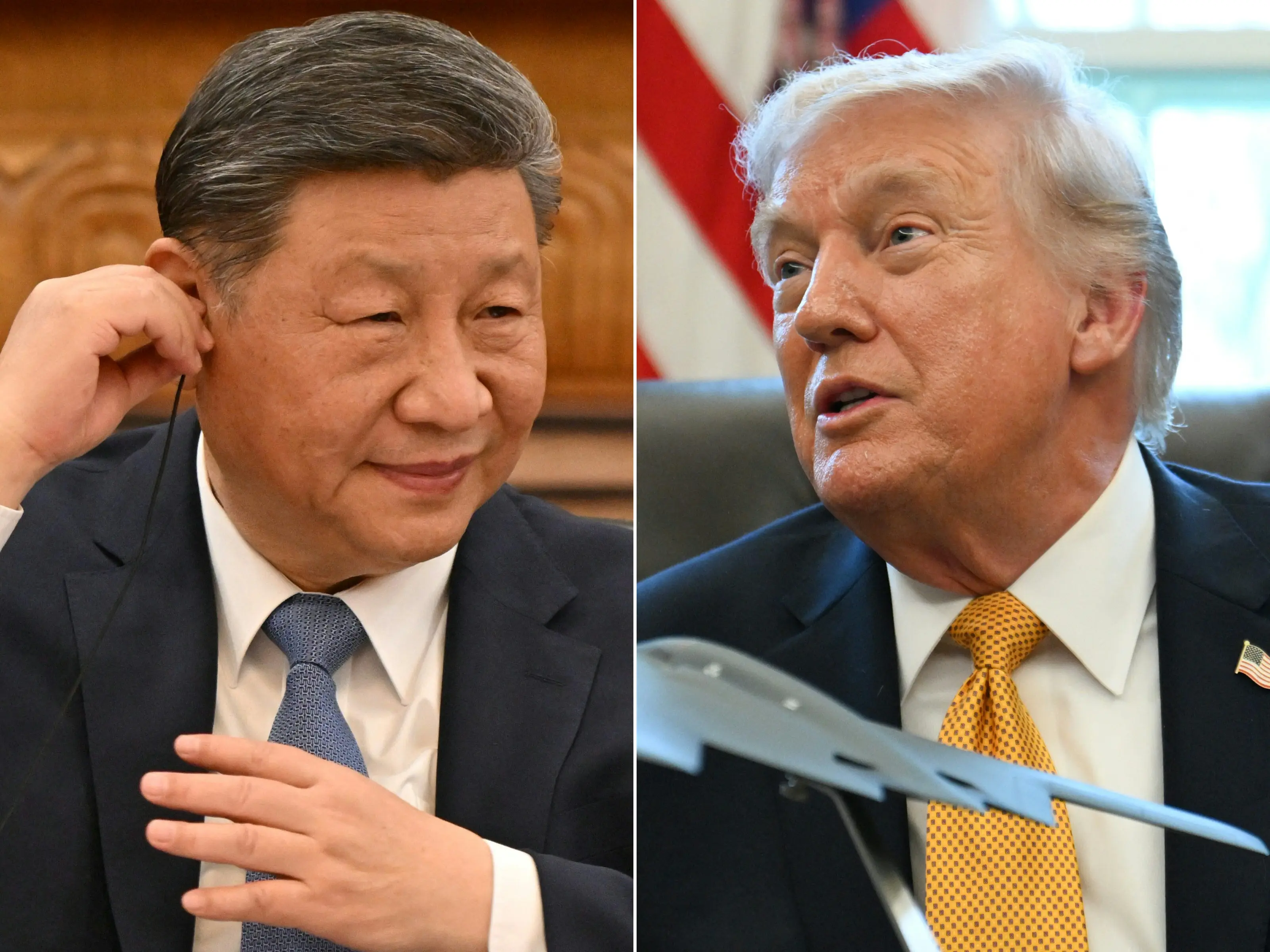
US President Donald Trump is set to meet Chinese President Xi Jinping in Beijing on May 14-15 amid renewed attention on whether the two countries can revive energy trade disrupted by years of tariffs and geopolitical tensions. US officials, talking to Reuters, have indicated that increased Chinese purchases of American energy products could feature in the discussions, even as broader disputes over Taiwan and trade remain unresolved. The meeting marks the first summit-level engagement since Washington and Beijing paused their bruising trade war in October. However, analysts say expectations remain limited, reflecting the strain that tariffs and strategic rivalry have placed on bilateral trade ties.
LNG trade sharply reduced
Liquefied natural gas has been among the sectors most affected by the trade conflict. During Trump’s first-term trade war in 2019, Chinese imports of US LNG fell to just 260,000 metric tonnes, despite China’s overall LNG imports rising 15 per cent that year to 59.4 million tonnes. Trade briefly recovered after the Phase One agreement.

LNG trade rebounds briefly before fresh tariff slump
By 2021, the United States exported 8.98 million tonnes of LNG to China, becoming the country’s third-largest supplier behind Australia and Qatar. But the recovery proved short-lived. Chinese imports of US LNG declined to 4.15 million tonnes in 2024 and then dropped to only 26,000 tonnes in 2025 after Beijing imposed a 25 per cent tariff on American LNG during the latest round of retaliatory measures.
Long-term contracts remain active
Despite lower imports, Chinese energy firms including PetroChina and CNOOC continue to honour long-term LNG contracts signed with US producers between 2021 and 2023. Analysts say much of the contracted LNG is being redirected to Europe to avoid Chinese import tariffs. According to Reuters, energy consultancy Rystad Energy estimates that around 12 million tonnes of US LNG remain contracted for delivery to Chinese buyers this year. Analysts also note that US LNG could become cheaper than Asian spot cargoes if Beijing removes its tariffs, particularly after disruptions linked to the Iran war pushed global prices higher.
Oil trade remains limited
China remains the world’s largest crude oil importer, though the United States has never been a major supplier. Chinese imports of US crude peaked at around 395,000 barrels per day in 2020 following the Phase One trade deal, accounting for less than 4 per cent of China’s total crude imports. In 2024, China imported around 193,000 barrels per day of US crude worth roughly $6 billion. However, imports stopped entirely after May 2025 when Beijing imposed a 20 per cent tariff on American oil. China instead increased purchases from countries including Canada and Brazil.
Ethane and propane trade continues
Not all energy trade has collapsed. The United States remains China’s sole supplier of ethane, a key feedstock used in plastics manufacturing. Reuters reports that China imported 5.95 million tonnes of US ethane worth $2.96 billion in 2025, while imports rose 50 per cent year-on-year during the first quarter of 2026. Similarly, the United States remained China’s largest propane supplier in 2025, exporting more than $6.6 billion worth of propane despite tariffs. The continued trade in petrochemical feedstocks highlights how some sectors remain commercially indispensable even amid wider geopolitical tensions.
)
)
)
)
)