Can a person survive shotgun gunshots?

Close-range blasts inflict catastrophic tissue damage, but surviving these catastrophic wounds depends entirely on the specific ammunition used, the proximity of the shooter, and immediate access to advanced trauma surgery.
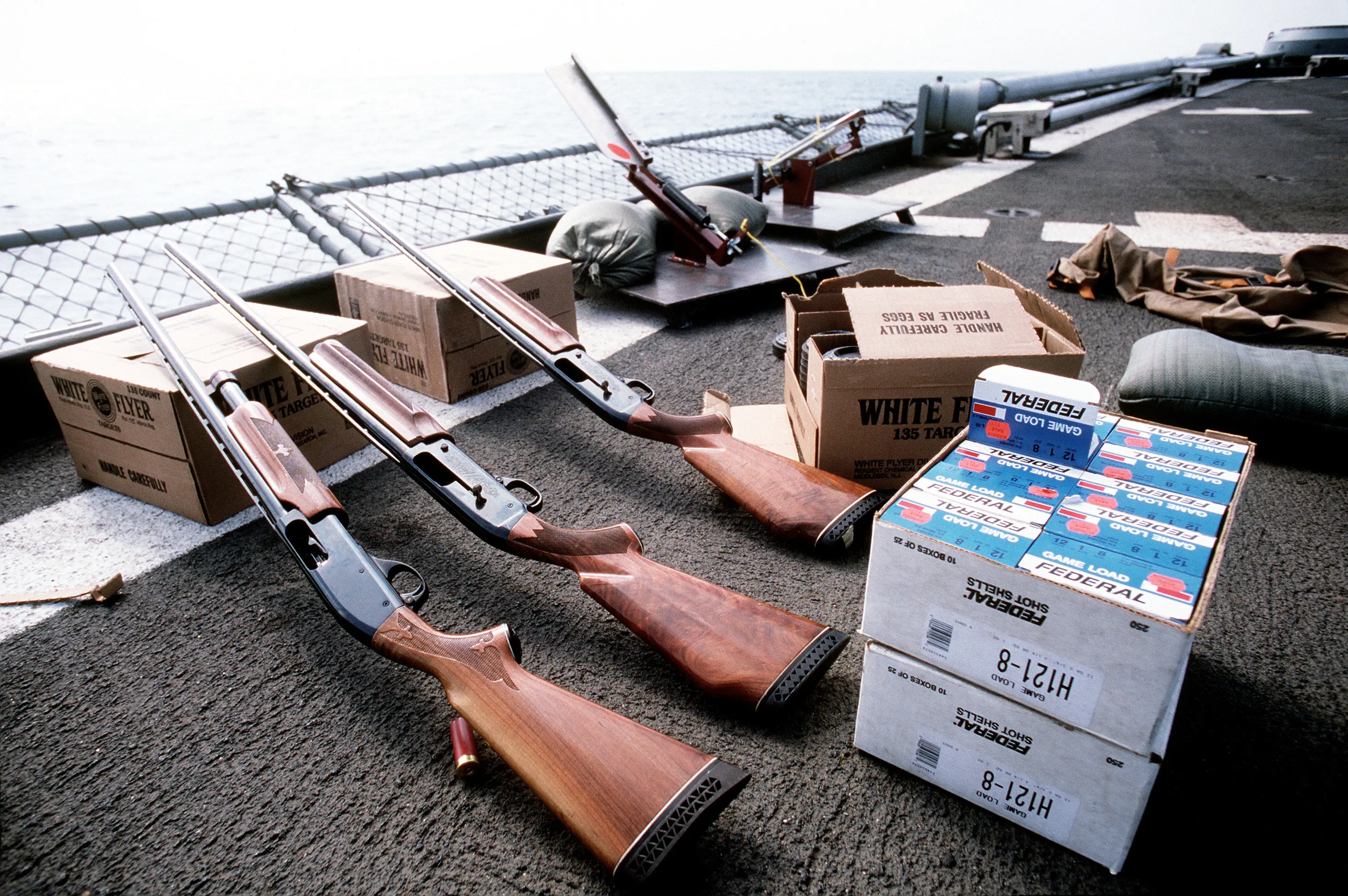
The Ballistic Reality
Unlike standard firearms, shotguns fire heavy lead slugs or dozens of metal pellets in a single trigger pull. This unique ballistic profile creates massive, unpredictable wound tracks, making these injuries significantly more complex for emergency trauma surgeons to treat.

The Critical Factor of Distance
Proximity dictates survival. At close range, the tight cluster of shotgun pellets acts like a solid mass, transferring catastrophic kinetic energy directly into the body, whereas long-range blasts spread out, drastically increasing the patient's chances of survival.
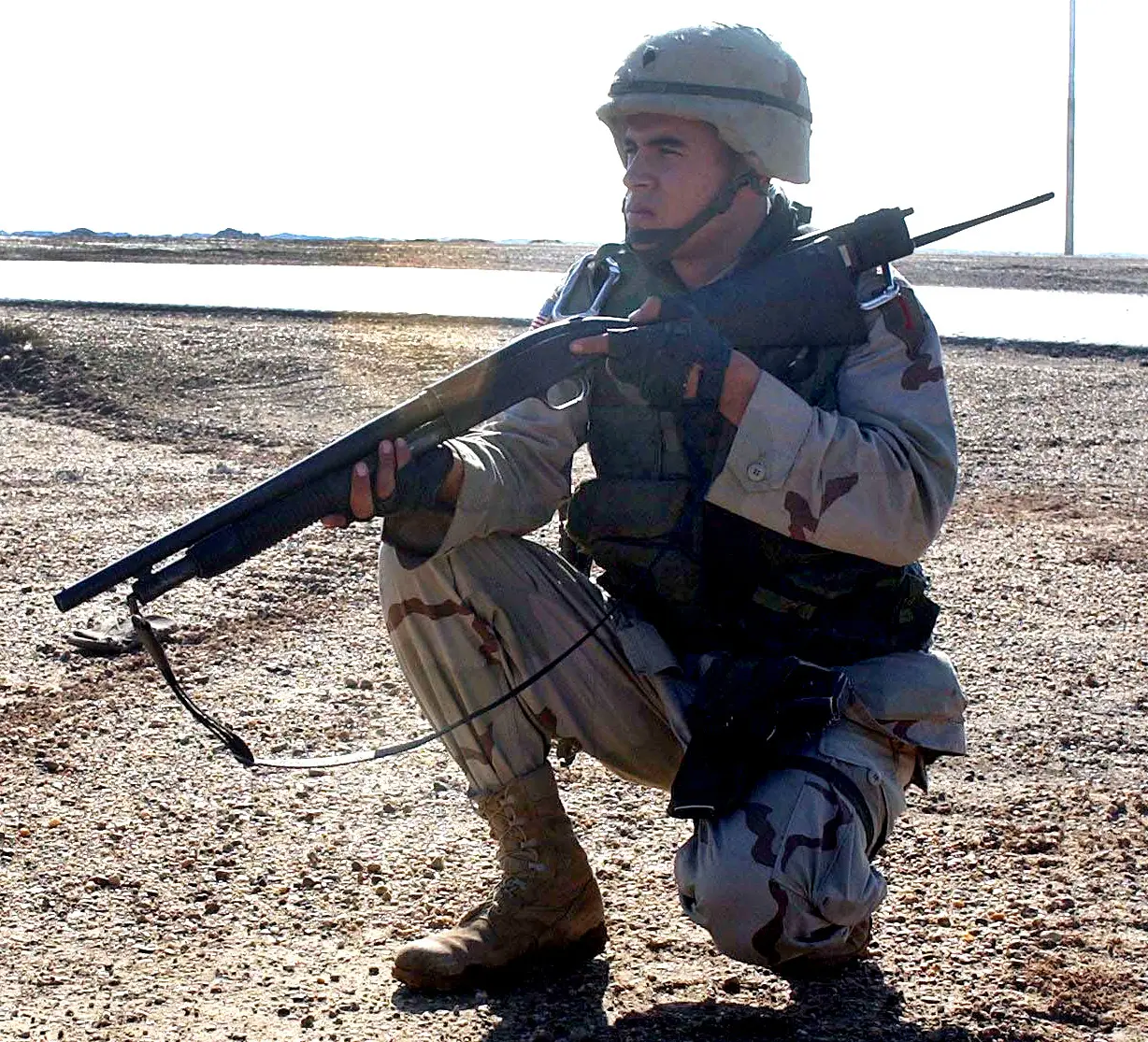
Buckshot vs Birdshot
The type of ammunition fundamentally alters the lethality of the weapon. Heavy buckshot and solid lead slugs easily penetrate deep into vital organs and bone, while smaller birdshot often causes brutal but highly survivable superficial soft-tissue damage.
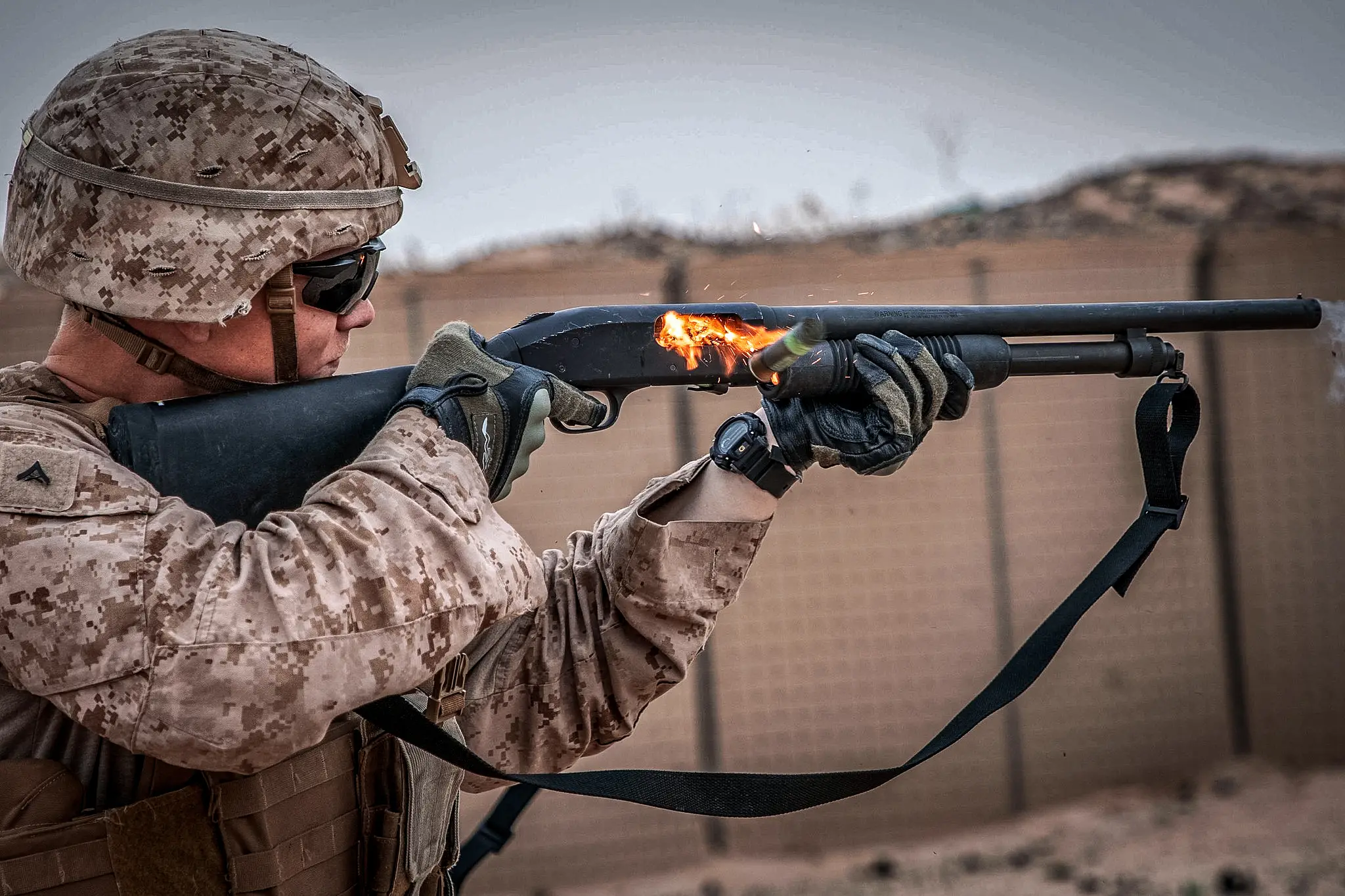
Massive Kinetic Energy Transfer
Although shotguns possess lower muzzle velocities than high-powered military rifles, the immense mass of their projectiles is devastating. As the heavy lead strikes, it creates severe temporary cavitation, a violent pressure wave that instantly shatters surrounding organs and blood vessels.

High Torso Mortality Rates
Due to the sheer volume of tissue destruction, close-range shotgun blasts to the abdomen or chest are exceptionally lethal. Medical studies indicate that shotgun wounds to the torso carry a mortality rate nearly twice as high as those caused by standard handguns.

Penetrating Head Trauma
Surviving a direct shotgun blast to the head is incredibly rare. Medical data reveals that severe penetrating craniocerebral injuries from firearms are fatal up to 90 per cent of the time, as the massive kinetic force instantly destroys critical brainstem functions.
The Race Against Hemorrhage
For victims who arrive at the hospital alive, survival hinges on immediate, aggressive trauma care. Surgeons must rapidly control massive internal bleeding, administer heavy blood transfusions, and perform extensive surgical debridement to remove lead fragments and dead, necrotic tissue.
)
)
)
)
)