Can a fighter jet survive lightning strikes?

Lightning strikes on fighter jets are not very uncommon, but jets are built to survive. With its clever design, protective systems, and careful pilot training, most jets handle lightning with only minor damage.
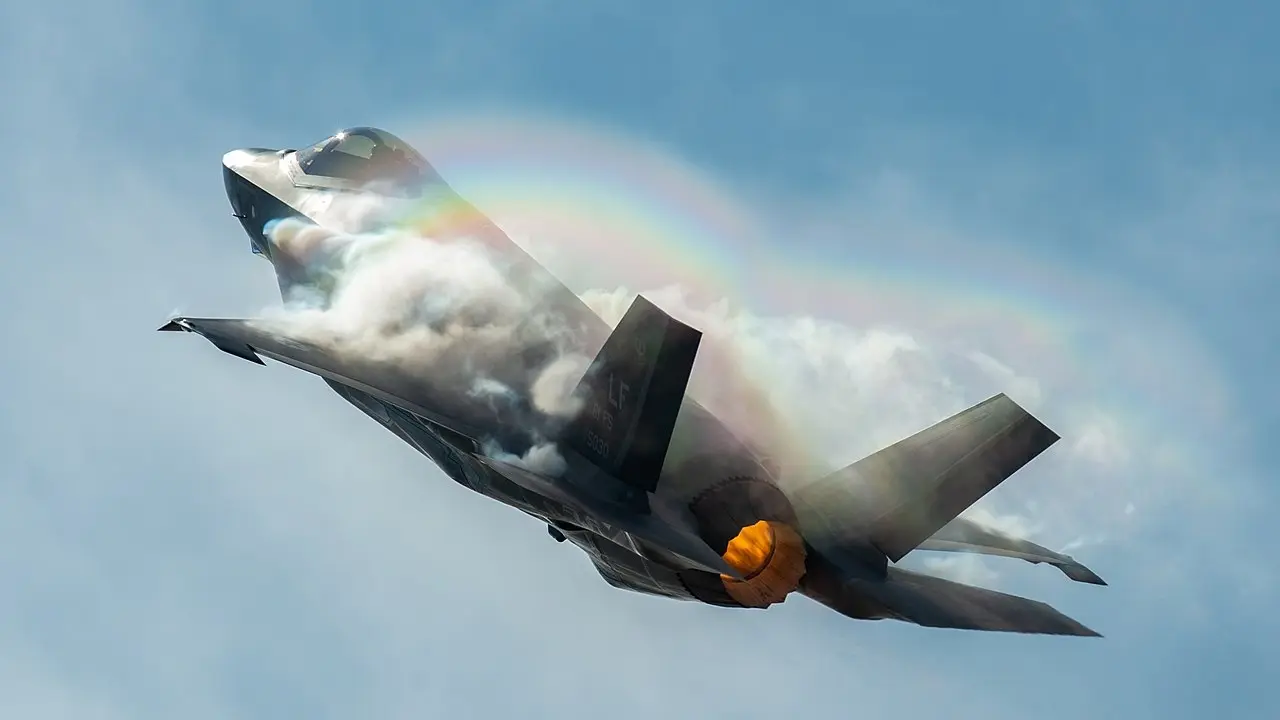
Can Lightning Really Hit Fighter Jets?
Fighter jets can be hit by lightning during flight. Lightning usually strikes a sharp part, like the nose or wingtips, and exits through the tail. Lightning strikes on jets are not unusual.
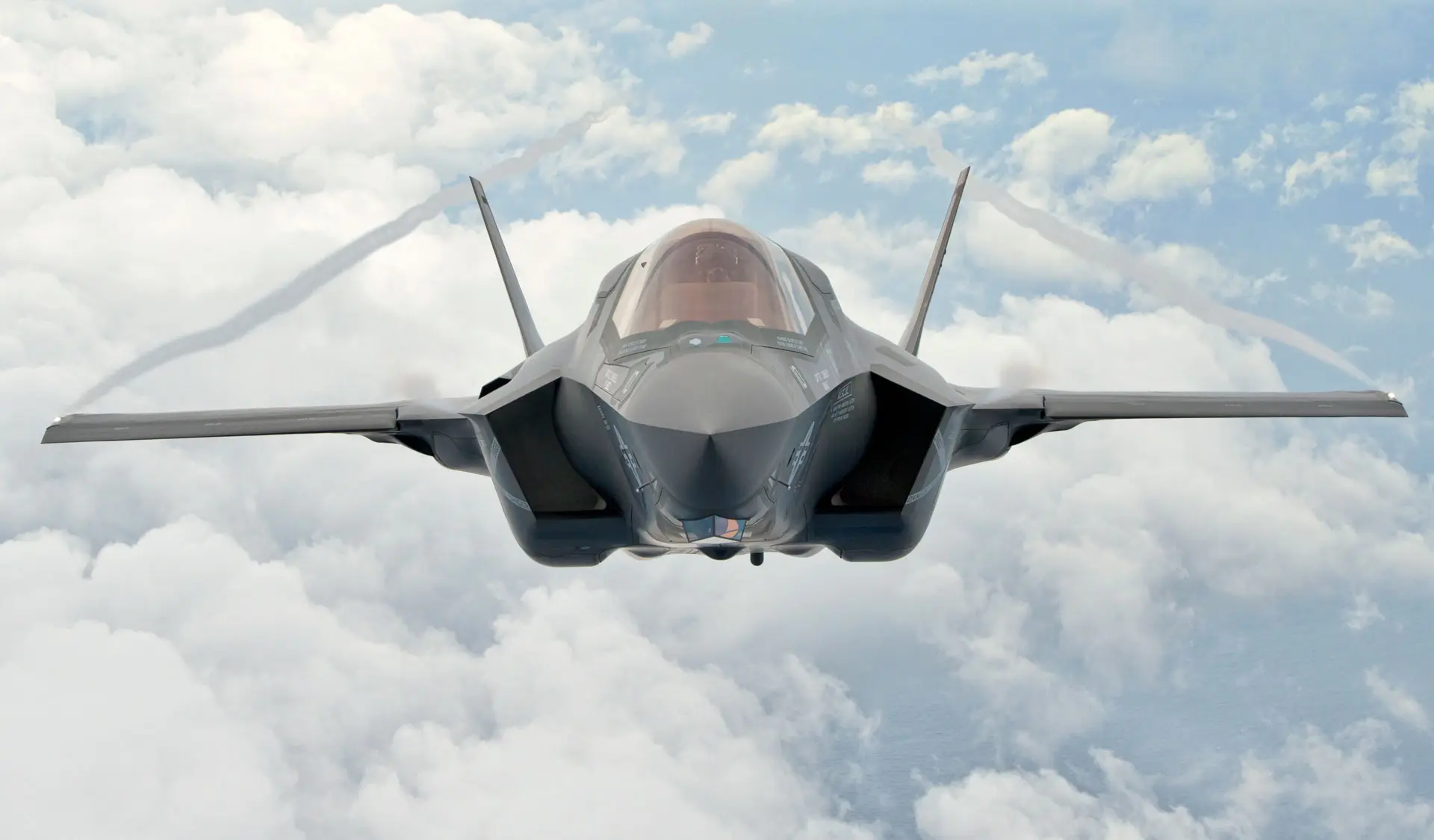
What Happens During a Lightning Strike?
When a jet is struck, the electric current travels along the jet’s surface, not inside. The metal body acts as a Faraday cage, keeping pilots and electronics safe from serious harm. Most of the time, the crew sees a flash or hears a loud bang, but the inside stays unaffected.
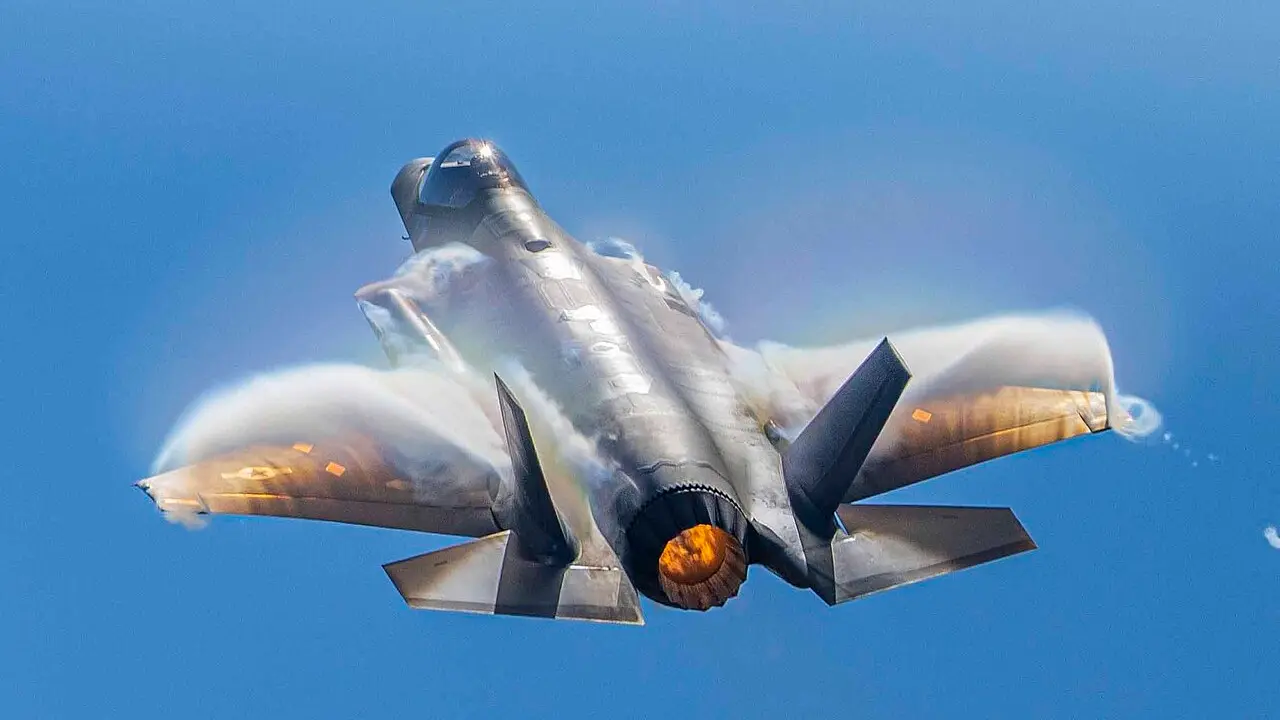
Do Lightning Strikes Damage Jets?
Lightning can burn paint, leave marks, or even cause minor damage to parts like the wingtips or tail. Engineers inspect any aircraft struck by lightning before it flies again. Major malfunctions are rare, but all systems are checked to ensure safety every time.
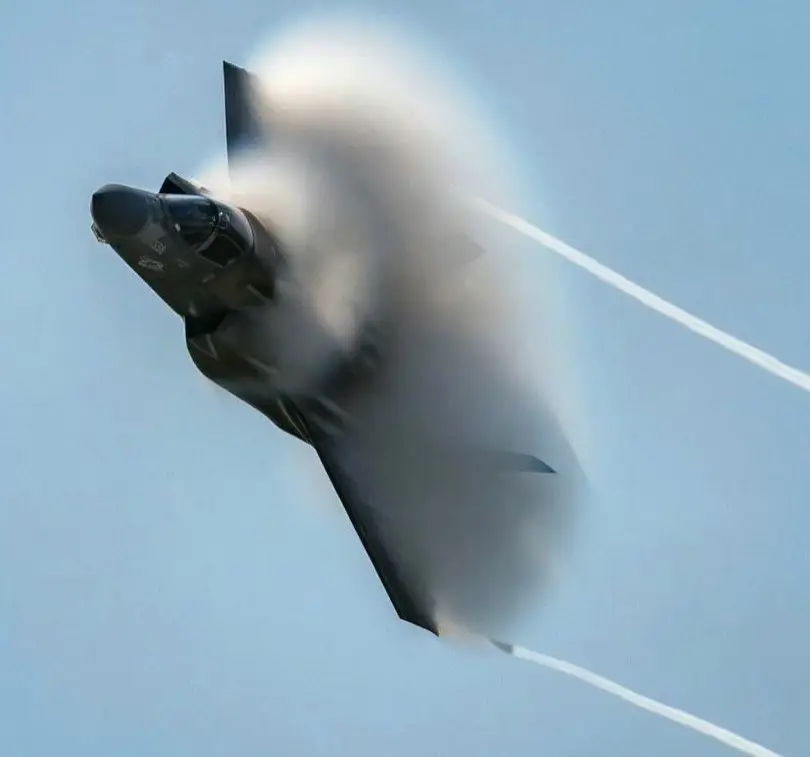
How Are Fighter Jets Protected?
Fighter jets are built with special defences like static wicks and bonding wires to send the electric charge safely away. Modern jets use materials and designs to channel lightning current, protecting critical systems and the cockpit from direct strikes.
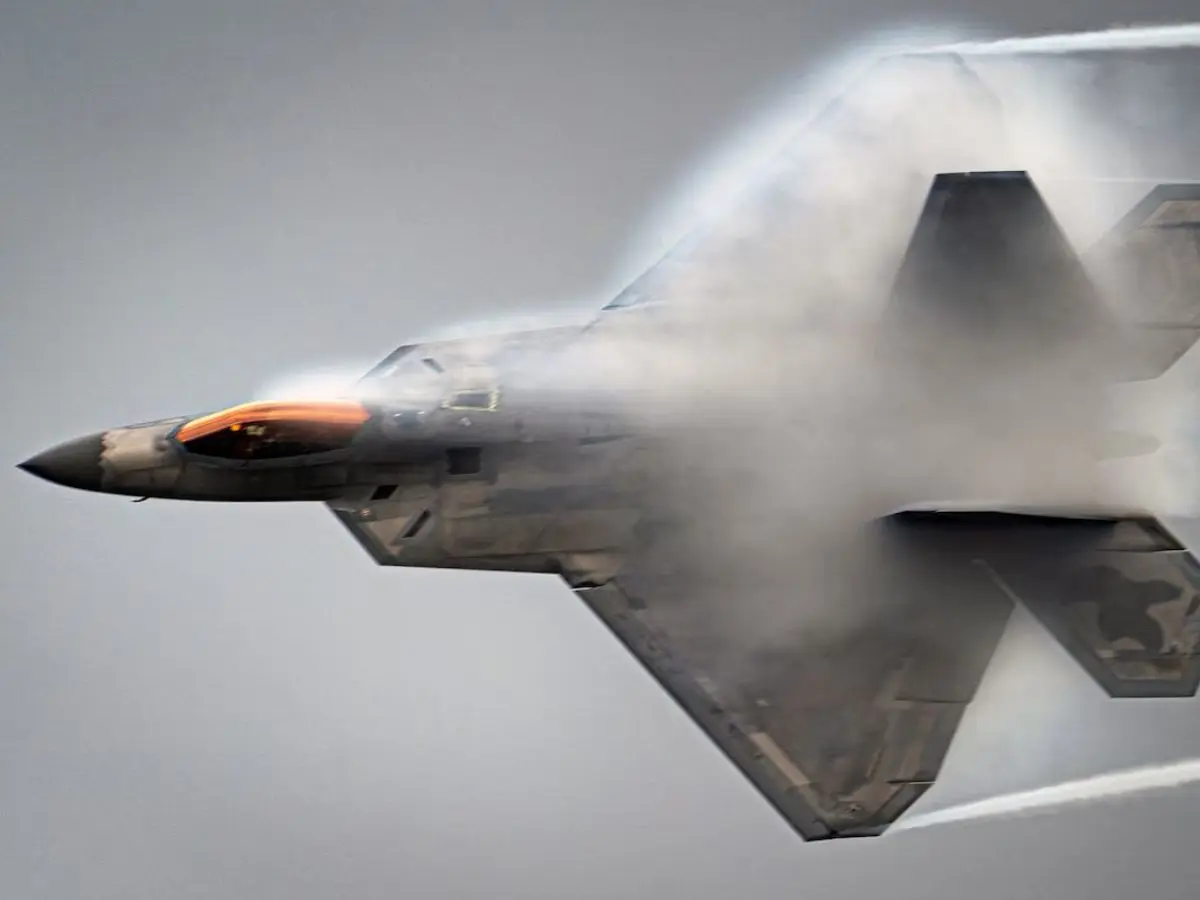
Lightning Strikes on Fighter Jets
Military records show jets struck by lightning often finish their missions and land safely. Rarely, there is some damage to panels or electronics, but pilots are trained to handle such events calmly.
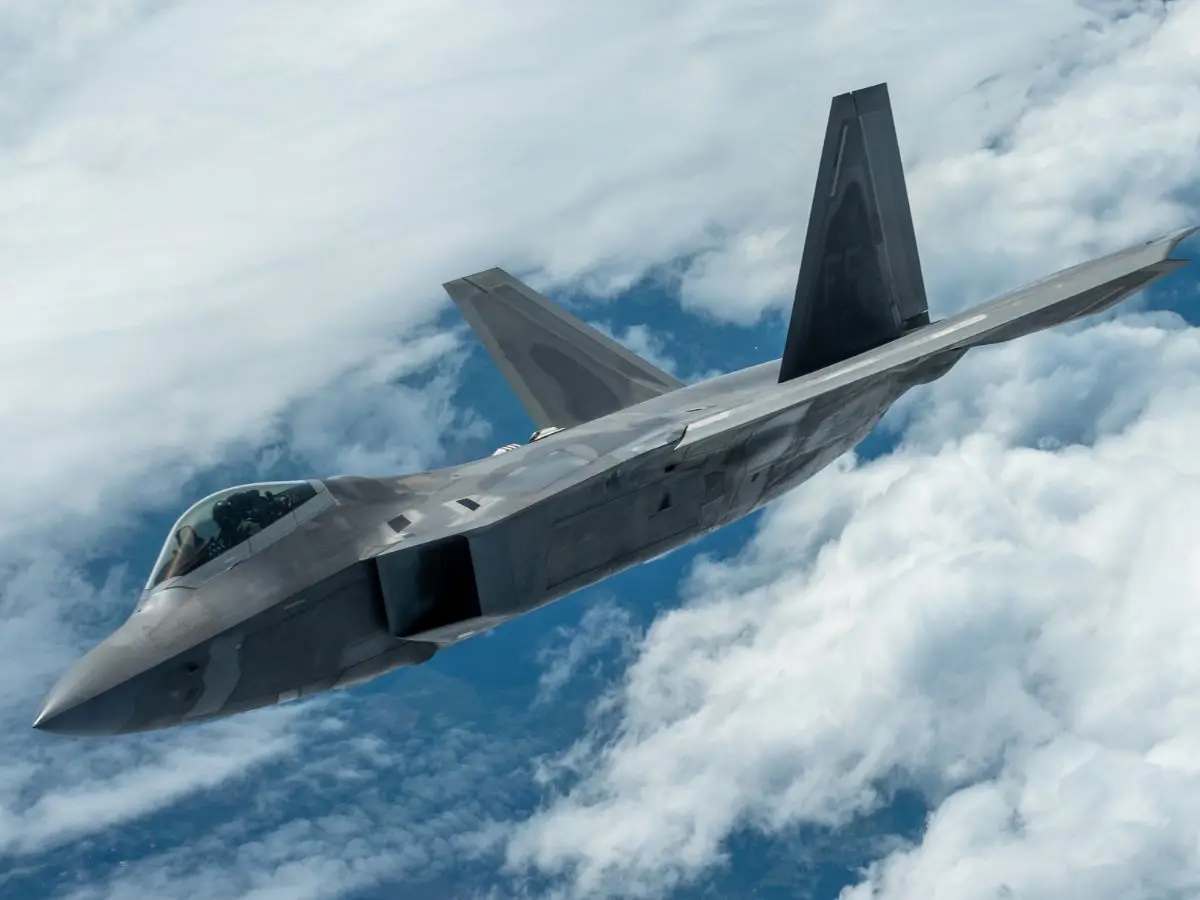
What If the Electronics Fail?
In extreme cases, lightning may disrupt or damage sensitive electronics, but there are back-up systems. Pilots practise handling electric failures and can use manual navigation and communication tools if needed.
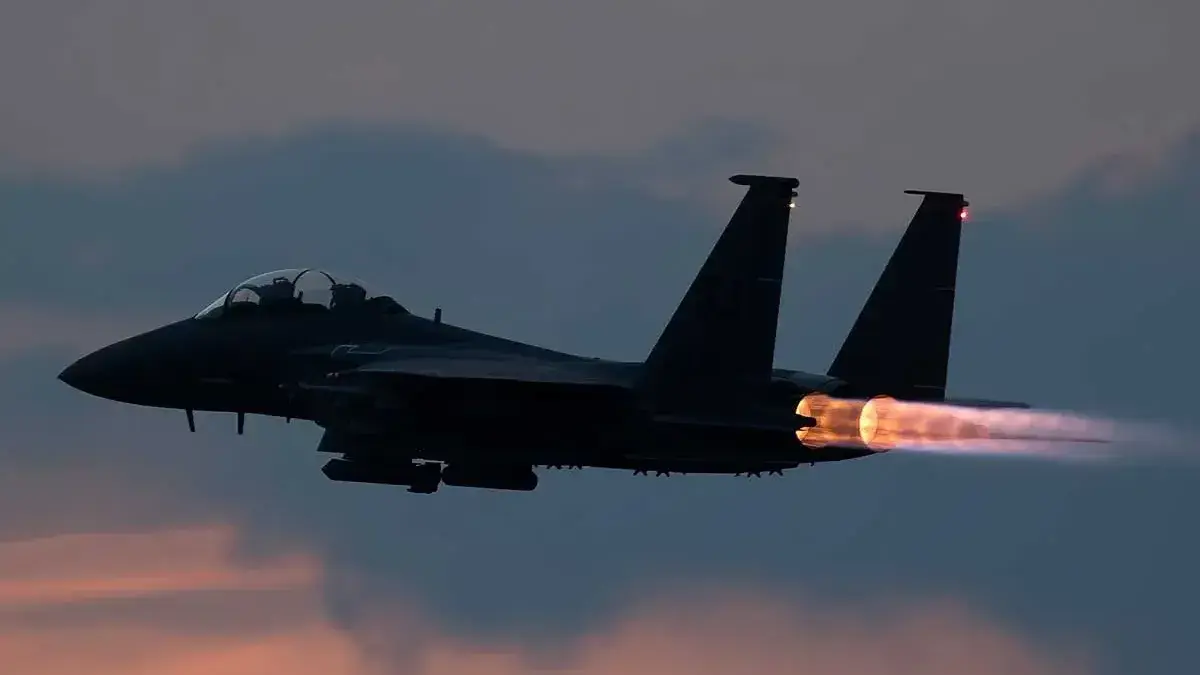
Why Are Lightning Strikes Not Fatal?
In almost all cases, fighter jets survive lightning strikes without injuries to the pilot or major loss of control. Jets are designed for this challenge and pilots receive thorough training.
)
)
)
)
)