Can a fighter jet survive a freefall without power?

Can a fighter jet survive a total engine failure? Pilots call it a dead-stick landing a near-impossible feat where survival depends on skill, quick decisions, and luck. Know how fighter jets glide without power.
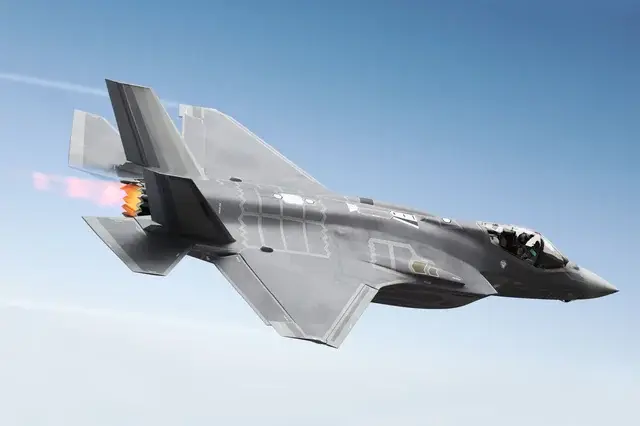
Fighter jet can survive a power-off freefall
A fighter jet can survive a power-off freefall, but it's extremely dangerous and requires perfect pilot skill. Fighter jets are designed to glide when engines fail, but they're not optimised for this type of flight.
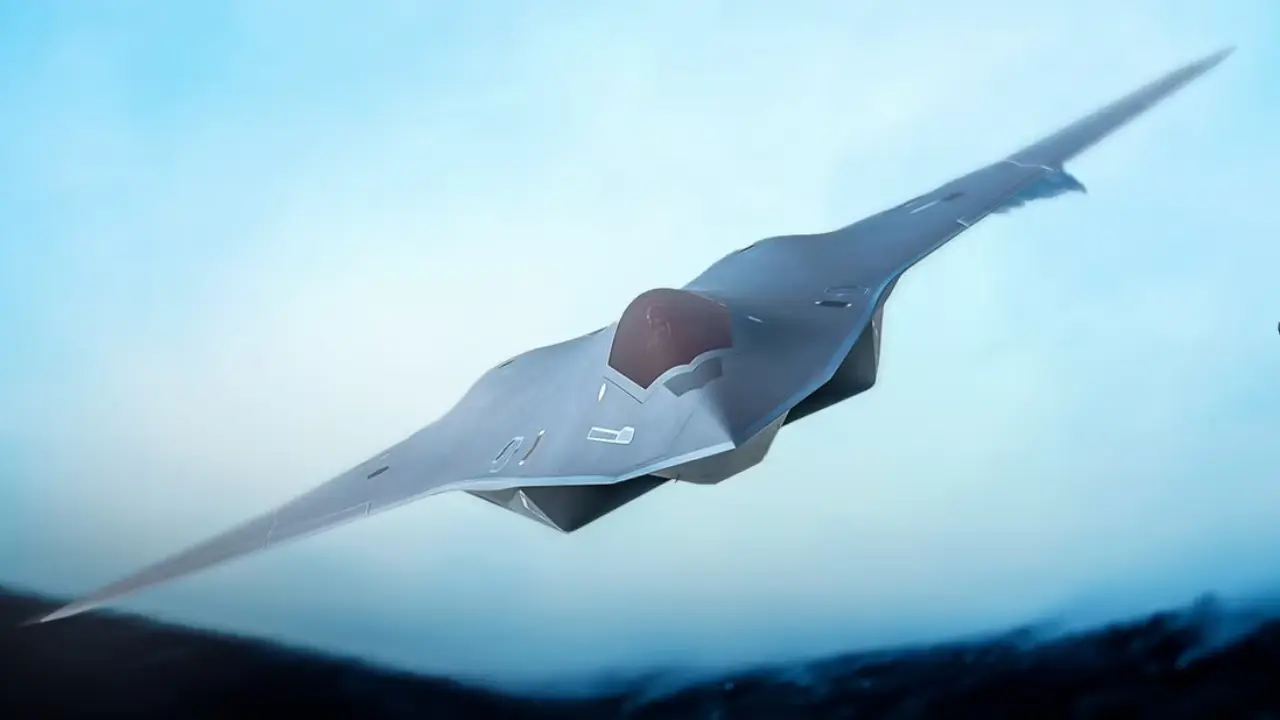
Gliding fighter jets
The glide ratio of fighter jets is poor compared to commercial aircraft. An F-16 has a glide ratio of about 4:1, meaning it can travel 4 kilometres forward for every 1 kilometre of altitude lost. This gives pilots limited options.
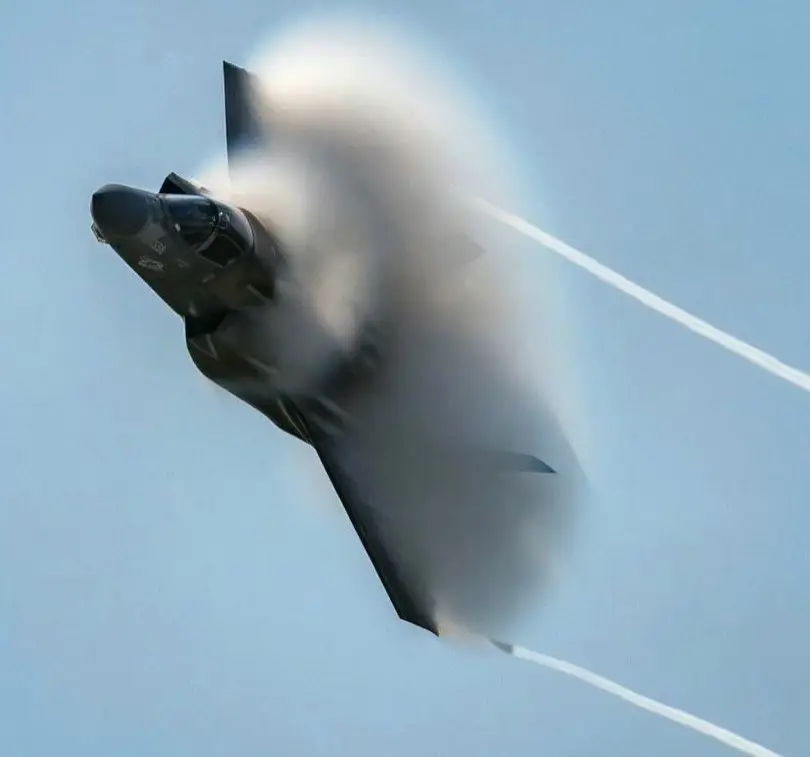
Without power, the pilot loses many critical systems
Hydraulic pressure drops, making control surfaces harder to move. Electrical systems may fail, leaving the pilot without instruments or communications.
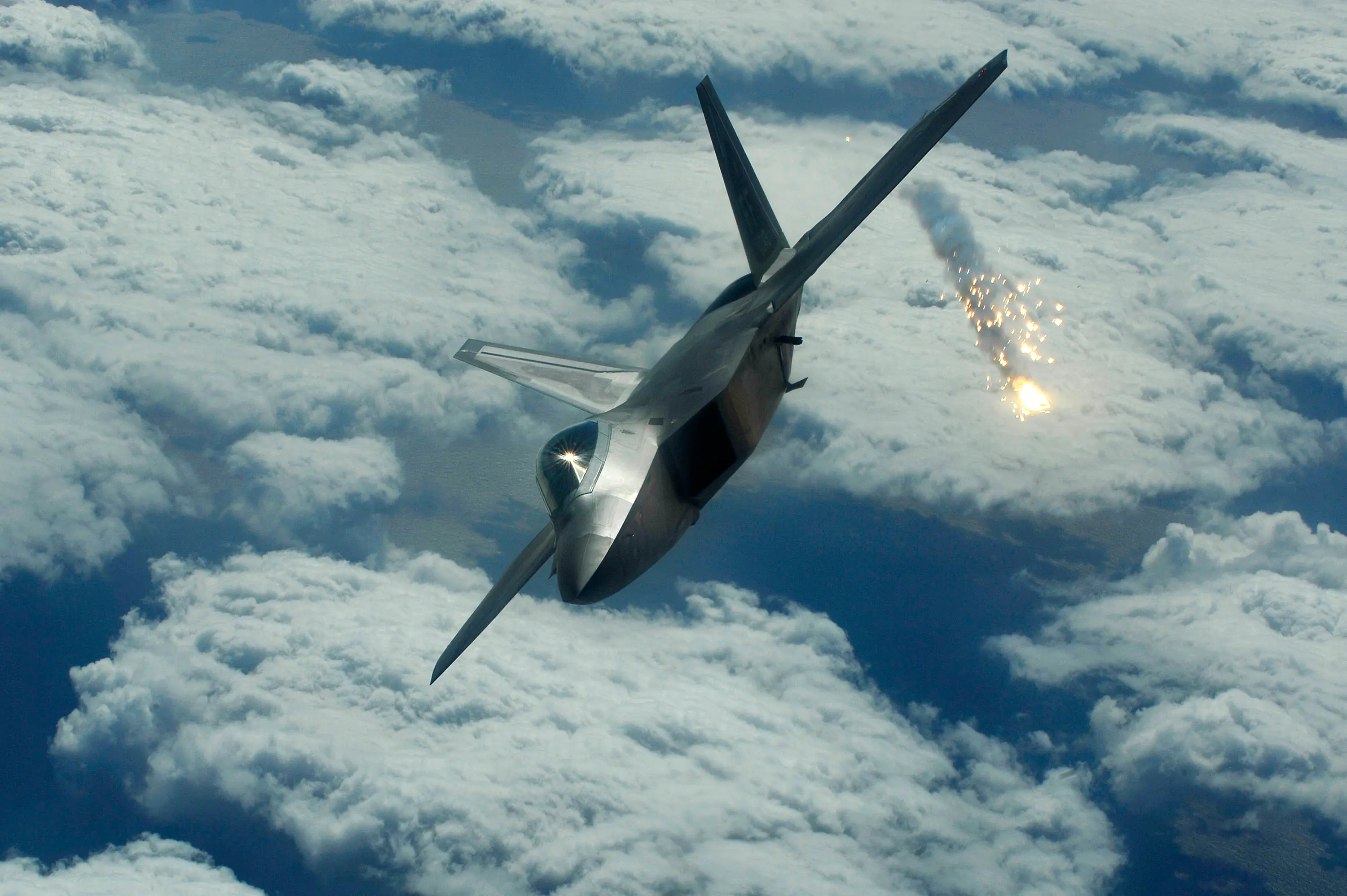
The pilot must find a suitable landing area quickly
Fighter jets need long, smooth runways for safe landings. Without power, the pilot can't go around for another approach if the first attempt fails.
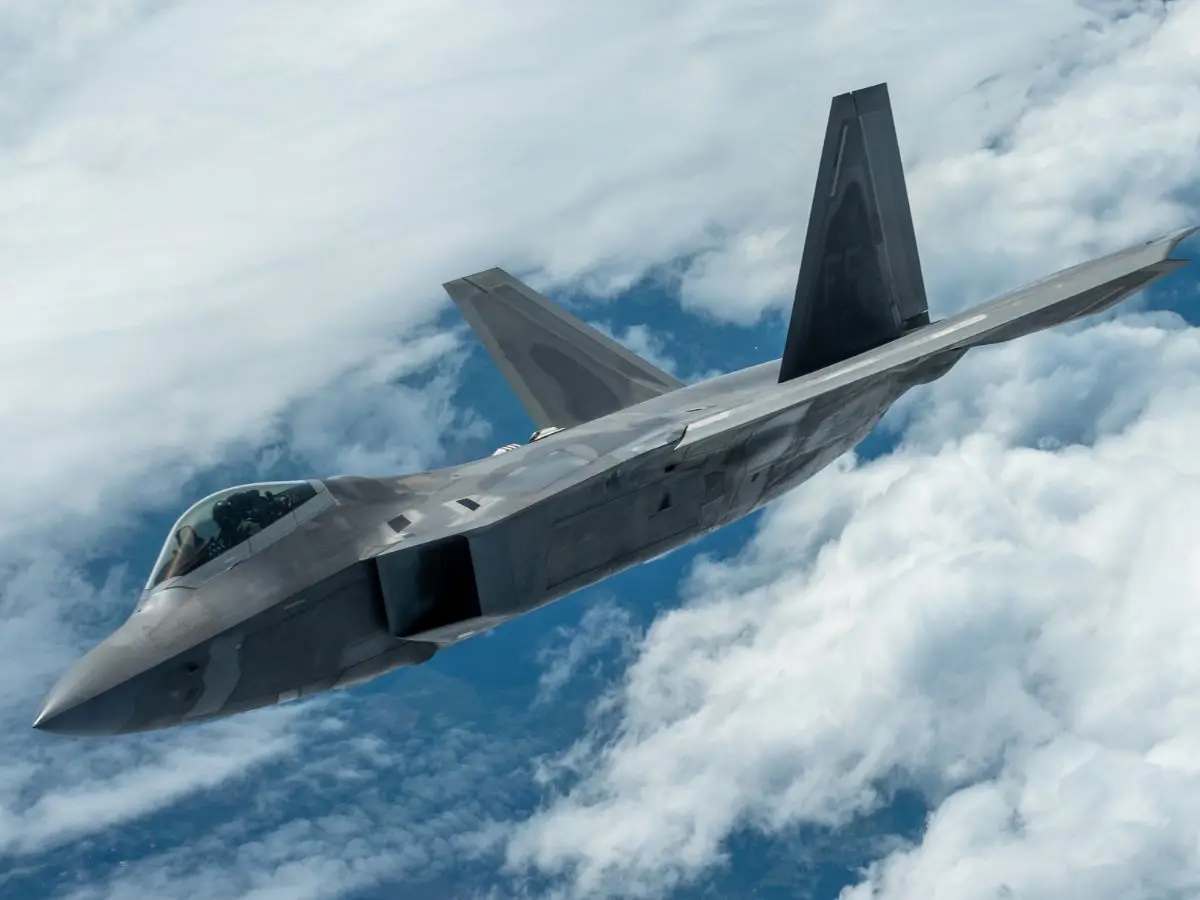
Fighter jets landing without power
Some military pilots have successfully landed fighter jets without power. These "dead-stick" landings are celebrated as remarkable feats of skill. However, they often result in aircraft damage and are extremely risky.
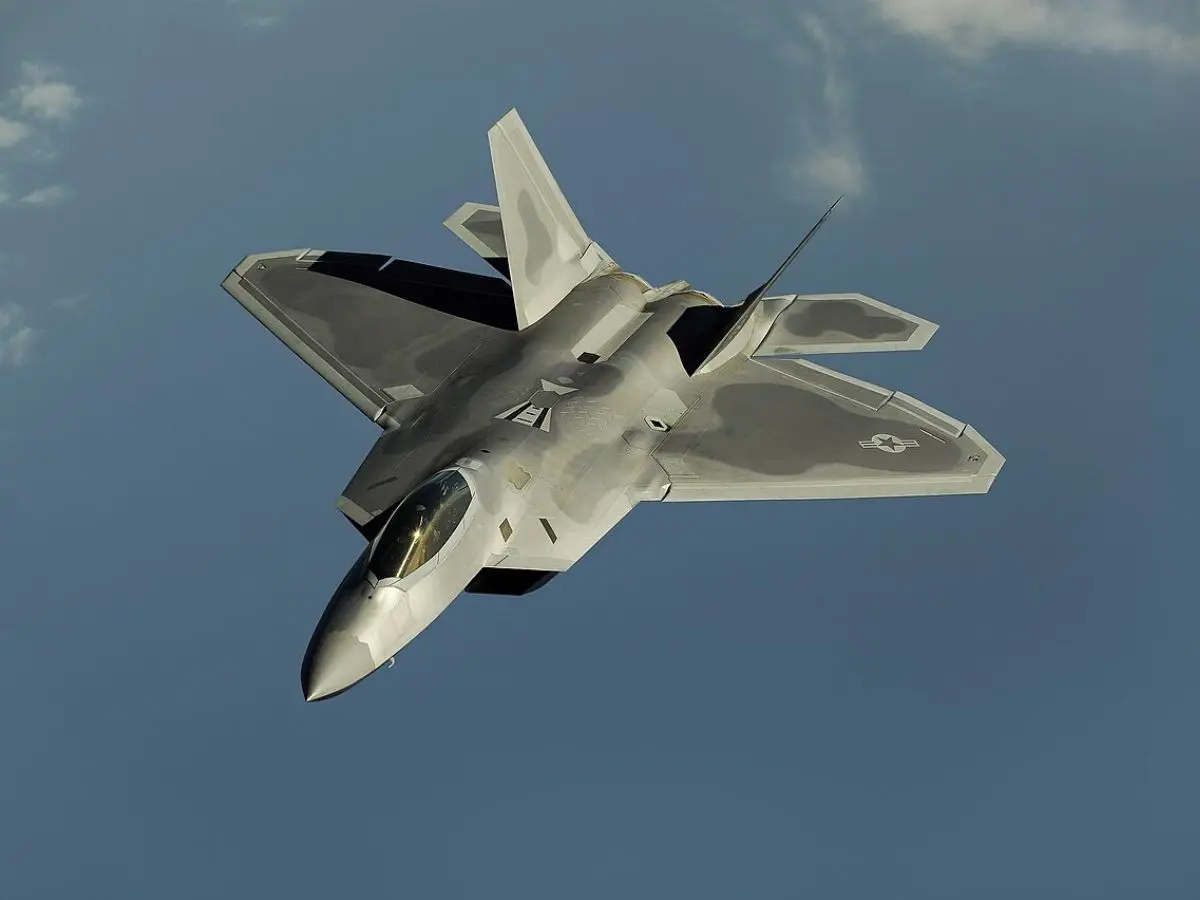
Aircraft's design
The aircraft's design affects survival chances. Jets with good glide characteristics and reliable backup systems have better odds. However, even the best-designed fighter jet becomes difficult to control without power.
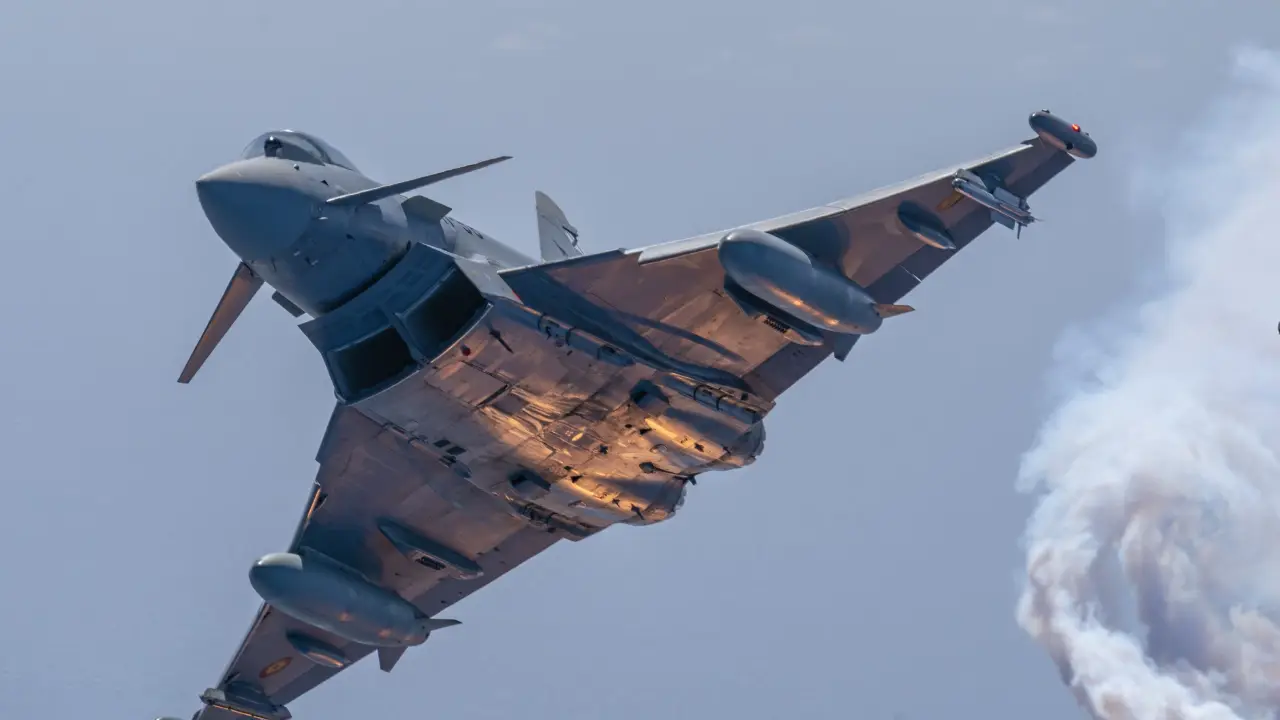
Power-off landings in fighter jets
So while survival is possible, it's not guaranteed. Power-off landings in fighter jets require exceptional pilot skill, favourable conditions, and a fair amount of luck. It's always better to have working engines.
)
)
)
)
)