Can a fighter jet land without a runway?

Not all fighter jets need runways. VTOL and STOVL jets like the Harrier and F-35B can take off and land vertically, even on roads or carriers. Discover how these unique jets work, and why they are vital in modern military operations.
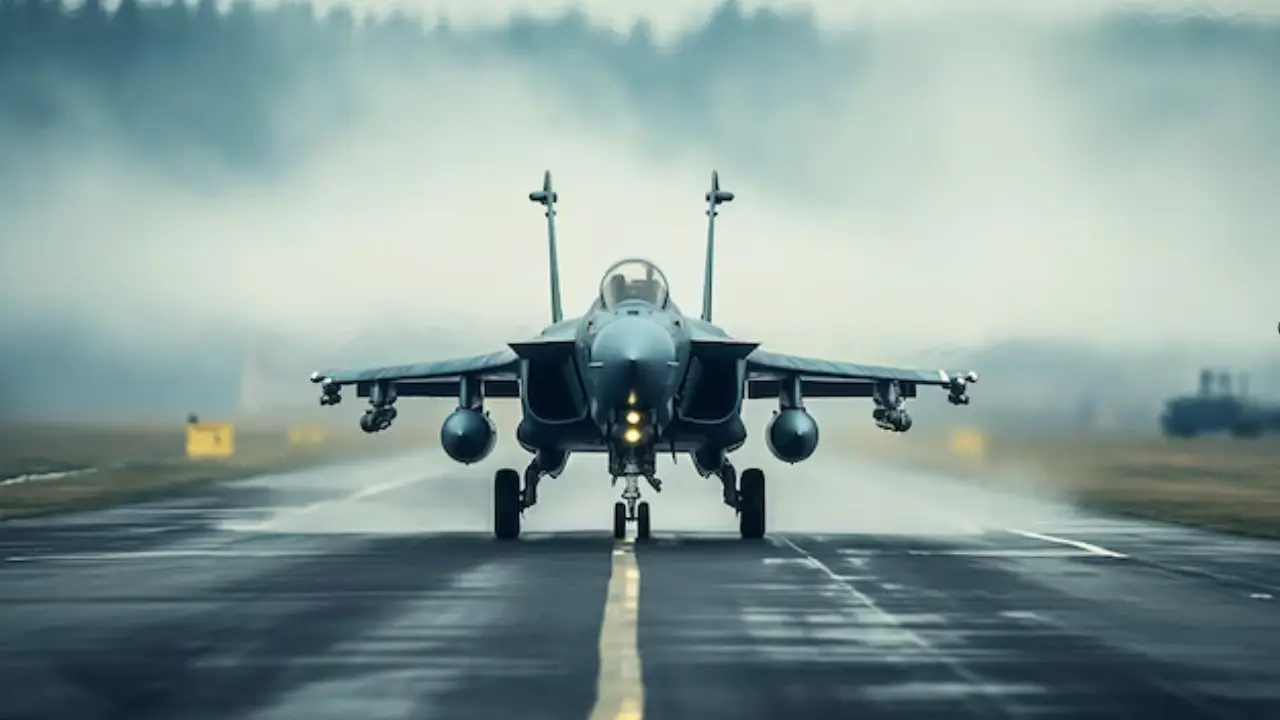
Fighters and Runways: The Usual Way
Most fighter jets need runways to safely take off and land. Because of Their speed and design. But not all fighters follow this.
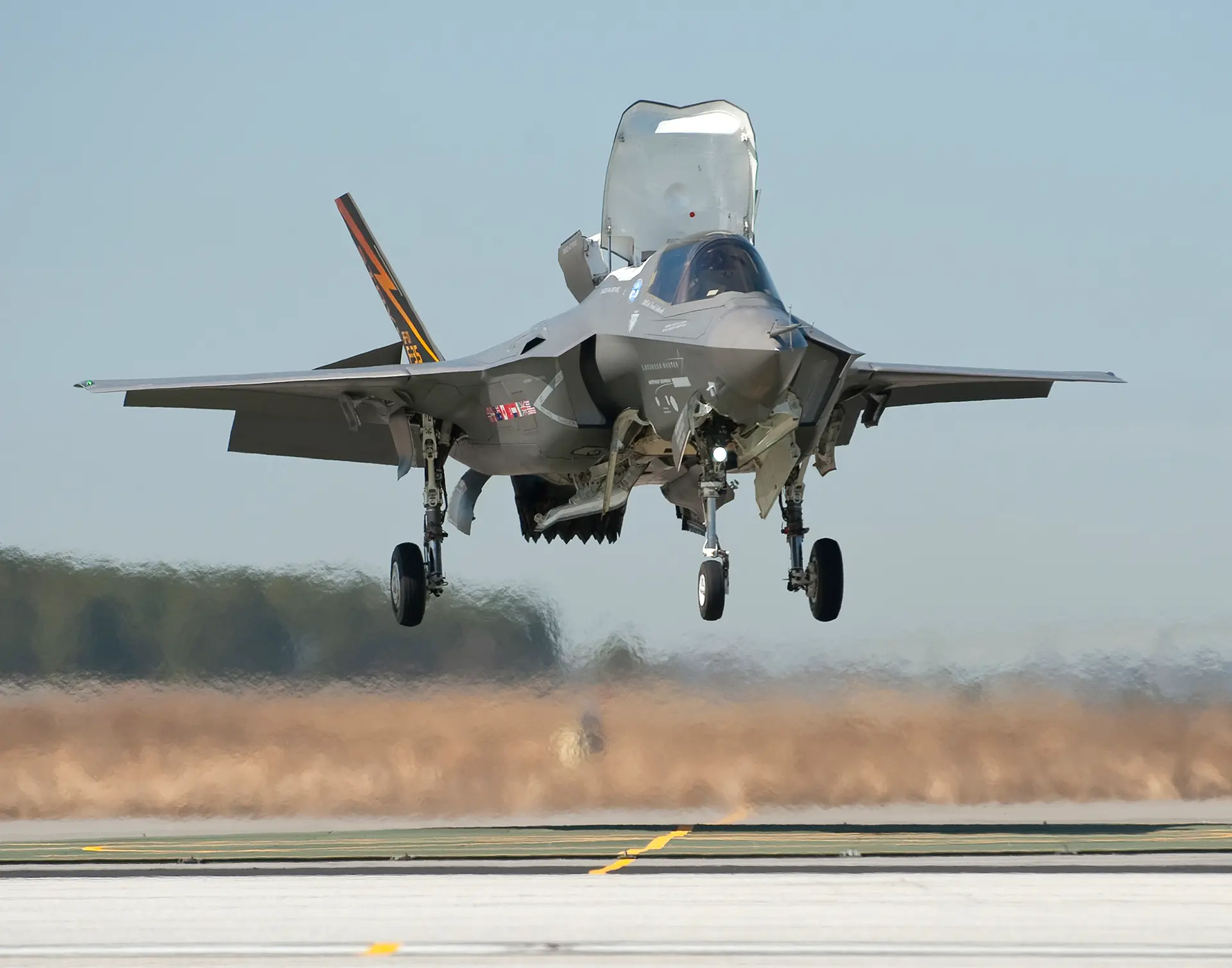
What Are VTOL and STOVL Jets?
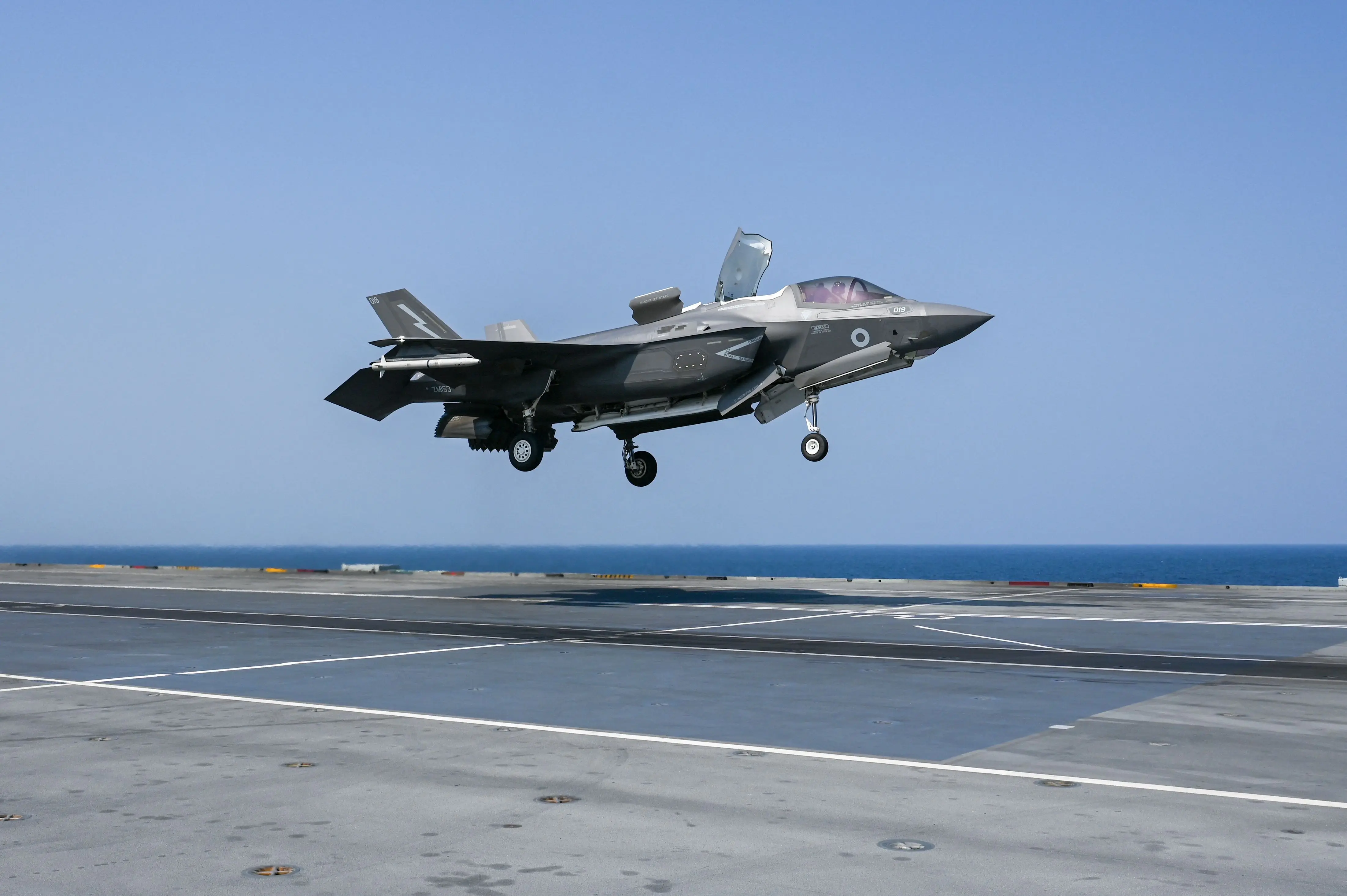
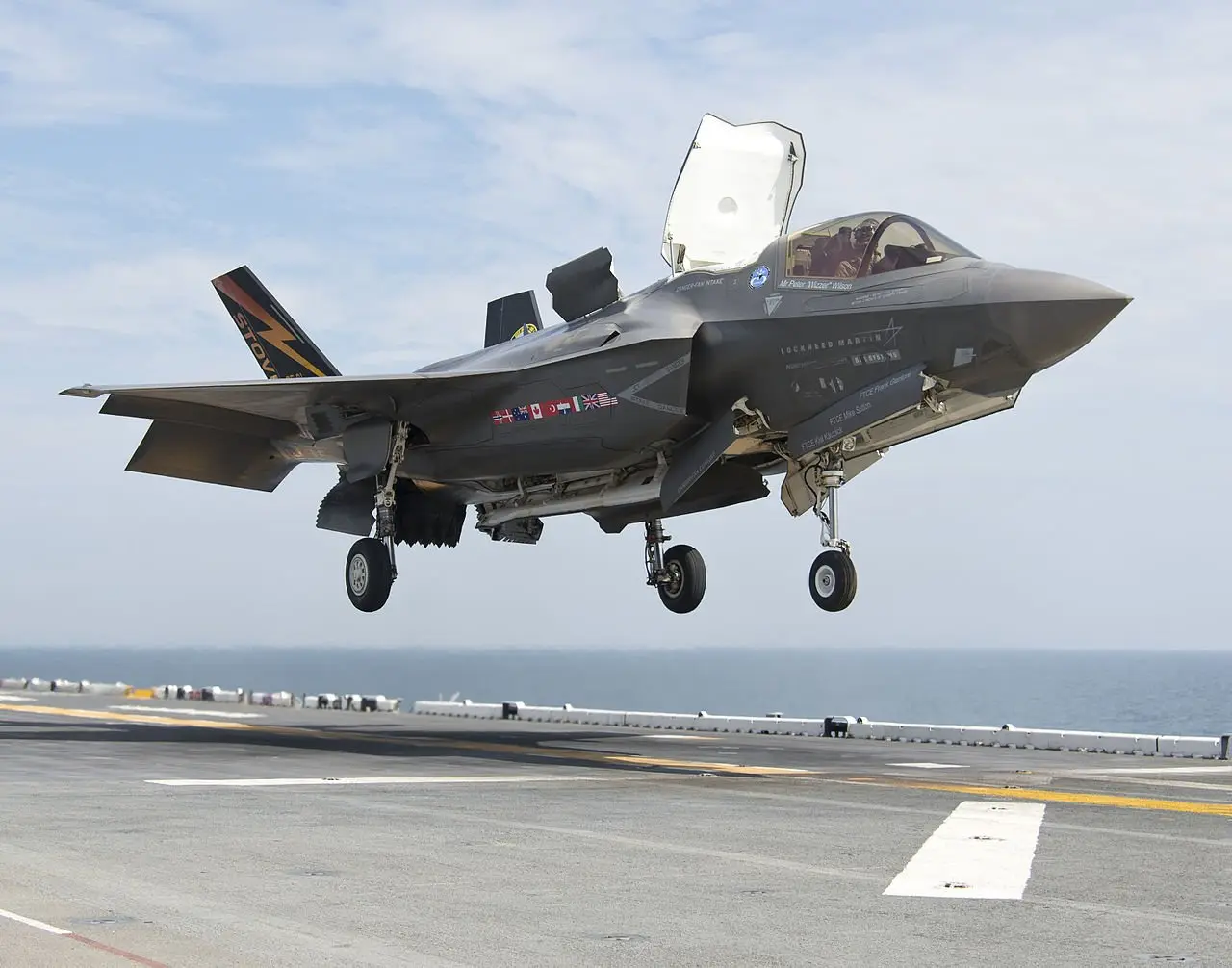
Special jets like the Harrier and F-35B are VTOL or STOVL types. VTOL means Vertical Take-Off and Landing; STOVL means Short Take-Off and Vertical Landing. These jets can hover and land straight down using engine thrust and lift fans.
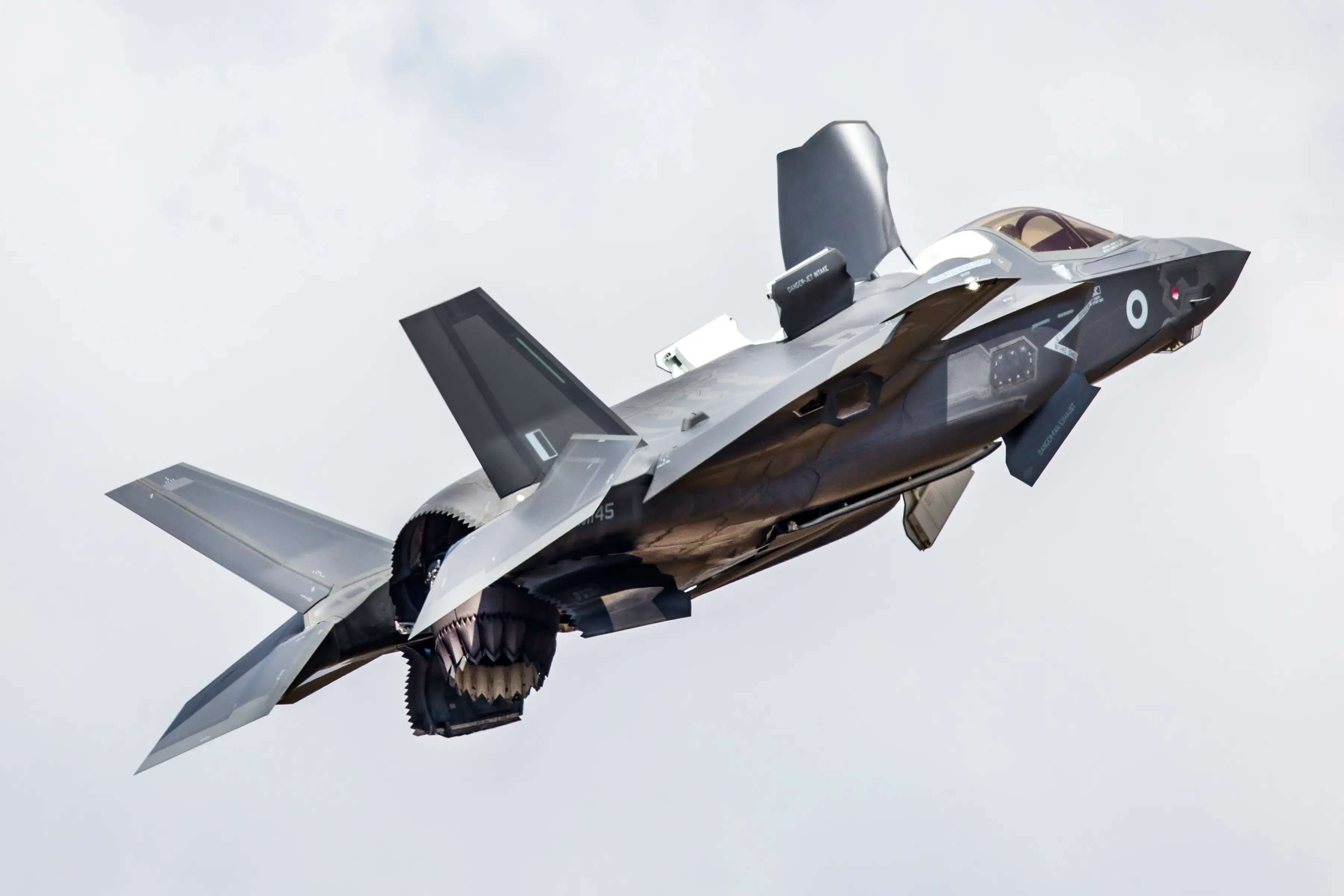
How Do VTOL Jets Land Without a Runway?
VTOL jets use strong engines and specialised fans to slow their descent vertically. This allows them to land on small or unusual places like aircraft carriers, helipads, or even roads, without needing a full runway.
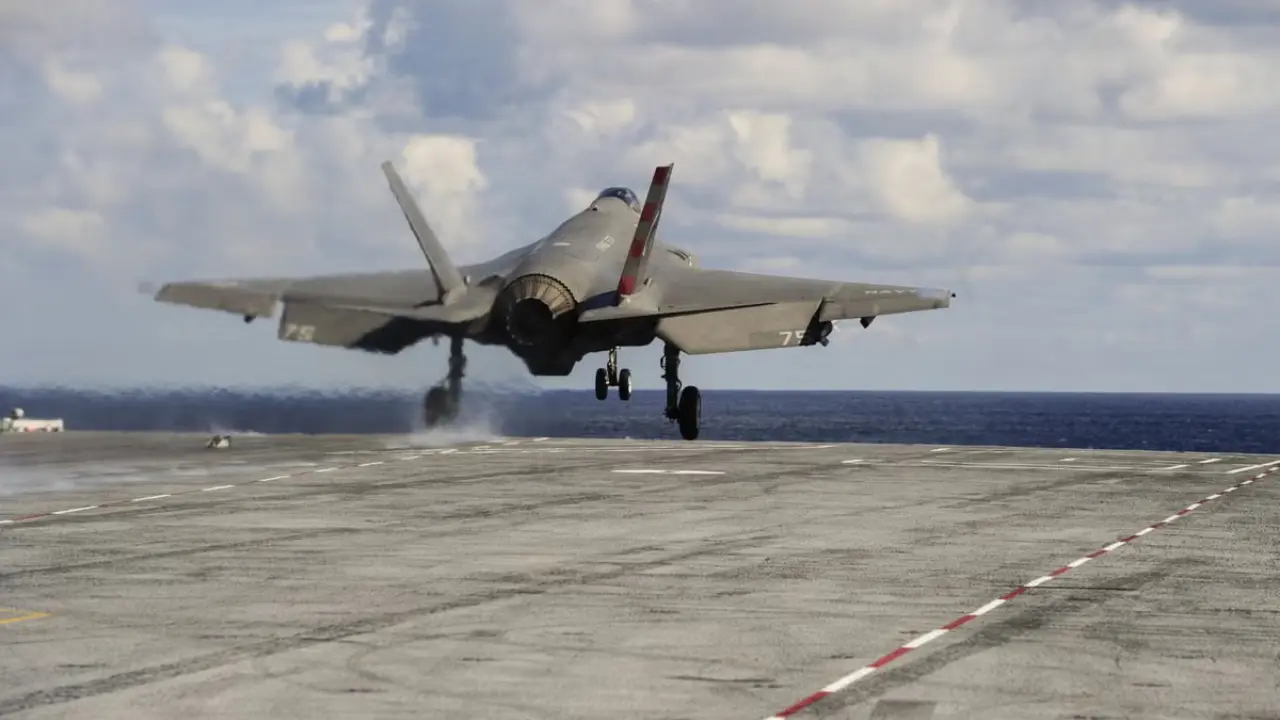
Roads and Highways as Emergency Runways
Some military pilots train to use roads or highways as makeshift runways. Wide, straight stretches can serve as emergency landing sites for fighters jets. Yet, this is risky and done only in emergencies.
Risks of Non-Traditional Landings
Landing on dirt, grass or unprepared strips is dangerous and not recommended for modern jets. The engines and landing gear cannot handle uneven terrain. Even VTOL jets usually prefer solid, prepared surfaces to prevent damage.
Why VTOL Benefits Military Operations
Being able to land without runways makes STOVL jets very useful in warzones with damaged or no airstrips. It allows forward deployment closer to battles, quicker repairs, and less dependency on airports.
)
)
)
)
)