Can a fighter jet hover in one place?

Specific STOVL fighter jets like the USD 100 million F-35B and the Harrier can hover mid-air using thrust vectoring and massive lift fans. This vertical capability allows operations from small ships but burns extreme fuel and restricts payload.
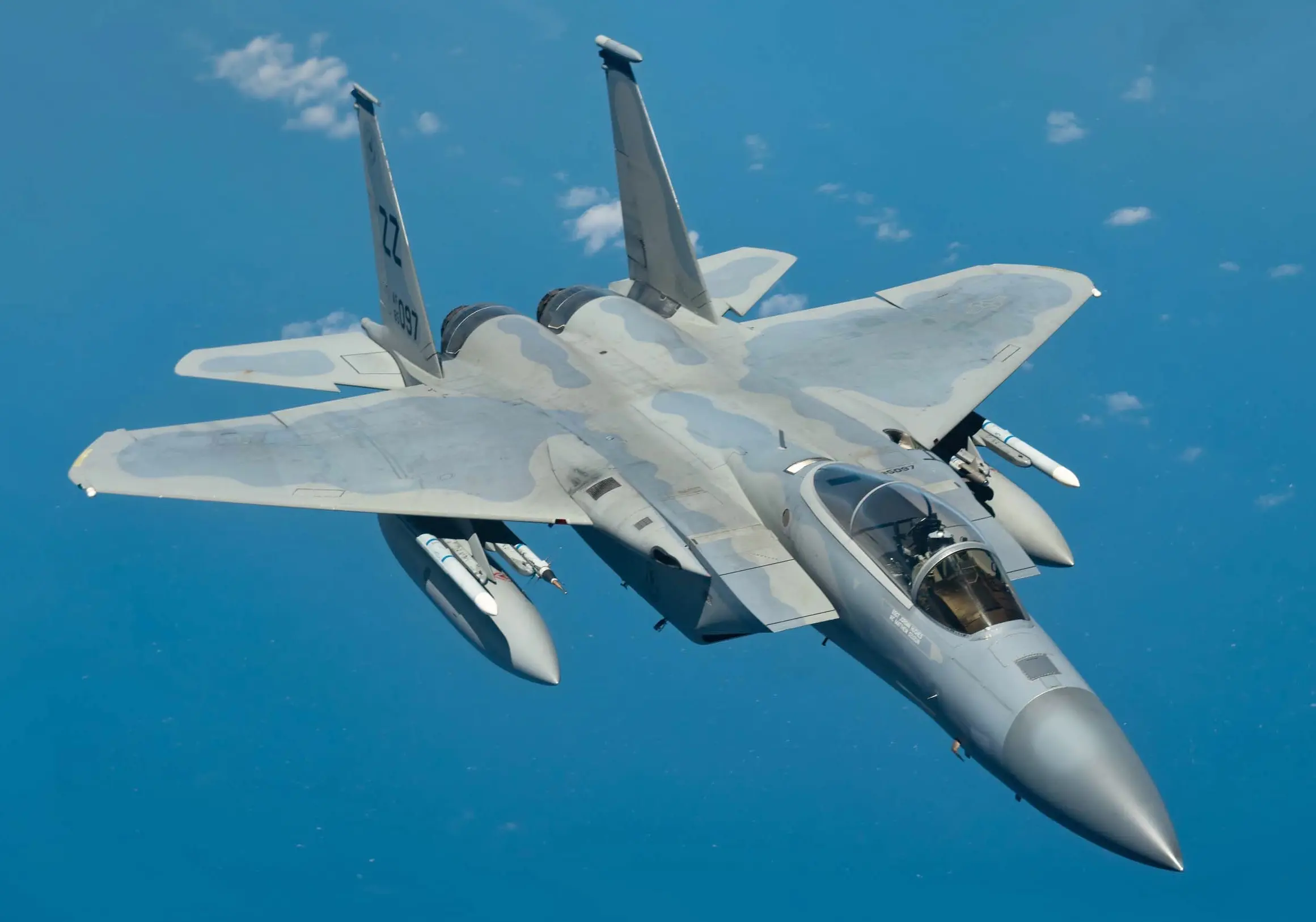
The STOVL Capability
Not all fighter jets can hover, but specific variants designed for Short Takeoff and Vertical Landing (STOVL) absolutely can. Aircraft like the USD 100 million F-35B Lightning II are engineered to stop mid-air and descend vertically like a helicopter.
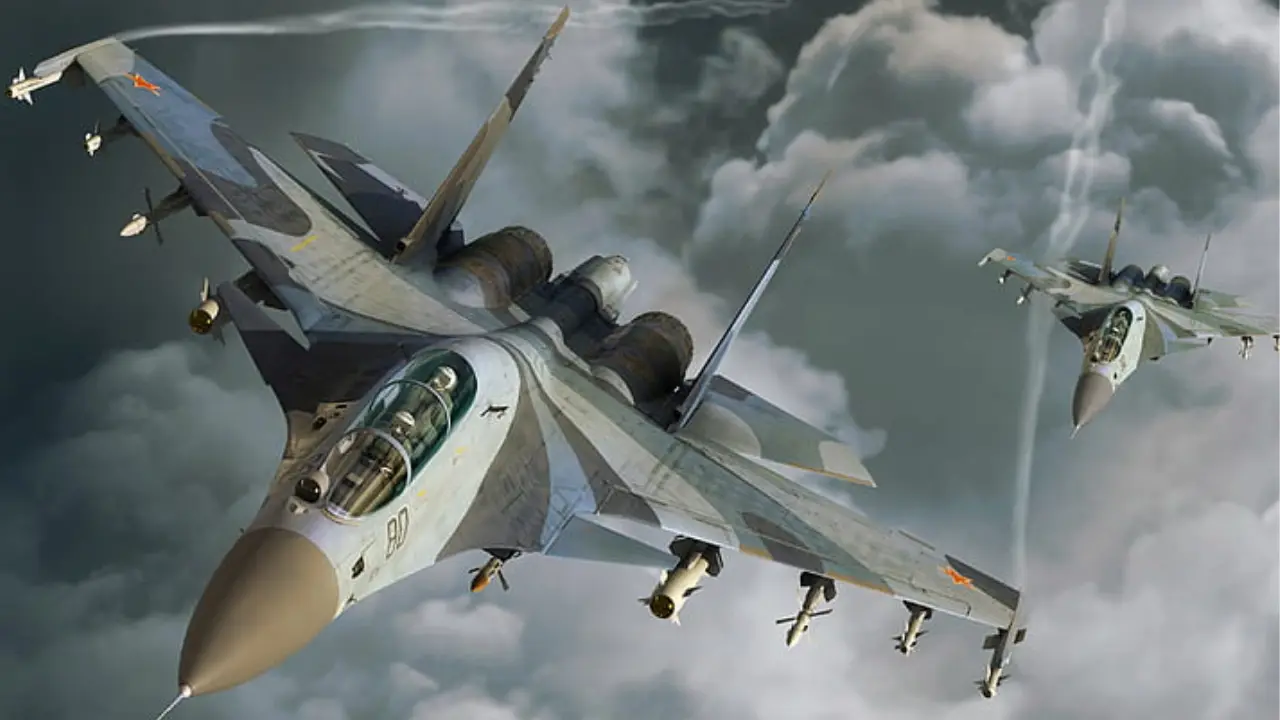
The Lift Fan Secret
To achieve a stable hover, the F-35B utilises a massive lift fan installed directly behind the pilot's cockpit. This fan is driven by a shaft connected to the main engine, working alongside a rear exhaust nozzle that swivels 95 degrees downward to create a perfectly balanced column of thrust.
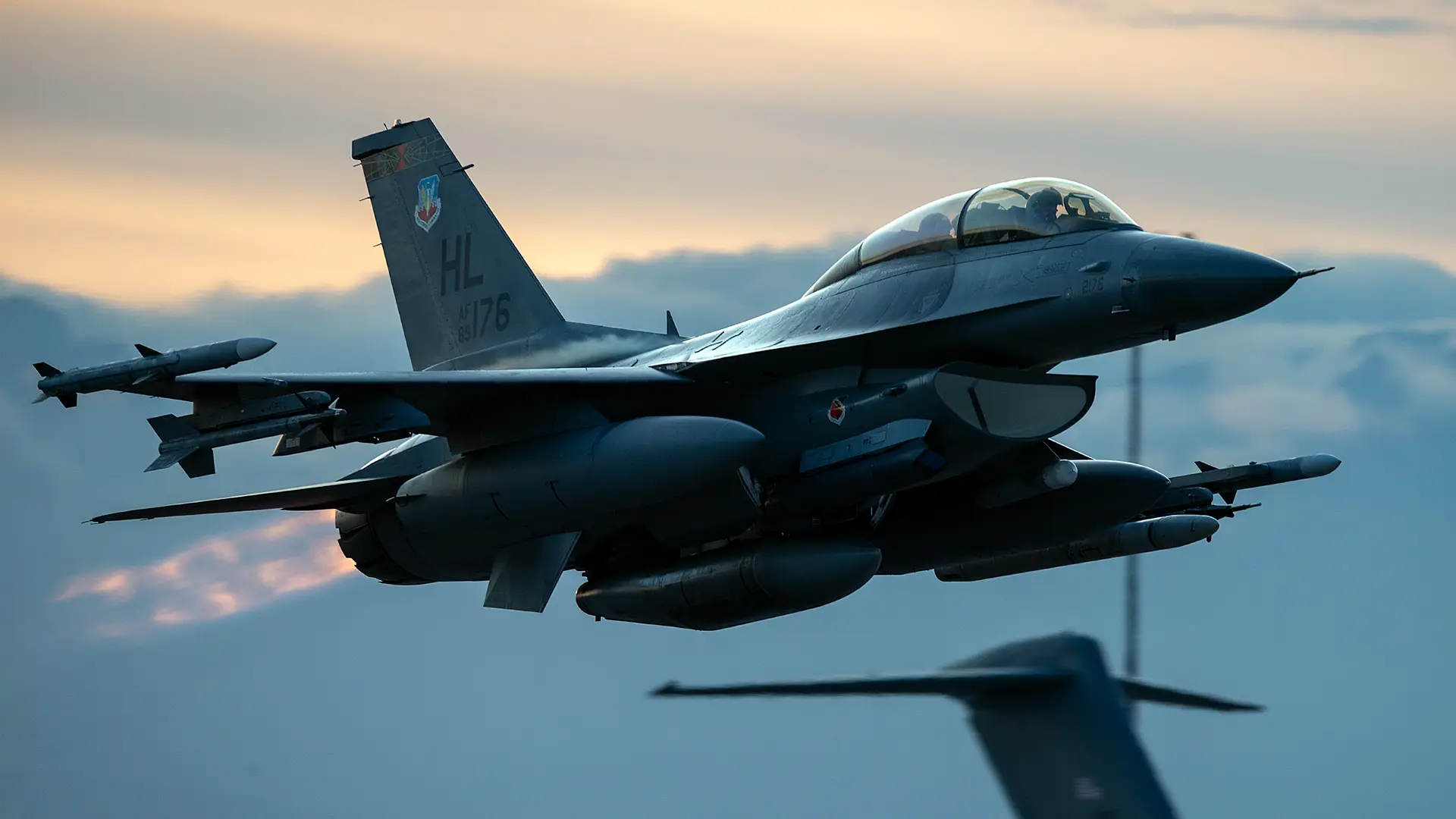
The Harrier Legacy
Decades before the F-35, the British-designed AV-8B Harrier pioneered mid-air hovering using a unique thrust vectoring system. By rotating four distinct exhaust nozzles downwards, the Harrier directed its immense engine thrust directly toward the ground to achieve vertical flight.
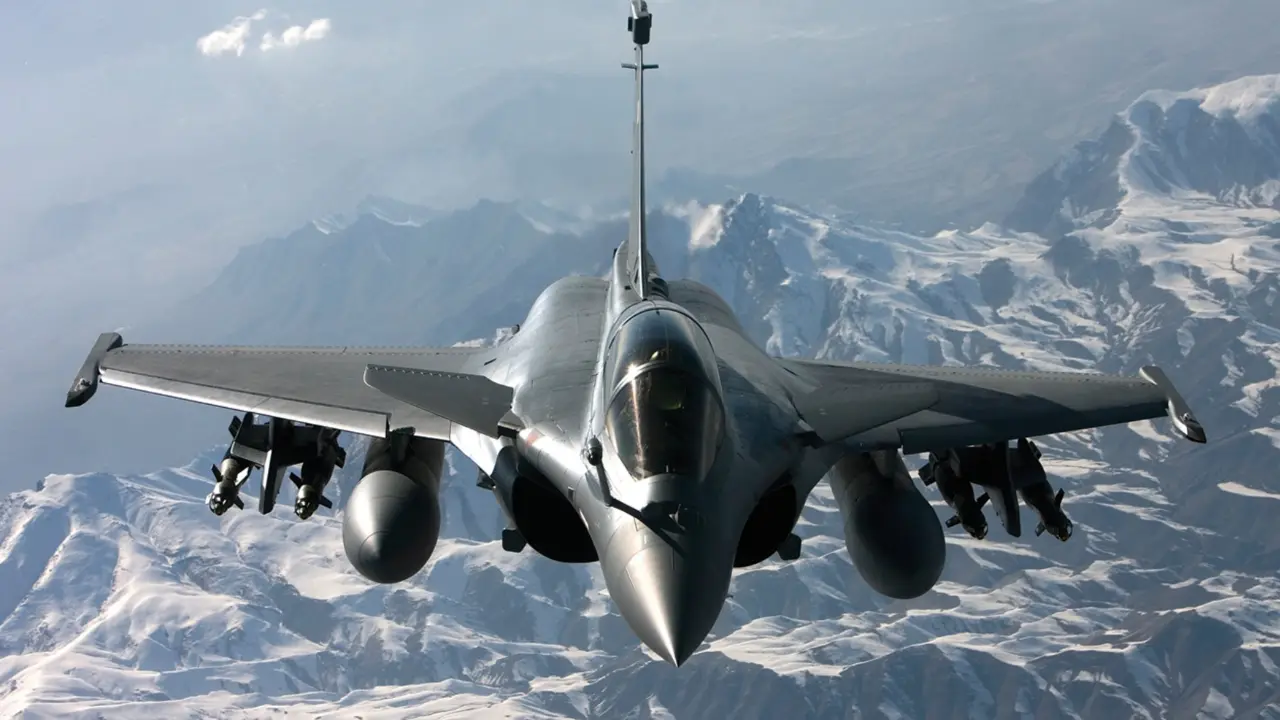
Melting the Tarmac
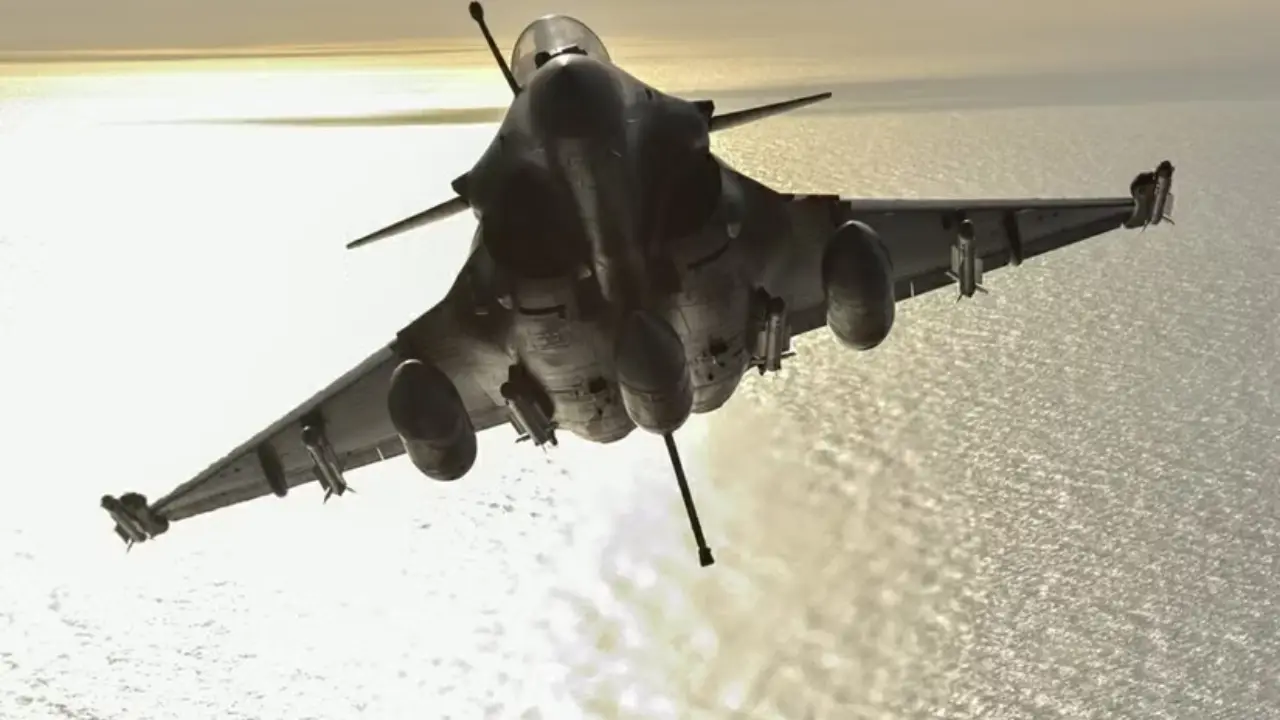
Hovering a 20-tonne fighter jet requires the turbofan engine to operate at maximum power, generating extreme thermal exhaust. The downward blast from an F-35B is so intensely hot that it can literally melt standard airport tarmac and warp unreinforced naval flight decks.
The Fuel Burn Penalty
While tactically impressive, hovering is an aerodynamic nightmare that burns through aviation fuel at a staggering rate. Pilots strictly limit hover times to mere minutes during landing, as prolonged vertical flight would instantly drain the multi-million dollar aircraft's fuel reserves.
Payload Restrictions
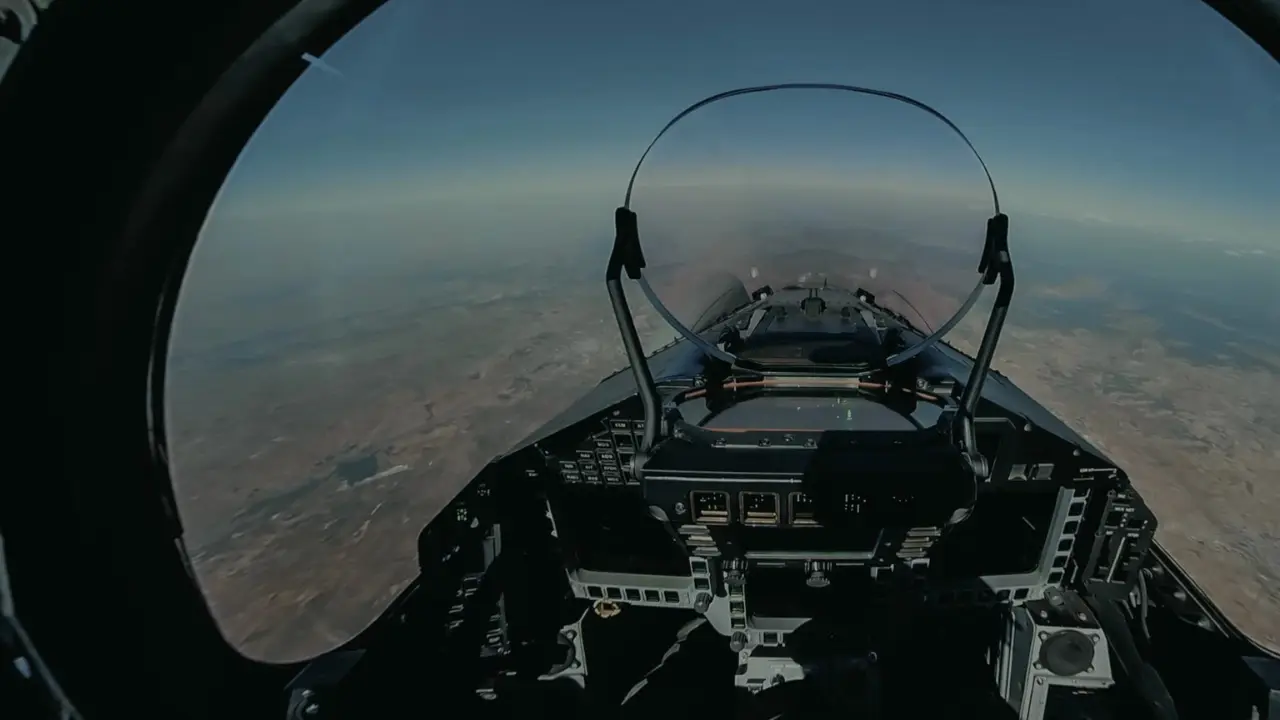
A fighter jet cannot hover with a full load of heavy bombs because the vertical thrust must safely exceed the aircraft's total gravitational weight. Before executing a vertical landing, STOVL jets must often burn off excess fuel or drop unspent munitions to become light enough to hover.
The Tactical Advantage
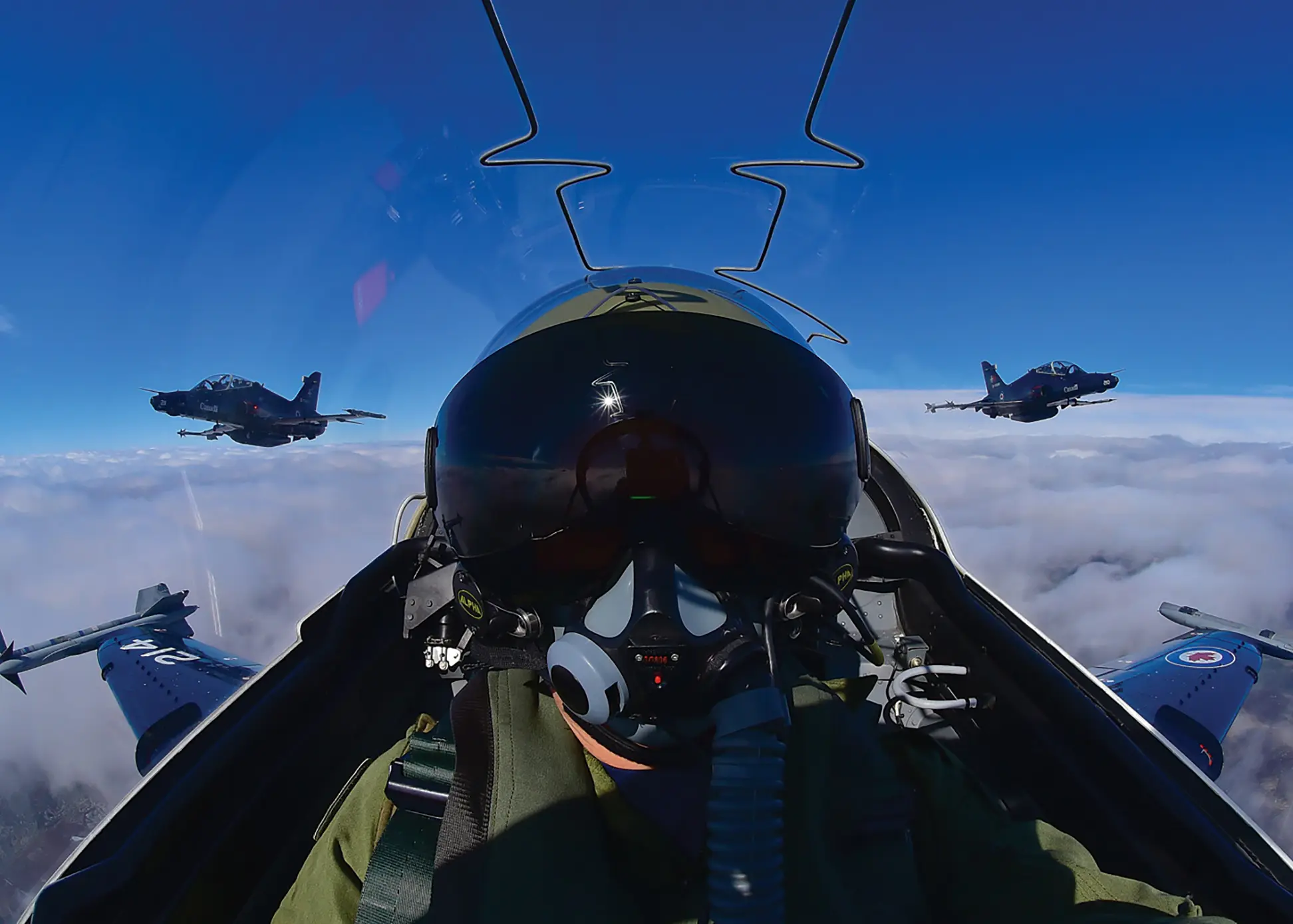
Hovering allows fifth-generation stealth fighters to operate from small amphibious assault ships or bomb-damaged airstrips without needing a two-mile runway. This unique vertical capability ensures that marine expeditionary forces can launch immediate air support from practically anywhere on Earth.
)
)
)
)
)