Can a fighter jet fly upside down for long?

Fighter jets can fly upside down, but are strictly limited to 60 seconds. Prolonged inverted flight starves the engine of gravity-fed fuel and oil. Pilots use this orientation only for rapid evasive dives, avoiding catastrophic mechanical failures.
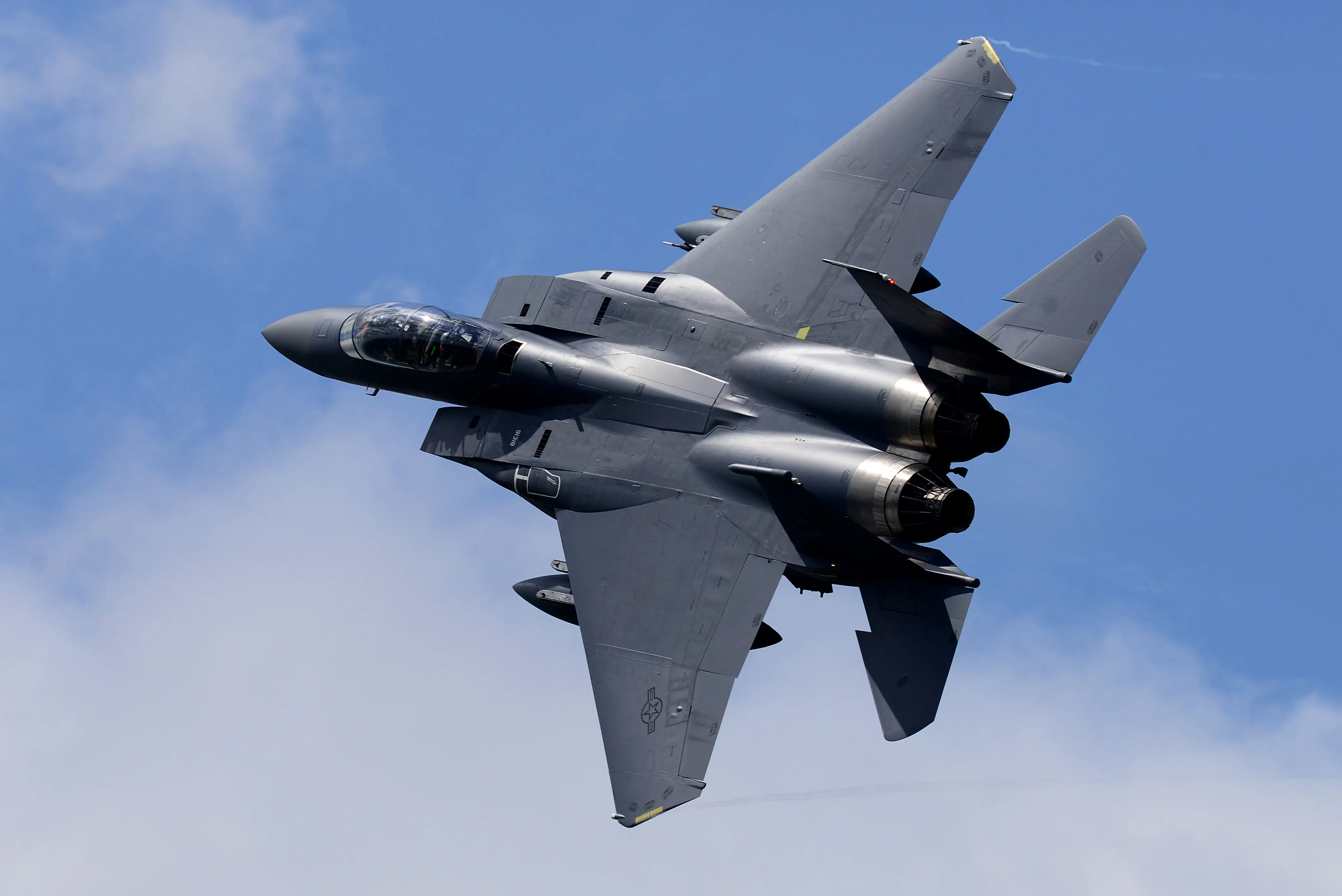
The Aerodynamic Reality
Modern fighter jets possess near-symmetrical wings that generate lift regardless of their orientation. While the aerodynamics easily allow a multi-million dollar aircraft to fly upside down, the internal mechanics dictate a strict time limit.
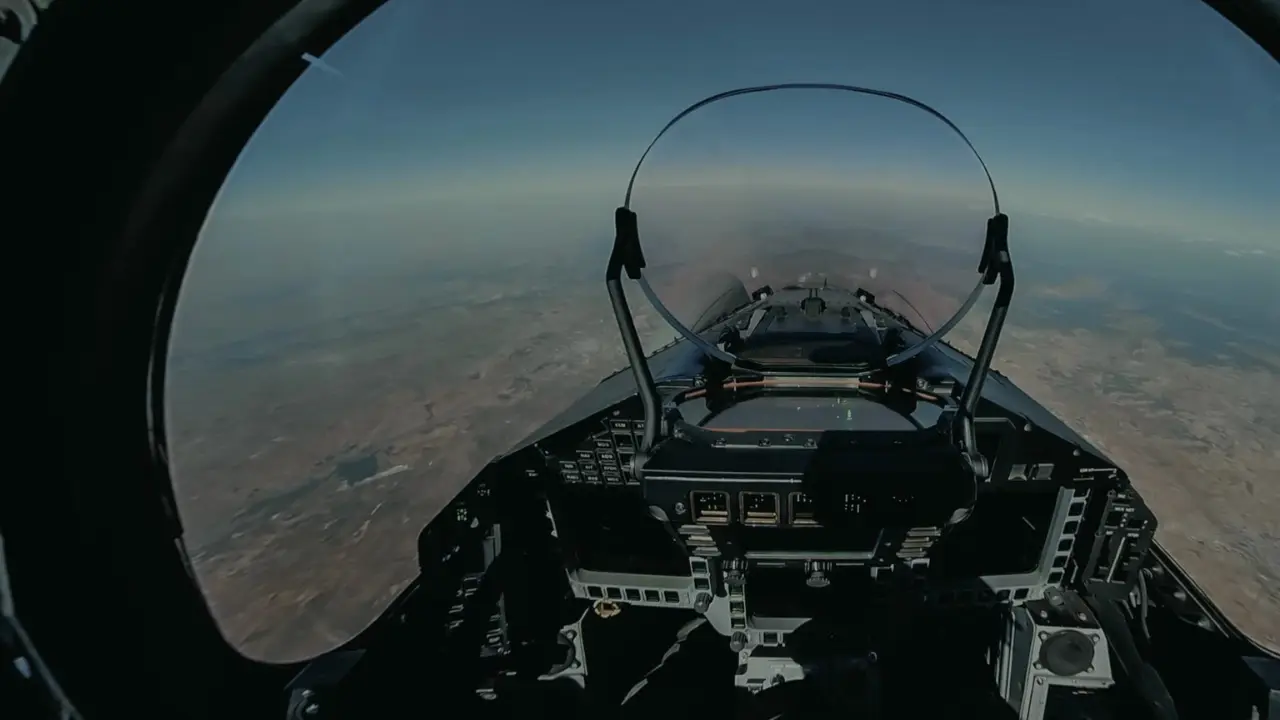
Starving the Engine
Jet fuel and oil reservoirs rely heavily on gravity to feed the high-pressure pumps. When inverted, these fluids rush to the top of the tanks, threatening to instantly starve the turbofan engine of combustible fuel.
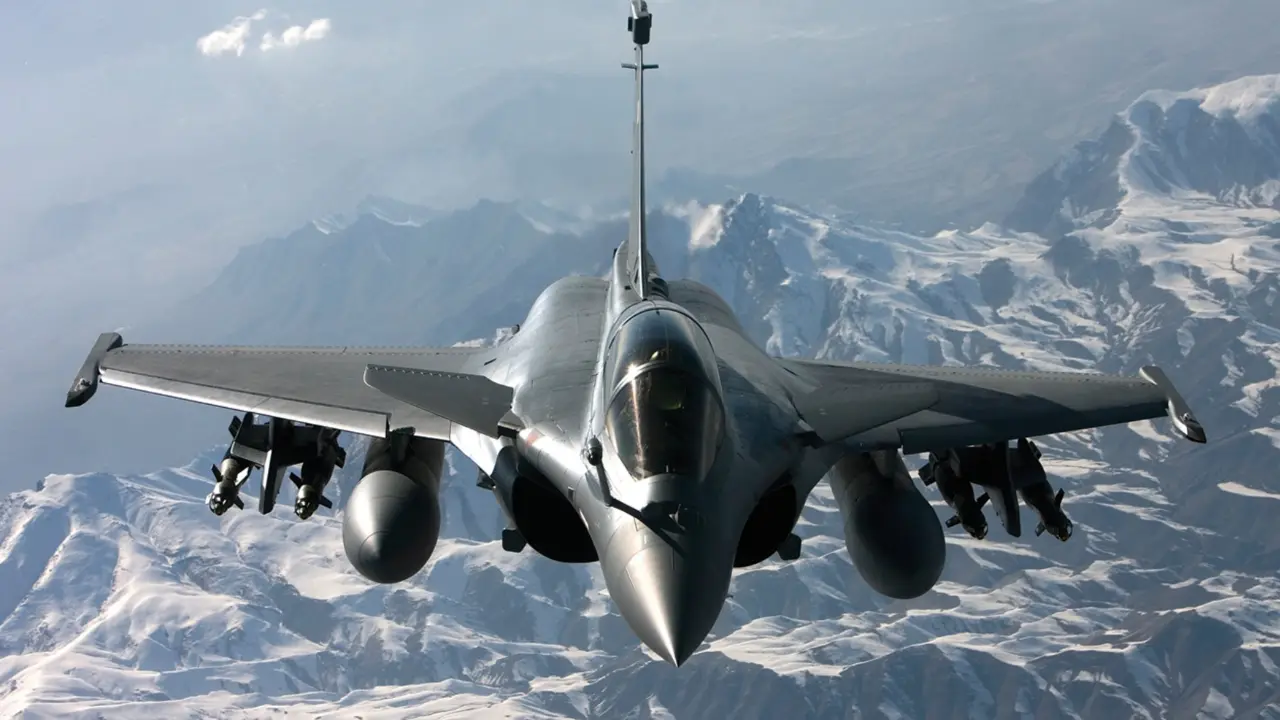
The 30-Second Limit
To prevent mid-air engine flameouts, aerospace engineers install small ‘accumulator’ tanks that artificially pump fuel while inverted. However, this emergency supply restricts most advanced fighters to just 30 to 60 seconds of continuous upside-down flight.
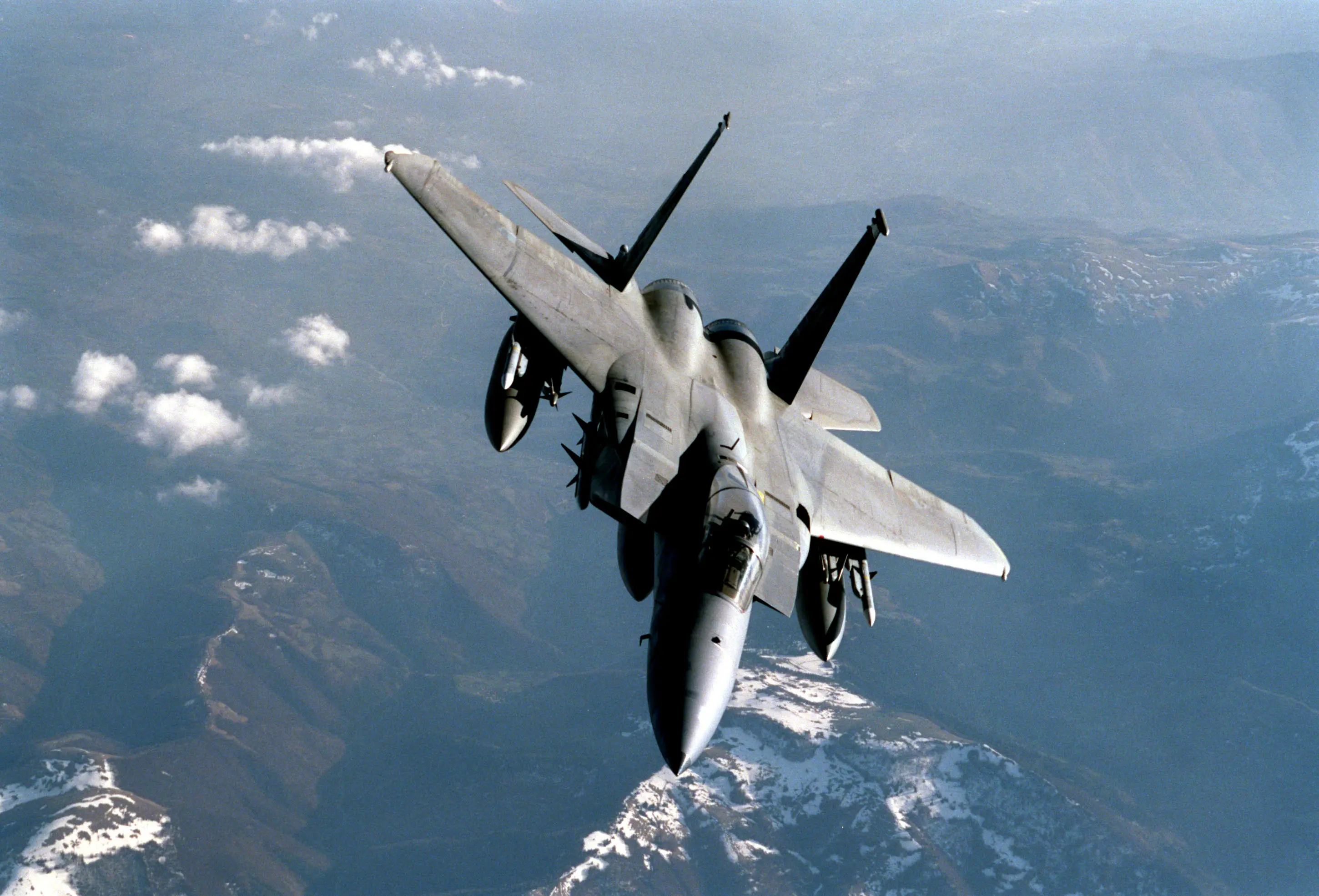
Oil Pressure Collapse
Beyond fuel starvation, prolonged inverted flight severely disrupts engine lubrication. Without gravity pooling oil at the bottom of the reservoir, the turbine bearings will quickly run dry, risking a catastrophic engine seizure.
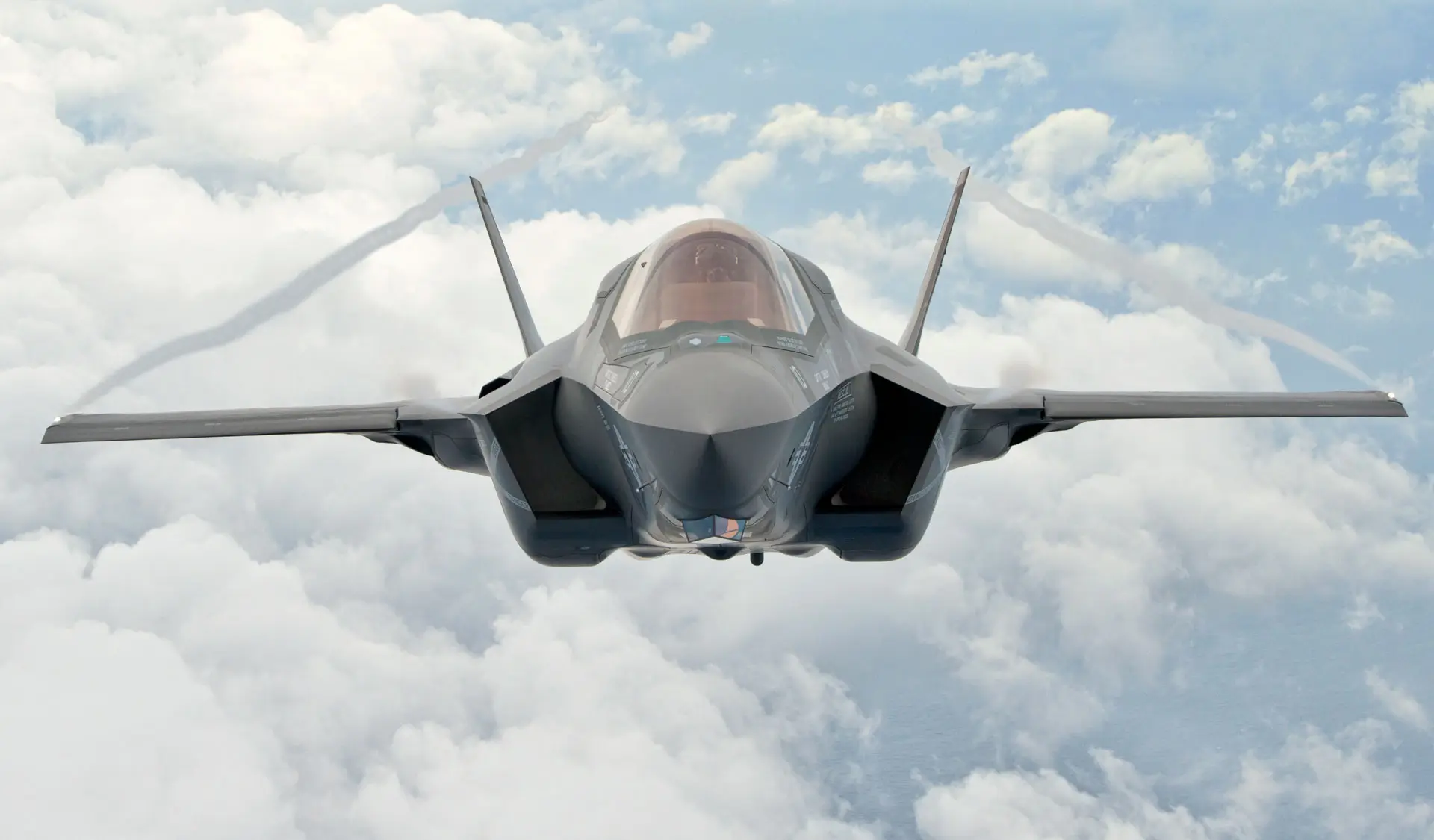
The 'Red-Out' Threat
Flying upside down subjects the pilot to intense negative G-forces, driving blood violently into the skull. Unlike pulling positive Gs, the human body cannot physically tolerate this blood pooling, leading to burst vessels and a dangerous ‘red-out’.
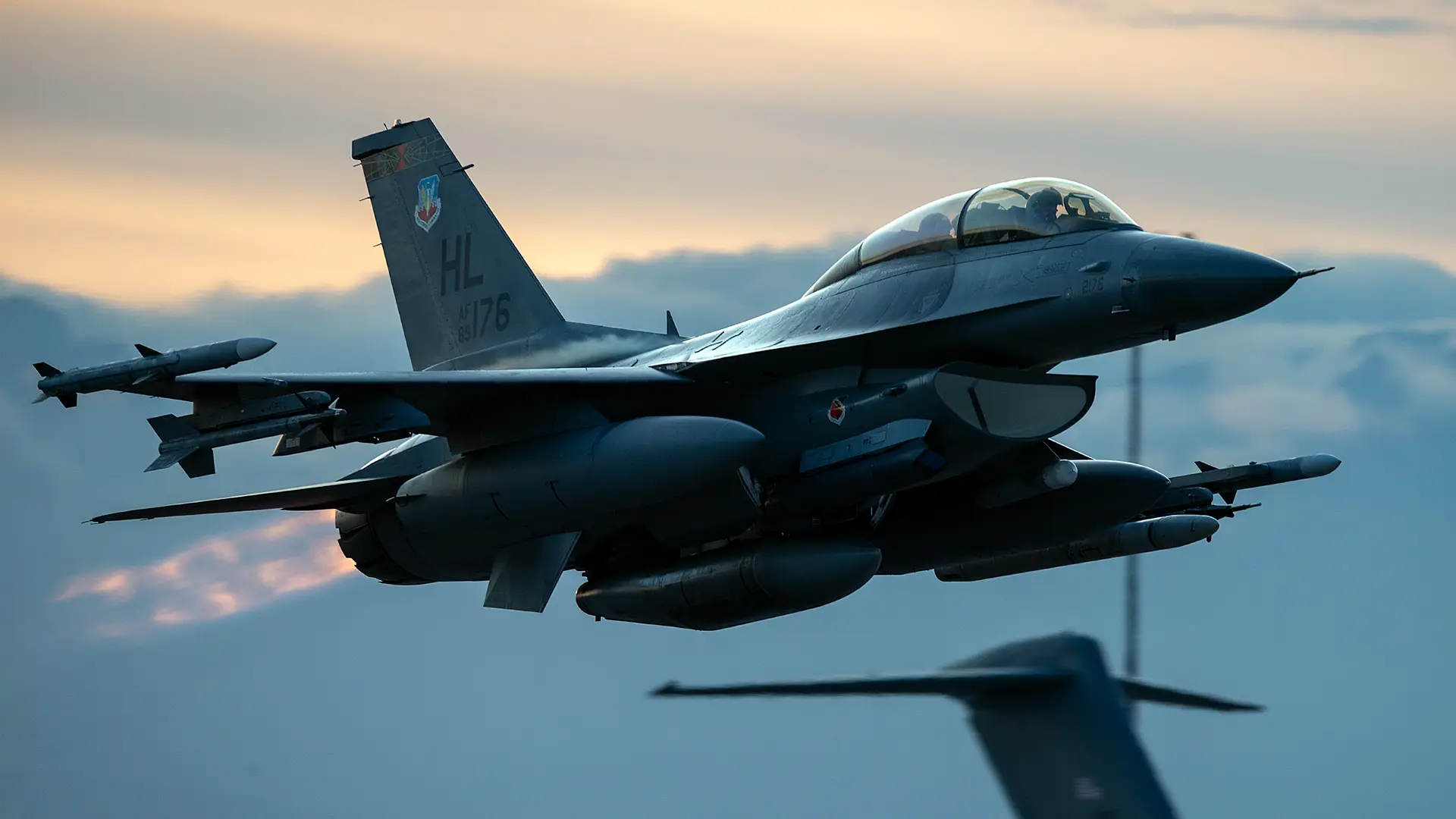
Radar and Sensor Blindspots
Rolling a USD 80 million fighter jet on its back completely flips its radar cross-section and sensor orientation. Many early-warning receivers and defensive tracking arrays are heavily optimised to scan the airspace directly below the aircraft.
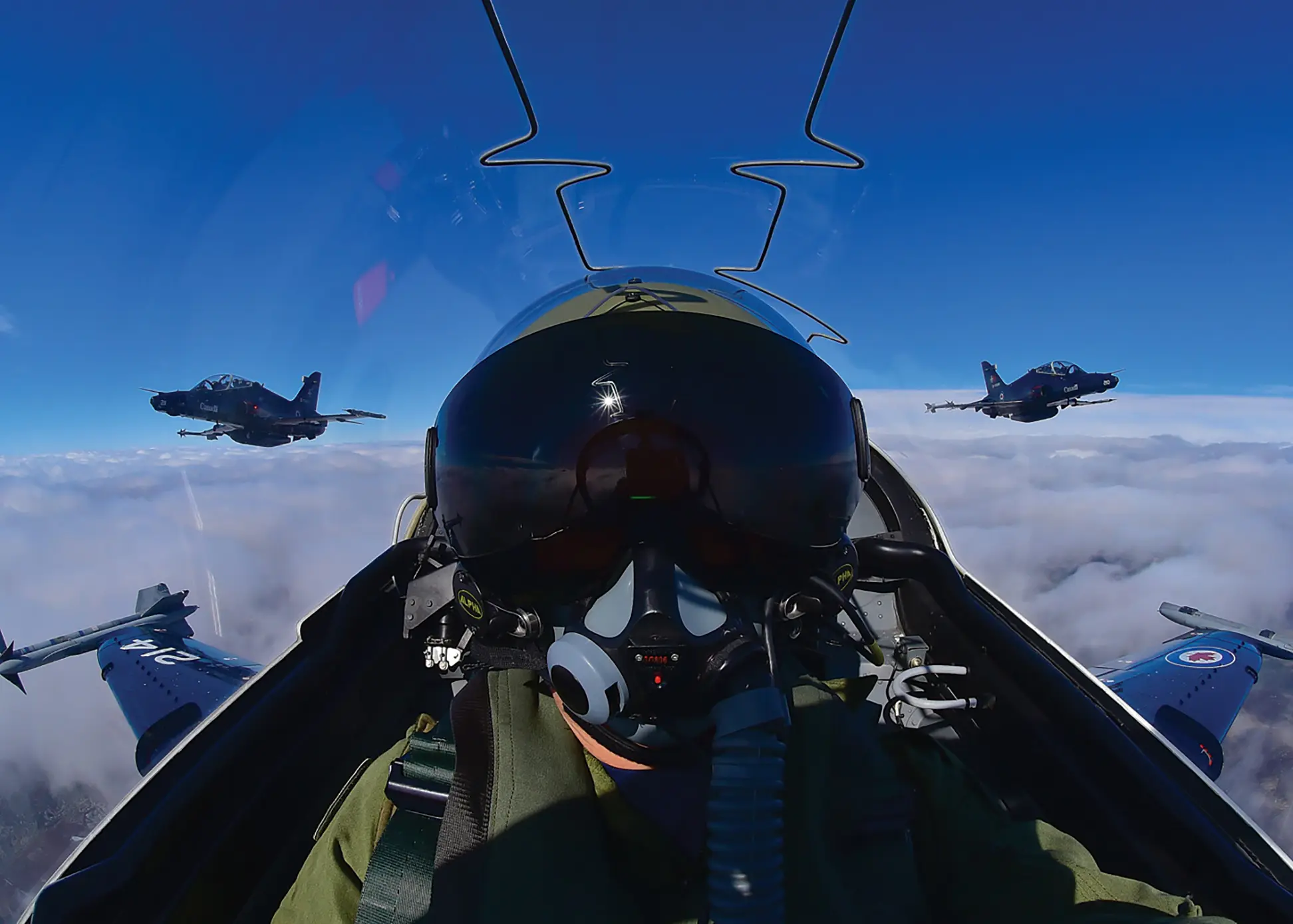
The Tactical Split-S
Fighter pilots rarely cruise upside down; the orientation is used strictly for aggressive, split-second combat manoeuvres. Inverting the jet allows the pilot to execute a ‘Split-S’ dive, utilising gravity to achieve maximum acceleration away from a threat.
)
)
)
)
)