Can a fighter jet fly into space if fitted with rockets?

Could a fighter jet survive in space if fitted with rockets? Jet engines need air to work; rockets don’t. That’s why fighter jets, even at their limits, can’t reach space. From lack of oxygen to structural failure, here’s why jets aren’t built for space.
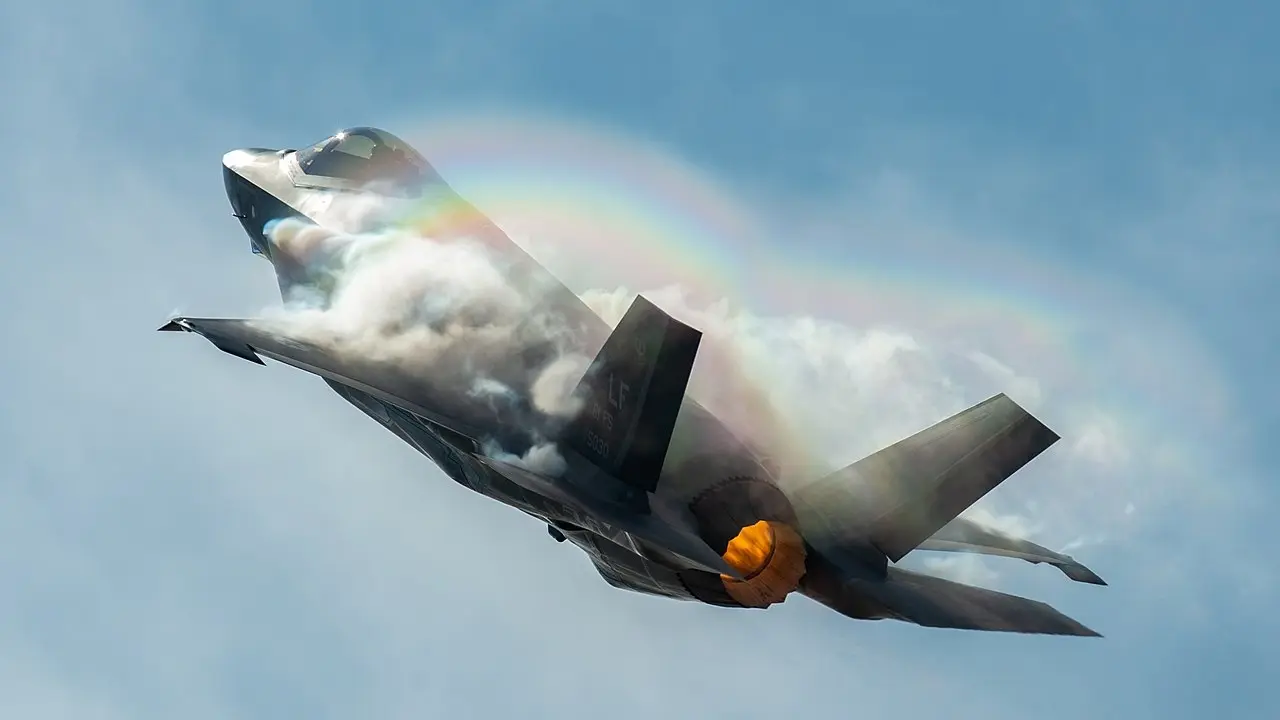
What makes jets and rockets different?
Jet engines need air from the sky to work, mixing oxygen with fuel to push the plane forward. Rockets carry both fuel and their own oxygen in tanks, so they can burn and thrust forward in space where there is no air.
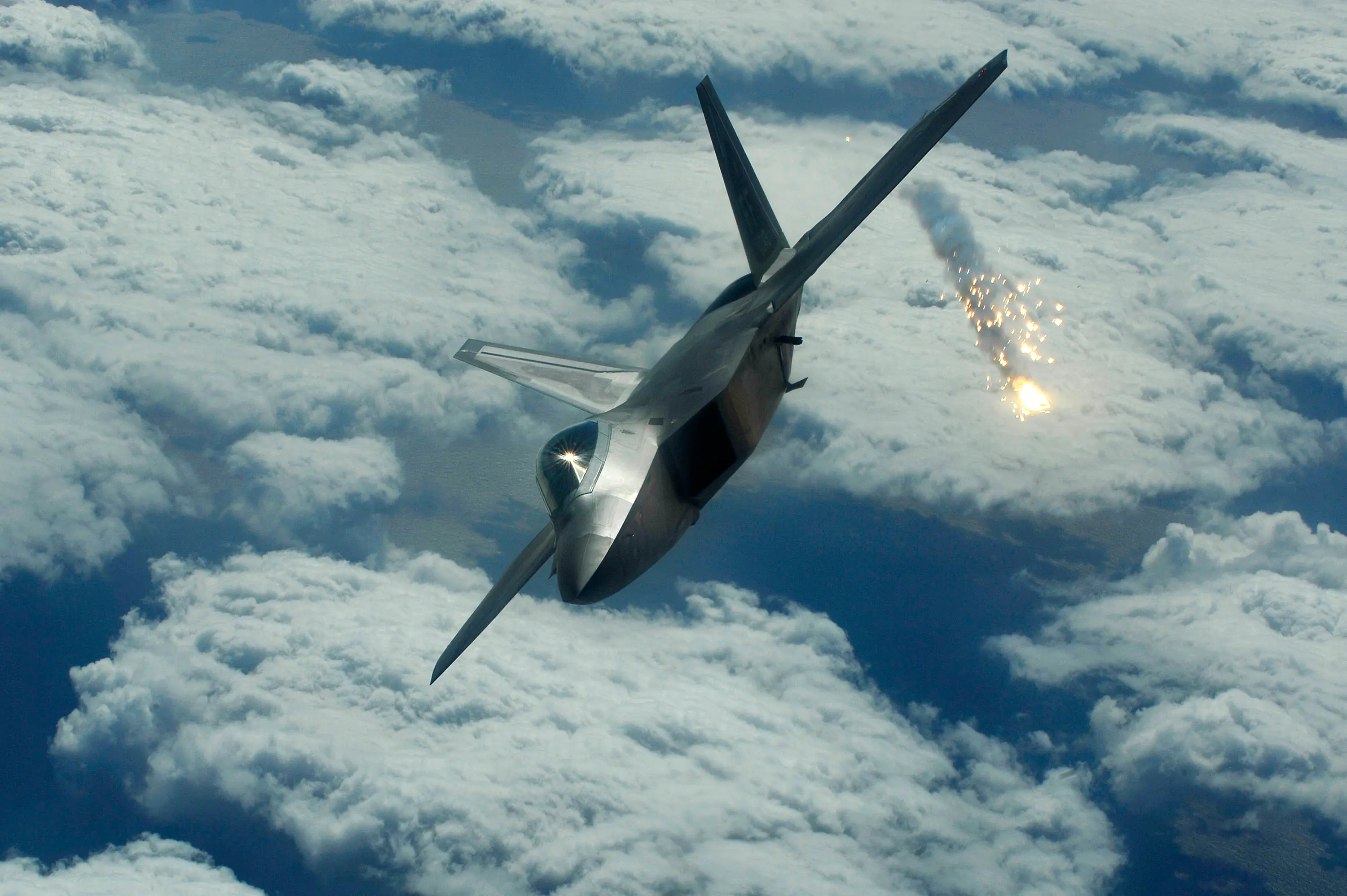
How high can a fighter jet go?
Standard jets are designed to fly up to about 20,000 metres. Elite spy planes can reach 37,000 metres, but true space starts at the Kármán line 100,000 metres. Above 20,000 metres, even advanced engines lose power and flame out.
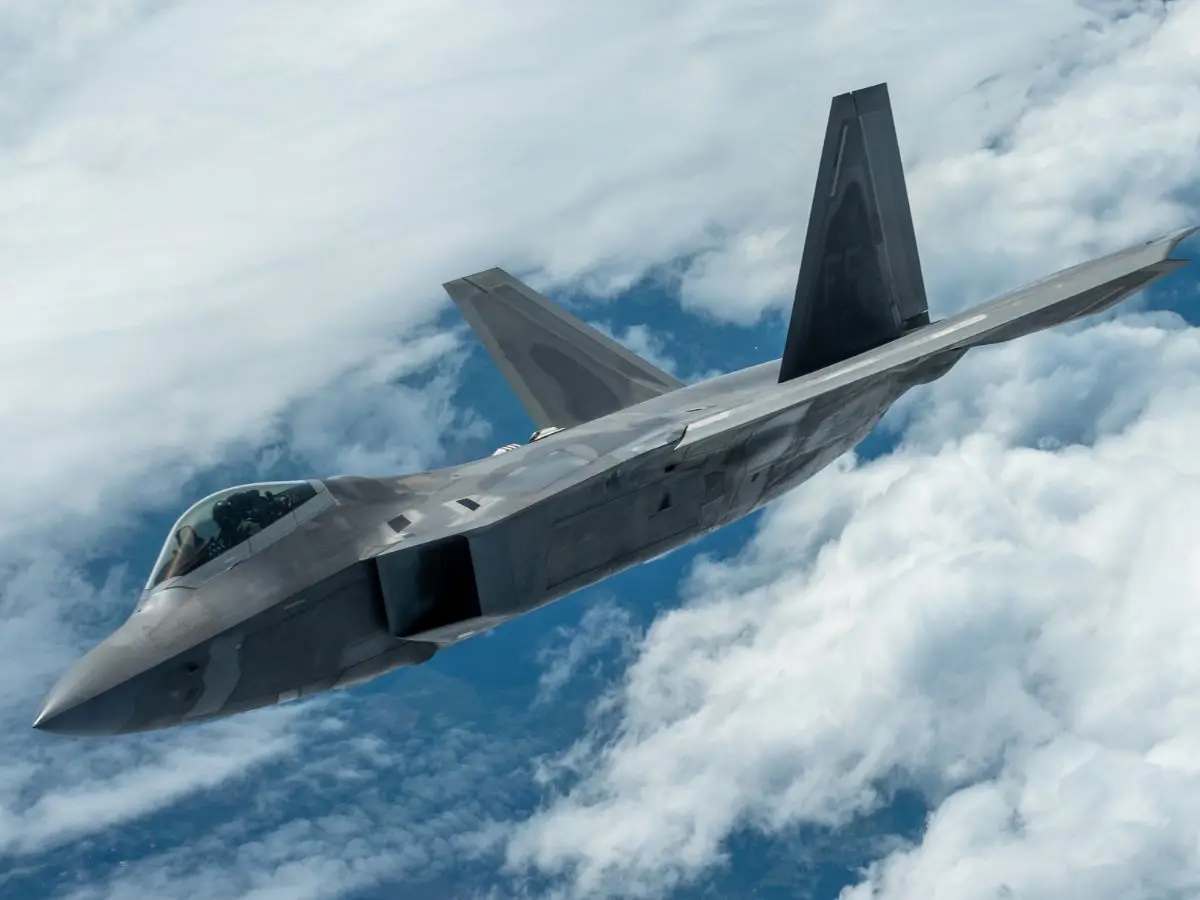
What if a jet had rockets?
If a fighter jet replaced its engines with rockets, it could in theory climb much higher. The X-15 rocket plane reached 107,800 metres in the 1960s. But this aircraft was not a regular jet, and it was built for spaceflight from the start with rocket fuel and structure for space stress.
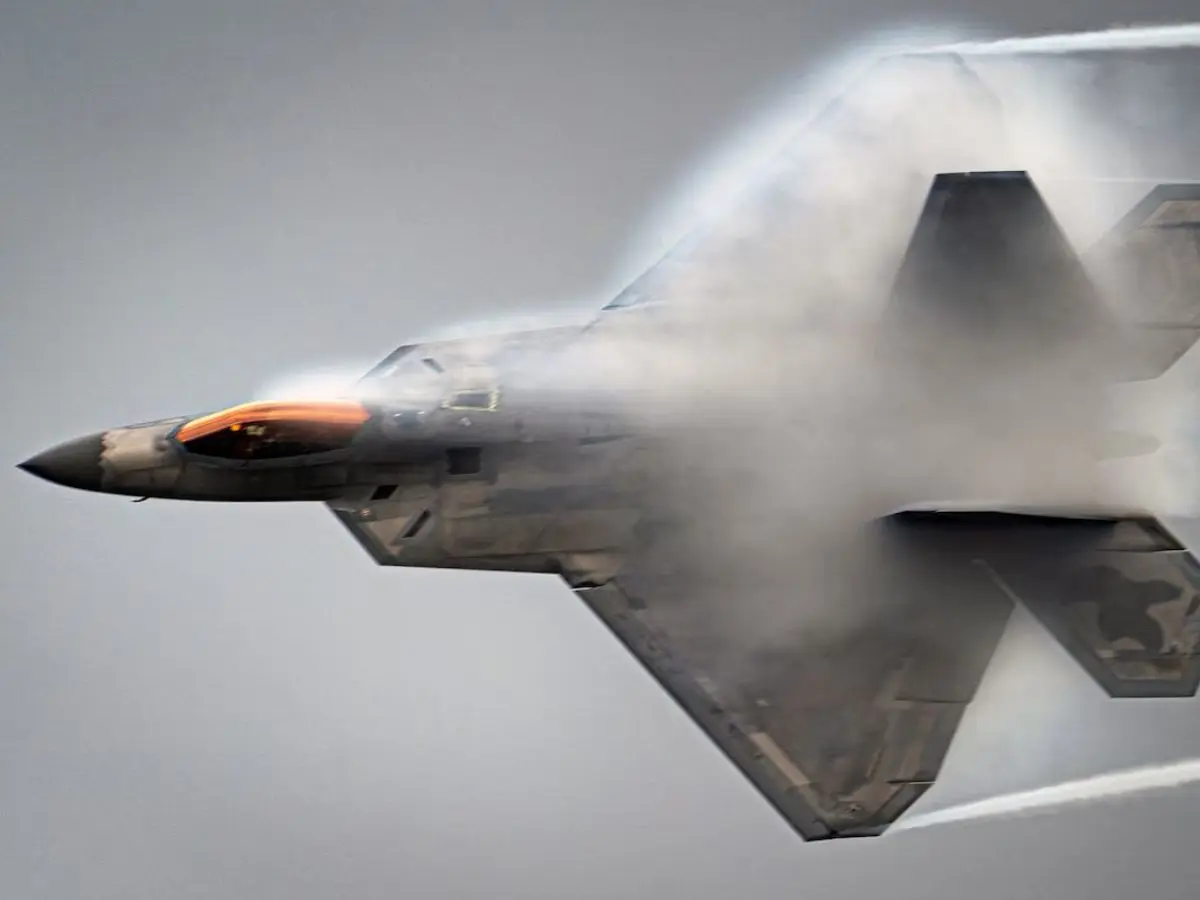
The main problems in space
A fighter jet is not sealed for vacuum, meaning its systems and pilot would not survive without air pressure. Wings stop working when there’s no air, so a jet cannot control direction, plus the temperatures and radiation in space would destroy most jet parts.
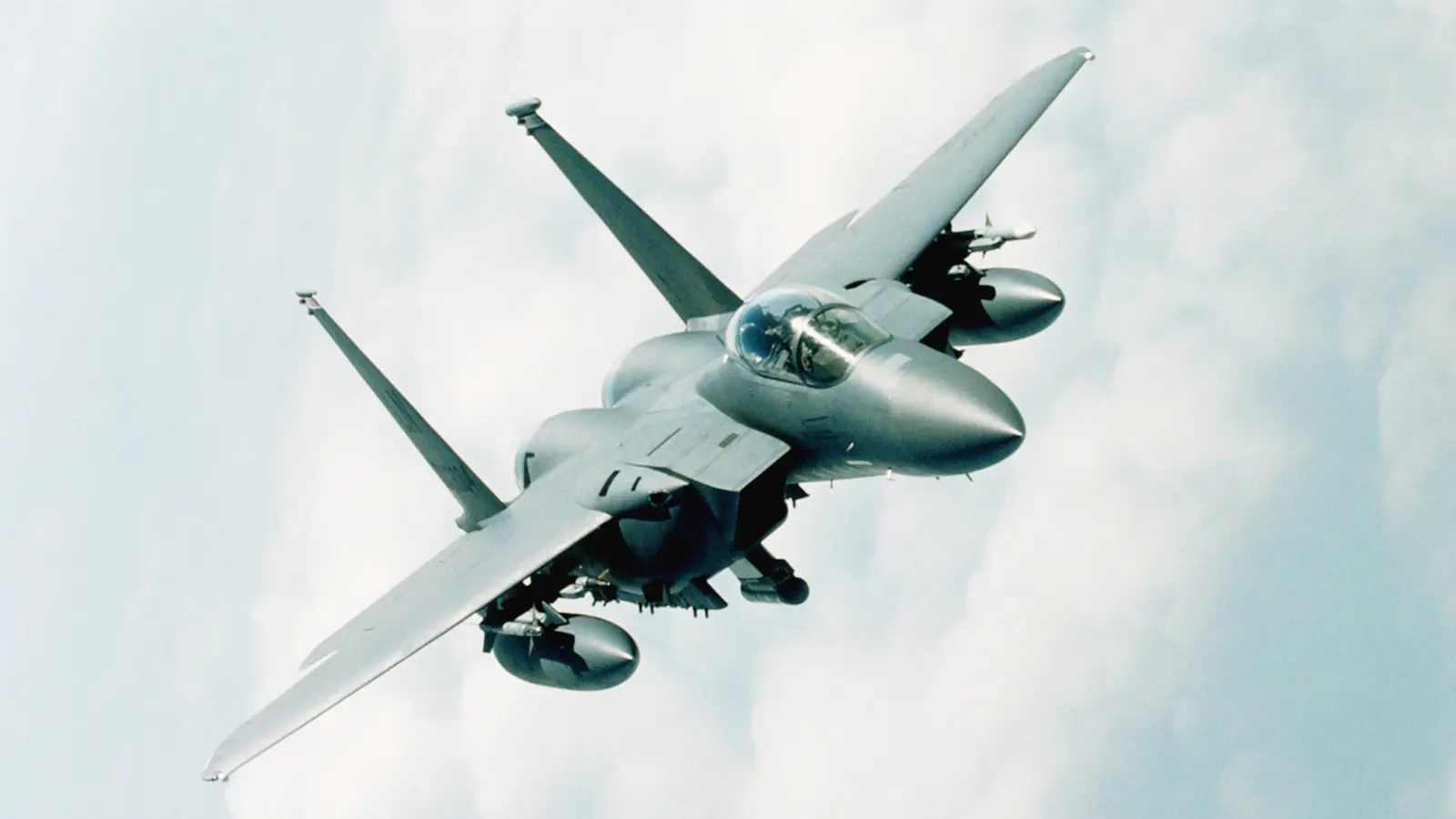
Why wings and metal fail
In a vacuum, jet wings give no lift and control surfaces become useless. The airframe of a jet is not made for high speeds and temperatures like a real spacecraft’s heat shield. Rockets launch vertically for a reason they bypass the need for wings to fly.
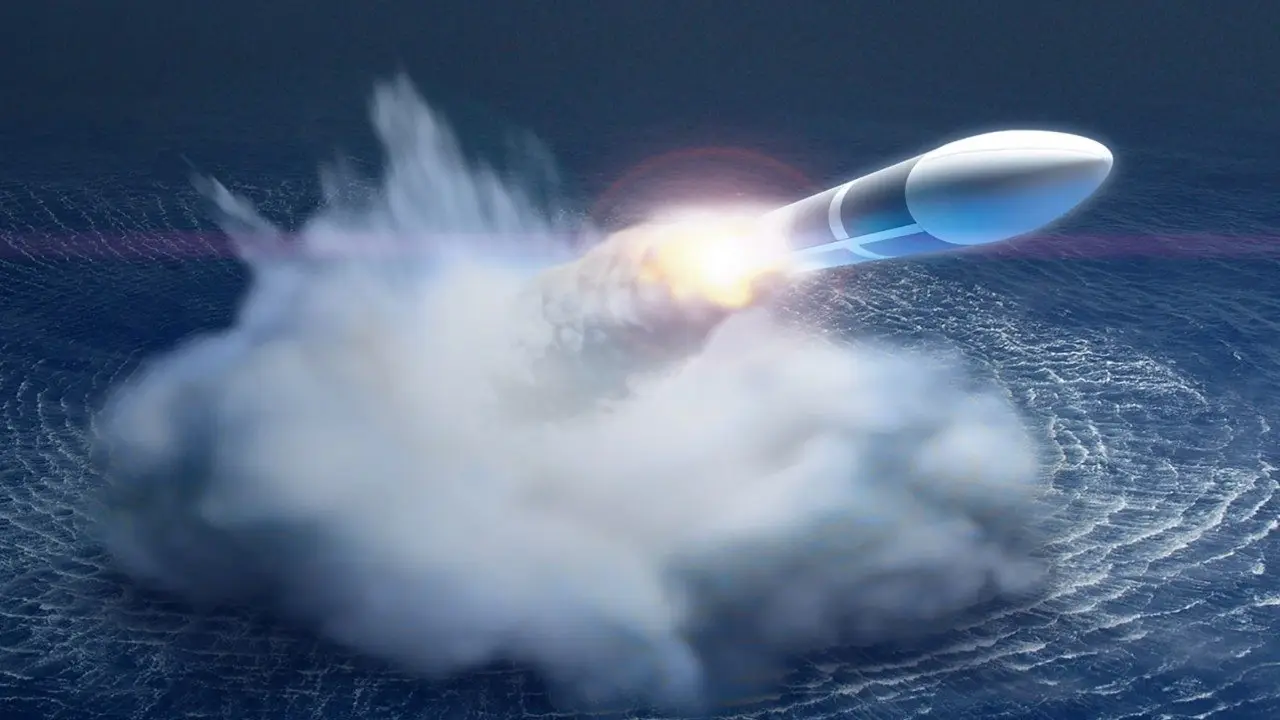
The risk to pilot and systems
Without a pressurised cabin and life support, a jet pilot would not survive. Electronics and hydraulics would fail, as jet aircraft cooling and power are all designed for the air and pressure we have within the atmosphere.
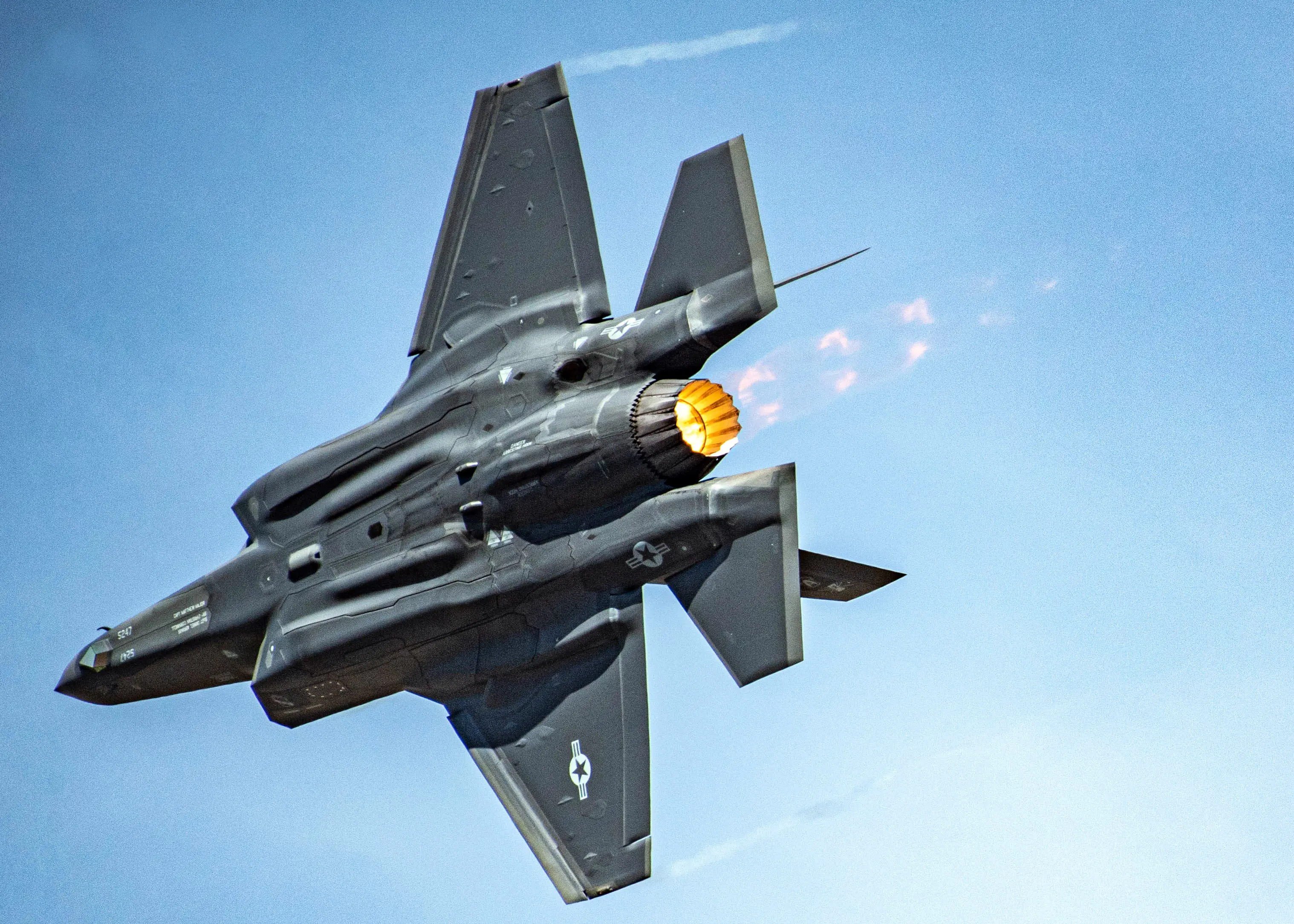
Jet engines are efficient
Jet engines are efficient where there’s air, but only rockets with sealed designs, on-board oxygen, and heat/radiation protection can make it to space. Trying to bolt rockets onto a jet risks instant destruction before leaving the upper atmosphere.
)
)
)
)
)