Can a fighter jet fly in heavy rain or storms?

While modern fighter jets can physically fly through heavy storms, severe weather poses massive threats. High-speed rain degrades multi-million dollar stealth coatings, while lightning, hail, and water ingestion risk catastrophic mid-air engine failure.
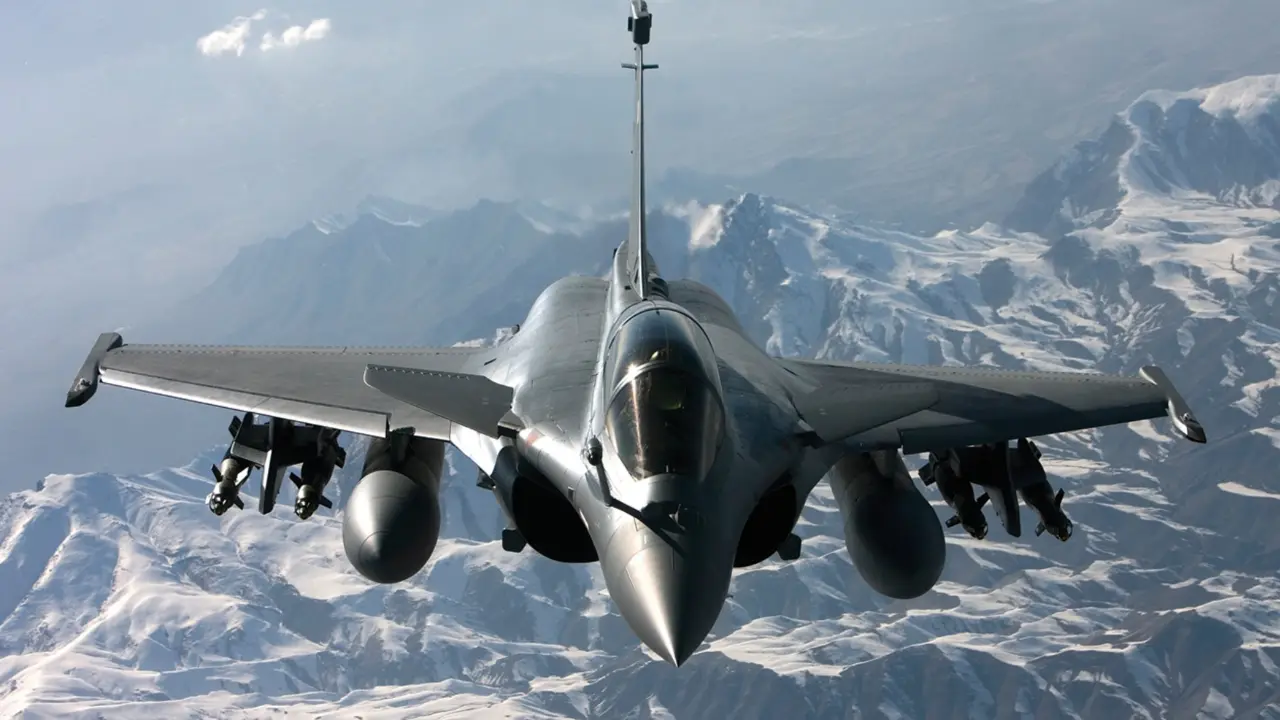
The All-Weather Myth
Modern multi-role fighters are technically certified for all-weather operations. However, flying a USD 80 million jet through a severe storm introduces extreme kinetic and electrical hazards that pilots actively try to avoid.
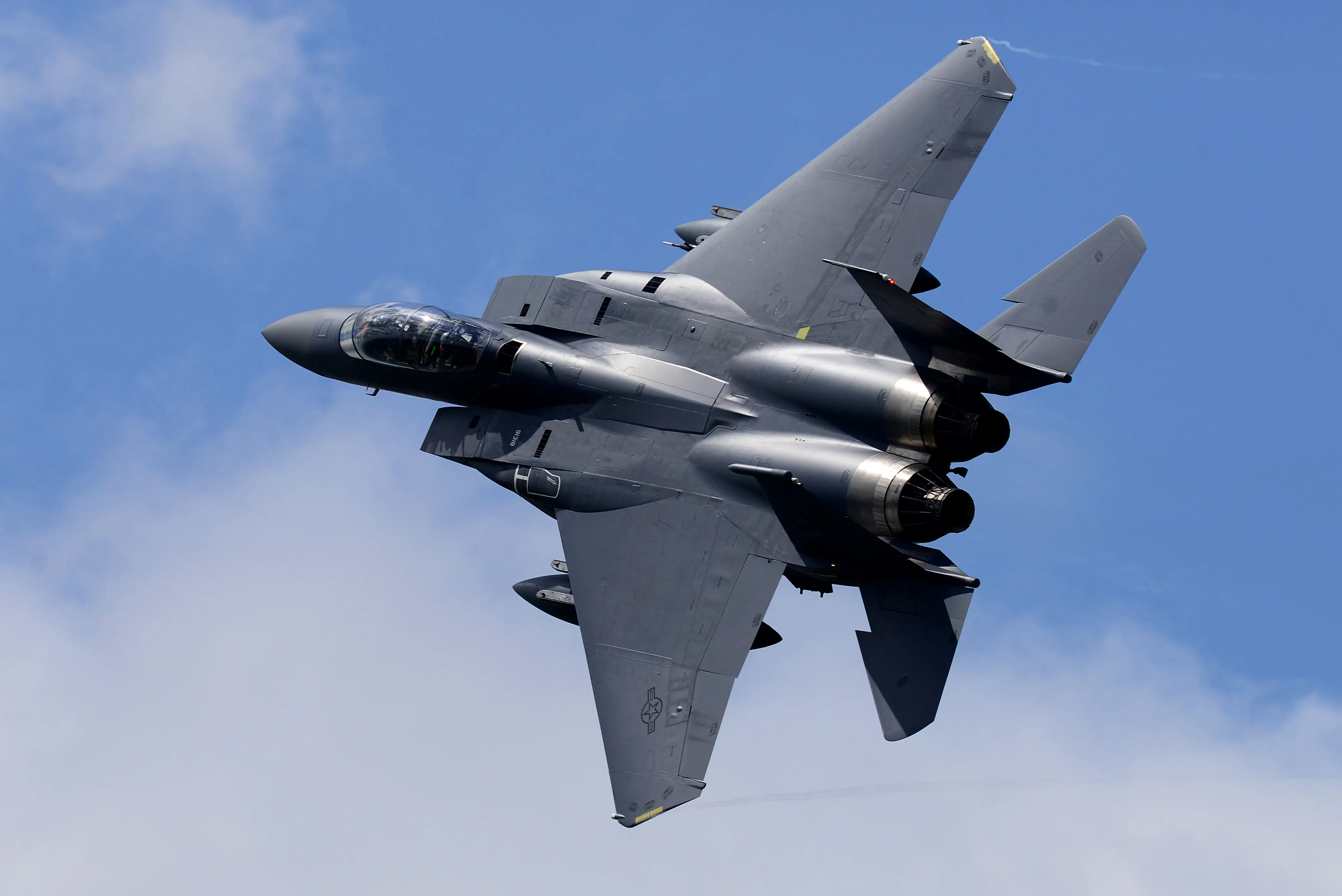
Flooding the Turbine
Sucking massive amounts of heavy rain into a turbofan engine can rapidly cool the combustion chamber. To prevent a catastrophic mid-air flameout, the jet's digital flight computers automatically activate continuous ignition spark systems.
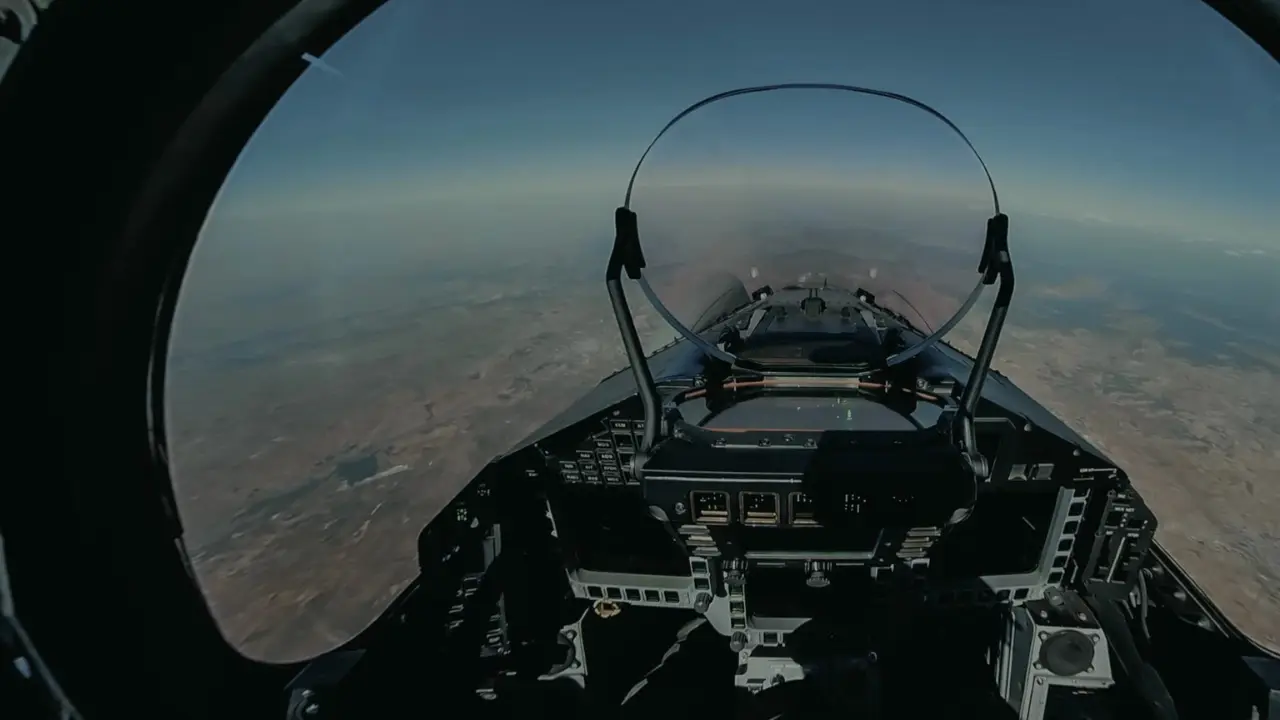
Washing Away Stealth
High-speed rain acts like liquid sandpaper against the delicate Radar Absorbent Material (RAM) coating on fifth-generation fighters. Prolonged exposure during a storm severely degrades the aircraft's stealth profile, making it visible to enemy tracking.
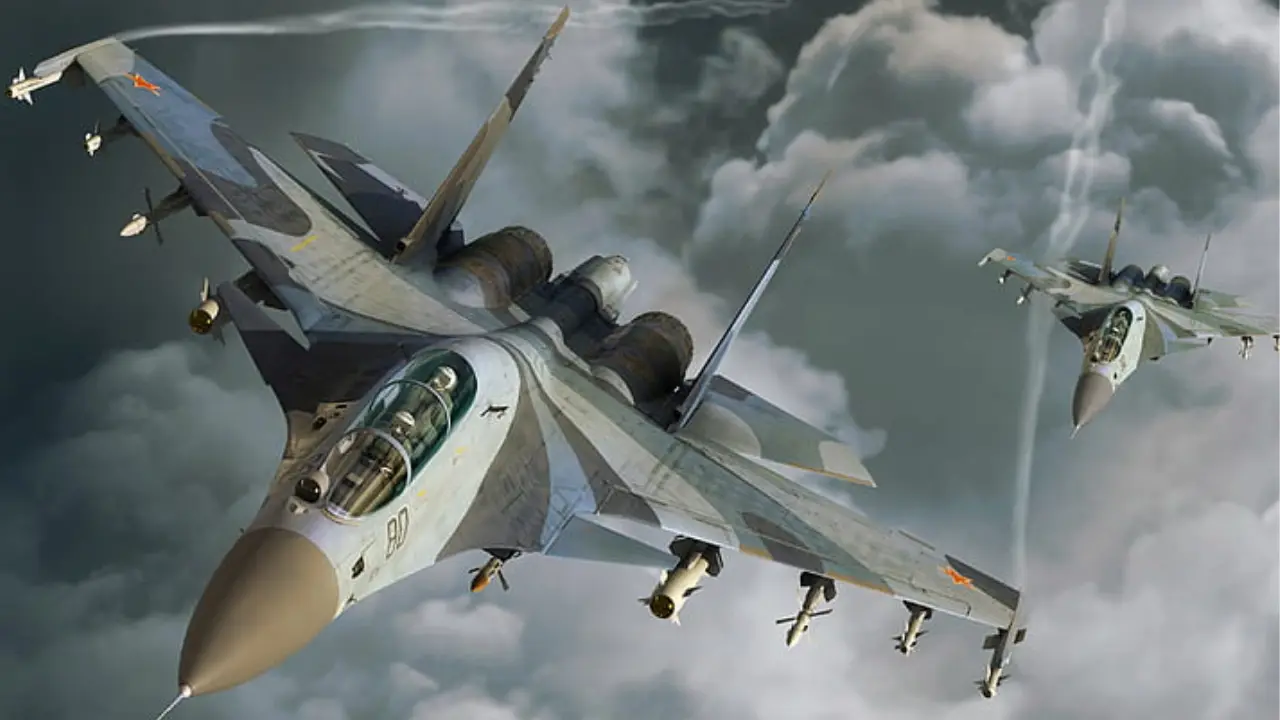
Absorbing Lightning
A fighter jet travelling through a thunderstorm frequently acts as a lightning rod, absorbing strikes packing up to one billion volts. Engineers mitigate this by weaving conductive copper mesh into the aircraft's composite skin to guide the electrical current safely away.
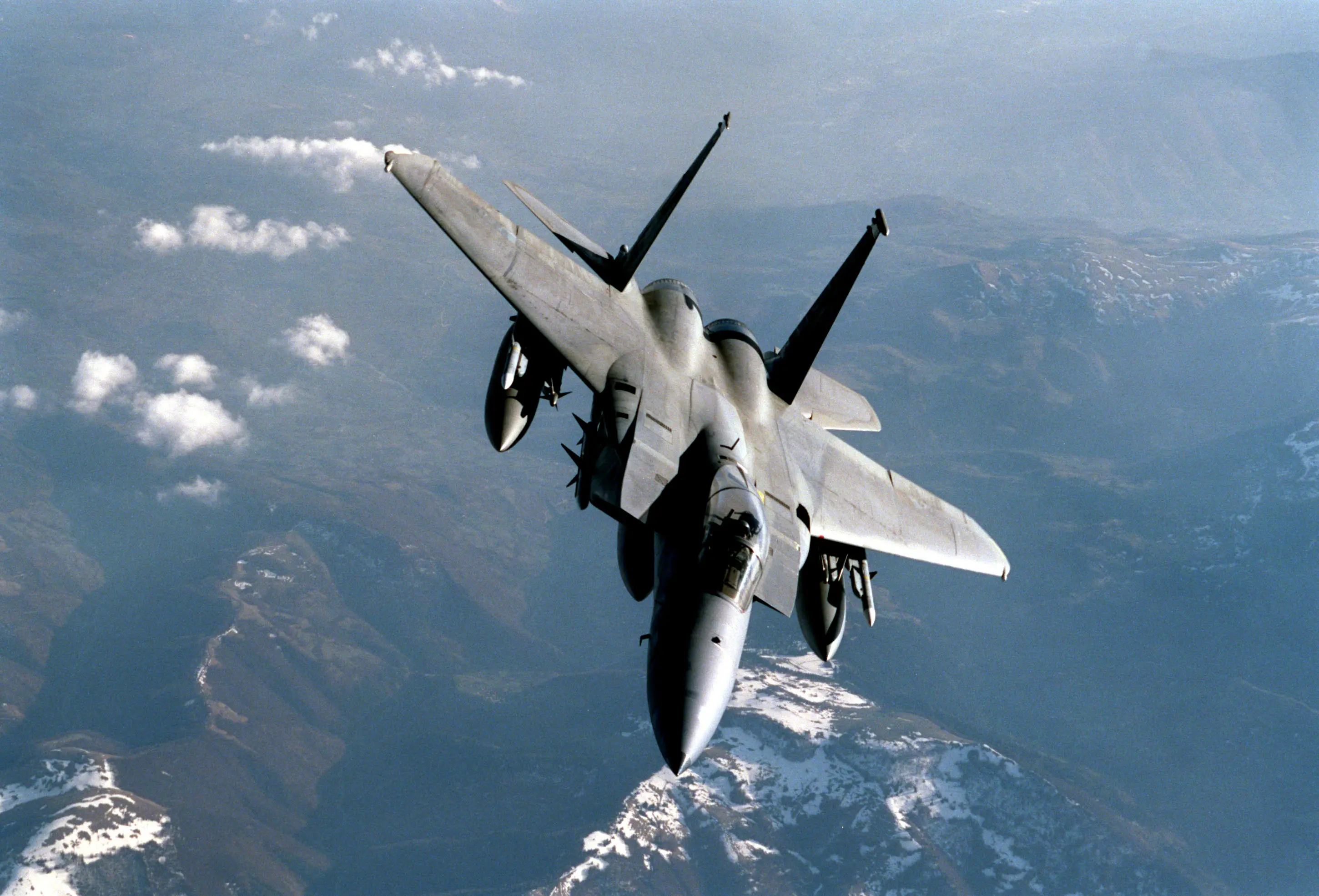
Blinding the Radar
Heavy precipitation physically blocks high-frequency radar waves, creating massive sensor clutter on the pilot's heads-up display. This ‘attenuation’ effectively blinds the jet's multibillion-dollar tracking systems, reducing target lock ranges to zero.
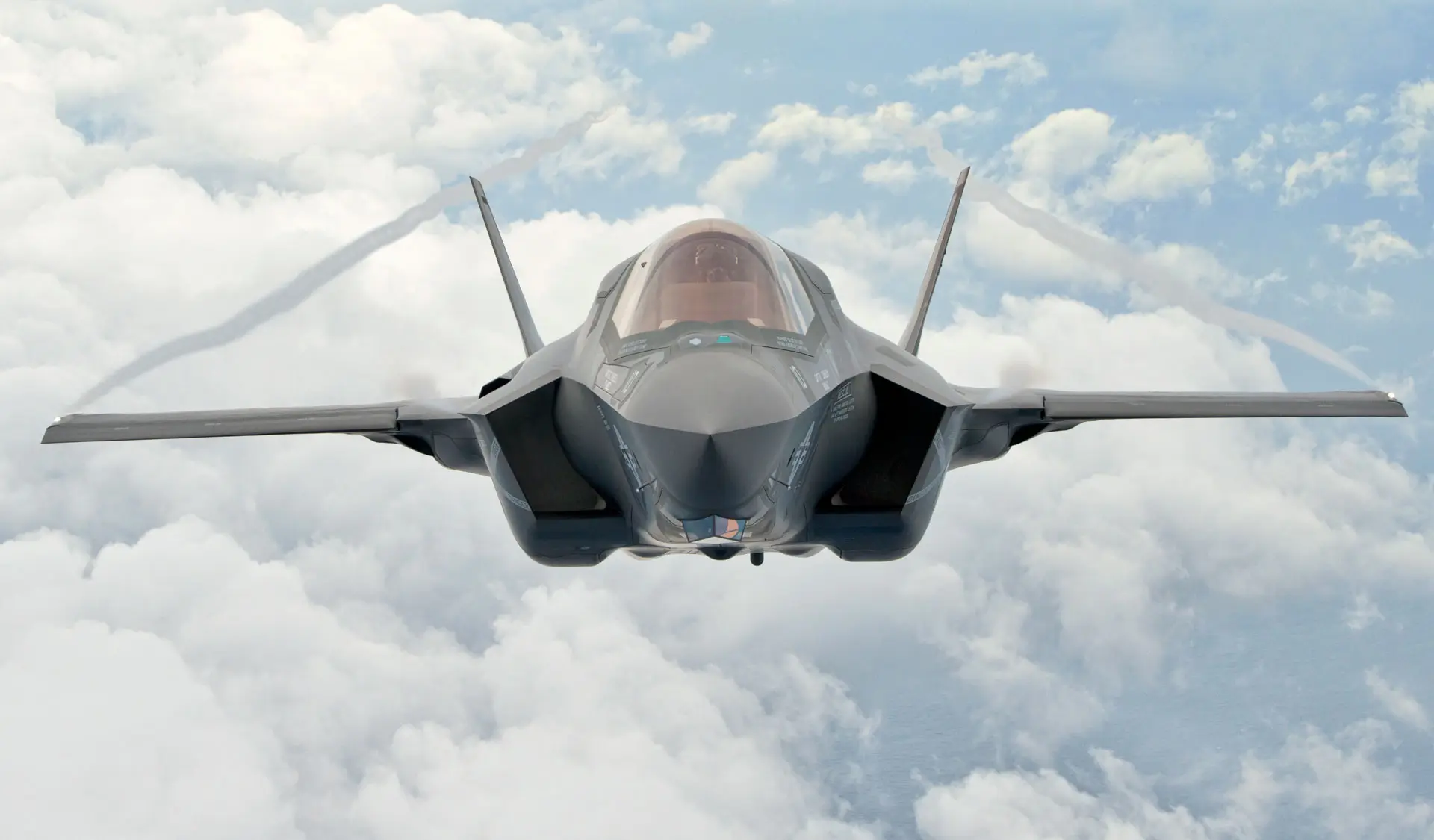
The Kinetic Hail Threat
Hitting a hailstorm at 600 miles per hour turns ice into armour-piercing projectiles. These frozen impacts can shatter the jet's reinforced polycarbonate canopy and destroy the fragile aerodynamic sensors mounted on the nose cone.
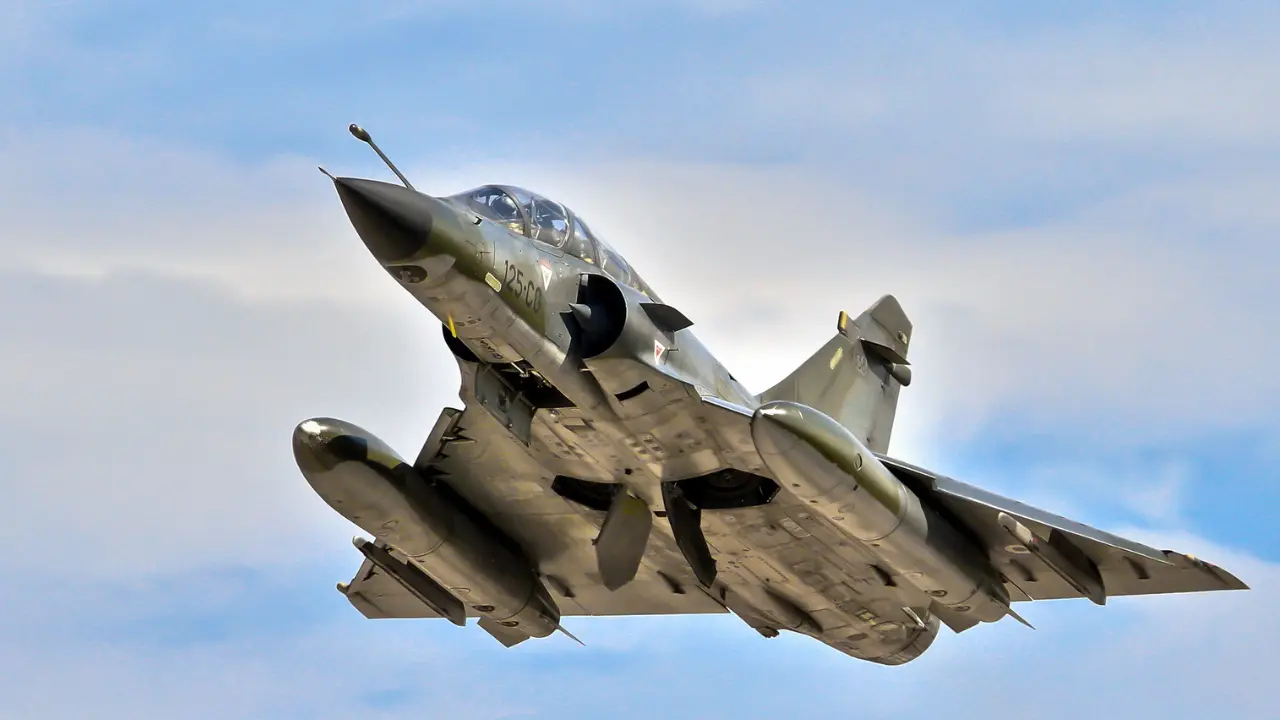
Tactical Grounding
While the aircraft can physically survive a storm, military commanders routinely ground fighter squadrons during severe weather. The risk of losing a multi-million dollar asset to a lightning strike or engine flood far outweighs the tactical benefit of a routine patrol.
)
)
)
)
)