Can a fighter jet fly above a volcanic eruption?

What happens if a fighter jet fly above volcanic eruptions? Volcanic ash can damage engines, block sensors, and even cause flame-outs. Can jets fly above or survive such eruptions? Know more below.
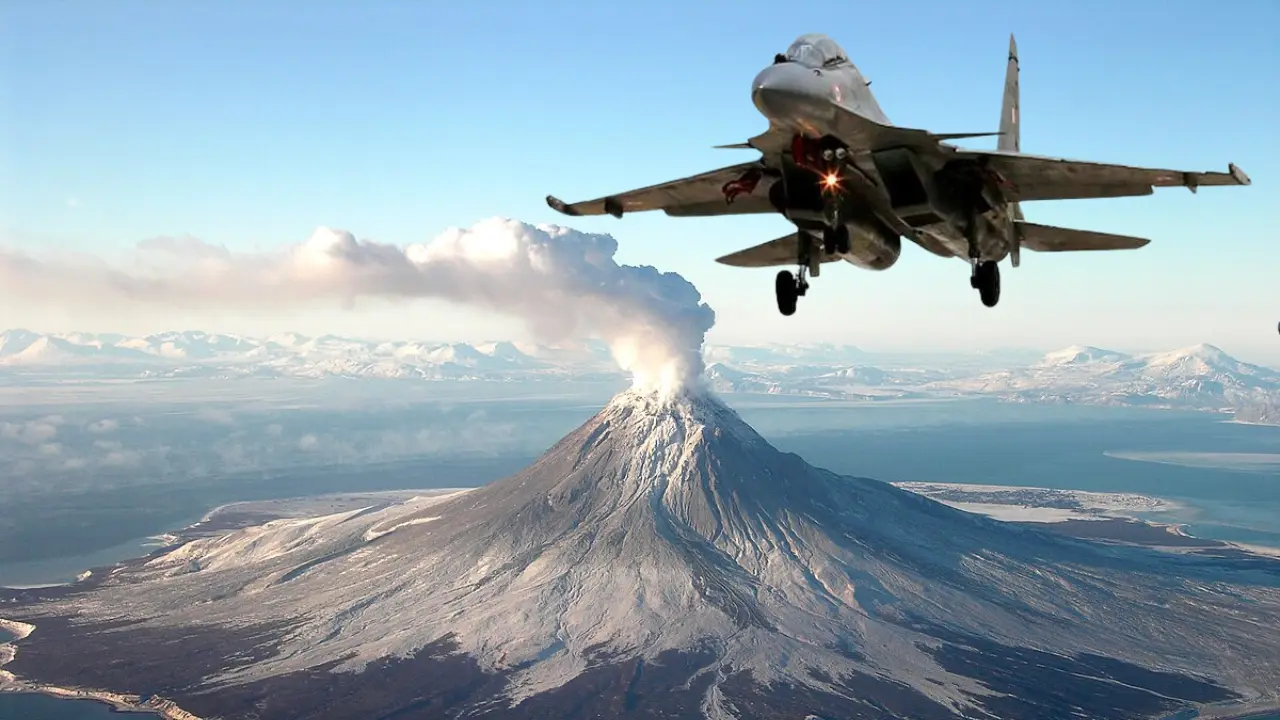
The Threat Posed by Volcanic Eruptions
When volcanoes erupt, they release ash clouds that can rise more than 10 kilometres into the sky. These clouds can contain small, sharp rock fragments, which can be very dangerous for any aircraft that comes close as per reports.
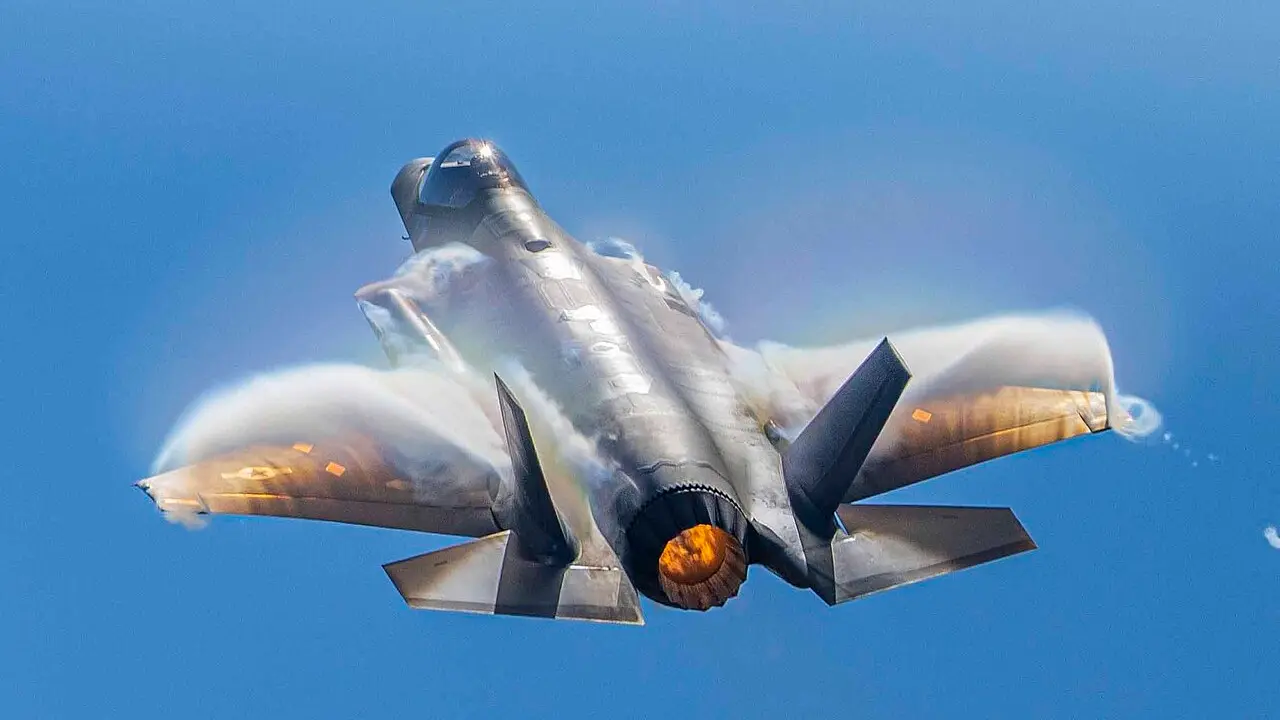
Can Fighter Jets Fly Above Volcanic Ash?
Fighter jets can fly at high altitudes, but ash clouds can also reach the same heights sometimes up to 15 kilometres. If a volcano’s ash cloud is lower, pilots may try to fly above it.
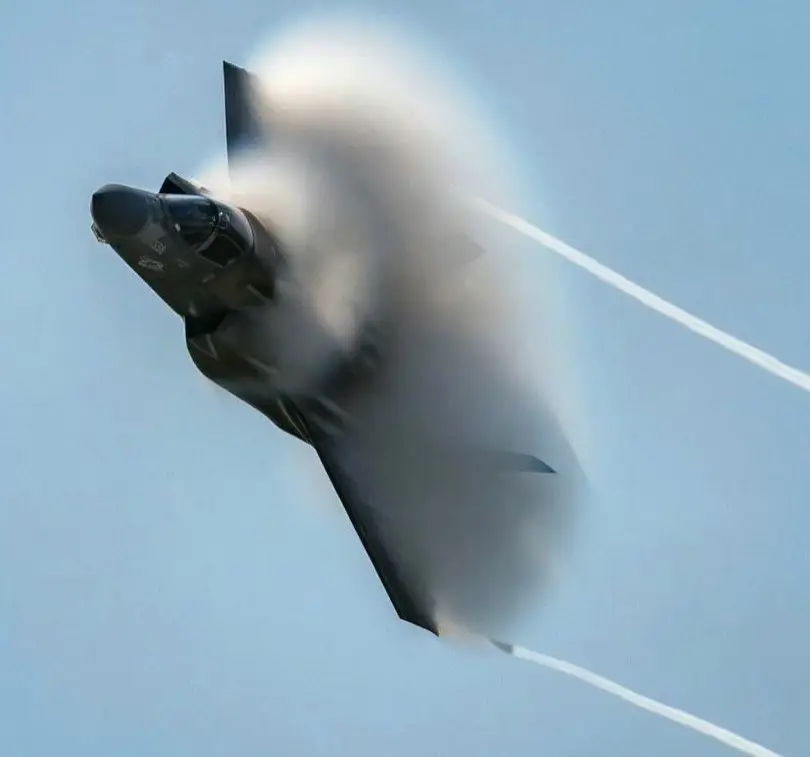
What Ash Can Do to Jet Engines?
Volcanic ash can melt the hot parts of a jet it can be engine. This can lower engine performance and, even it can, stop the engines completely a “flame-out”. Ash can also block sensors and damage electronics.
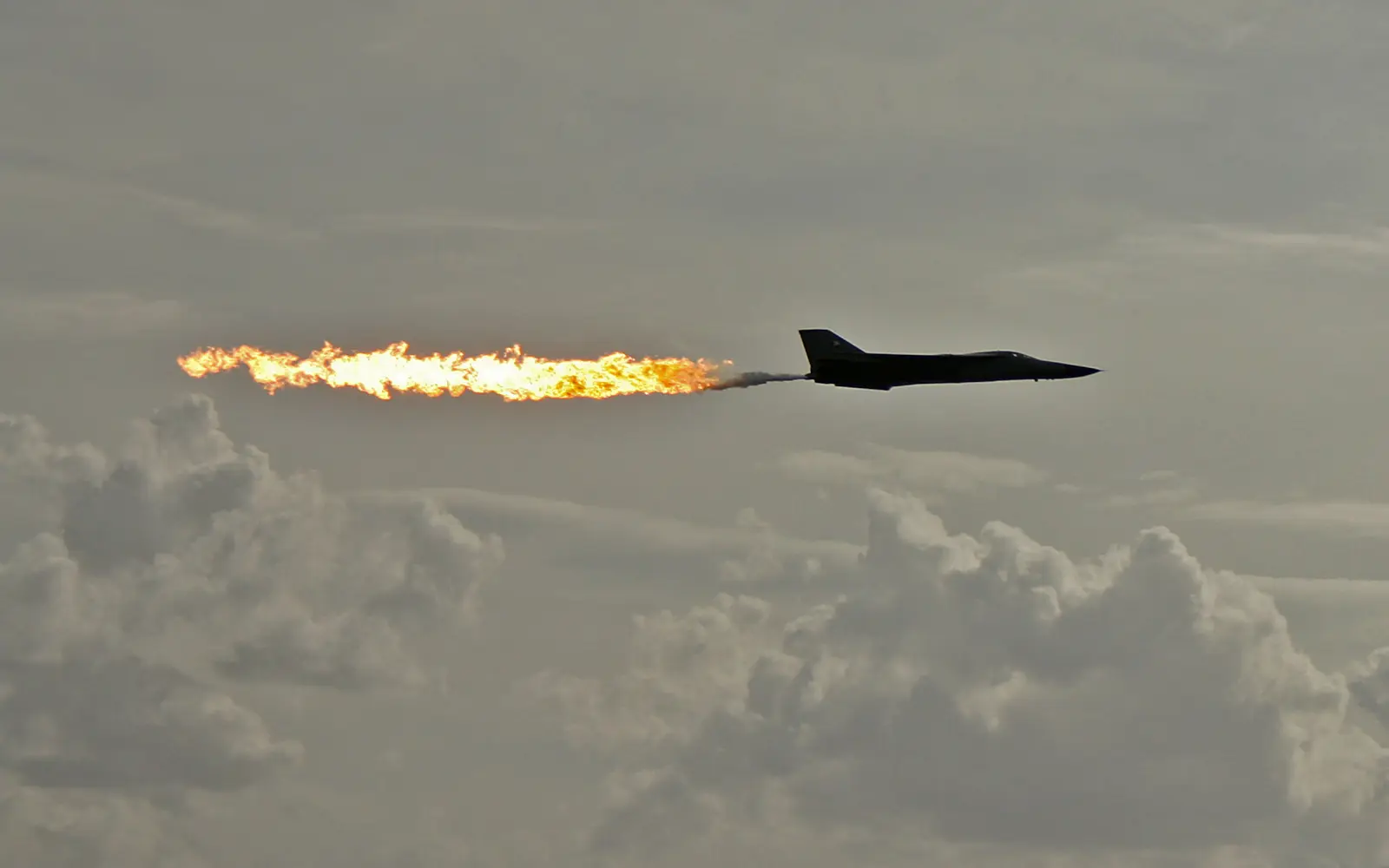
Military Guidelines and Safety
Military and commercial aircraft are advised to avoid ash clouds completely. The USGS and aviation agencies confirm that jet engines are “very vulnerable” to volcanic ash damage. Volcanic Ash Advisory Centres issue alerts and guide pilots away.
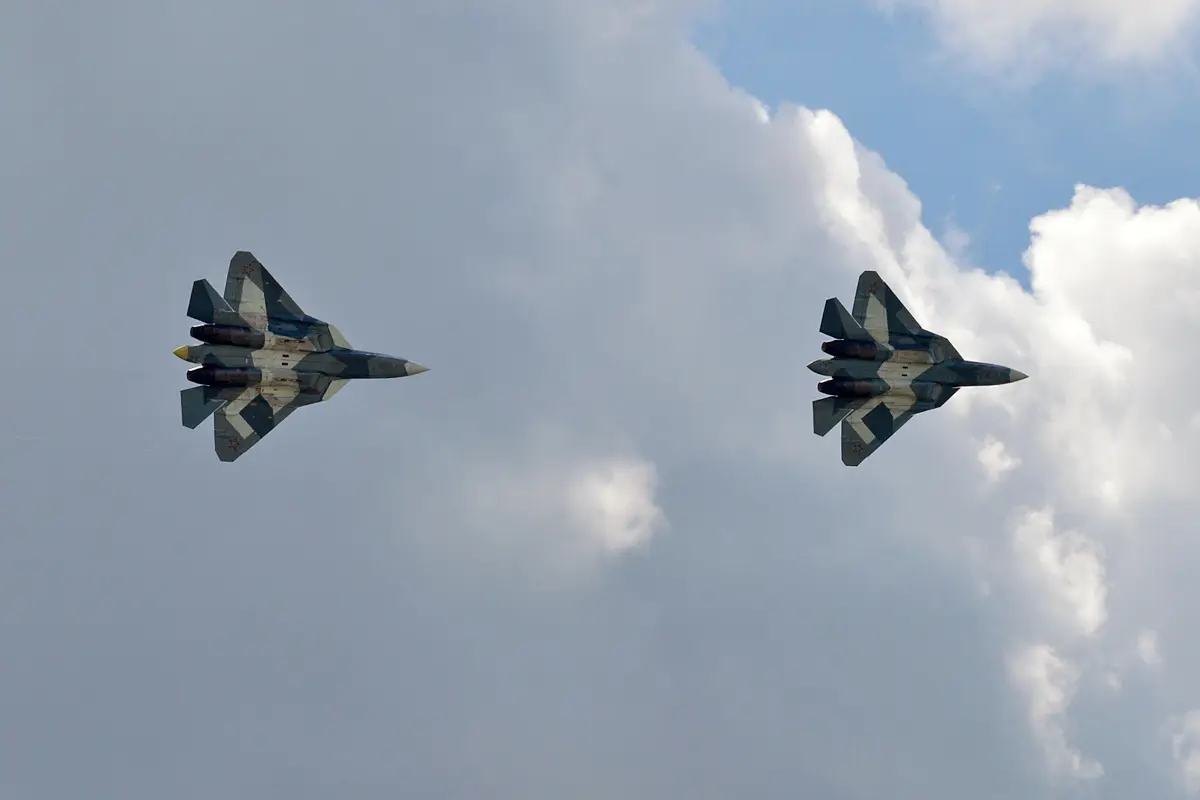
Fly Above Eruptions?
In this situation, pilots try to reroute around volcanic ash. In rare cases, if the ash plume is lower than the jet’s cruising height, flights may pass above it, but only if it is safe. Most of the time, pilots will not risk flying close to an active eruption.
)
)
)
)
)