Can a fighter jet be modified into a spacecraft?

The idea of modifying a fighter jet into a spacecraft feels like science fiction, but it has fascinated engineers, scientists, and even movie makers for decades. After all, fighter jets already fly at incredible speeds, climb to extreme altitudes, and push the limits of technology.
Why It Seems Possible
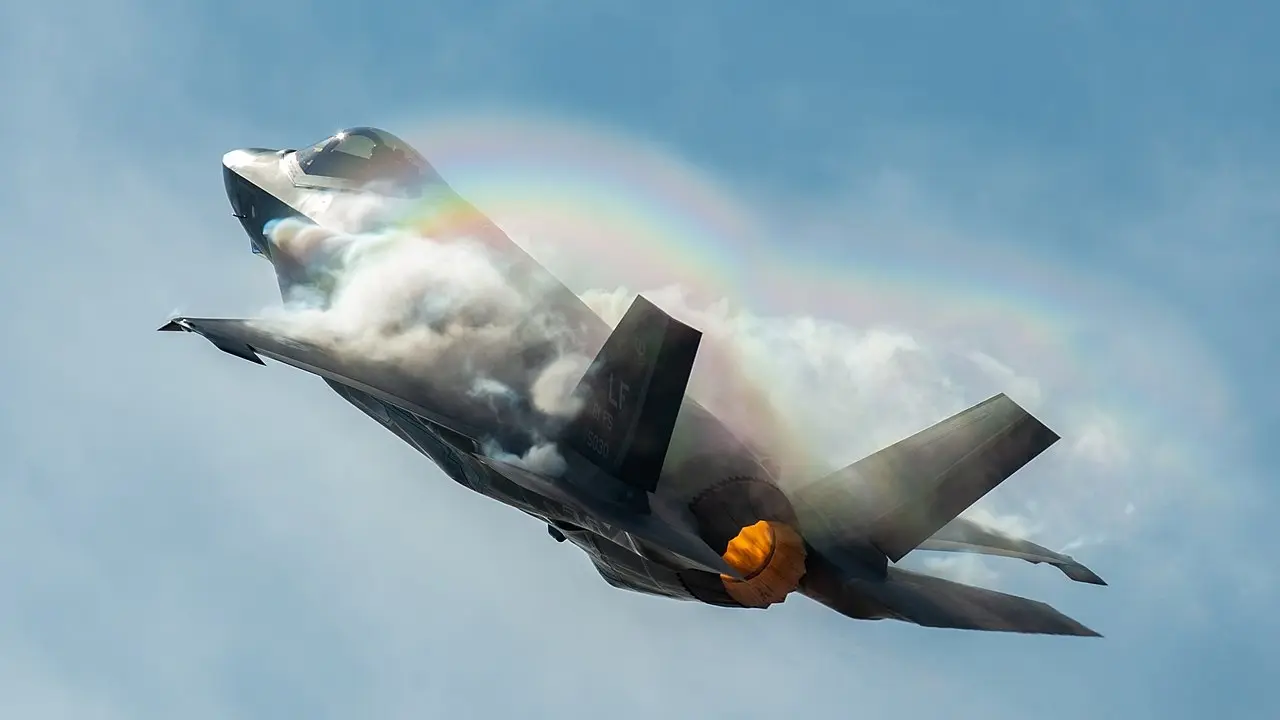
At first glance, the concept doesn’t sound impossible. Fighter jets like the F-22 Raptor or MiG-31 are already capable of supersonic speeds and can soar high into the stratosphere. History has also seen aircraft like the X-15 rocket plane, which looked like a jet but touched the edge of space. This makes the dream of turning a jet into a spaceship feel almost within reach.
The Engine Problem
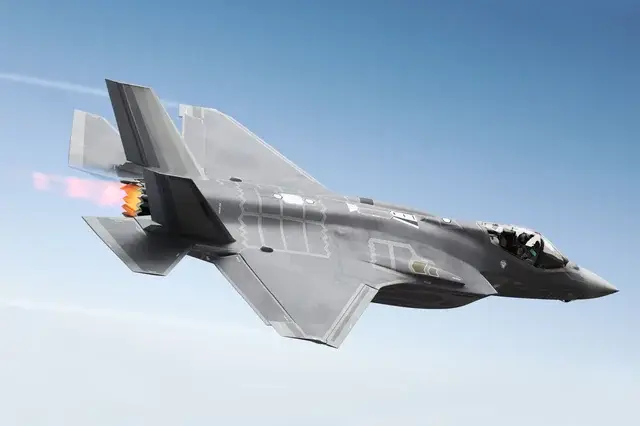
The biggest obstacle is the engine. Fighter jets run on air-breathing engines that require oxygen from the atmosphere. Space, however, is a vacuum with no oxygen at all. That means a fighter jet would be useless beyond Earth’s atmosphere unless it carried rocket engines, which completely changes its design.
Surviving Re-Entry
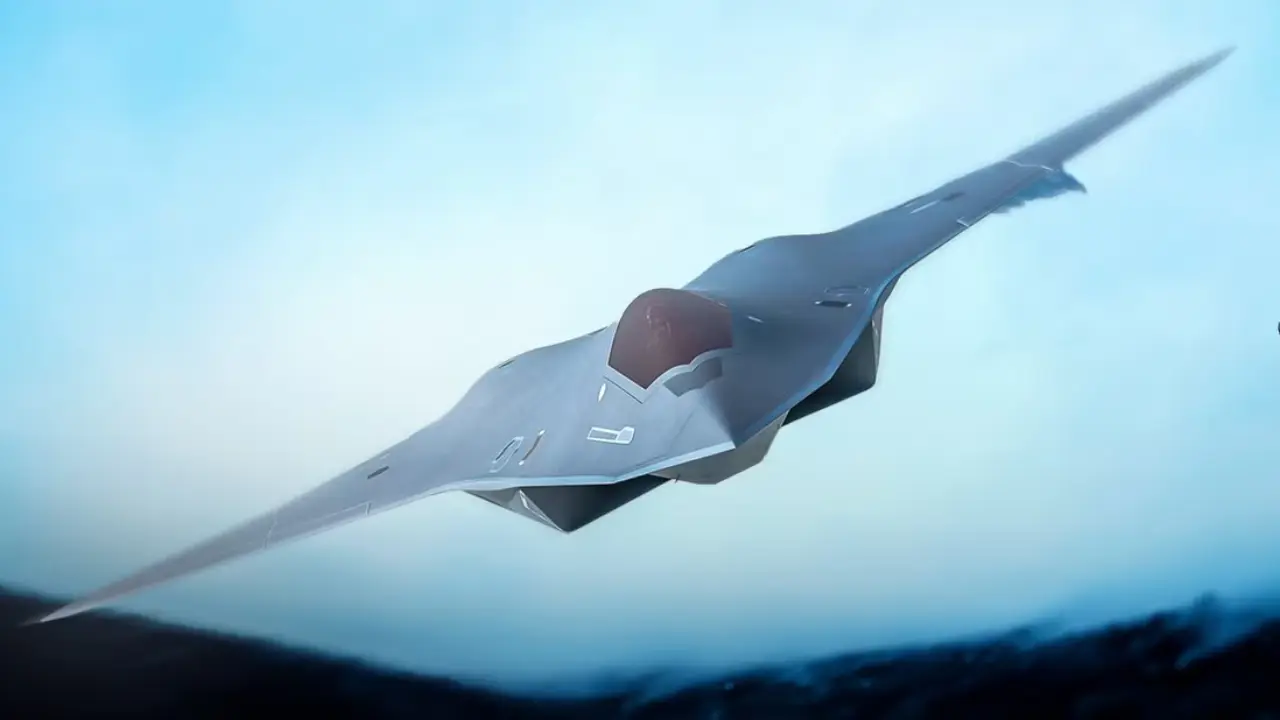
Even if a jet somehow reached space, it would face a deadly challenge on the way back, re-entry heat. A spacecraft returning to Earth from orbit experiences temperatures above 1,500°C, which is hot enough to melt steel and titanium. Fighter jets simply don’t have the heat shielding required to survive such extreme conditions
Fuel Limitations
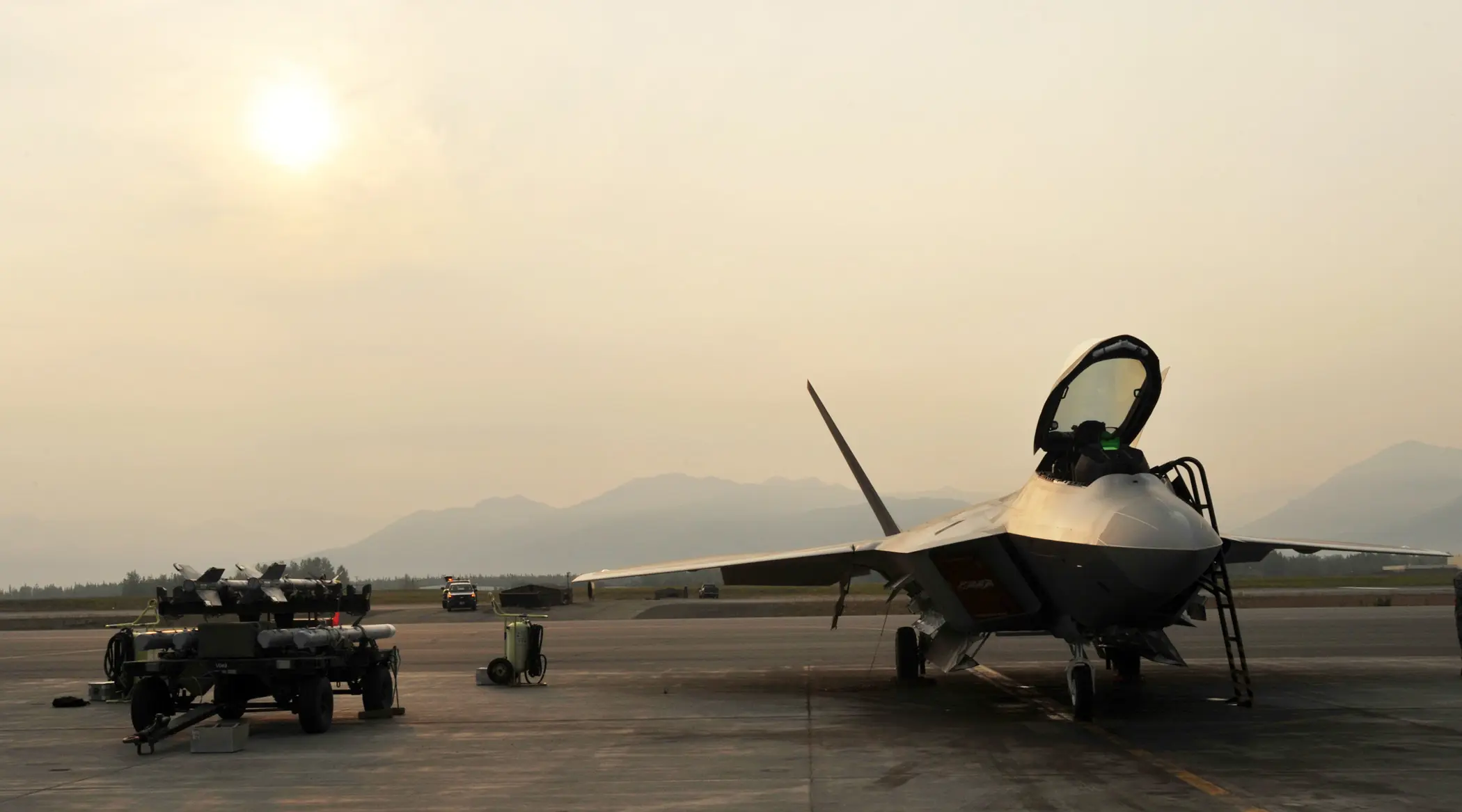
Another major challenge is fuel. Rockets carry massive fuel tanks because escaping Earth’s gravity takes enormous amounts of energy. A fighter jet is designed to carry only enough fuel for short missions, not the thousands of kilograms required to reach orbit. Modifying a jet to carry that much fuel would make it too heavy to fly.
Structural Challenges
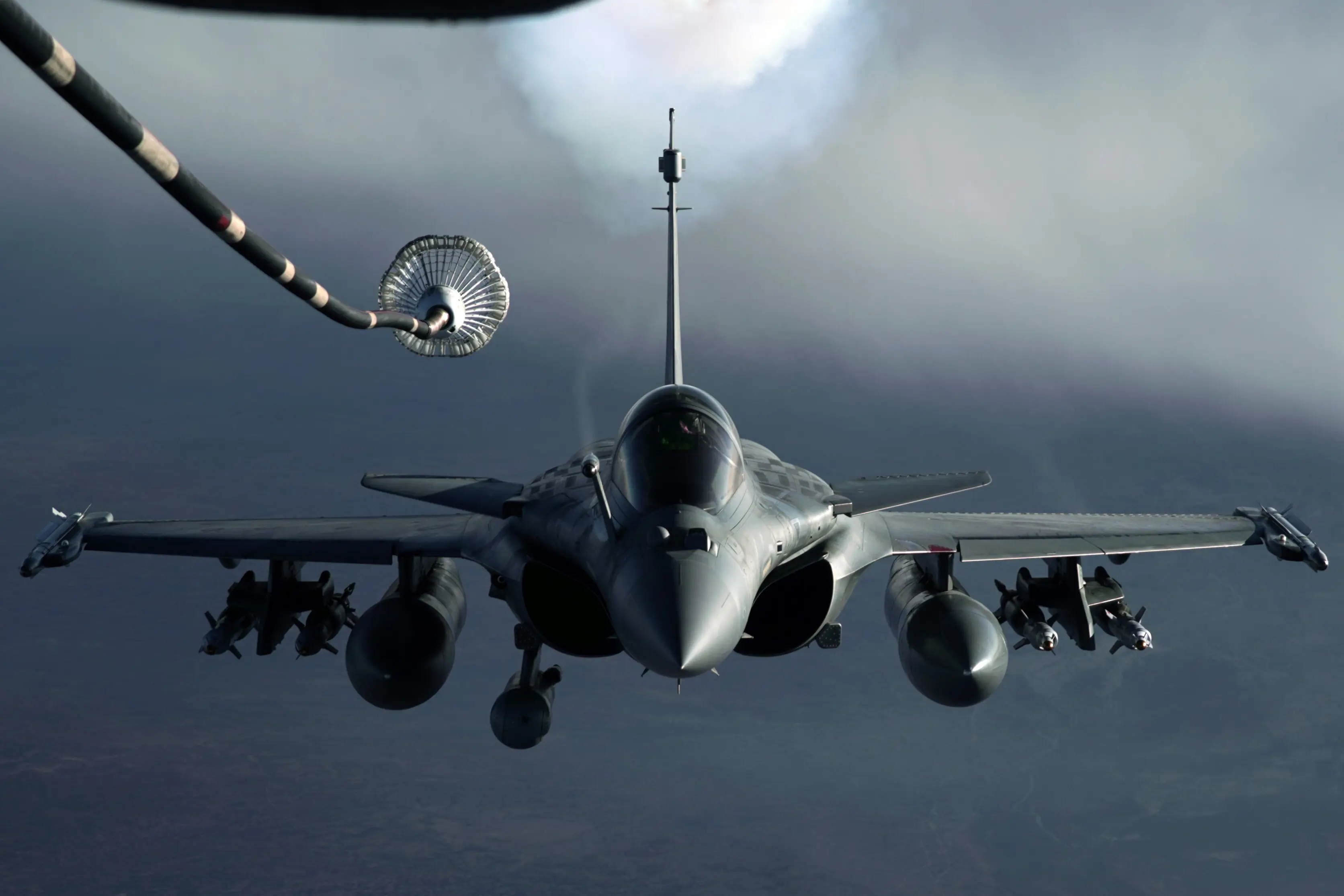
Fighter jets are built to be lightweight and highly manoeuvrable in Earth’s atmosphere. Spacecraft, on the other hand, must be strong enough to endure radiation, vacuum pressure, and re-entry stress. The two designs are almost opposite in purpose, which makes transforming one into the other extremely difficult.
Past Experiments
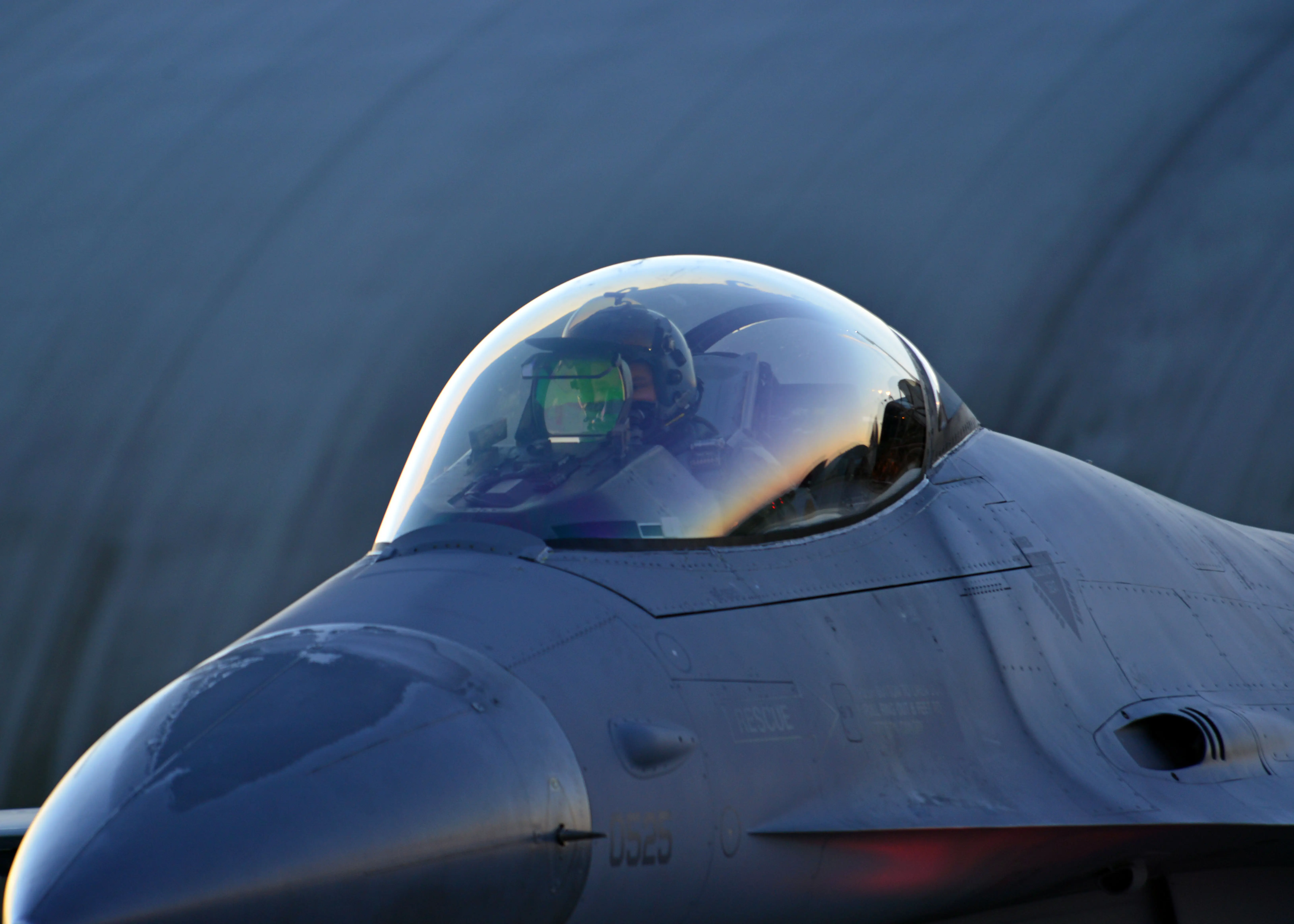
Despite the obstacles, there have been attempts at creating hybrid designs. The X-15 rocket plane in the 1960s flew to the edge of space, while the Soviet MiG-105 “Spiral” was designed as a jet-like spaceplane. More recently, projects like NASA’s X-37B and Sierra Nevada’s Dream Chaser have taken inspiration from fighter jet designs while adding space-ready technology.
Influence on Spaceplanes
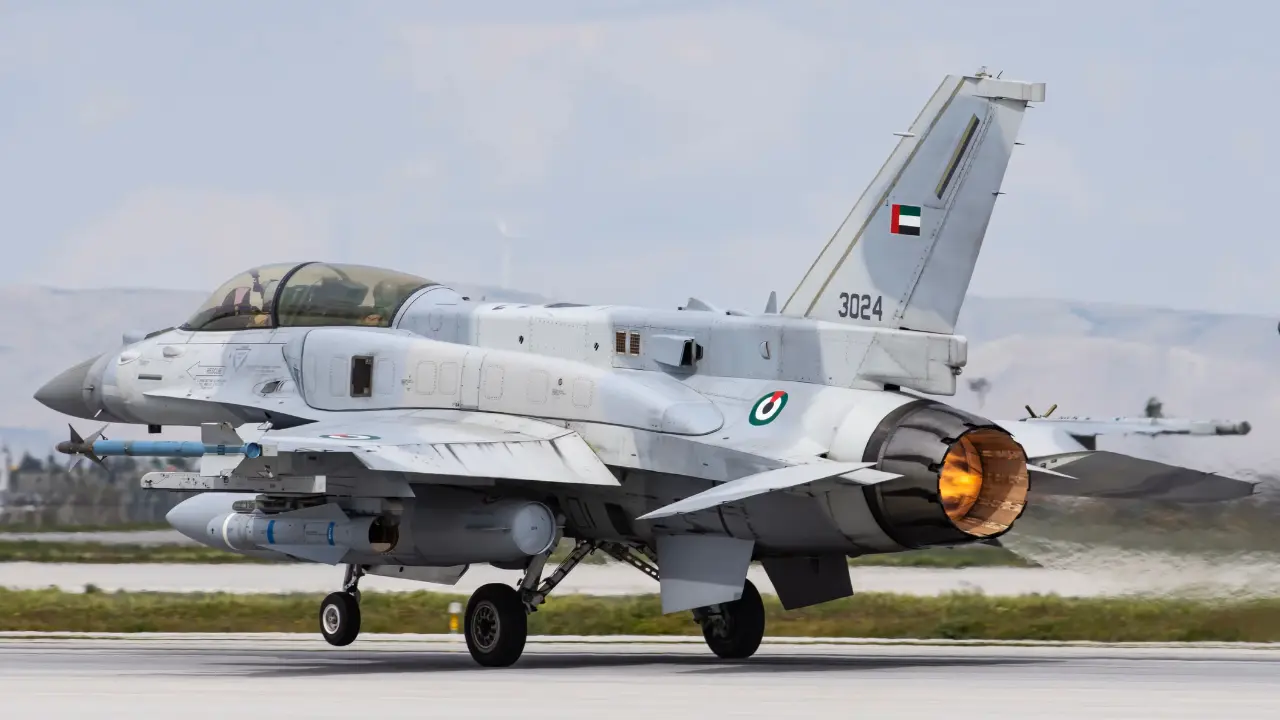
While fighter jets themselves may never reach space, their design and engineering have heavily influenced the development of spaceplanes. Sleek aerodynamic shapes, cockpit layouts, and manoeuvring principles have all carried over into spacecraft. In many ways, the fighter jet dream still lives on in modern reusable spaceplane concepts.
The Final Verdict
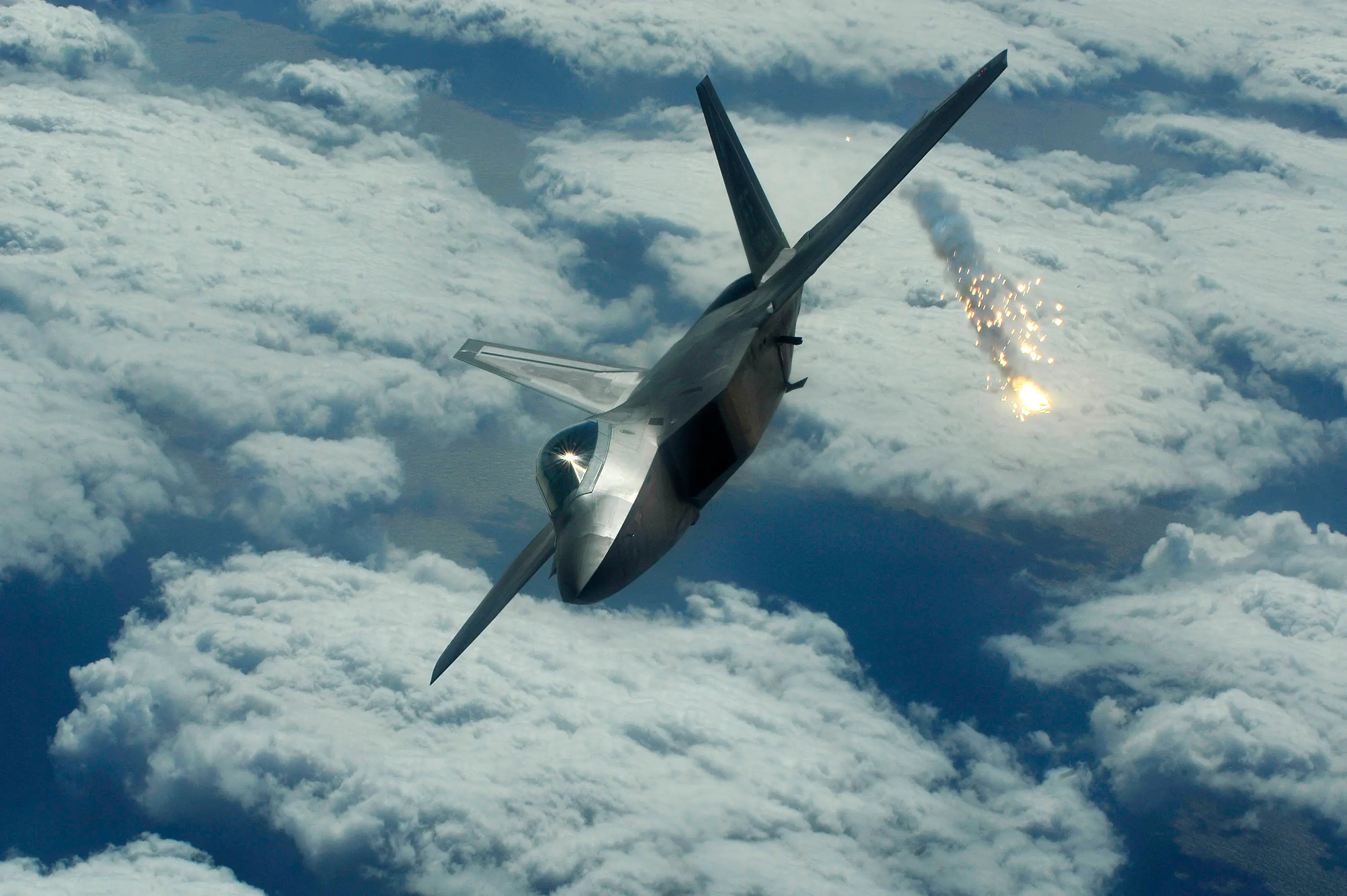
So, can a fighter jet be directly modified into a spacecraft? The answer is no. The physics and requirements of atmospheric flight versus spaceflight are simply too different. However, the inspiration fighter jets provide has shaped the way we design experimental spaceplanes and may one day lead to a vehicle that takes off like a jet and soars into orbit like a rocket.
)
)
)
)
)