Can a F-35 fighter jet go faster than a nuclear missile?

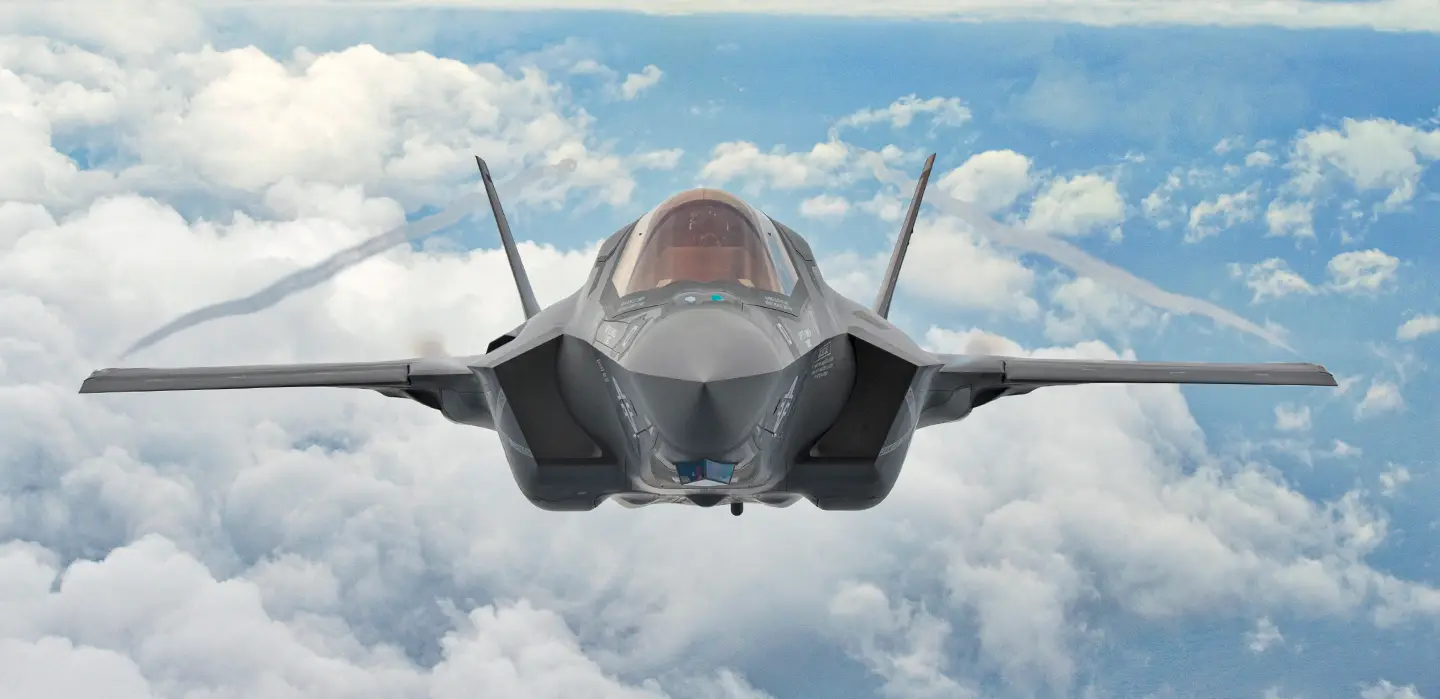
The F-35 is designed for versatility, combining stealth and multirole capability for ground attack, air superiority and reconnaissance.
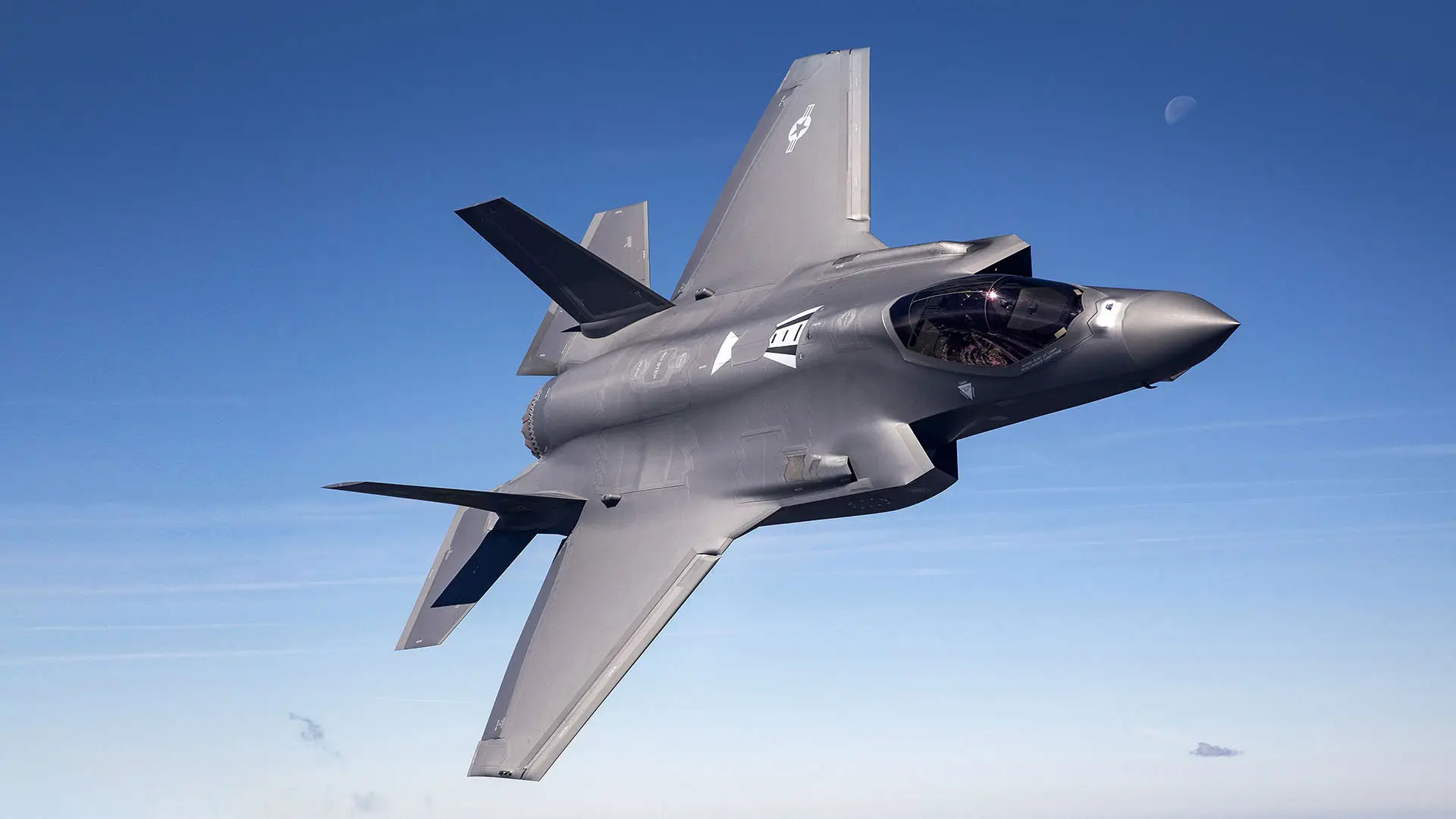
F-35 Lightning II
The F-35 Lightning II is one of the most advanced fighter aircraft ever built, combining stealth, cutting-edge sensors and multirole capability. But when it comes to sheer speed, can this modern marvel keep up with a nuclear missile streaking through the atmosphere at hypersonic velocity? To answer that, it’s worth comparing what each was engineered to do: one designed for flexibility and precision in combat, the other built purely for speed and devastating impact across continents.
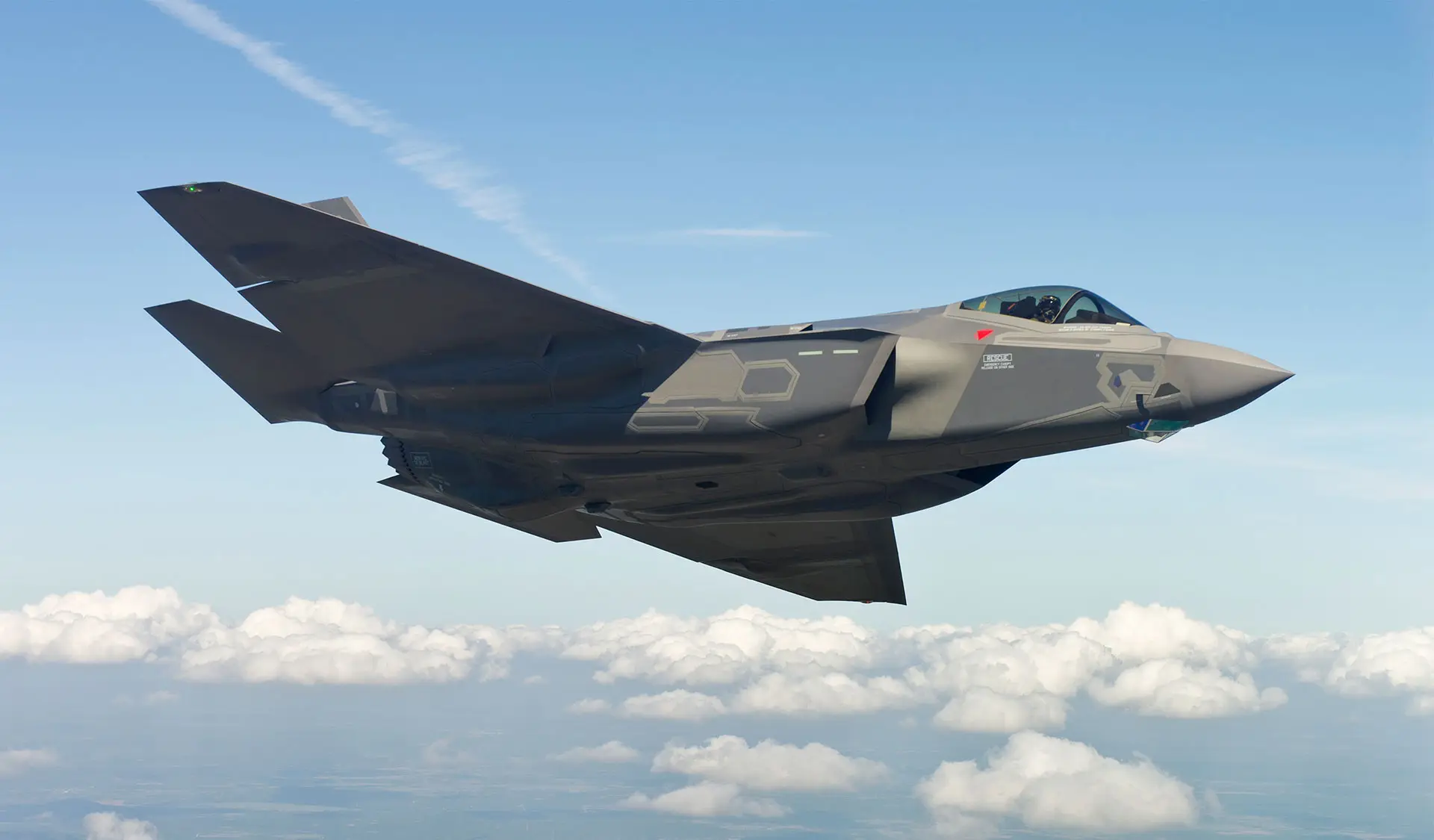
F-35 top speed
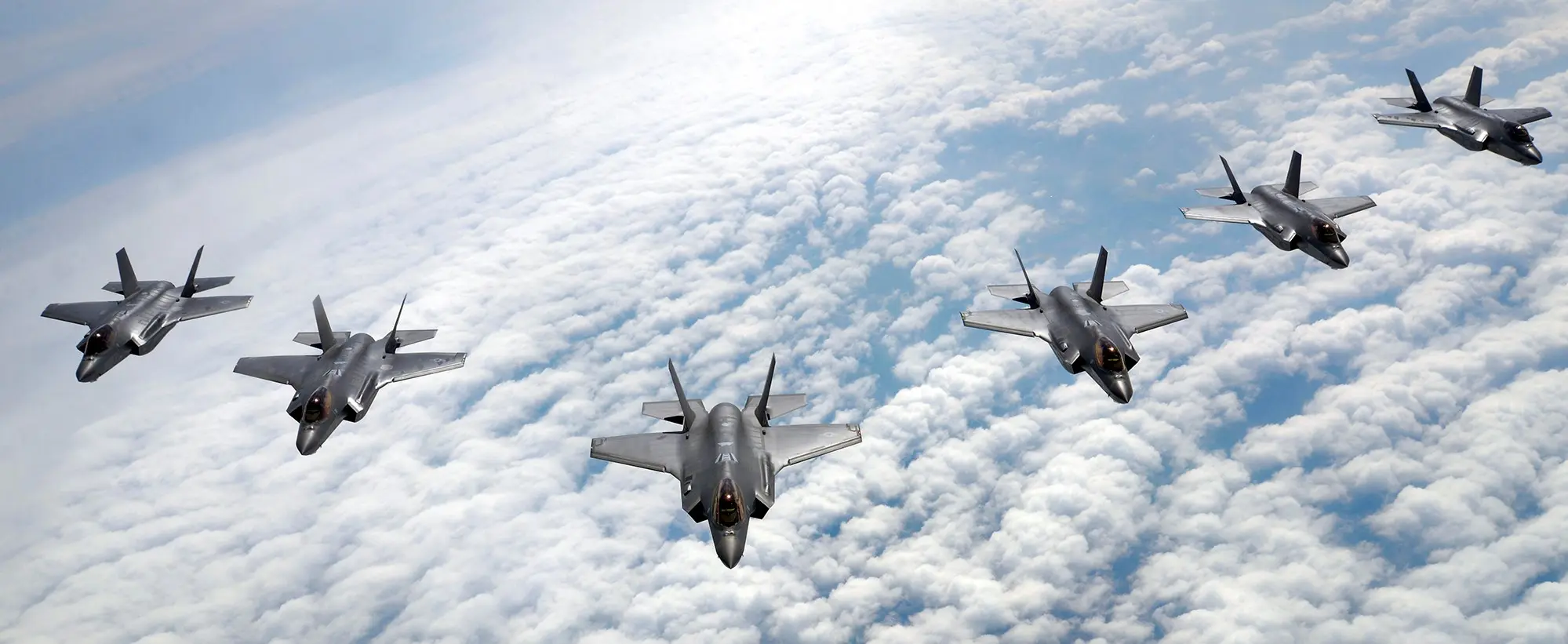
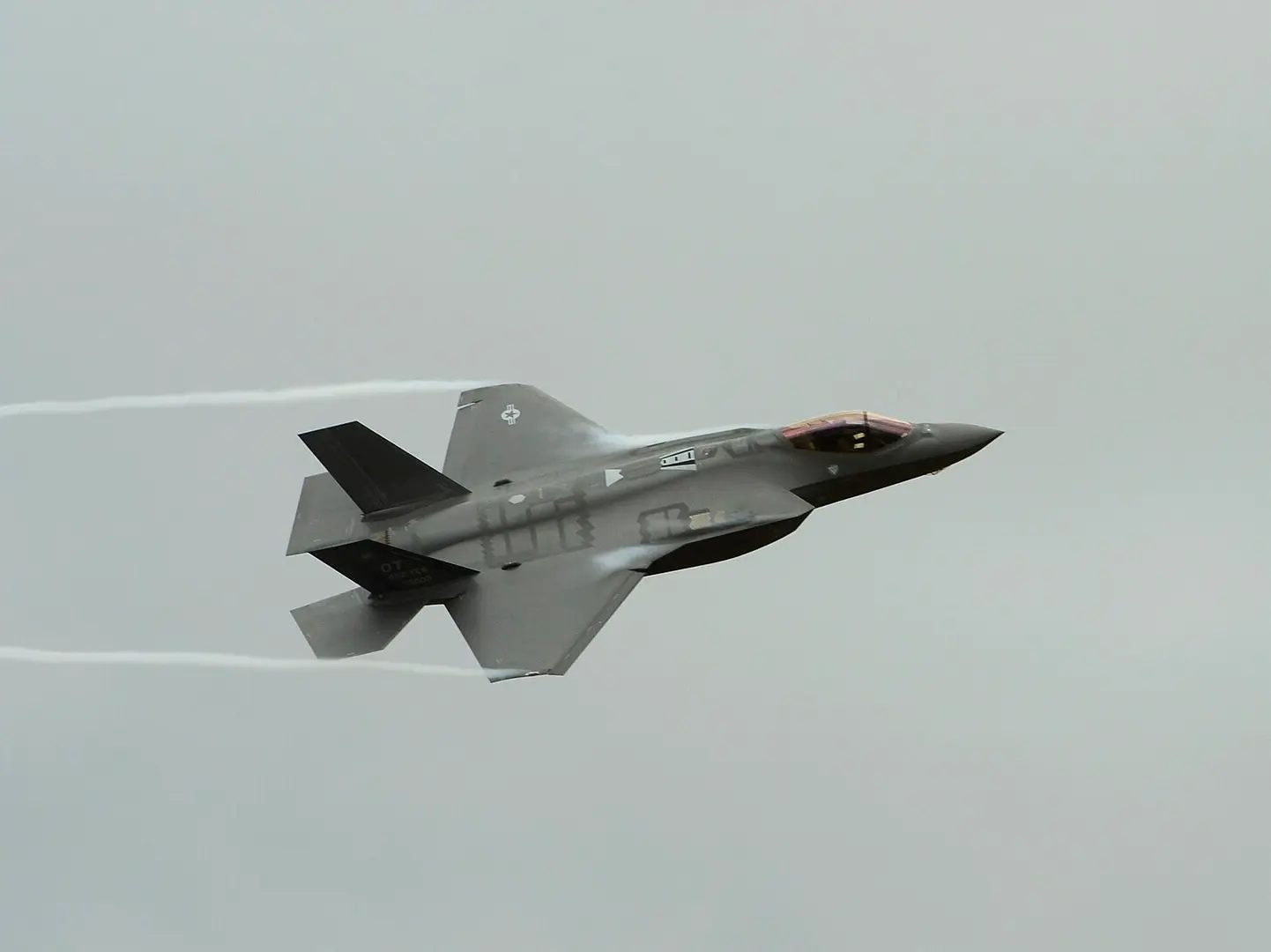
The F-35 has a top speed of approximately Mach 1.6, which is about 1,200 miles per hour or nearly 1,930 kilometres per hour at altitude. This makes it supersonic, allowing it to cover large distances quickly during combat missions. However, it is slower than some older fighters like the F-22, which can exceed Mach 2.
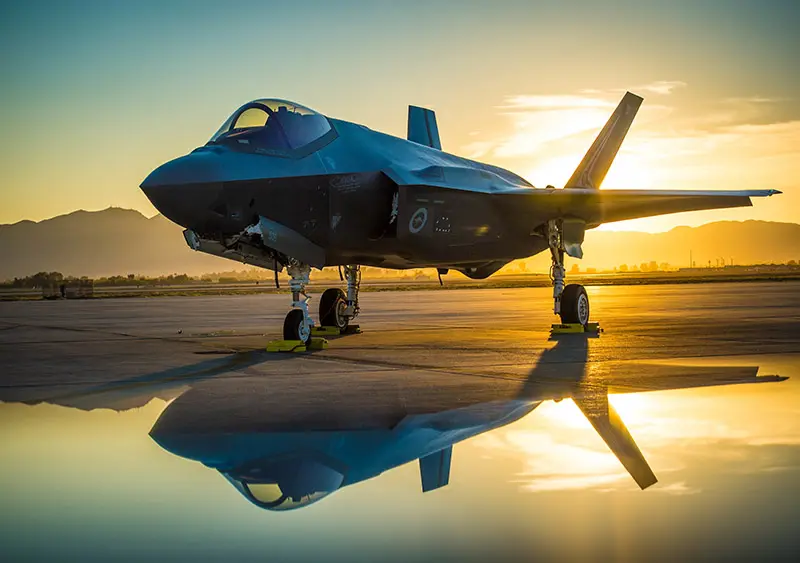
Speed of nuclear missiles
Modern intercontinental ballistic missiles (ICBMs), which are capable of delivering nuclear warheads, travel at speeds between Mach 20 and Mach 24 during re-entry. This translates to around 24,000 to 29,000 kilometres per hour, or roughly 15,000 to 18,000 miles per hour.
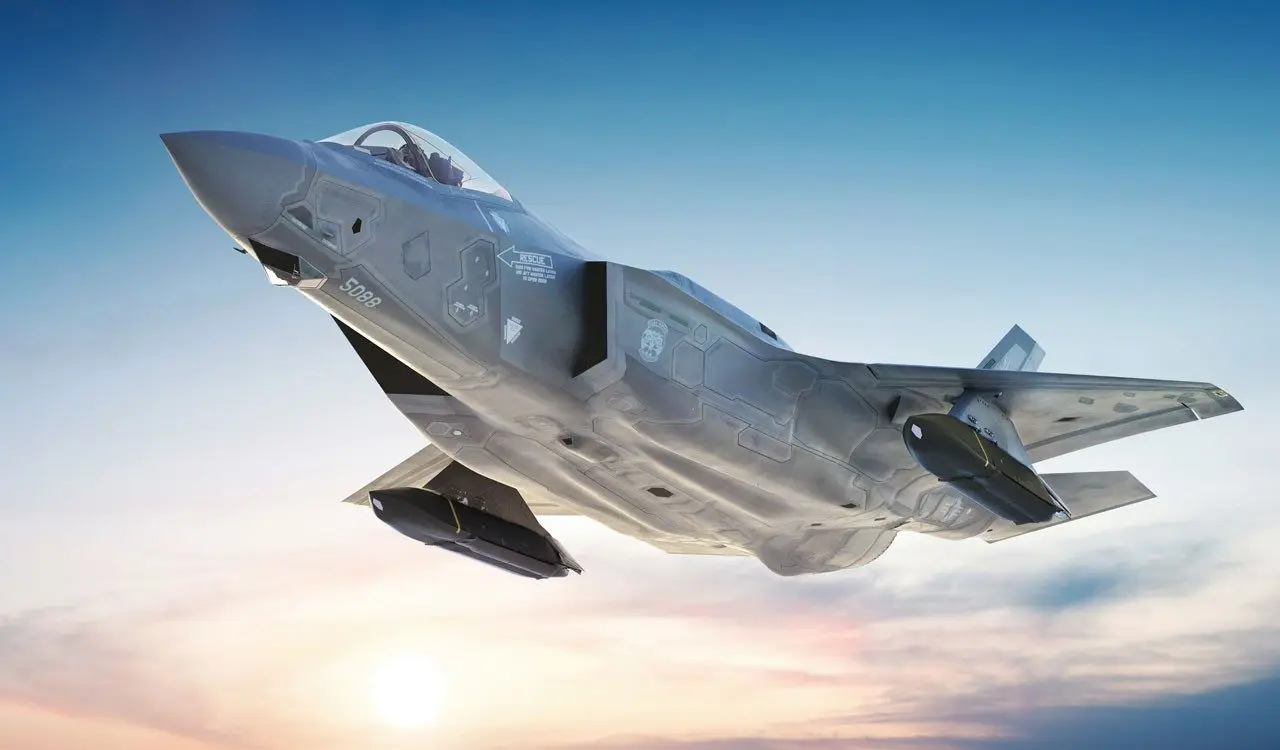
Different flight phases
An ICBM typically has three stages: boost, midcourse, and re-entry. The highest speeds are reached in the final re-entry phase when the warhead returns to the atmosphere. Even cruise missiles armed with nuclear warheads can reach speeds above Mach 2 to Mach 3, still outpacing the F-35.
Intended roles
The F-35 is designed for versatility, combining stealth and multirole capability for ground attack, air superiority and reconnaissance. It was never intended to intercept missiles travelling at hypersonic speeds. Conversely, nuclear missiles are built purely for speed and range to strike distant targets quickly.
Speed is not everything
Although the F-35 cannot outpace a nuclear missile, modern air defence relies on layered detection and interception systems, including radar, missile defence batteries and even directed-energy weapons in development. Speed alone does not determine survivability or effectiveness. In summary, an F-35 cannot go faster than a nuclear missile. While the jet can fly at over Mach 1, a nuclear missile can reach speeds far beyond Mach 20. Both serve very different strategic and tactical purposes in modern defence.
)
)
)
)
)