Call signs and codewords: Inside the secret world of Indian fighter jet pilots

From “Viper” to “Thunder,” most of the fighter pilots use call signs and codewords to fly, fight, and stay hidden. These nicknames aren’t just fun; in fact, it is for safety, strategy, and squad pride.
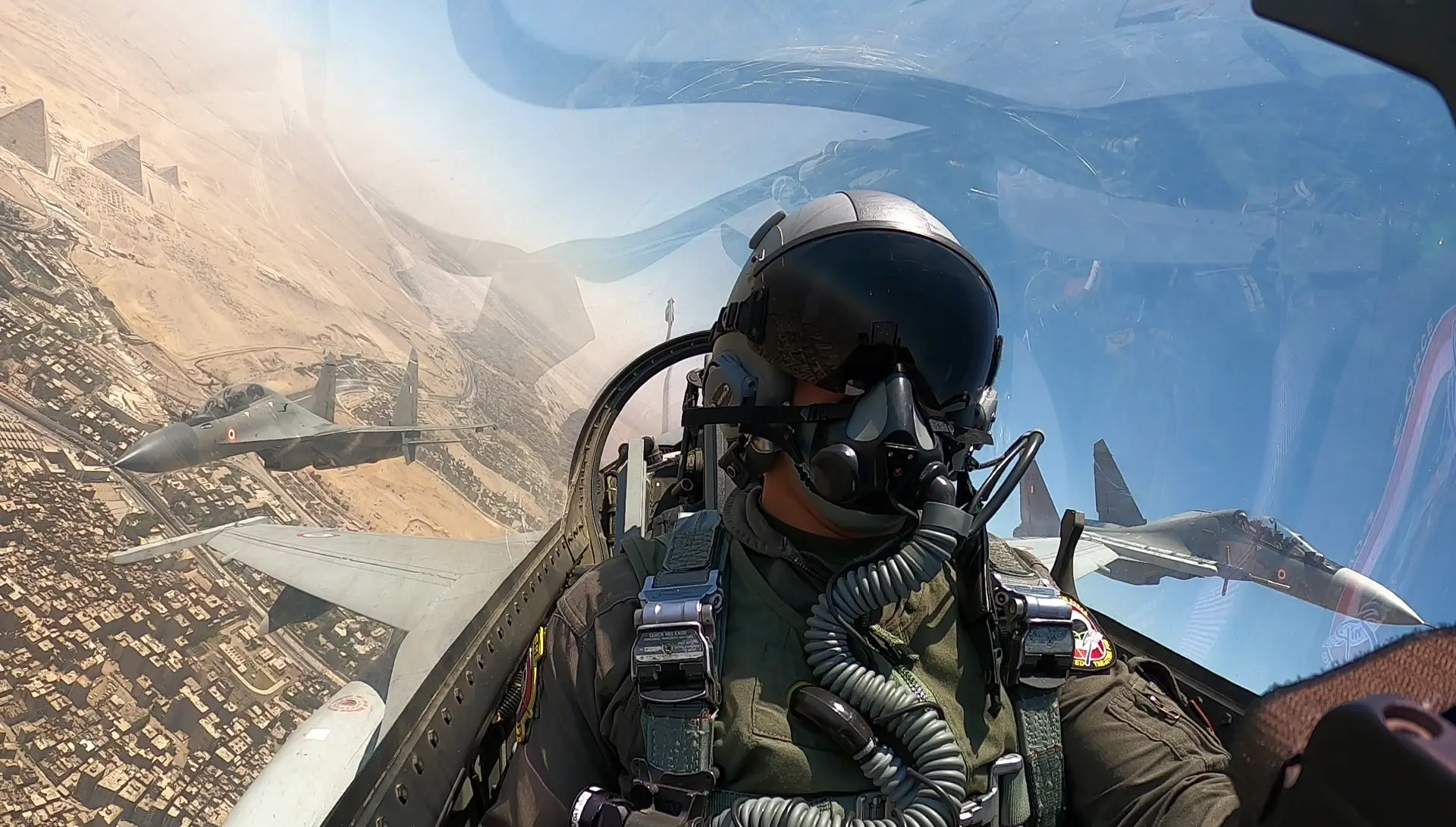
What Are Call Signs and Codewords?
Fighter pilots use special names called “call signs” and secret “codewords” in the sky. Call signs are like nicknames while codewords help send quick, safe messages during missions. Both are a key part of military flying, keeping talks short and clear, and it also boosts teamwork among pilots.
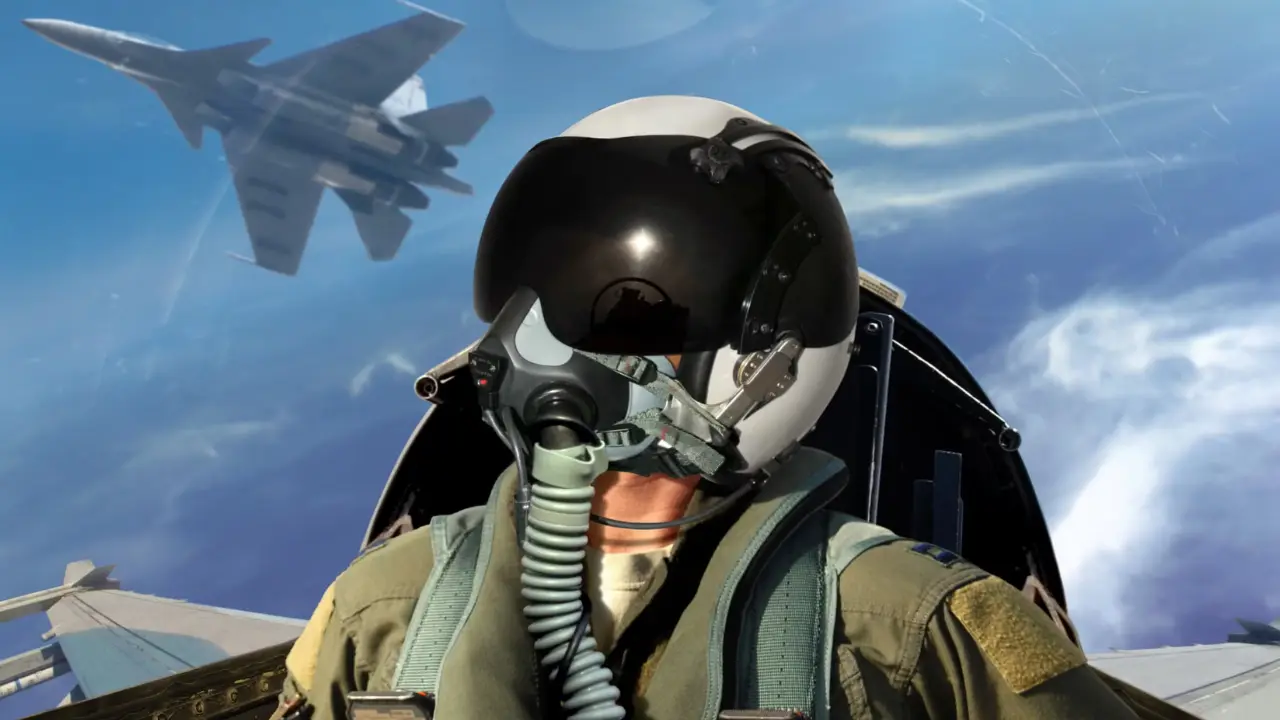
How Do Pilots Get Their Call Signs?
Call signs are not just chosen, they are earned. In the Indian Air Force, senior pilots and squadron mates give newcomers call signs based on their performance and habits, funny moments or skills. They avoid real names over radio for safety, so “Viper”, “Boss”, or even “Rocket” might be used in place of a real name.
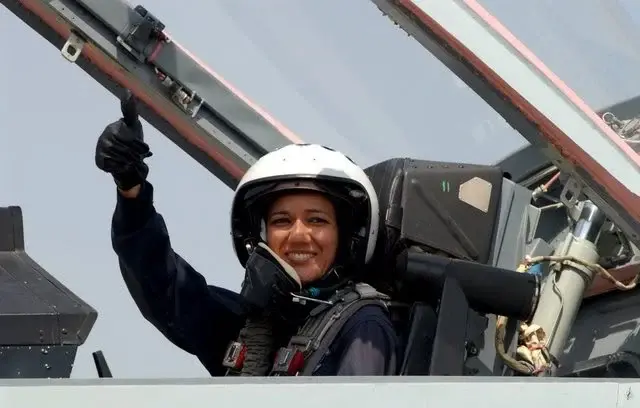
Call Signs in Indian Air Force Squadrons
In India, each squadron has its own traditions for picking call signs. Some are based on aircraft type or historic missions. For example, MiG-21 squadrons might prefer sharp, punchy names, while Sukhoi pilots could get bold or unique tags. Stories behind call signs often become legends in the squadron.
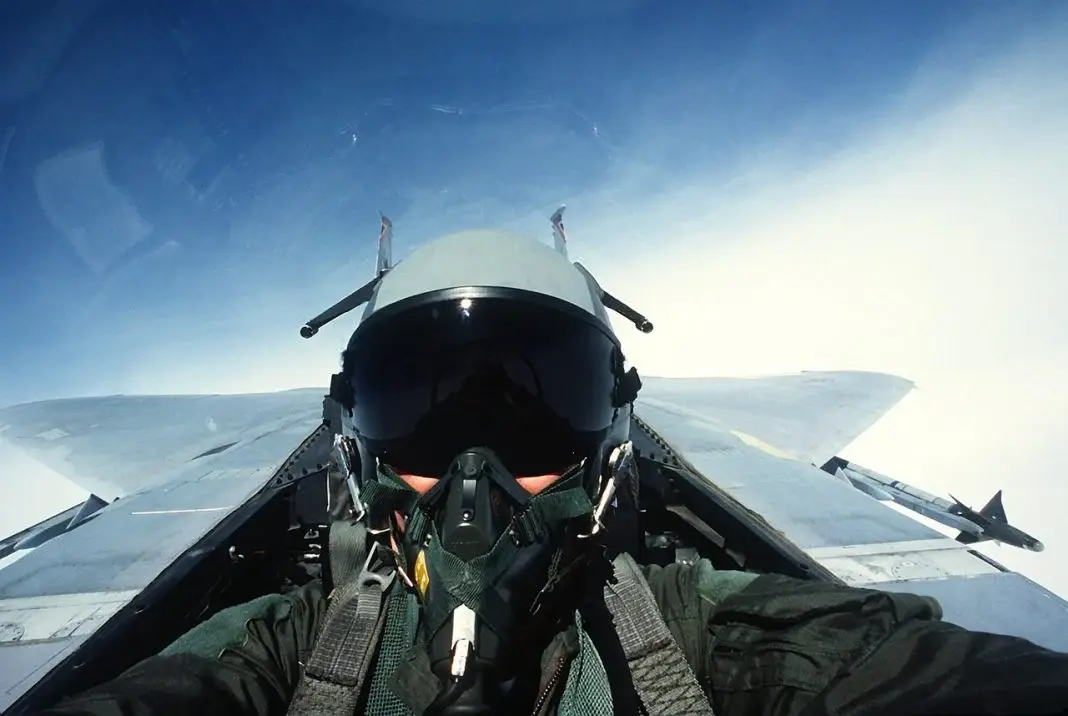
Why Codewords Matter in Combat
During real missions, plain language can be risky if enemies are listening. Codewords protect secret plans and confuse opponents. That is why pilots use codewords for formations (“Falcon”), attack orders (“Thunder”), or emergencies. This kind of code words helps to keep vital info hidden until the very last moment.
Fostering Camaraderie and Trust
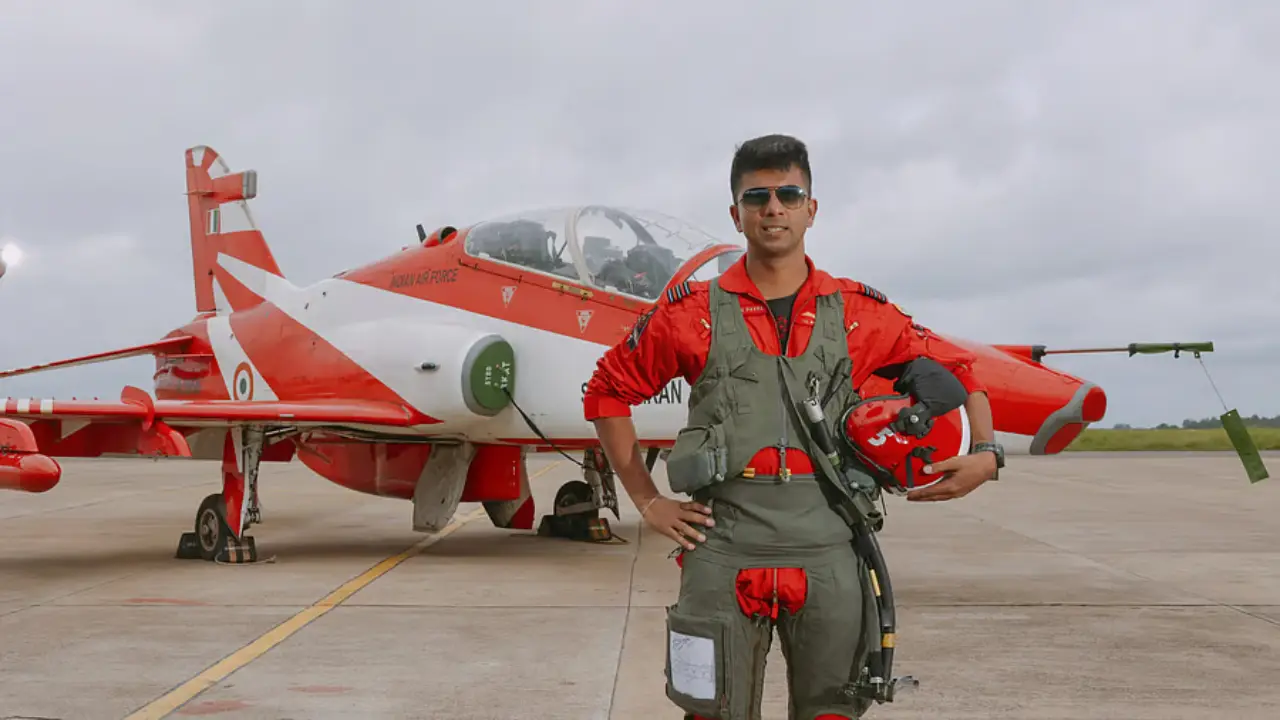
Sharing and using call signs builds trust. It also makes every mission private, connects everyone as a team, and helps boost morale in high-pressure moments. Many Air Force veterans say call signs create bonds that last a lifetime.
Air Combat Stories
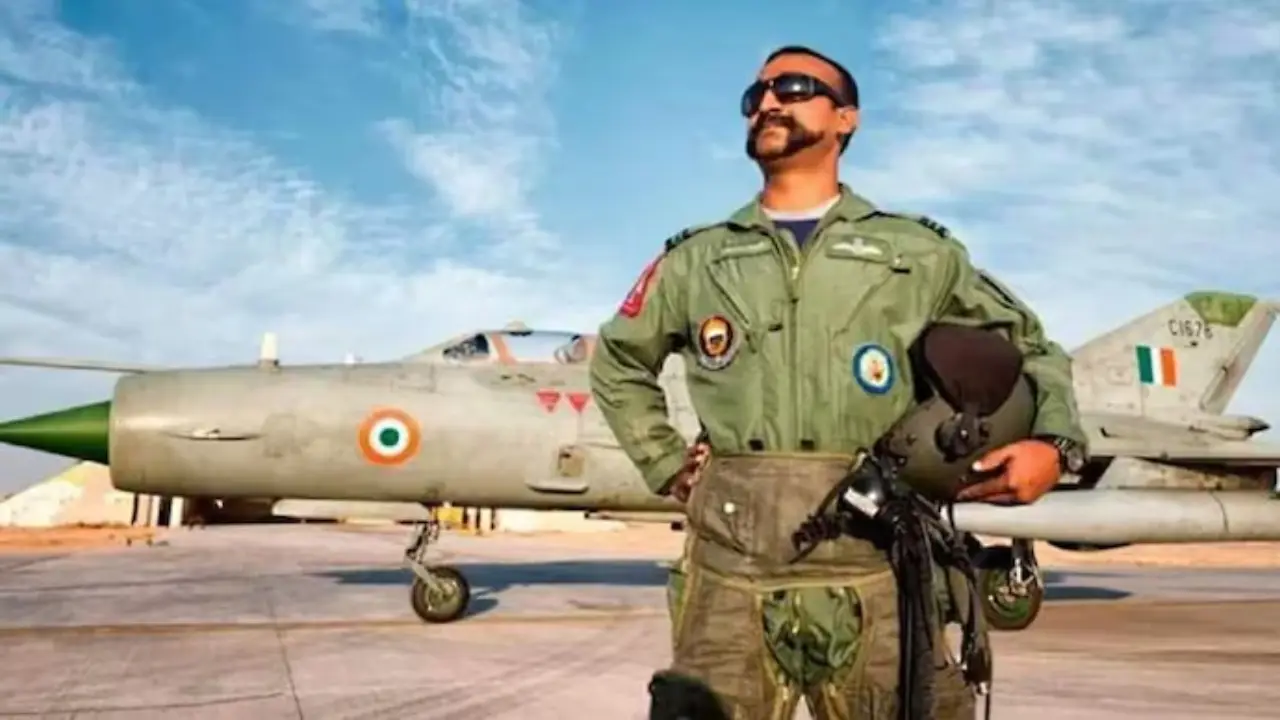
Indian Air Force heroes like Wing Commander Abhinandan Varthaman (“Abhi”) were known by both their call signs and real names in the news. In the Kargil War, codewords and call signs hidden in plain radio chat ensured everything in order even in chaos, as reported by retired officers and military historians.
The Secret Language Lives On
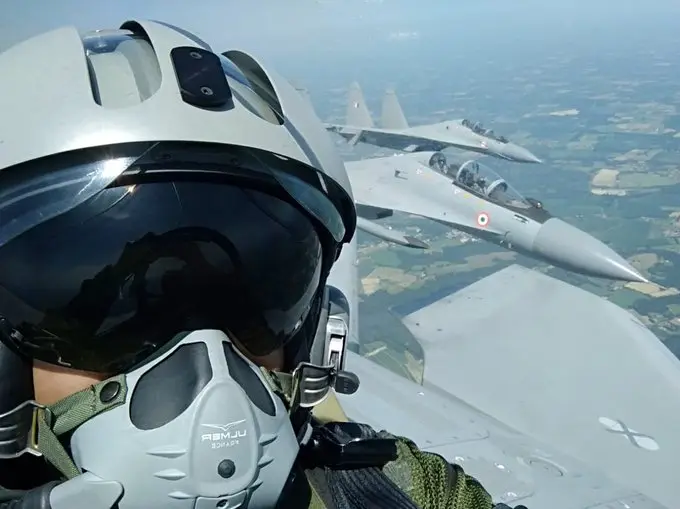
Today, with new fighter jets and advanced radios, Indian fighters still use call signs and codewords. The tradition is strong in the Indian Air Force unit pride, tradition, and safety all depend on this “secret language” in the sky. For pilots, it is more than words; it is a badge of honour.
)
)
)
)
)