California earthquakes: Coachella Valley shaken over 150 times in under 24 hours

Southern California earthquakes: Dozens of tremors were recorded in California from Monday night to Tuesday afternoon. Coachella Valley alone recorded over 150 seismic disturbances. USGS has warned that the activity could continue for seven days.
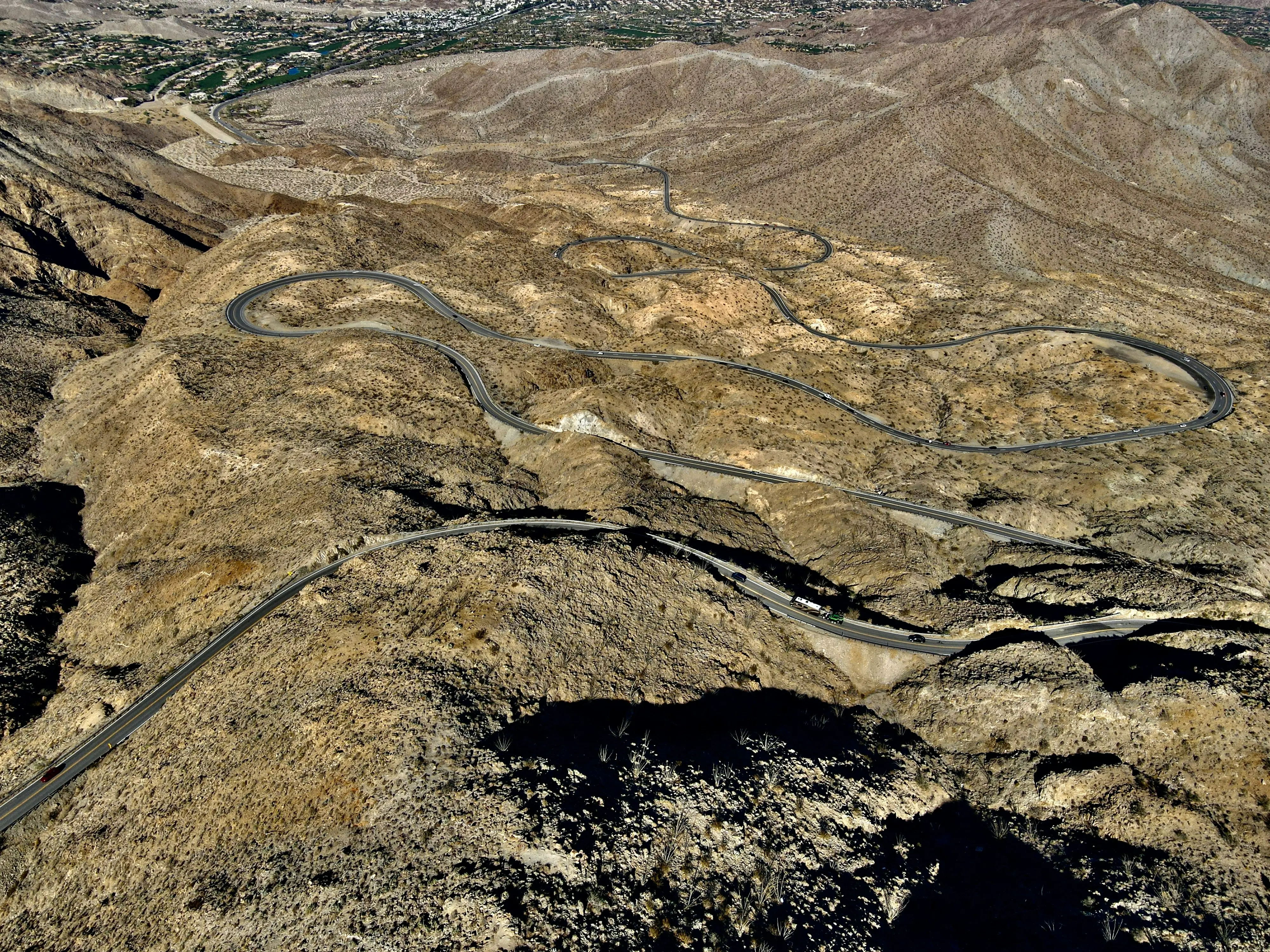
Southern California hit by earthquakes and aftershocks
Dozens of earthquakes struck Southern California in less than 16 hours, triggering fears that more of them could be on the way. People are wondering whether they could be a precursor to the Big One, a mammoth earthquake experts say is due in the state. The last one reported on Tuesday happened in the Coachella Valley, around 100 miles from Los Angeles and San Diego. The 3.8 magnitude temblor struck at 1.48 pm ET Tuesday at the Mission Creek strand, a region that sits along the San Andreas Fault and runs through the Coachella Valley.
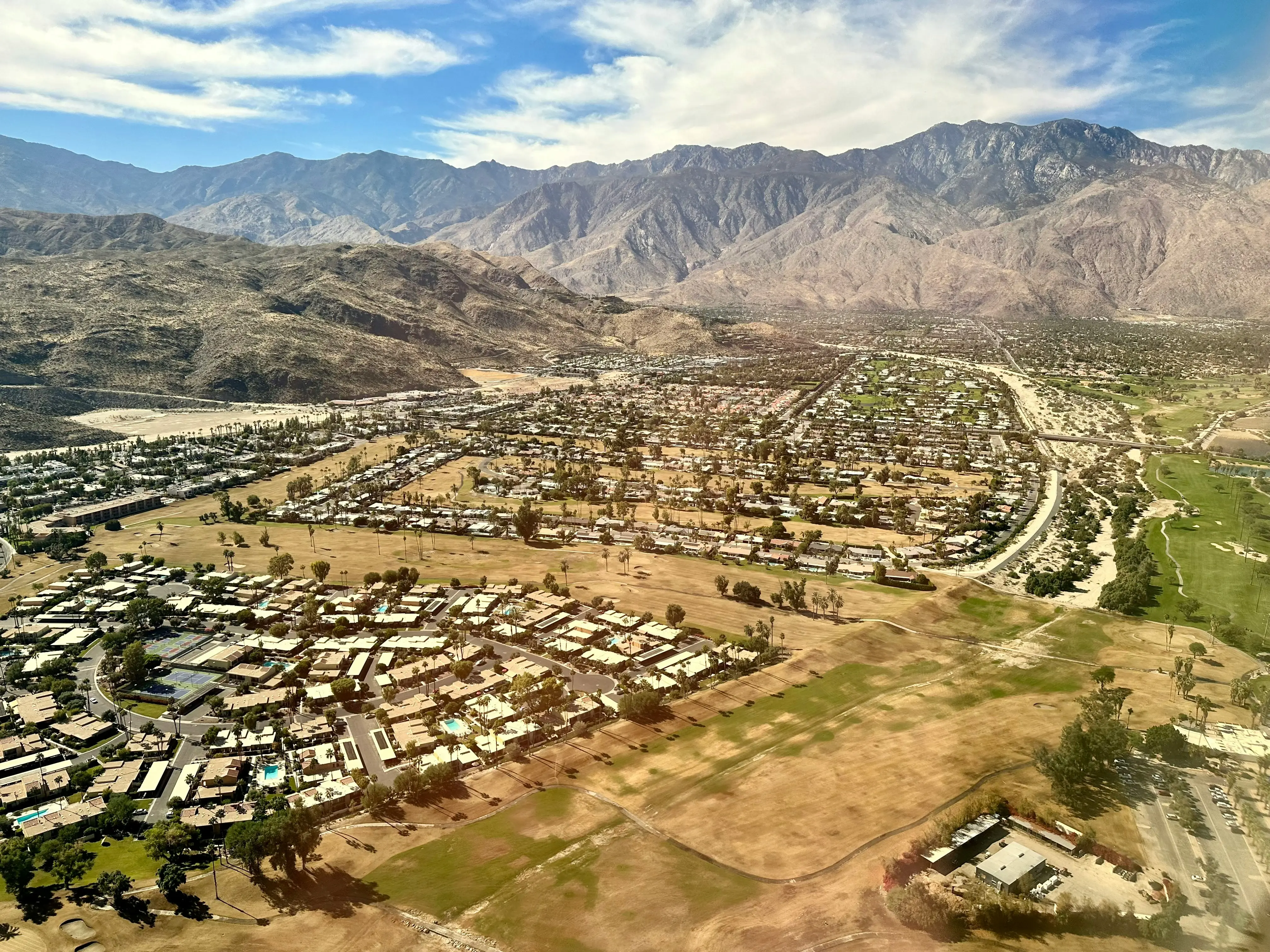
Coachella Valley struck by over 150 small tremors
The first earthquake was recorded around 9 pm ET on Monday in the exact same place, and measured 4.9. The epicentre was near Indio and was felt by over five million people in Los Angeles and San Diego. It was followed by more than a dozen aftershocks in 16 hours. Officials recorded more than 150 seismic disturbances in the Coachella Valley. However, most of them were just under two in magnitude.
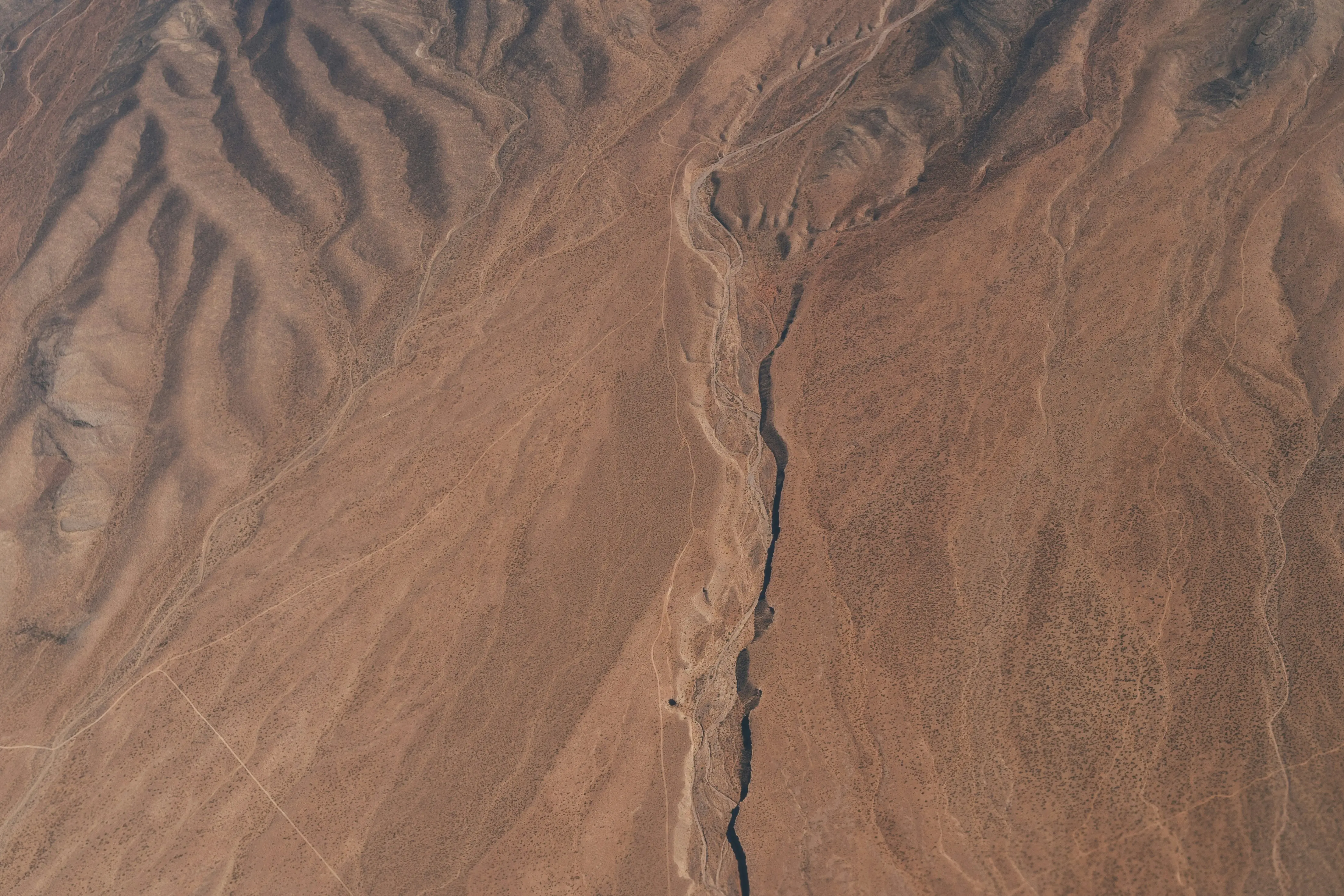
More earthquakes could slam California in next 7 days
California has been experiencing regular tremors in recent months, with dozens striking over a short period, then going silent, and then returning. US Geological Survey (USGS) officials have warned of similar tremors for the next seven days. The agency stated that there is a 98 per cent chance of more earthquakes with a magnitude stronger than 3.0, and a 39 per cent chance of aftershocks measuring 4.0 or greater.
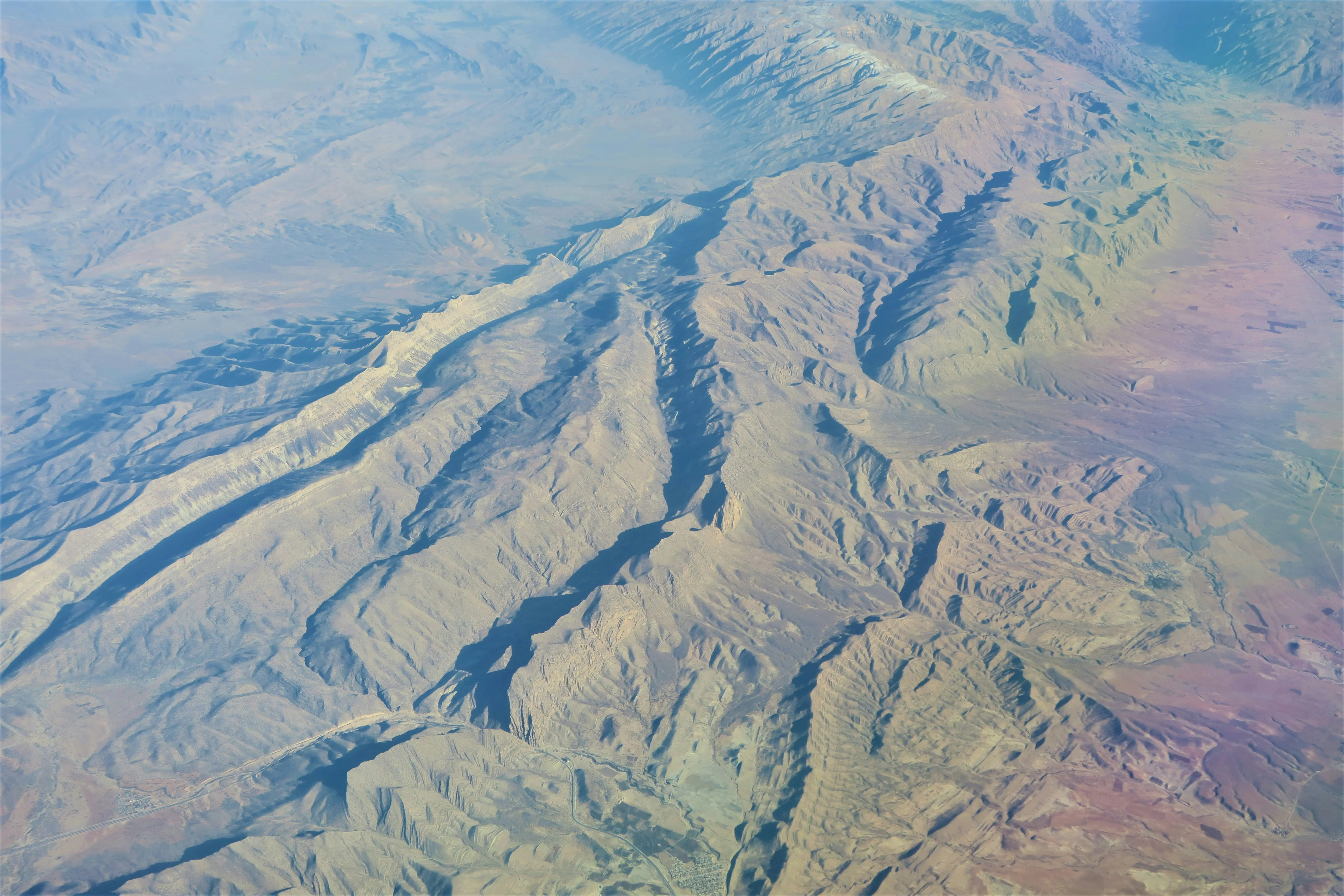
San Andreas Fault storing immense built-up stress
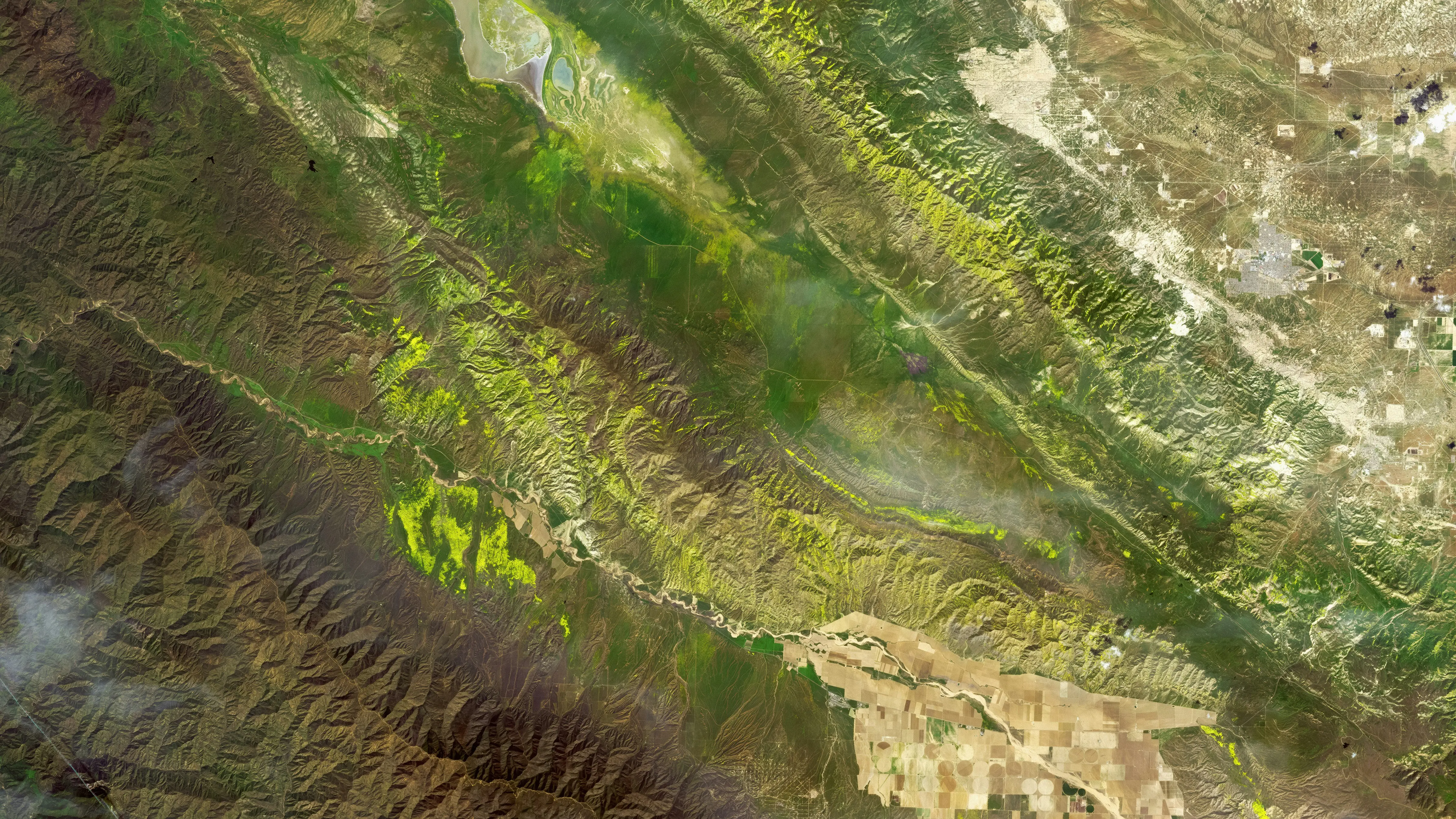
The sudden seismic activity has once again triggered fears of a major earthquake in California. The southern corridor of the San Andreas Fault witnessed a 7.9 magnitude earthquake in 1857 and is known as the Fort Tejon earthquake. Scientists say that this area is typically slammed by a major earthquake every 150 years. Which means that the next one is already due.
The Big One in California by 2043
The San Andrea Fault runs for nearly 1,300 kilometres from Southern California to the northern part of the state and the Pacific Ocean. The southern part is believed to be storing immense stress for centuries, and experts fear that when this energy is released, it will lead to a catastrophic event - the Big One. In 2015, USGS scientists said that there was a 95 per cent probability of at least one major quake hitting the region by 2043.
Nearly 100 per cent chance of major earthquake in Southern California
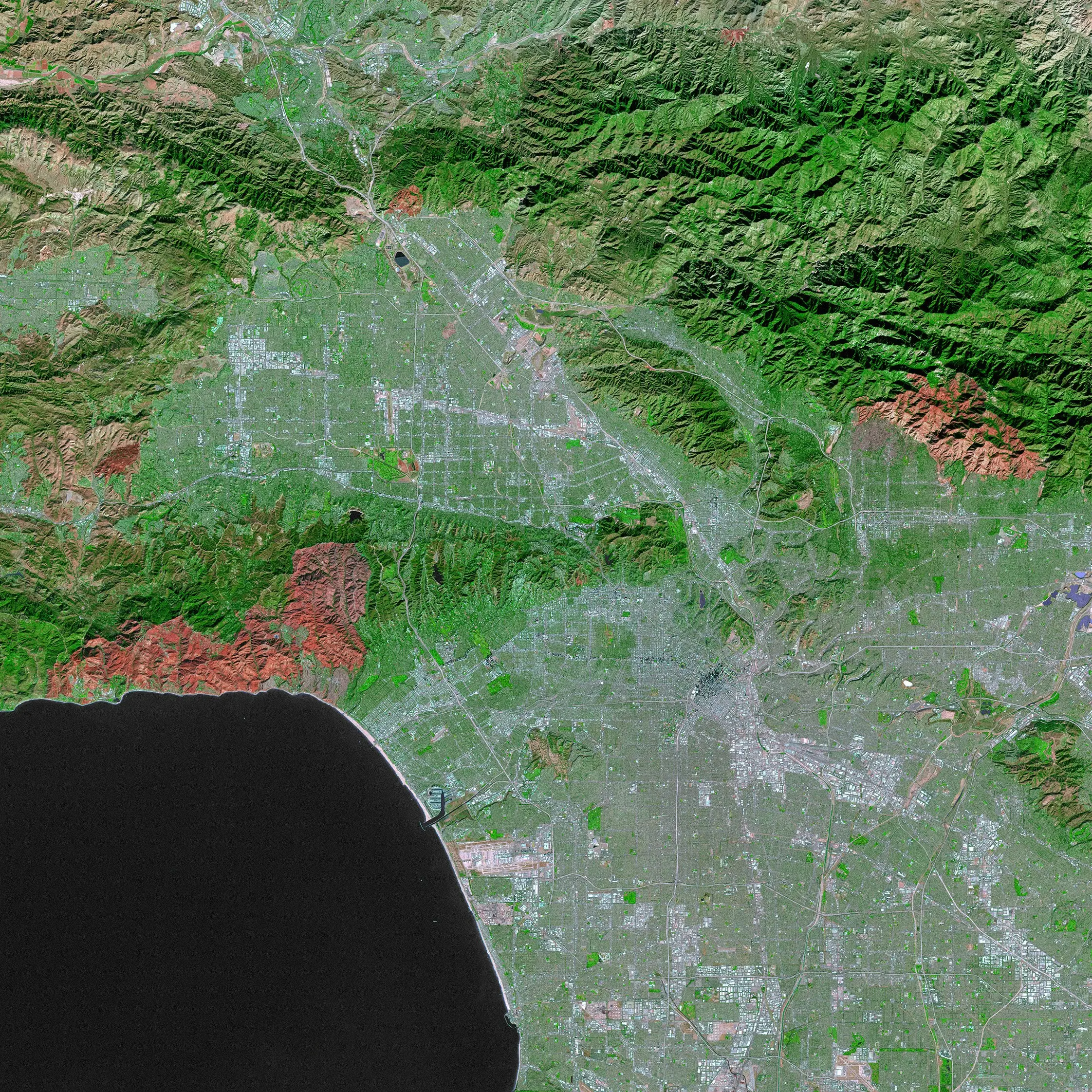
The risk to the San Francisco Bay Area, home to around eight million people, stands at 72 per cent. There is almost a 100 per cent chance that a magnitude 6.7 or higher earthquake could shake Southern California in the next few years. A 2021 study stated that the Mission Creek strand was largely driving seismic activity. Researchers say that this strand accounts for about 90 per cent of the total sliding movement in this part of California.
Deaths and damage from Big One
The Big One could kill 1,800 people and injure 50,000, according to scientific estimates. Damages worth $200 billion could occur, as a surface rupture of up to 13 feet is likely to tear through roads, pipelines, and rail lines. Two million buildings could take the hit, with 50,000 completely destroyed.
)
)
)
)
)