Cake, cookies, BBQ brisket in space? Inside NASA’s 189-item menu for Artemis II’s 10-day mission

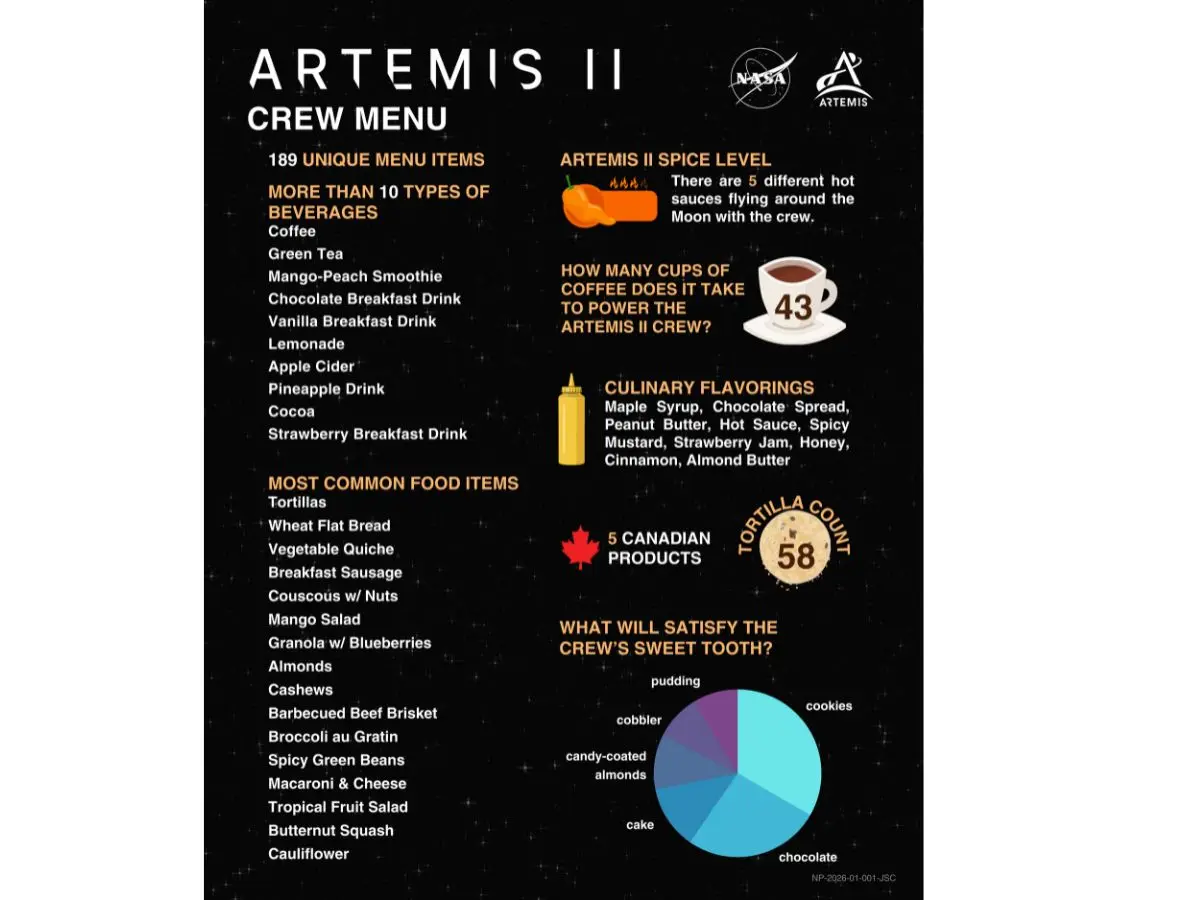
Menu selections are developed in coordination with space food specialists and the astronauts themselves, ensuring the right balance of calories, hydration and nutrients while also reflecting individual preferences. In total, the crew has access to 189 food items and more than 10 beverages.
A mission beyond low Earth orbit
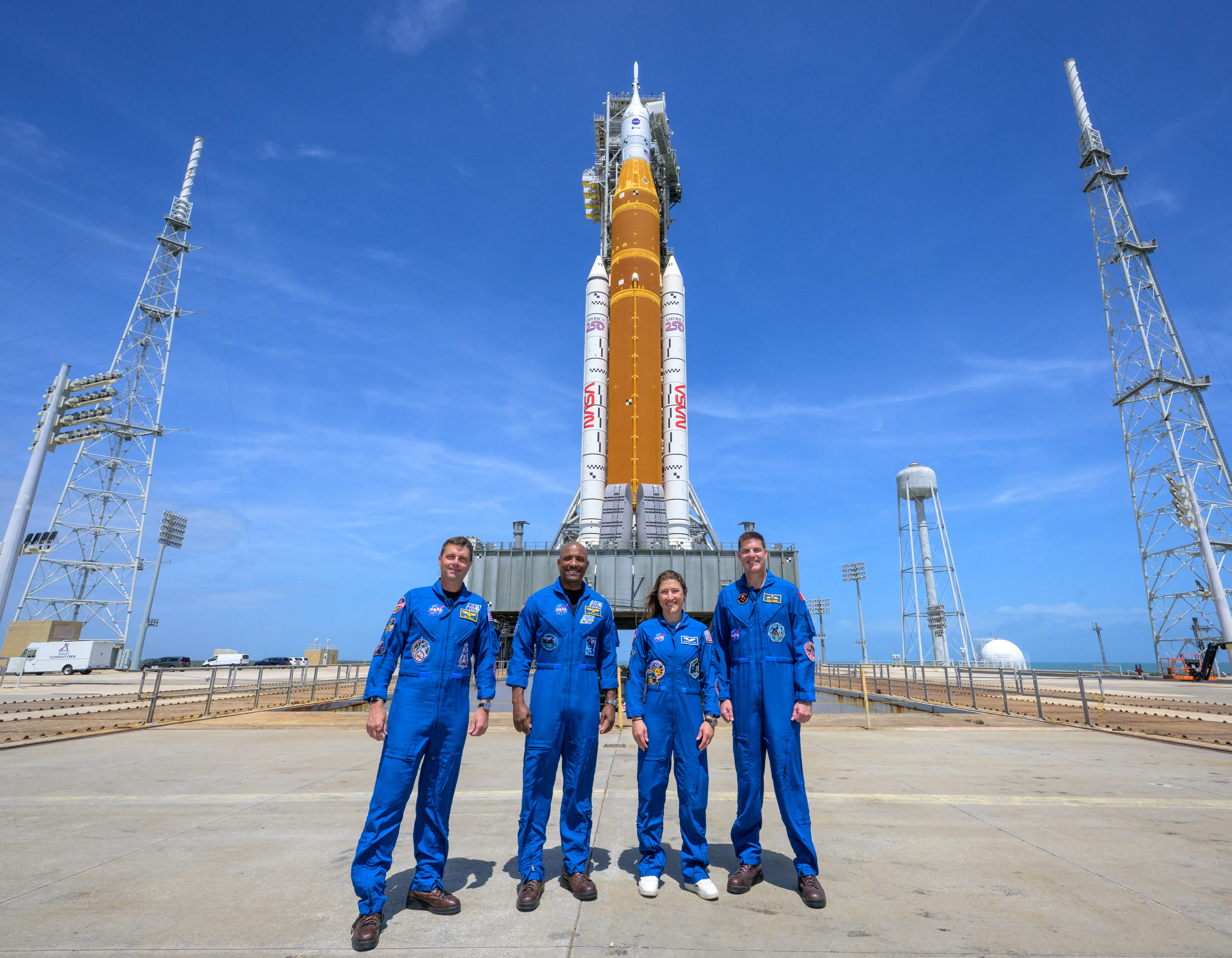
NASA’s Artemis II mission has lifted off from Kennedy Space Center, sending four astronauts on a 10-day journey around the Moon. The crew, Reid Wiseman, Victor Glover, Christina Koch and Jeremy Hansen, are travelling farther than any humans since the Apollo era, marking the first crewed flight of the Artemis programme.
Powering the journey
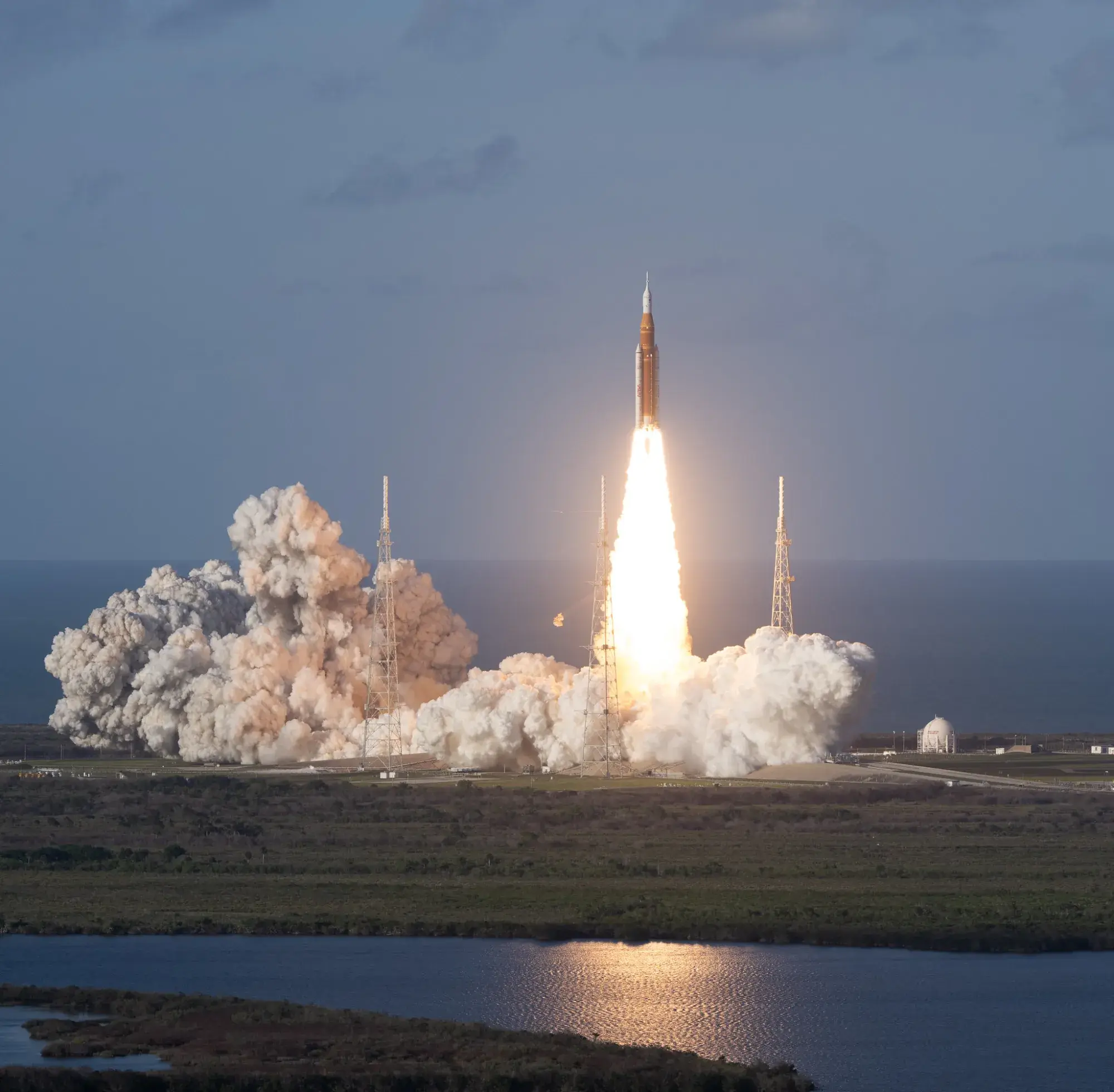
The Space Launch System, producing 8.8 million pounds of thrust, propelled the Orion spacecraft into flight. Weighing 5.75 million pounds, the rocket relies on twin solid boosters and four RS-25 engines. The mission is designed to test deep-space systems critical for future lunar landings and eventual missions to Mars.
A carefully planned space menu
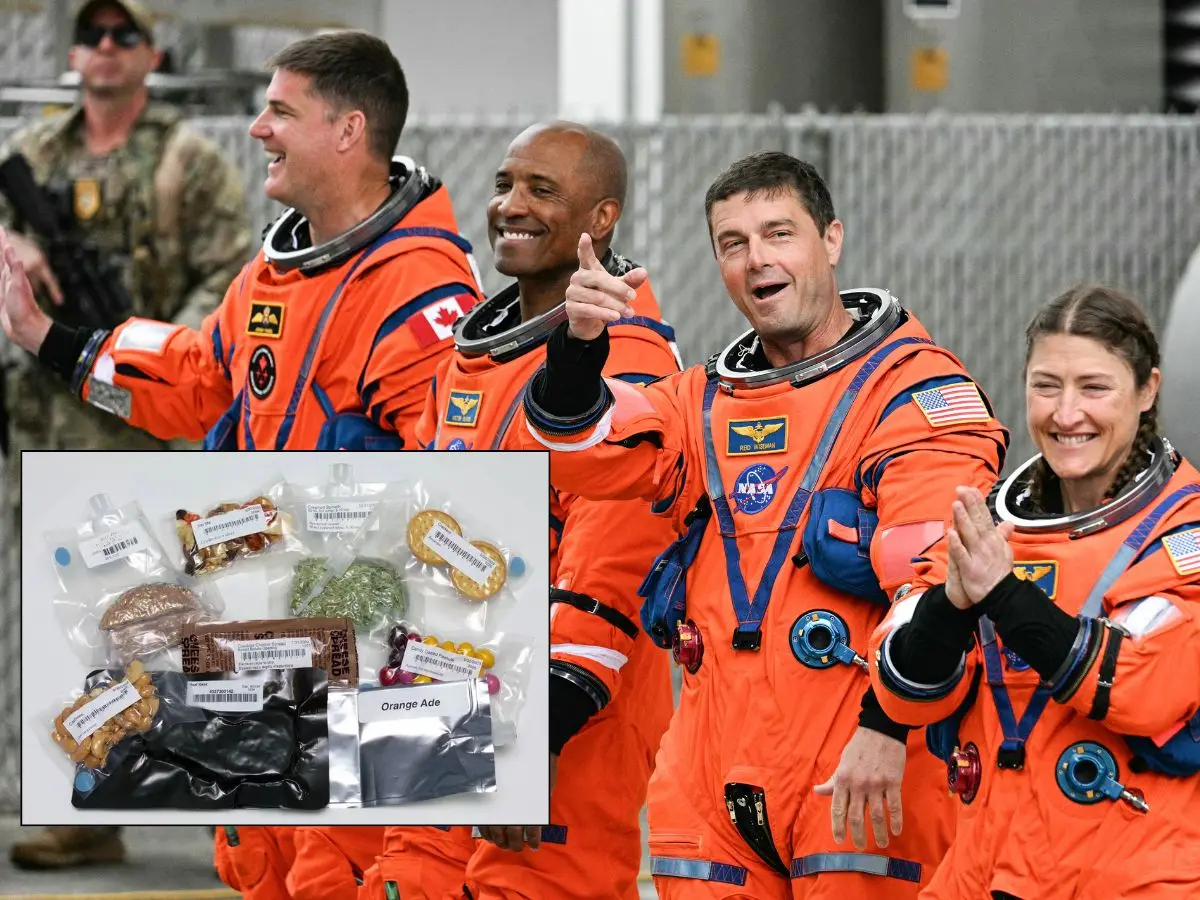
Unlike missions to the International Space Station, Artemis II carries no fresh supplies. All food must be pre-packed, shelf-stable and safe for the entire mission. NASA states that food selection balances “calorie needs, hydration, and nutrient intake” while incorporating crew preferences.
What’s actually on the menu
Food aboard the Artemis II mission is designed to support crew health and performance throughout the journey around the Moon. With no possibility for resupply, refrigeration or late loading, every item must be shelf-stable, safe, and easy to prepare and consume within NASA’s Orion spacecraft. Menu selections are developed in coordination with space food specialists and the astronauts themselves, ensuring the right balance of calories, hydration and nutrients while also reflecting individual preferences. In total, the crew has access to 189 food items and more than 10 beverages, including coffee, green tea and a range of fruit-based drinks.
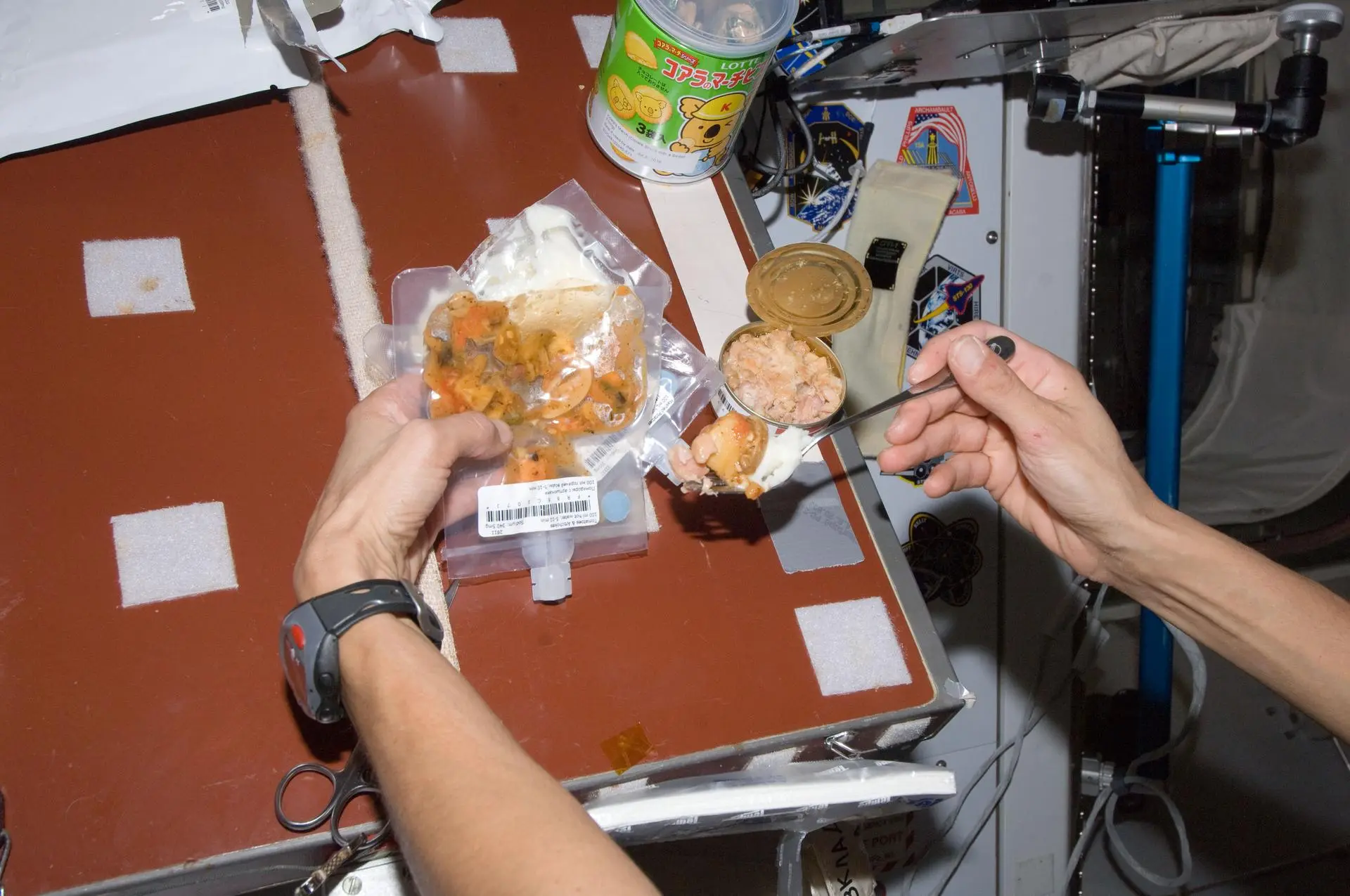
Eating in space: precision and limits
Astronauts follow structured meal times, breakfast, lunch and dinner, with two beverages allocated daily. Food must meet strict requirements: long shelf life, minimal waste, and compatibility with spacecraft constraints such as mass and storage. Sodium and iron levels are also controlled to protect bone density and overall health.

Everyday meals in orbit
The core menu reflects familiar, balanced meals adapted for space. Astronauts can choose from tortillas, wheat flatbread, vegetable quiche, breakfast sausage and couscous with nuts. Heavier dishes such as barbecued beef brisket, macaroni and cheese, broccoli au gratin and spicy green beans provide both energy and variety during the mission.
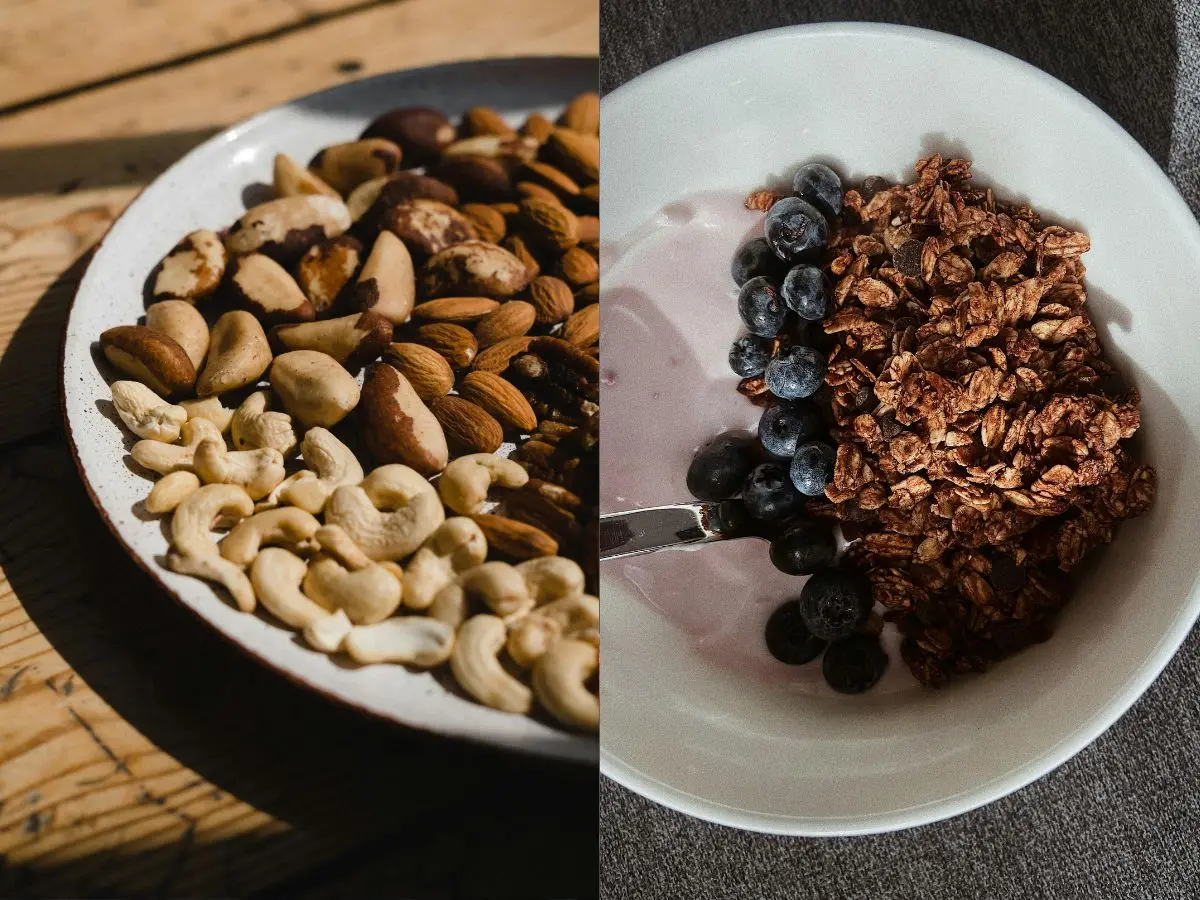
Snacks for sustained energy
Between meals, astronauts rely on compact, nutrient-rich snacks. Almonds, cashews and granola with blueberries are included for sustained energy, while mango salad and tropical fruit salad offer lighter options. These foods are selected to minimise crumbs and waste in microgravity.
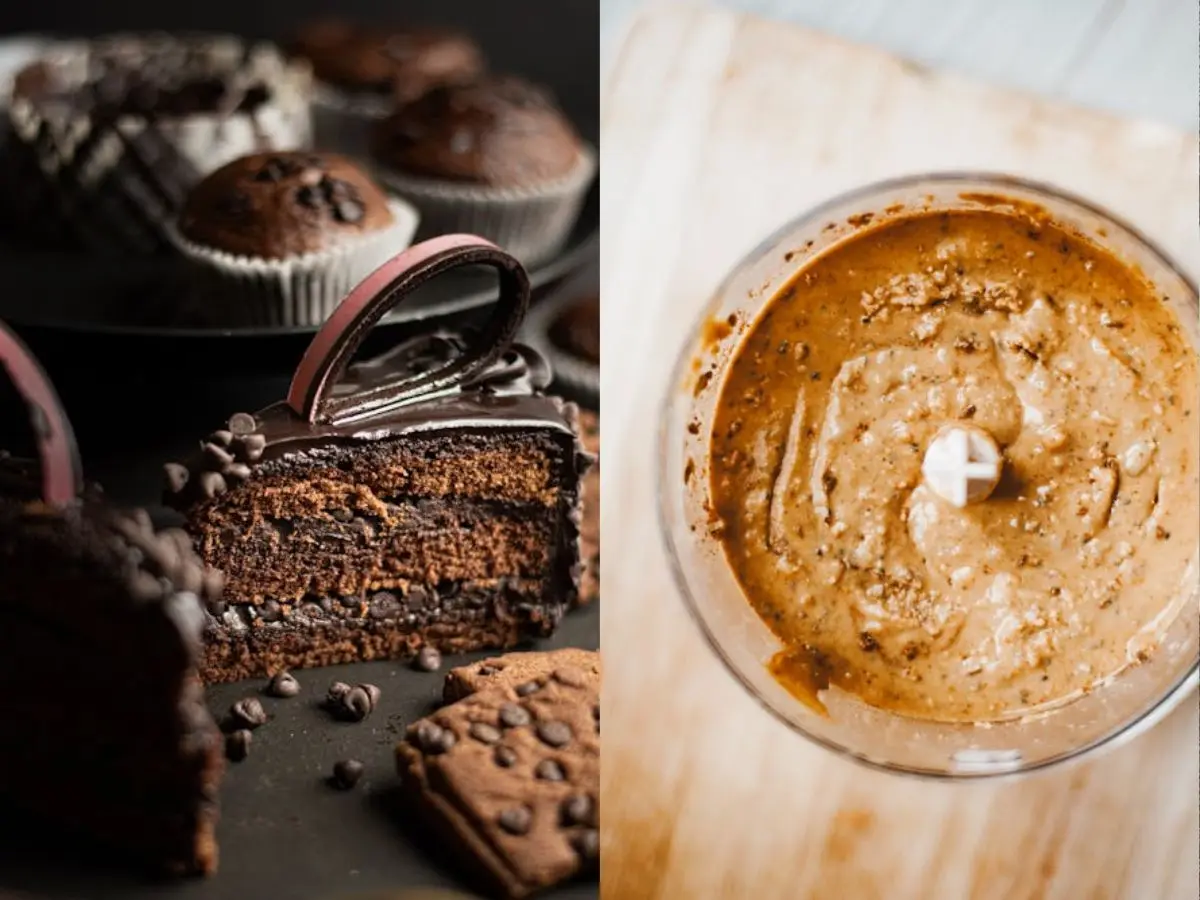
Sweets to boost morale
Desserts remain an important part of the menu. Cookies, pudding, cobbler, cake and chocolate are all included to satisfy the crew’s sweet tooth. Such items are not merely indulgent; they play a role in maintaining morale during a confined and demanding mission.

Beverages and hydration
The menu includes more than 10 beverage options, such as coffee, green tea, cocoa, lemonade and fruit-based drinks like mango-peach smoothies and apple cider. Each astronaut is allocated a limited number of drinks per day, with a total of 43 cups of coffee available across the mission.
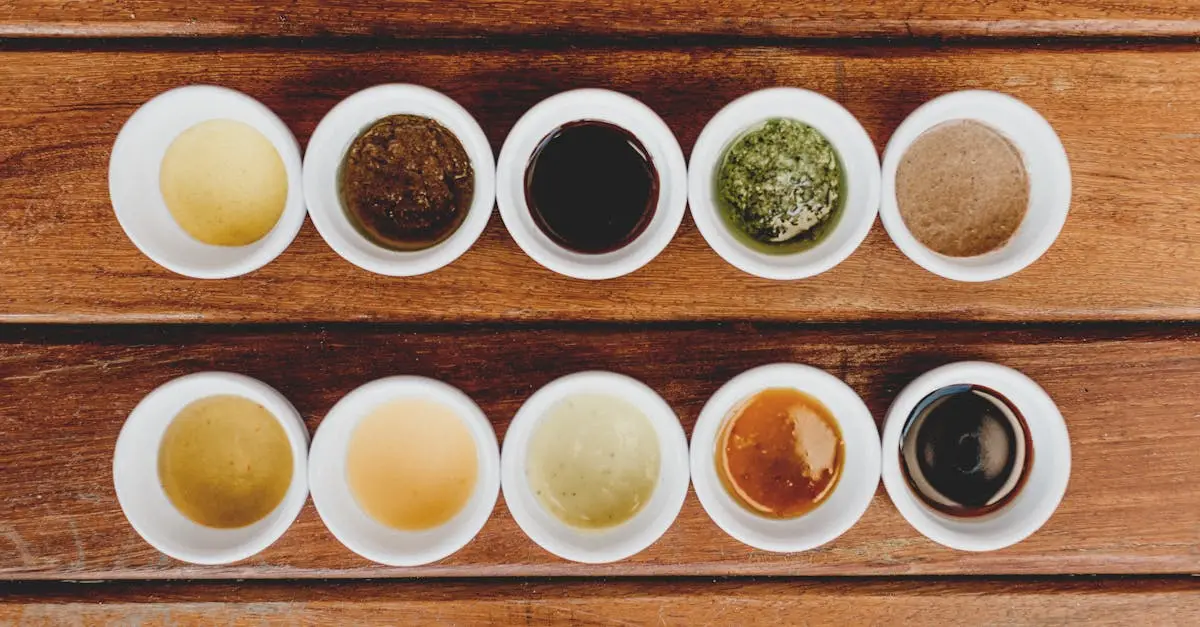
Seasonings and flavour in space
To counter reduced taste sensitivity in microgravity, a range of flavourings is provided. These include hot sauces, mustard, honey, maple syrup, peanut butter, chocolate spread and cinnamon. Five different hot sauces are carried, reflecting the importance of flavour in maintaining appetite.
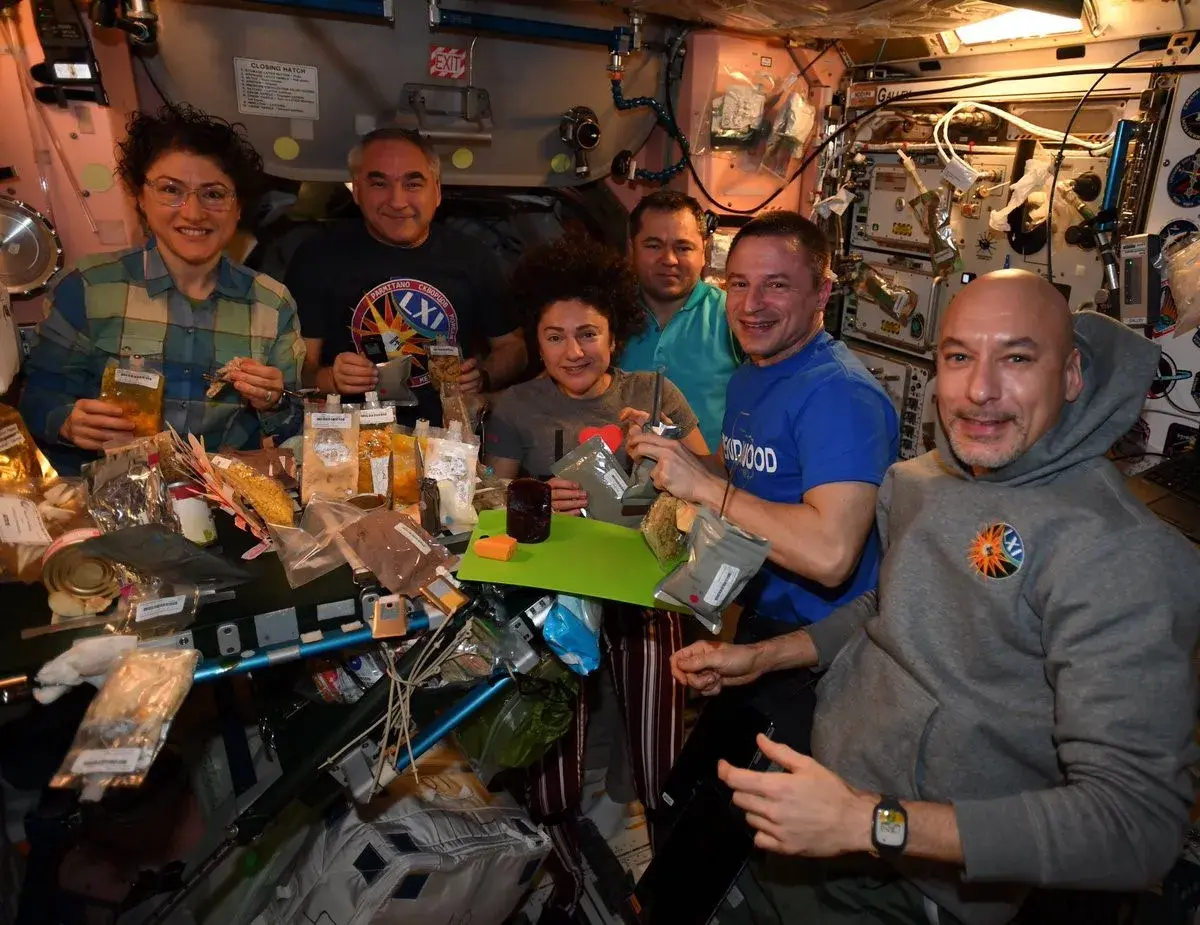
A system shaped by decades of learning
Modern space food reflects advances since early missions, when astronauts relied on tubes and freeze-dried items. Today’s menus are structured with scheduled meals and controlled nutrient levels. Artemis II’s approach shows how food has become a critical part of mission planning, supporting both health and performance beyond Earth orbit.
)
)
)
)
)