Business year-ender 2025: Top 7 market trends that shaped India’s economy this year

In 2025, key market trends shaping India's economy include robust Infrastructure Spending, a strong rebound in Private Consumption, significant growth in Manufacturing (PLI Scheme impact), and a booming Digital Economy (e-commerce, digital payments). Let's have a look at the top 7 trends.

1. India the fastest‑growing major economy
India again topped global growth tables in 2025, with the IMF raising its forecast to about economic growth of 6.7 per cent to 6.9 per cent this fiscal year and 6.5 per cent to 6.9 per cent the following fiscal. It is supported by direct income tax exemptions, an accommodative monetary policy, continued goods and services tax (GST) reforms and a possible trade deal with the United States, as per the data in Deloitte.
2. Ultra‑low inflation and rate‑cut debate
Retail inflation fell to a record‑low 0.25 per cent in October 2025, far below the RBI’s 4 per cent target band. With CPI under even the 2 per cent lower tolerance, markets widely expected the Monetary Policy Committee to cut the 5.5 per cent repo rate in December, intensifying debate about deflation risks versus supporting growth.

3. IPO boom despite flat indices
Between October 2024 and September 2025, 86 IPOs raised nearly Rs 1.71 lakh crore, almost double the previous year, while Sensex and Nifty delivered only low‑single‑digit returns. Fresh listings, often oversubscribed, outperformed the Nifty by about four times, fuelled by strong domestic liquidity from mutual funds, insurers and retail investors.

4. Retail‑driven equity market resilience
Even as foreign portfolio flows turned volatile and Nifty underperformed many Asian peers with roughly 4–6 per cent gains in 2025, domestic investors kept Indian equities supported. Systematic investment plans, rising demat accounts and a “buy‑the‑dip” mentality meant local money cushioned global shocks and financed record IPO pipelines.

5. Shift toward manufacturing and capex
IMF and RBI commentary highlighted manufacturing, construction and public capex as key growth drivers in 2025. Government infrastructure spending, production‑linked incentive schemes in electronics, autos and renewables, and an uptick in private‑sector capex signalled gradual rebalancing from consumption‑only growth toward investment‑led expansion.

6. Services exports—IT and beyond
Services exports, particularly IT, business‑process management, consulting and remote health/education, continued to offset merchandise‑trade headwinds. IMF’s Article IV report noted strong external‑sector buffers, with robust remittances and services surplus helping stabilise the current account despite higher energy prices and tariff‑related uncertainties.
7. RBI’s cautious ‘neutral’ stance
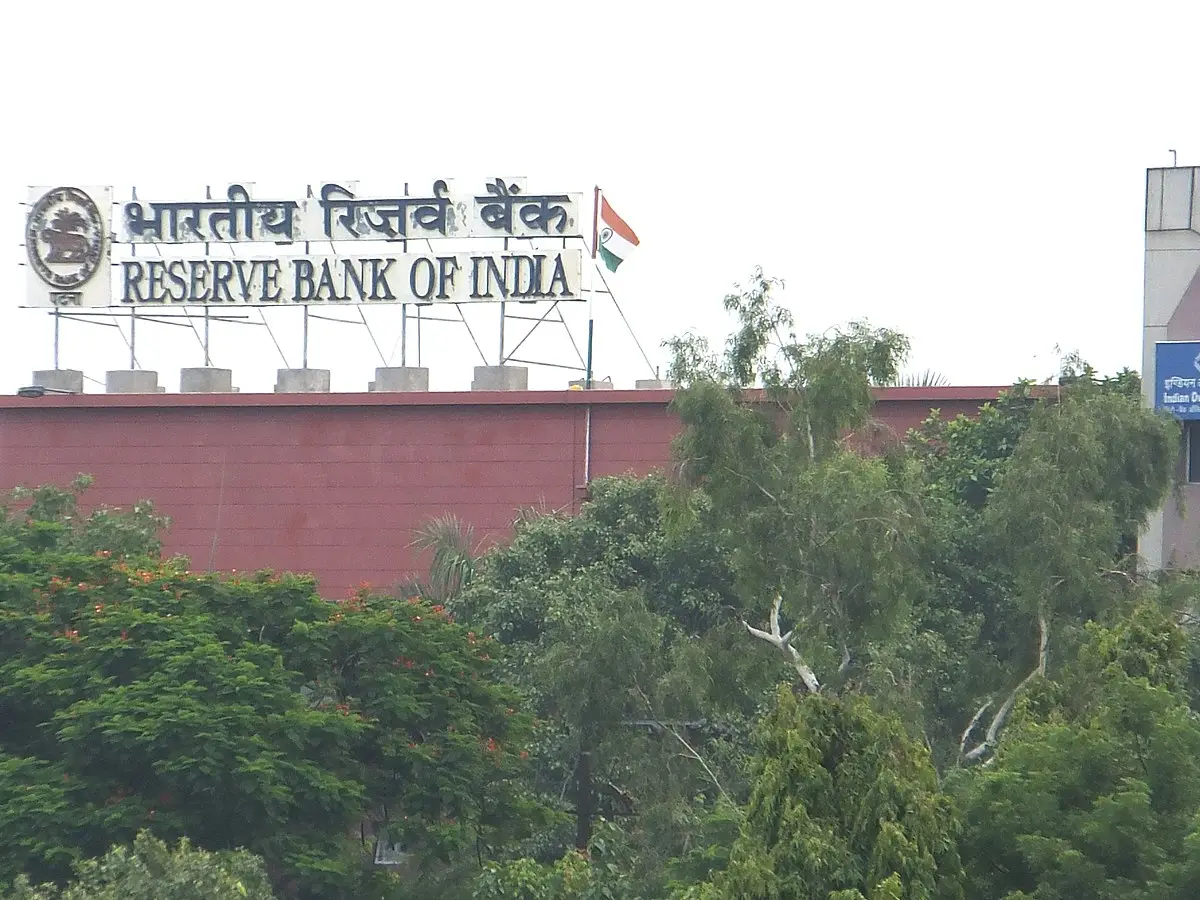
Despite record‑low inflation, RBI kept the repo at 5.5 per cent through October, maintaining a neutral stance to retain policy “dry powder”. The central bank weighed risks from US tariffs, visa‑fee hikes and global uncertainty, signalling that any easing would be calibrated and data‑dependent to protect macro‑stability and the rupee.
)
)
)
)
)