Built before the internet era: How the B-52 bomber is still flying combat missions

Designed before the internet, the B-52 bomber survives through massive digital upgrades. With new AESA radar, secure data links, and hypersonic weapons, the over-engineered USD 84 million aircraft will remain a lethal missile truck into the 2050s.
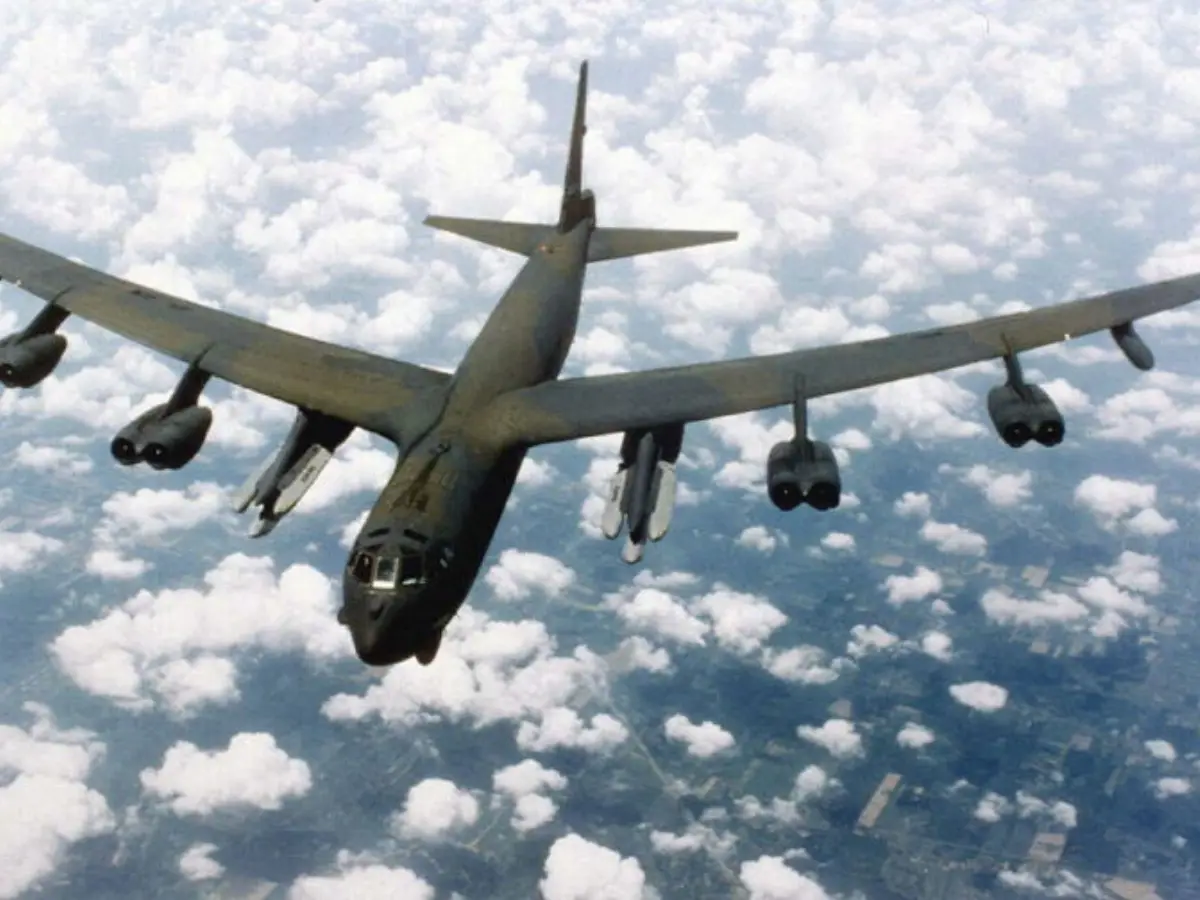
The Analogue Origins
Designed in the 1950s using slide rules and drafting paper, the Boeing B-52 Stratofortress predates the modern internet by decades. Despite its analogue origins, the US Air Force continues to deploy this 390,000-pound behemoth on active global combat missions.
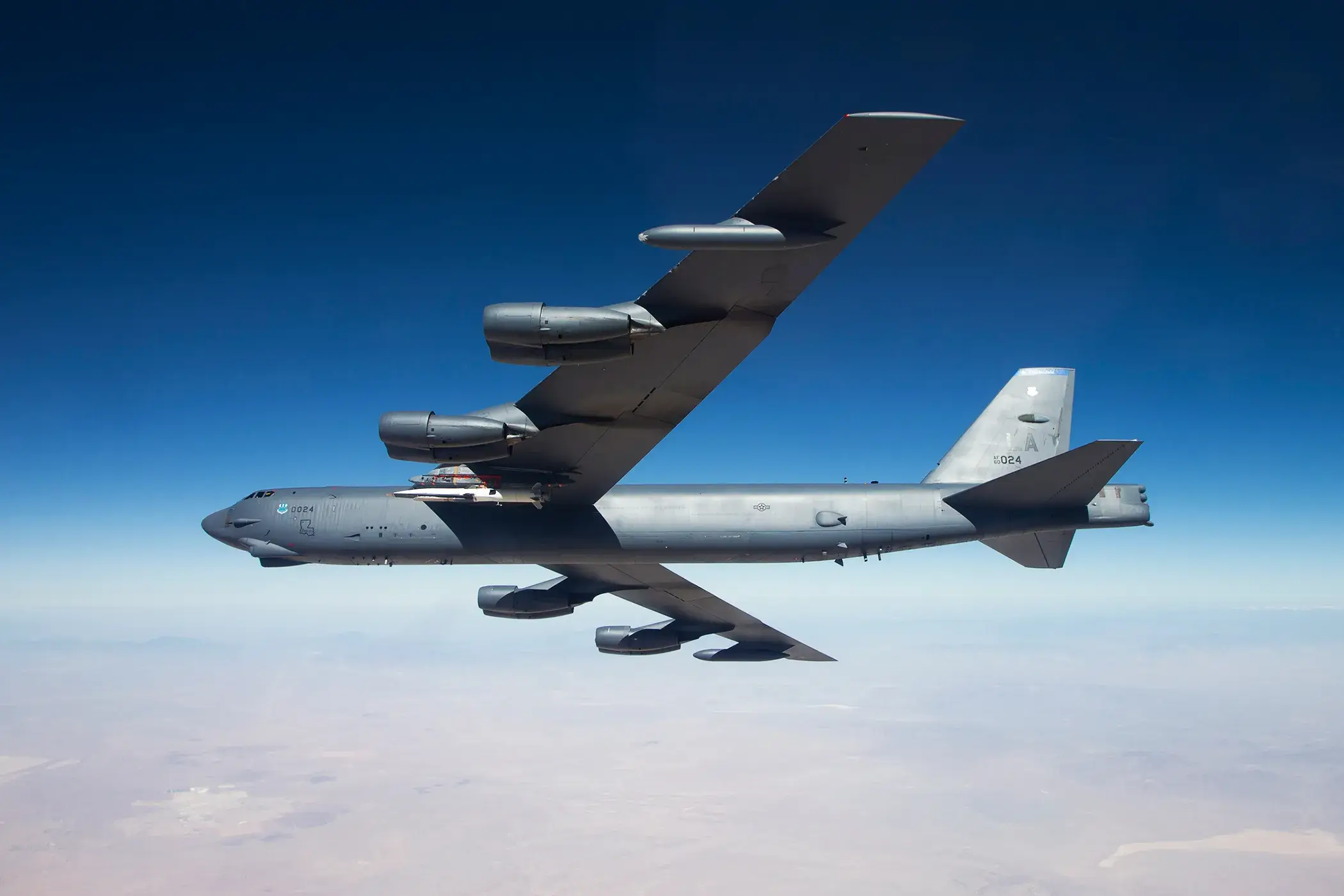
The Digital Rewiring
To survive in the 21st century, the Cold War bomber underwent the massive CONECT network upgrade. This complex digital rewiring integrated the vintage aircraft into the military's secure internet, allowing crews to receive real-time satellite targeting data mid-flight.

Fighter-Grade Radar
The Pentagon is currently stripping out the bomber's obsolete mechanical sensors under the USD 48.6 billion B-52J modernisation programme. It is receiving the advanced AN/APQ-188 Active Electronically Scanned Array (AESA) radar, granting the 70-year-old airframe high-resolution digital targeting.
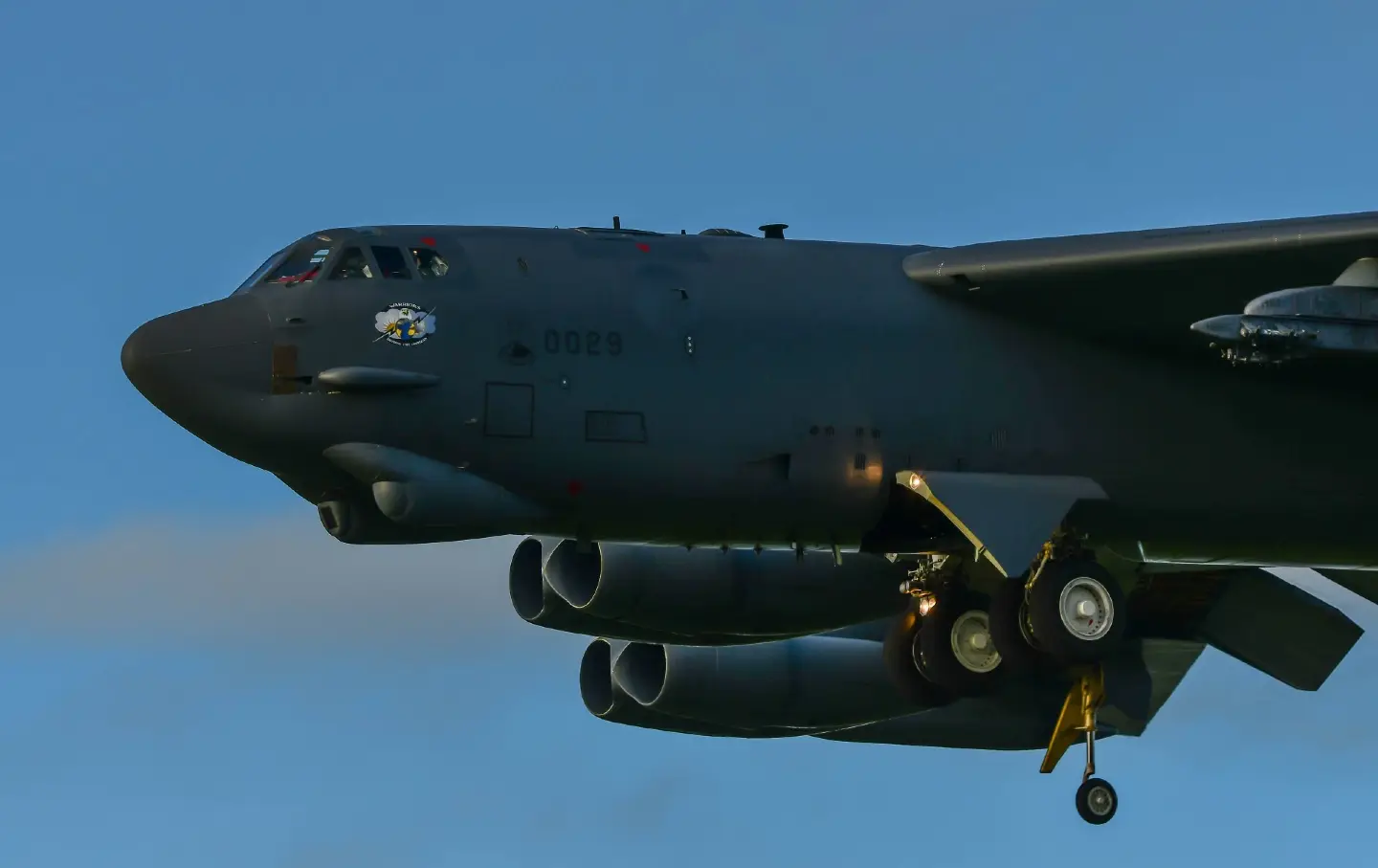
The Missile Truck Evolution
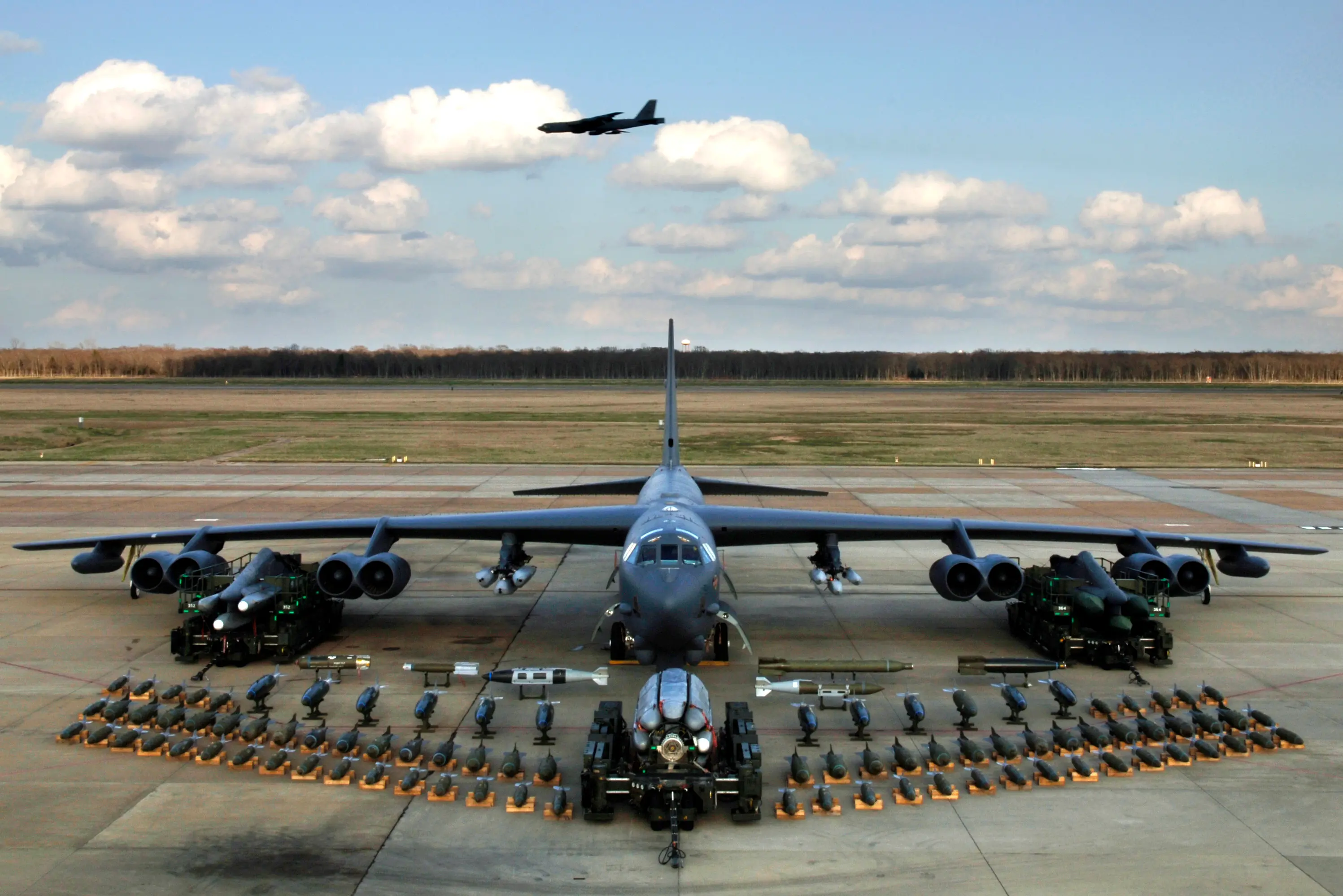
The B-52 no longer drops gravity bombs over heavily defended airspace like it did during the Vietnam War. It has evolved into a standoff missile truck, parking in safe international skies to launch digital hypersonic weapons and cruise missiles from thousands of miles away.
Glass Cockpit Transformation
Navigating the original B-52 required massive walls of analogue dials, physical gauges, and paper maps. Today, the heavily modified flight deck features advanced high-definition 8x20-inch touchscreens, seamlessly linking the pilots to the Pentagon's classified combat cloud.
Over-Engineered Airframes
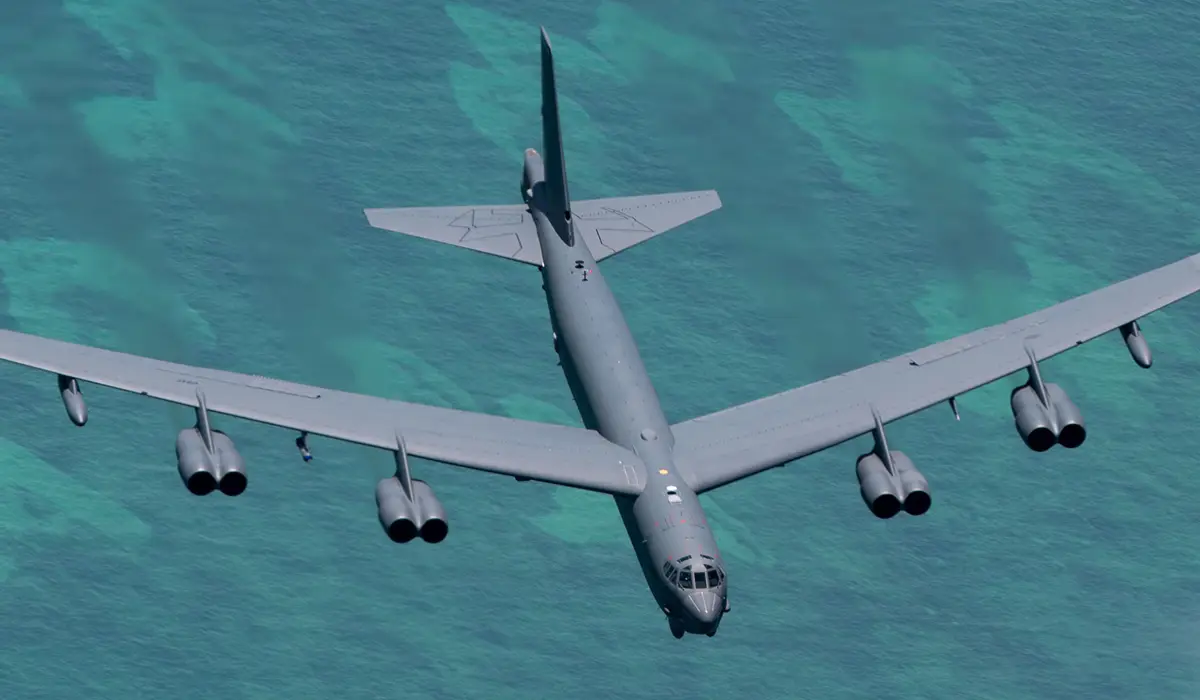
The primary reason the B-52 outlived younger stealth bombers is its sheer structural integrity. Originally over-engineered for extreme nuclear blast environments, the robust metal airframes have accumulated far fewer flight hours relative to their absolute fatigue limits.
100 Years in the Sky
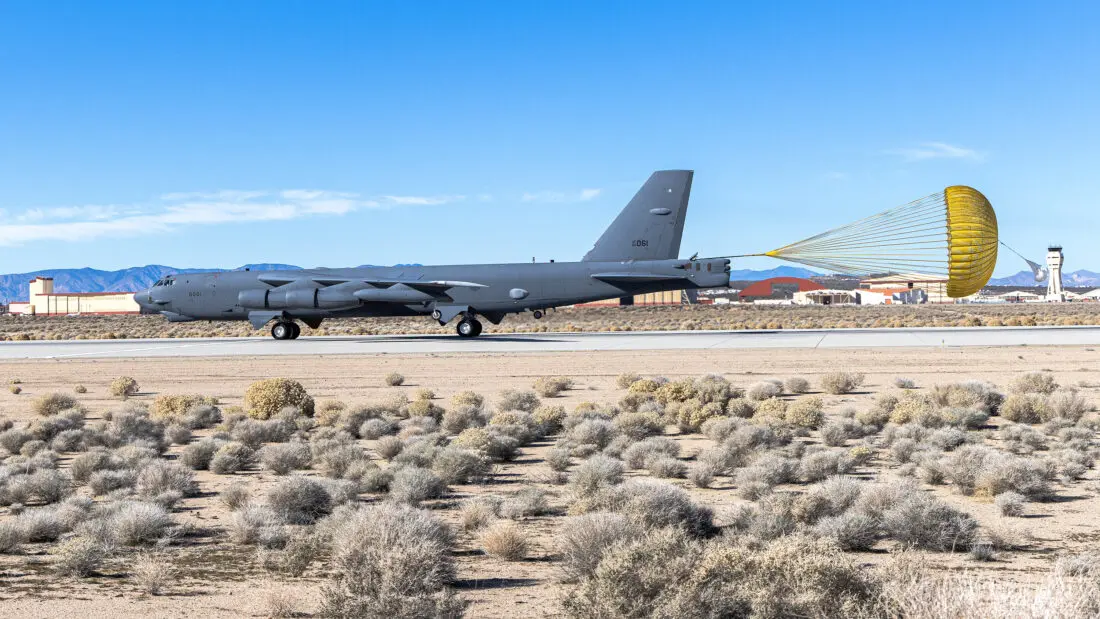
By swapping its original inefficient turbofans for eight new Rolls-Royce F130 engines, the US military is locking in the bomber's future. The technologically transformed B-52J is now officially projected to remain on active combat duty well into the 2050s.
)
)
)
)
)