Budget 2026: How priorities have shifted since 2019 and why Nirmala Sitharaman’s record 9th budget matters

The speech, expected to begin at 11:00 AM, is notable as the first Budget scheduled on a Sunday. This marks Sitharaman’s ninth consecutive budget, a record for a Finance Minister.
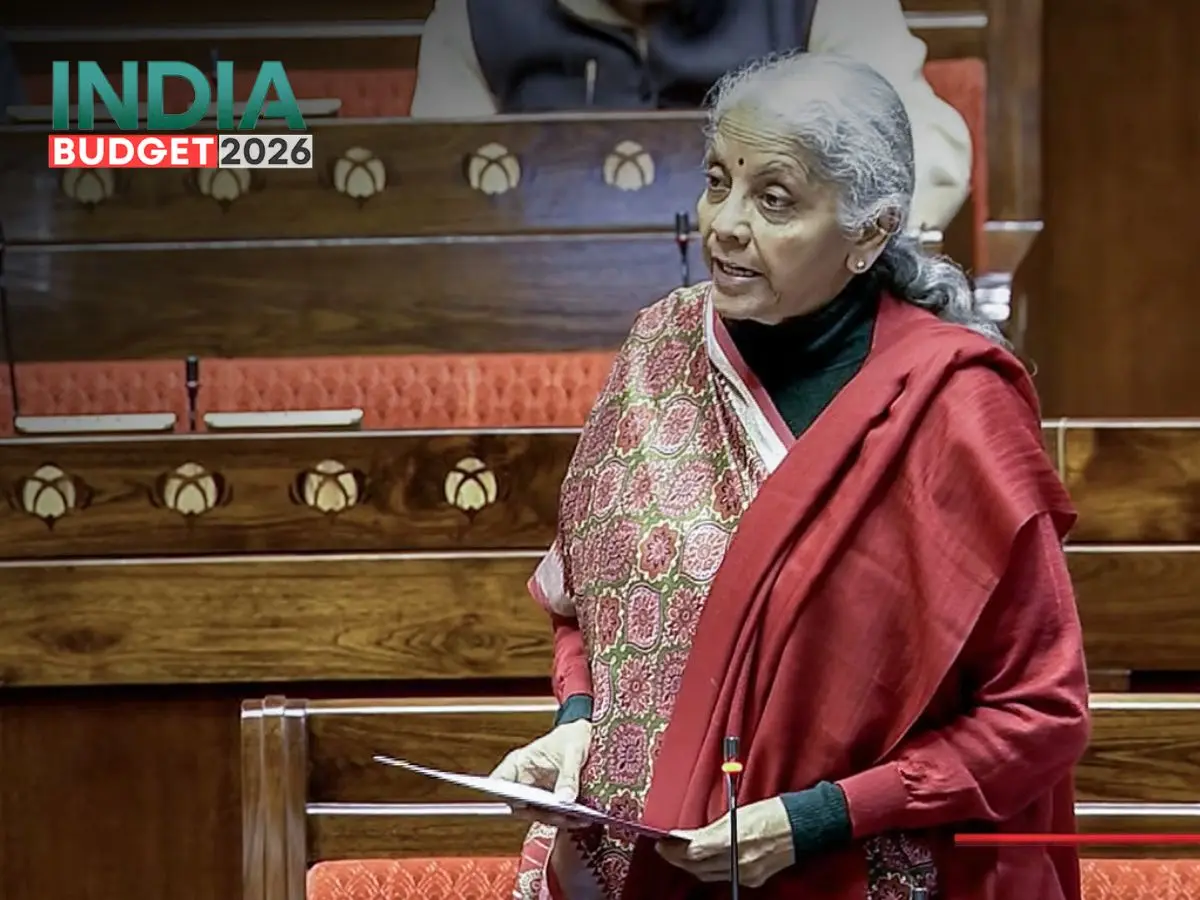
Budget 2026: Timing and Context
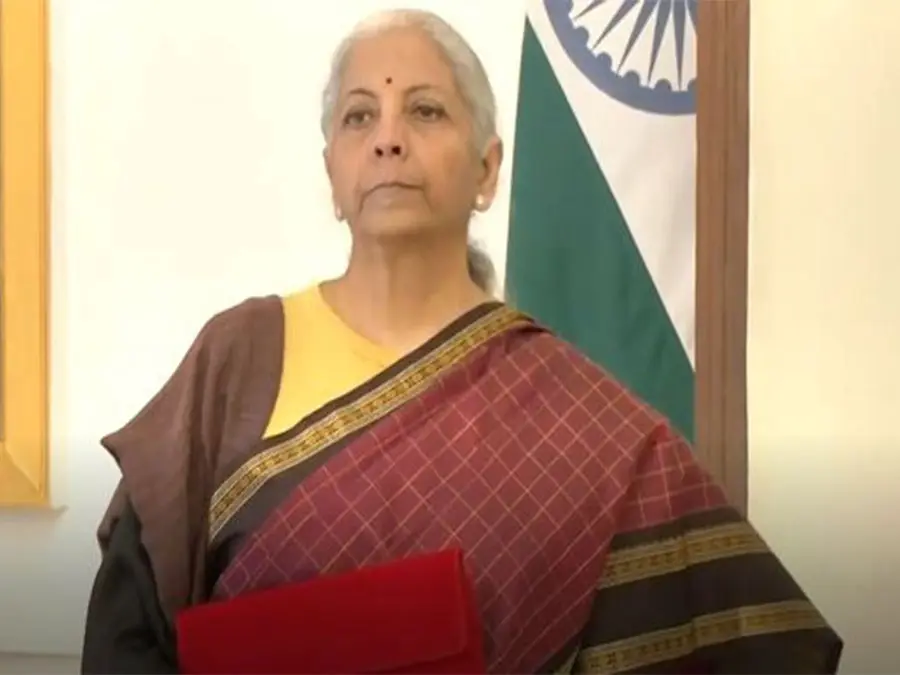
The Union Budget 2026–27 will be presented by Finance Minister Nirmala Sitharaman today, Sunday, February 1, 2026, in Parliament. The speech, expected to begin at 11:00 AM, is notable as the first Budget scheduled on a Sunday. This marks Sitharaman’s ninth consecutive budget, a record for a Finance Minister. The presentation comes amid global economic uncertainty and 50 per cent tariffs imposed by the United States on Indian exports, intensifying pressure on trade and manufacturing sectors. Let us take a look at Sitharaman’s previous Budgets and how they have evolved in terms of priorities.
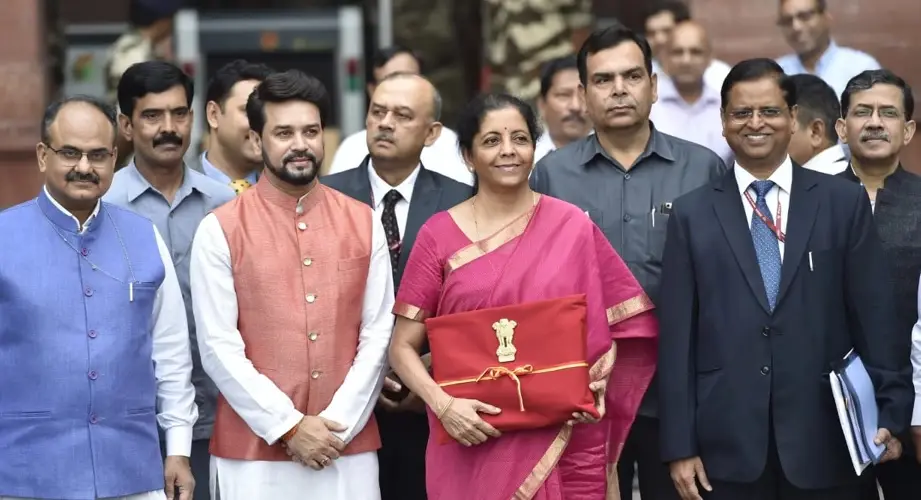
2019–20: Laying the Foundations
In her maiden Budget, Sitharaman outlined a 10-point vision for the decade, emphasising 'Minimum Government, Maximum Governance.' Key priorities included digitalisation, green initiatives, space programmes such as Gaganyaan and Chandrayaan, infrastructure development, water management, blue economy, food self-sufficiency, healthcare via Ayushman Bharat, and promotion of MSMEs, start-ups, defence manufacturing, electronics, and medical devices under Make in India.
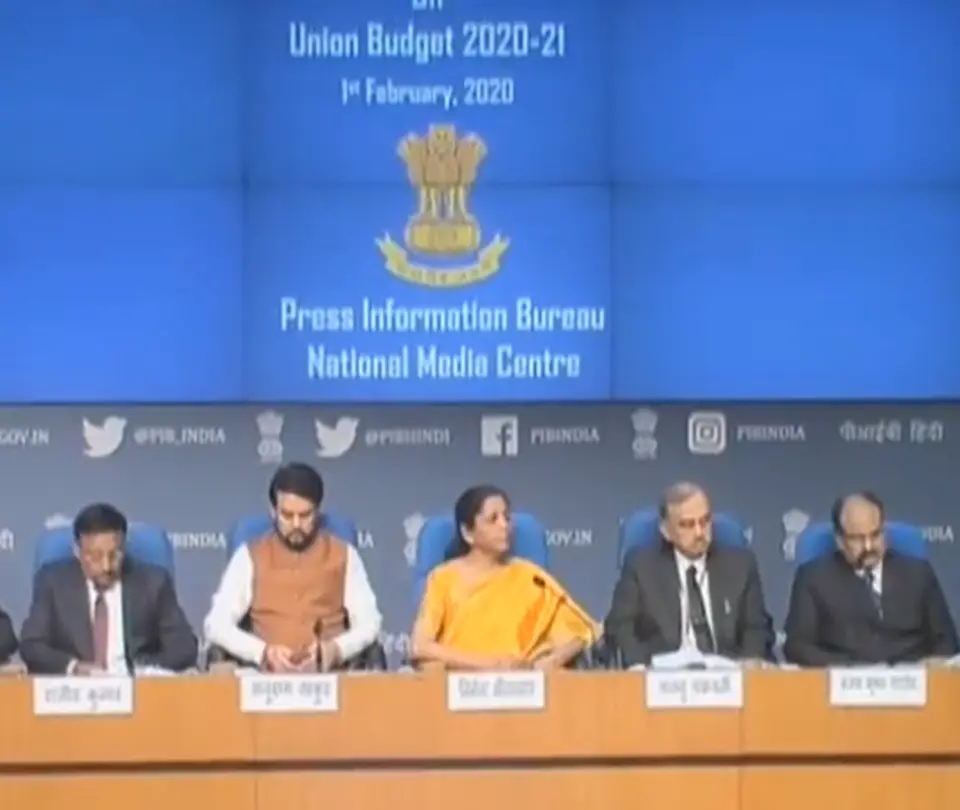
2020–21: Aspirational and Inclusive Growth
The second Budget introduced three overarching themes:
Aspirational India - better standards of living with access to health, education and better jobs for all sections of the society.
Economic Development for all - “Sabka Saath , Sabka Vikas , Sabka Vishwas”.
Caring Society - both humane and -compassionate; Antyodaya as an article of faith.
Three broad themes are held together by:
-Corruption free, policy-driven Good Governance.
-Clean and sound financial sector.
-Ease of Living underlined by the three themes of Union Budget 2020-21.
These were underpinned by corruption-free governance, a clean financial sector, and ease of living.
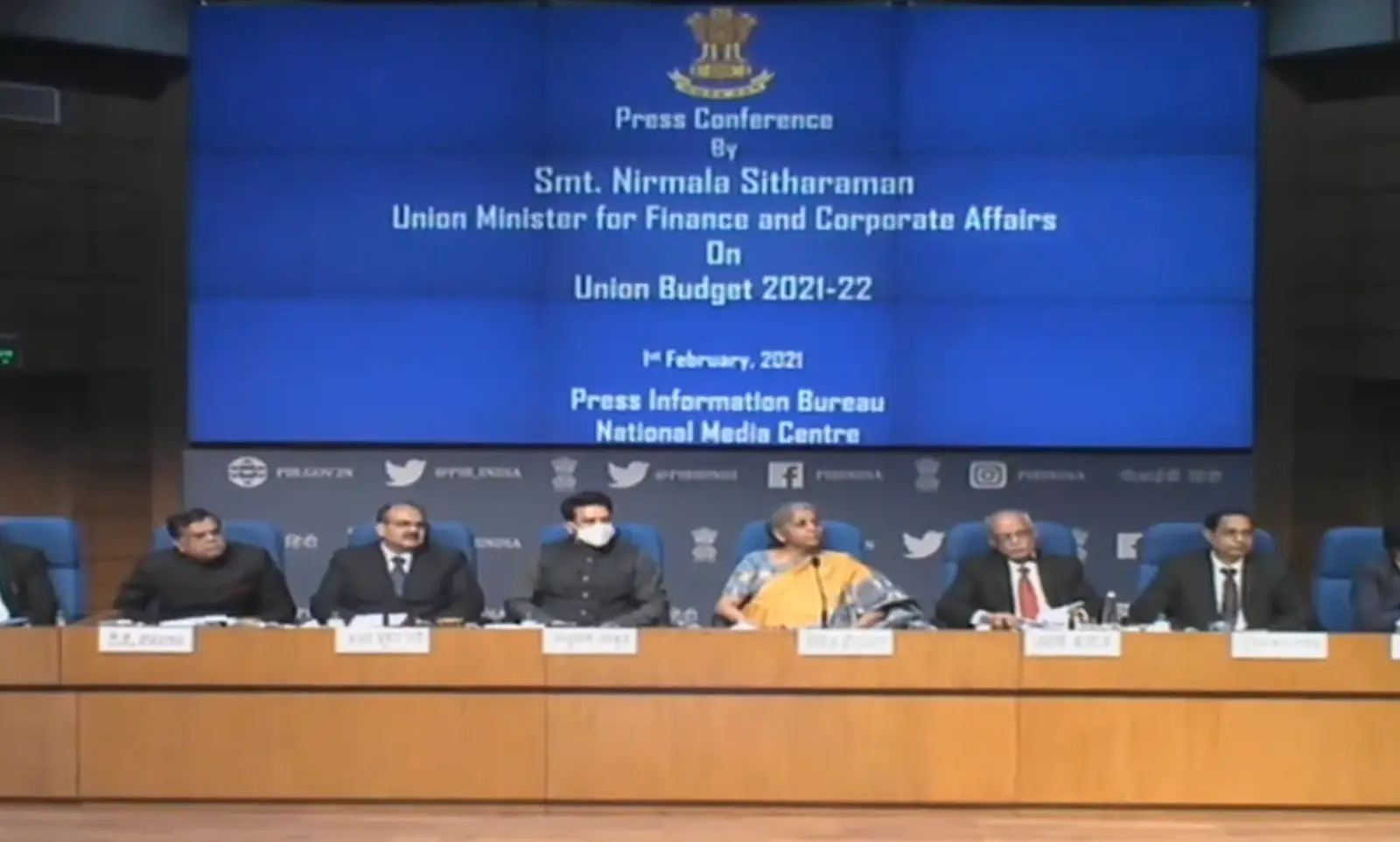
2021–22: Post-COVID Recovery
The first fully digital Budget outlined six pillars: Health and Wellbeing, Physical and Financial Capital, Inclusive Development, Human Capital, Innovation and R&D, and Minimum Government-Maximum Governance. It reflected India’s recovery from the COVID-19 pandemic and positioned the country for strategic and economic growth in the post-pandemic world.
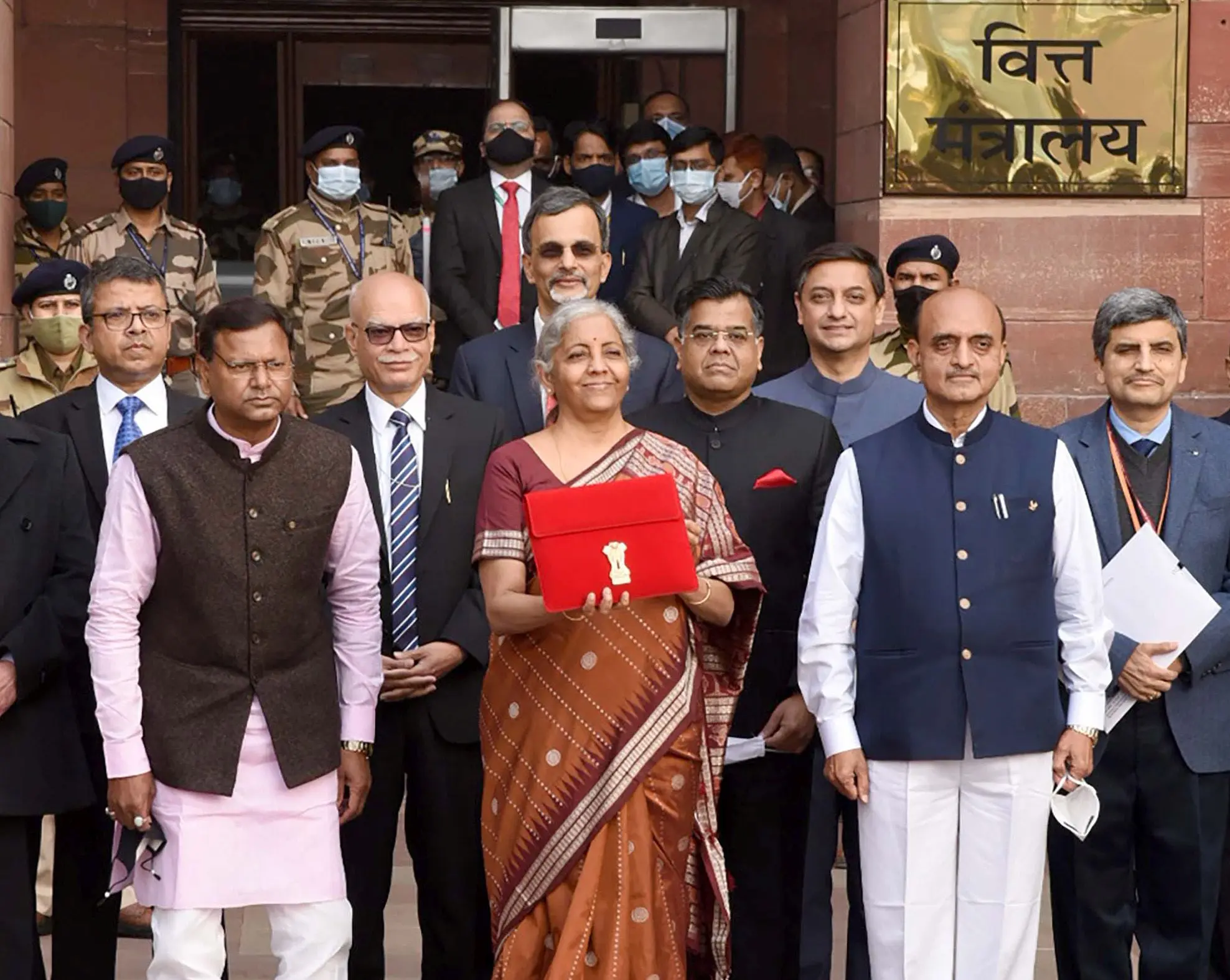
2022–23: Infrastructure and Productivity
The Union Budget sought to combine macroeconomic growth with comprehensive, inclusive welfare at the microeconomic level. Sitharaman emphasised infrastructure under PM Gati Shakti, inclusive development, productivity enhancement, investment, energy transition, and climate action. The budget centered on a blueprint for a future-ready India.
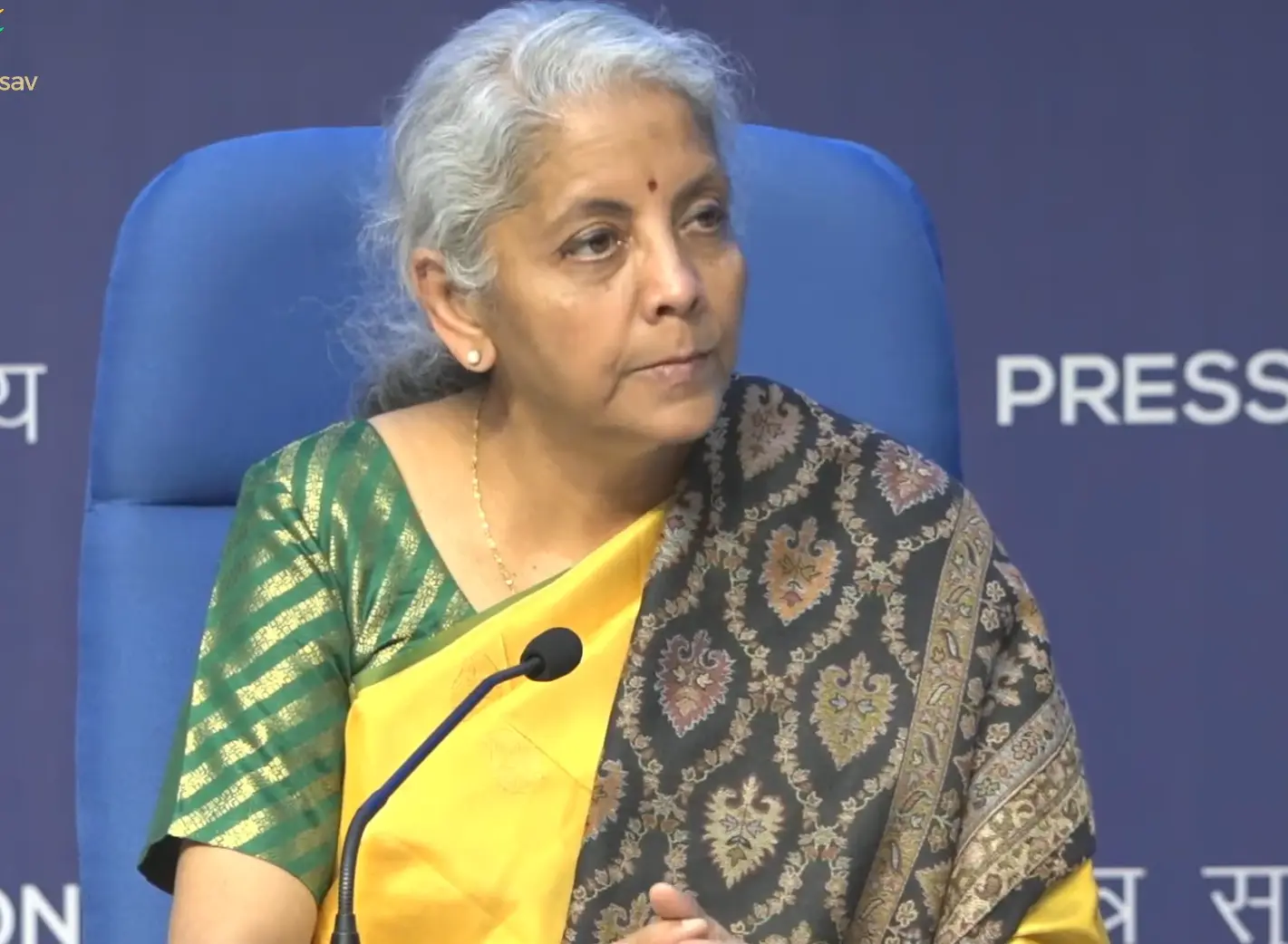
2023–24: Amrit Kaal and Saptarishi Priorities
The Budget set out India’s vision for ‘Amrit Kaal,’ emphasising technology-driven growth and a knowledge-based economy supported by strong public finances and a resilient financial sector. To achieve this, broad participation through active participation of citizens (Jan Bhagidari), under the principle of collective support, collective effort (Sabka Saath, Sabka Prayas) was deemed essential. The agenda was guided by seven priorities, known as the ‘Saptarishi’ (seven pillars) : 1) Inclusive Development, 2) Reaching the Last Mile, 3) Infrastructure and Investment, 4) Unleashing Potential, 5) Green Growth, 6) Youth Power, and 7) Strengthening the Financial Sector.
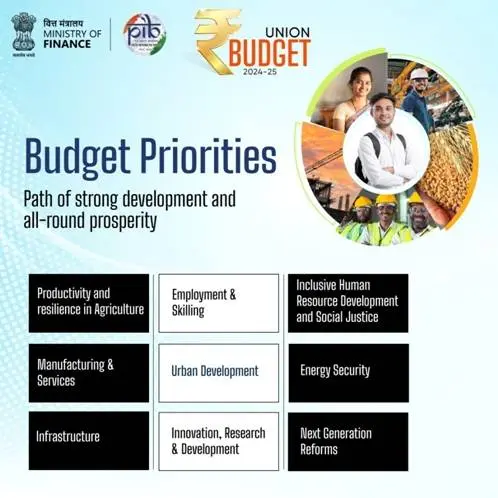
2024–25: Next Generation Reforms
The focus moved to ‘Next Generation Reforms,’ centred on nine key priorities: productivity and resilience in agriculture; employment and skilling; inclusive human resource development and social justice; manufacturing and services; urban development; energy security; infrastructure; innovation, research and development; and the implementation of next-generation reforms.
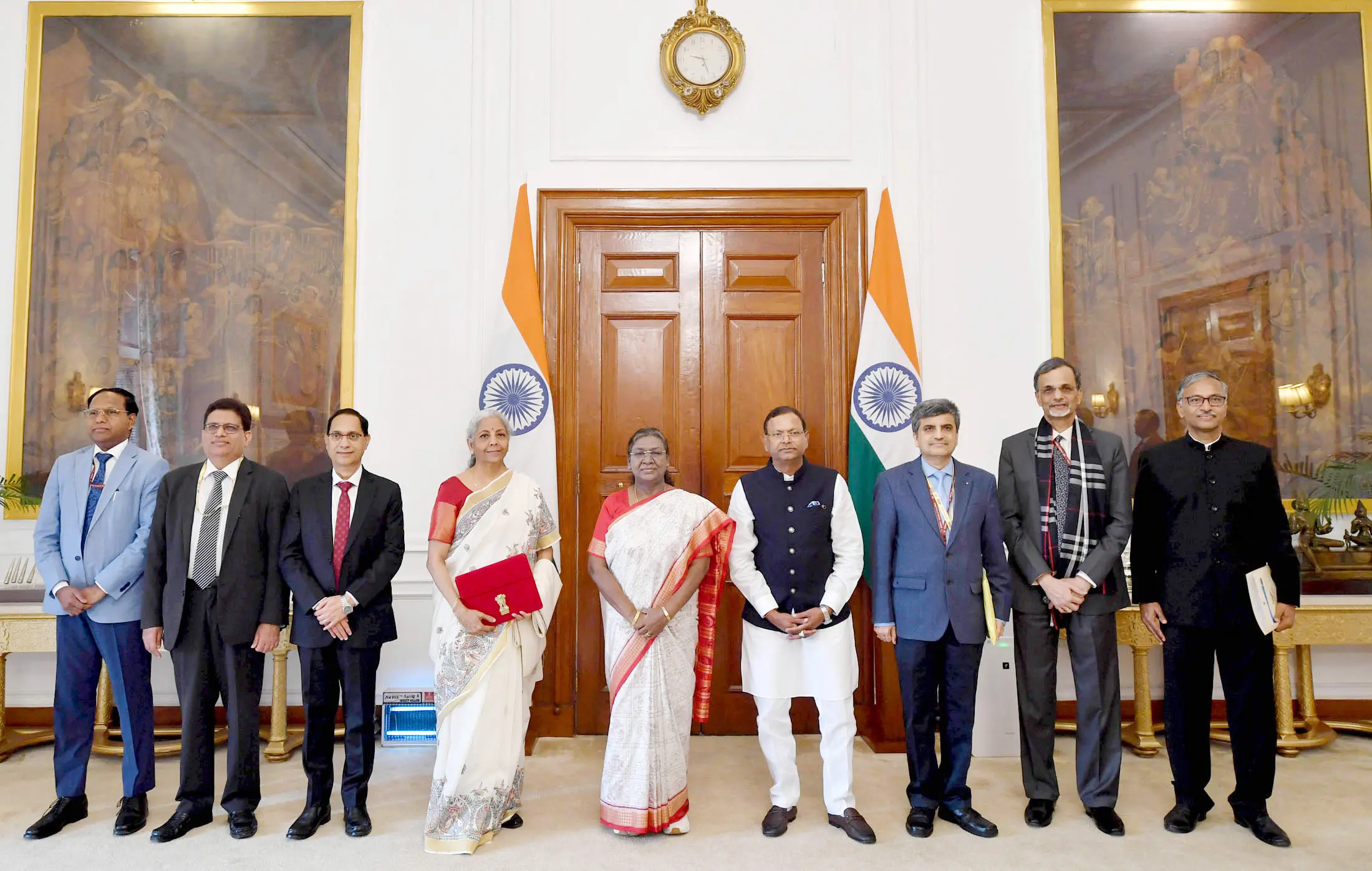
2025–26: Sabka Vikas and Viksit Bharat
Sitharaman presented a 'Sabka Vikas' framework, stressing zero poverty, universal education, comprehensive healthcare, full employment, women’s economic participation, and farmers’ contribution to making India a global food basket. Agriculture, MSMEs, investment, and exports were identified as growth engines, driven by inclusive reforms.
2026–27: Expectations and Priorities
For 2026–27, experts expect a continued focus on capital expenditure, especially in infrastructure, alongside incentives for manufacturing and services. Key sectors expected to see heightened attention include defence, railways, MSMEs, rural development, and the green economy. The Economic Survey highlighted robust domestic demand, private consumption, and rising investment as drivers, positioning the Budget as a crucial roadmap amid global uncertainty.
)
)
)
)
)